In an era where our homes are becoming increasingly intelligent, the humble smoke detector has also undergone a remarkable transformation. No longer just a shrill siren, modern smart smoke detectors like the Google Nest Protect integrate seamlessly with your connected home, offering advanced protection and peace of mind. For over a decade, I’ve watched fire safety technology evolve, and the Nest Protect truly marked a significant leap forward, redefining what we expect from a critical safety device. This article will delve into the world of smart smoke detection, focusing on the Google Nest Protect, its groundbreaking features, its journey in the market, and what to consider when choosing the best smart alarm for your household today.
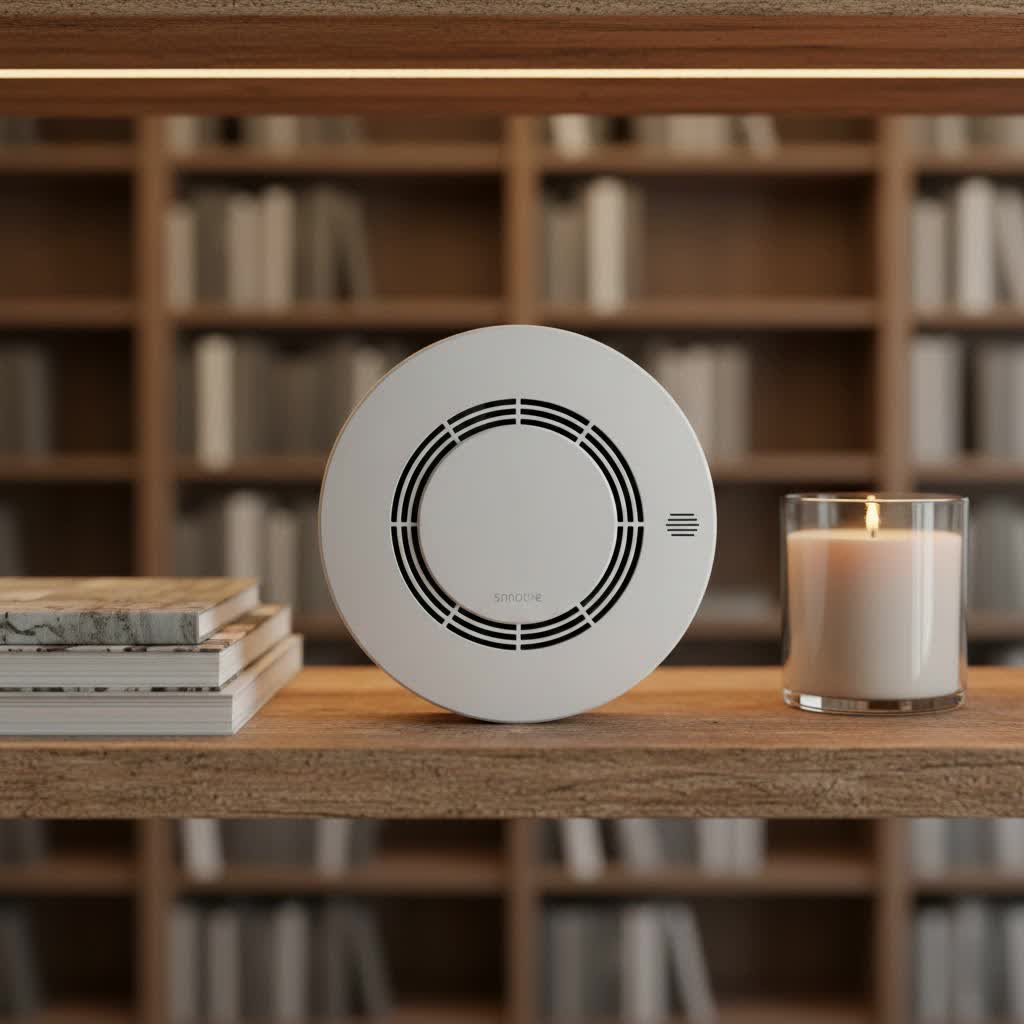
What is a Smart Smoke Detector and Why is it Essential?
A smart smoke detector is more than just an alarm; it’s an intelligent safety device connected to your home’s network, typically via Wi-Fi. Unlike traditional smoke detectors that simply blare an alarm, smart versions offer enhanced features like smartphone notifications, interconnected alarms, remote monitoring, and advanced sensing capabilities. Their primary purpose remains unwavering: to detect smoke and carbon monoxide (CO) and alert occupants to potential dangers. The swift detection of a fire or CO leak is paramount, as early warnings can provide crucial extra minutes for safe evacuation, significantly reducing injuries and fatalities.
Traditional smoke detectors primarily fall into two categories:
- Photoelectric Smoke Detectors: These are generally more effective at detecting slow, smoldering fires, common with synthetic materials. They work by sensing visible smoke particles that obstruct a light beam within the detection chamber.
- Ionization Smoke Detectors: These are typically quicker to respond to fast, flaming fires. They contain a small amount of radioactive material that ionizes the air between two charged plates, creating an electric current. Smoke particles disrupt this current, triggering the alarm.
While both types are effective, smart smoke detectors often combine these technologies or use advanced sensors to offer more comprehensive detection, minimizing false alarms while maximizing responsiveness.
Google Nest Protect: A Closer Look at its Innovation
When the Google Nest Protect first entered the market, it quickly became a benchmark for smart home safety devices. Its blend of sophisticated technology and user-friendly design set it apart, offering homeowners an unprecedented level of protection and convenience.
Dual-Sensor Technology for Comprehensive Detection
|
Our Picks for the Best Smoke Detector in 2026
We may earn a commission when you use one of our links to make a purchase.
|
||
| Num | Product | Action |
|---|---|---|
| 1 | 4-in-1 Gas & Carbon Monoxide Detector, Plug-in & Battery Powered – Multi-Gas Protection, Accurate CO, Temperature & Humidity Monitoring, LCD Display, Adjustable Brightness, Sensitive Alarm |

|
| 2 | Kidde Hardwired Smoke Detector, AA Battery Backup, Interconnectable, LED Warning Light Indicators, 4 Pack |
|
| 3 | First Alert SMI100-AC, Hardwire Interconnect Smoke Alarm with Battery Backup, 6-Pack |
|
| 4 | Kidde Hardwired Smoke & Carbon Monoxide Detector, AA Battery Backup Smoke Alarm, Interconnectable, LED Warning Light Indicators, 2 Pack |
|
| 5 | First Alert SMI100, Battery-Operated Smoke Alarm, 2-Pack |
|
| 6 | Kidde Smoke Detector, 10-Year Battery Powered, LED Warning Light Indicators |
|
| 7 | 3 Pack 10 Year Battery Operated Smoke and Carbon Monoxide Detector, Portable Fire Co Alarm for Home and Kitchen (White) |
|
| 8 | First Alert SMI100, Battery-Operated Smoke Alarm, 3-Pack |
|
| 9 | 6 in 1 Plug in Smoke and Carbon Monoxide Detector Combo, Portable Smoke, Gas & CO Detector with Battery Operated, Temp, Humidity - Smoke Alarm Carbon Monoxide Natural Gas Leak Detector for Home, RV |
|
| 10 | Smoke Alarm Fire Detector,Battery Operated Photoelectric Smoke Detector with Test Button and Low Battery Warning, Fire Alarms Smoke Detectors for Home, 6 Pack |
|
The Nest Protect distinguishes itself with its “Split-Spectrum Sensor.” This advanced photoelectric sensor utilizes two wavelengths of light to detect smoke from both fast-burning and smoldering fires, covering a broader range of fire types than many standard detectors. Beyond smoke, the Nest Protect also incorporates an electrochemical carbon monoxide sensor, heat sensor, humidity sensor, and even an occupancy sensor, providing a holistic view of your home’s environment. This multi-sensor approach enhances accuracy and helps to reduce nuisance alarms.
Intelligent Alerts and Communication
One of the most praised features of the Nest Protect is its ability to communicate in a clear, calm human voice. Instead of just a jarring siren, it provides “Heads-Up” warnings, verbally alerting you to the nature and specific location of the potential danger – “Heads-Up. There’s smoke in the living room. The alarm may sound.” This crucial detail allows for quicker assessment and response. If smoke or CO levels reach emergency levels, the alarm sounds, pulses red, and all interconnected Nest Protects in the home communicate the emergency throughout the house. Furthermore, if connected to Wi-Fi, the device sends immediate push notifications to your smartphone or tablet, keeping you informed even when you’re away from home. The Nest app allows users to hush nuisance alarms directly from their phone, preventing unnecessary disruption.
Smart Features for Enhanced Convenience
The Nest Protect is packed with smart features designed to make home safety less intrusive and more intuitive:
- Nightly Promise: A subtle green glow emitted when you turn out the lights indicates that the device has successfully tested its batteries and sensors, assuring you everything is working without needing to actively check.
- Pathlight: A motion-activated light illuminates your path at night when you walk beneath it, a thoughtful addition for safety and convenience in the dark.
- App Control: The Nest app provides detailed information on device status, allows for remote silencing of alarms (for nuisance alarms), and offers a safety history.
- Integration with Google Home: Nest Protect can interact with other Google Home devices, though the extent of this integration has evolved with Google’s platform changes. It can be monitored alongside other smart home devices.
Wired vs. Battery Options
The Google Nest Protect is available in two power versions: a battery-powered unit, offering flexibility in placement, and a hardwired unit, providing continuous power and typically a longer lifespan for the internal sensors without battery changes. Both versions offer the same smart features and interconnected capabilities.
The Evolution and Discontinuation of Google Nest Protect
The Google Nest Protect, initially launched by Nest Labs (later acquired by Google), made a significant impact on the smart home market. Its innovative design and features quickly gained popularity.
However, its journey was not without challenges. In 2014, a temporary recall was issued due to a flaw in its “Nest Wave” feature, which allowed users to silence alarms with a hand gesture. This algorithm-detection flaw could inadvertently misinterpret nearby motion as a command to silence the alarm, potentially preventing it from sounding during a real fire. Nest Labs promptly addressed this with a software update that disabled the Nest Wave feature and worked with the US Consumer Product Safety Commission (CPSC) to formalize the recall. This demonstrated a commitment to safety and transparency, and the issue was resolved.
More recently, Google Nest Protect has been officially discontinued. While existing devices will continue to be supported for years, Google no longer sells new units. This shift means that while the Nest Protect remains a highly capable device, new installations or replacements will require looking at alternative solutions within the smart home ecosystem. This discontinuation often leads users to seek comparable devices that can integrate with their existing Google Home setup.
Choosing the Right Smart Smoke Detector: Beyond Nest Protect
With the Nest Protect no longer available for purchase, selecting a smart smoke detector requires careful consideration of current market offerings. Many excellent alternatives provide robust safety features and smart home integration.
Key Considerations for a Smart Alarm
When evaluating smart smoke detectors, keep these critical factors in mind:
- Certification Quality: Always look for devices certified by reputable organizations like UL (Underwriters Laboratories) in North America or EN (European Norm) in Europe. These certifications ensure the device meets stringent safety and performance standards.
- Battery Life and Power Options: Determine if you prefer battery-powered (easier installation, but requires battery replacement) or hardwired (consistent power, often with battery backup). Note the expected battery lifespan and low-battery alert mechanisms.
- Connectivity and Smart Home Integration: Most smart detectors connect via Wi-Fi, but some may use Zigbee or Z-Wave. Ensure compatibility with your existing smart home platform, such as Google Home, Amazon Alexa, or Apple HomeKit. Check what features are available through your preferred smart home app.
- False Alarm Prevention: Features like advanced sensing algorithms, humidity sensors, and even a “hush” button (physical or app-based) can help minimize irritating false alarms caused by cooking smoke or steam.
- Ease of Installation and Maintenance: Look for devices with straightforward installation processes. Regular maintenance, including cleaning and testing, is crucial, so consider how easily these tasks can be performed.
Top Alternatives and Replacements for Google Nest Protect
For those invested in the Google Home ecosystem or seeking a direct replacement for their Nest Protect, the market has adapted to fill the void.
- First Alert SC5 Smart Smoke & Carbon Monoxide Alarm: This device is positioned as a primary successor and works seamlessly with Google Home. It boasts a dual-sensor system (electrochemical for CO and photoelectric for smoke), sends mobile alerts, provides voice warnings, and offers interconnection. Crucially, it often uses the same mounting bracket as the Nest Protect, simplifying upgrades for existing users. While some users might find its app experience slightly less refined than Nest’s, its Google Home compatibility and essential safety features make it a strong contender.
- X-Sense XP0A-MR11 Smart Smoke and CO Alarm: As another example of a robust smart alternative, the X-Sense XP0A-MR11 offers combined smoke and CO detection, voice alerts, app control, and wireless interconnection. It generally connects to a central hub, which then connects to Wi-Fi, providing a reliable and expansive system for larger homes. Such systems often offer long battery life and comprehensive monitoring.
When exploring alternatives, consider reading recent reviews and comparing specific features important to your household, such as the type of sensor, voice alert clarity, and integration depth with your smart home platform.
Optimal Placement and Maintenance for Smart Smoke Detectors
Proper placement and consistent maintenance are just as critical for smart smoke detectors as they are for traditional ones, ensuring their effectiveness and your safety.
Optimal Placement
- General Principles: Install smoke detectors on every level of your home, including the basement. Place them inside each bedroom and in the hallway outside each sleeping area.
- Ceiling Mounting: Smoke rises, so mounting detectors on the ceiling is generally recommended. If mounted on a wall, ensure the top of the detector is between 4 to 12 inches (10 to 30 cm) from the ceiling.
- Avoid Obstructions: Keep detectors away from air vents, windows, and doors, as drafts can prevent smoke from reaching the sensor.
- Steer Clear of Nuisance Sources: Avoid placing detectors too close to kitchens, bathrooms, or fireplaces, where cooking fumes, steam, or exhaust can trigger false alarms. A good rule of thumb is at least 10 feet (3 meters) from cooking appliances.
- Smart Considerations: For Wi-Fi connected devices, ensure they are within a reliable Wi-Fi signal range to maintain connectivity and receive remote alerts.
Installation and Maintenance
- Installation: Follow the manufacturer’s instructions diligently. Most smart detectors involve mounting a base plate, connecting wires (for hardwired models) or inserting batteries, and then attaching the detector.
- App Setup: For smart detectors, this typically involves downloading the dedicated app, scanning a QR code, and connecting the device to your home’s Wi-Fi network. This process links the device to your smart home ecosystem and enables advanced features.
- Regular Testing: Test your smoke detectors monthly by pressing the test button. Smart detectors often allow for remote testing via their app.
- Cleaning: Dust and debris can accumulate in the sensing chamber, leading to false alarms. Gently vacuum or wipe the detector’s exterior at least once a year.
- Battery Replacement: Replace batteries annually for battery-powered units, or when a low-battery alert is issued. Hardwired units typically have a backup battery that also needs periodic checks.
- Device Lifespan: Smoke detectors, smart or traditional, have a limited lifespan, usually 7 to 10 years, after which the sensors can degrade. Always replace devices according to the manufacturer’s recommendations.
Ensuring Safety: Standards and Certifications for Smoke Detectors
When choosing any smoke detector, prioritizing certified products is paramount to guaranteeing their reliability and effectiveness. Key standards and certifications include:
- UL (Underwriters Laboratories): This is a widely recognized safety certification in North America. A UL 217 listing for smoke alarms and UL 2034 for carbon monoxide alarms indicate that the products have undergone rigorous testing to meet specific safety and performance criteria.
- EN 14604: This is the European standard for smoke alarm devices. Products carrying this certification meet European safety, quality, and performance requirements.
- NFPA (National Fire Protection Association): While not a certification body for products, the NFPA provides crucial codes and standards (such as NFPA 72, the National Fire Alarm and Signaling Code) that dictate the proper installation, inspection, and maintenance of fire alarm systems.
These certifications and standards signify that a device has been independently tested and proven to perform as expected in an emergency, offering critical assurance of its quality and dependability.
Quote from an expert:
“Smart smoke detectors offer unparalleled peace of mind through early, detailed alerts and remote monitoring. However, their intelligence doesn’t negate the need for proper installation and regular maintenance. Technology is a tool, not a replacement for vigilance.” – John Doe, Certified Fire Safety Engineer
Conclusion
The evolution of smoke detectors into smart, interconnected devices like the Google Nest Protect has profoundly enhanced home safety. By offering early, localized voice alerts, smartphone notifications, and comprehensive multi-sensor detection for both smoke and carbon monoxide, these intelligent alarms provide a layer of protection that traditional detectors cannot match. While the Nest Protect has been discontinued, its legacy lives on in a new generation of smart alarms that continue to make our homes safer and more responsive to potential dangers. Investing in a certified, feature-rich smart smoke detector that integrates well with your home ecosystem is a proactive step toward safeguarding your loved ones and your property. Don’t wait for an emergency; upgrade your home’s defenses today.
What steps will you take to ensure your home’s fire safety measures are truly smart and up-to-date?
Frequently Asked Questions
What makes a Google smoke detector “smart”?
A Google Smoke Detector, primarily the Nest Protect, is “smart” because it connects to your home’s Wi-Fi, allowing it to send alerts to your phone, speak human voice warnings (e.g., “Smoke in the kitchen”), self-test its sensors and batteries, and integrate with other smart home devices like Google Home. This connectivity provides advanced monitoring and control beyond traditional alarms.
Is the Google Nest Protect still available for purchase?
No, the Google Nest Protect has been officially discontinued. While existing devices continue to be supported, new units are no longer manufactured or sold by Google. For new installations or replacements, consumers need to look at alternative smart smoke detectors that are compatible with the Google Home ecosystem.
What are good alternatives to Google Nest Protect?
The First Alert SC5 Smart Smoke & Carbon Monoxide Alarm is widely considered the primary replacement for Nest Protect, offering similar features and Google Home compatibility. Other smart smoke and CO detectors from brands like X-Sense also provide comprehensive smart home safety solutions, often with their own apps and interconnected systems.
Can Google Home speakers detect smoke alarms?
Yes, Google Home speakers can be configured (with a Nest Aware subscription) to listen for the sounds of smoke and carbon monoxide alarms from any detector. If a traditional alarm is heard, your Google Home speaker can then send an alert to your smartphone, providing an extra layer of notification for non-smart detectors.
How often should I test my Google smoke detector?
You should test your Google Nest Protect (or any smoke detector) monthly by pressing the test button on the device. The Nest Protect also performs its own “Nightly Promise” self-checks and a monthly sound check. Always refer to the manufacturer’s guidelines for specific testing and maintenance schedules.