In an increasingly mobile world, personal safety extends beyond the confines of your permanent residence. Whether you’re embarking on a vacation, working remotely from a temporary space, or simply seeking an added layer of protection in specific areas of your home, a Portable Smoke Detector stands as a vigilant guardian against unforeseen fire hazards. This comprehensive guide, crafted from years of expertise in fire safety equipment, delves into everything you need to know about these compact, crucial devices, helping you make an informed decision to safeguard yourself and your loved ones wherever life takes you.
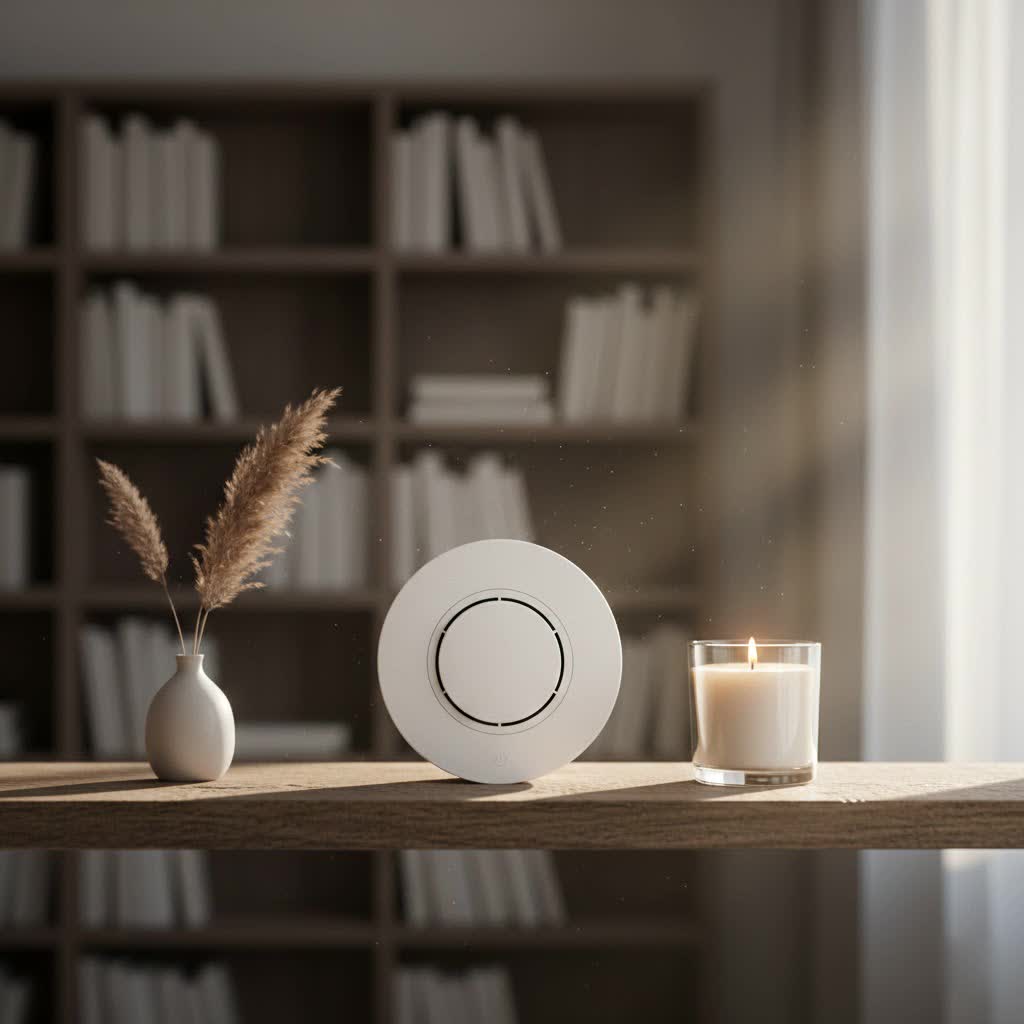
What is a Portable Smoke Detector? Why is it Essential?
A portable smoke detector is a compact, lightweight, and battery-operated device designed for easy installation and relocation without the need for intricate wiring. Unlike traditional, hardwired smoke alarms, these units offer unparalleled flexibility, making them ideal for a wide array of temporary and supplementary safety applications. They function as an early warning system, detecting smoke particles in the air and emitting a loud alarm to alert occupants to a potential fire emergency.
The necessity of a portable smoke detector cannot be overstated. Fire can escalate rapidly, turning a minor incident into a life-threatening situation within moments. While many permanent structures are equipped with built-in smoke detection systems, their reliability, maintenance, and even presence can vary greatly, especially in temporary accommodations like hotel rooms, Airbnb rentals, or older vacation homes. Beyond travel, portable detectors are invaluable for spaces such as RVs, workshops, garages, or even children’s bedrooms where you might desire an additional layer of protection without complex installation. Their immediate alert capability provides precious extra seconds for evacuation, significantly increasing safety margins.
Classifying Portable Smoke Detectors: Advantages and Drawbacks
Smoke detectors primarily utilize two sensing technologies: photoelectric and ionization, with many modern portable units featuring dual sensors for enhanced protection. Understanding their distinctions is crucial for selecting the best device for your specific needs.
Photoelectric Portable Smoke Detectors
Photoelectric smoke detectors operate by using a light source and a sensor positioned at a 90-degree angle within a chamber. When smoke enters this chamber, it scatters the light, directing it onto the sensor, which then triggers the alarm.
- Advantages: These detectors are particularly effective at detecting slow-burning, smoldering fires, such as those that might originate from unattended cooking, electrical wiring, or upholstered furniture. They are also generally less prone to false alarms caused by minor cooking fumes compared to older ionization models. Their sensitivity to larger smoke particles ensures an early warning for fires that produce a lot of visible smoke.
- Disadvantages: While modern photoelectric sensors have improved, they can still be susceptible to nuisance alarms from dust, steam from bathrooms, or excessive cooking fumes if placed too close to these sources. They may react slightly slower to fast, flaming fires with less visible smoke.
|
Our Picks for the Best Smoke Detector in 2026
We may earn a commission when you use one of our links to make a purchase.
|
||
| Num | Product | Action |
|---|---|---|
| 1 | 3 Pack 10 Year Battery Operated Smoke and Carbon Monoxide Detector, Portable Fire Co Alarm for Home and Kitchen (White) |

|
| 2 | First Alert SMI100, Battery-Operated Smoke Alarm, 3-Pack |
|
| 3 | Kidde Smoke Detector, 10-Year Battery Powered, LED Warning Light Indicators |
|
| 4 | Kidde Hardwired Smoke Detector, AA Battery Backup, Interconnectable, LED Warning Light Indicators, 4 Pack |
|
| 5 | First Alert SMI100-AC, Hardwire Interconnect Smoke Alarm with Battery Backup, 6-Pack |
|
| 6 | 6 in 1 Plug in Smoke and Carbon Monoxide Detector Combo, Portable Smoke, Gas & CO Detector with Battery Operated, Temp, Humidity - Smoke Alarm Carbon Monoxide Natural Gas Leak Detector for Home, RV |
|
| 7 | Kidde Hardwired Smoke & Carbon Monoxide Detector, AA Battery Backup Smoke Alarm, Interconnectable, LED Warning Light Indicators, 2 Pack |
|
| 8 | First Alert SMI100, Battery-Operated Smoke Alarm, 2-Pack |
|
| 9 | Smoke Alarm Fire Detector,Battery Operated Photoelectric Smoke Detector with Test Button and Low Battery Warning, Fire Alarms Smoke Detectors for Home, 6 Pack |
|
| 10 | 4-in-1 Gas & Carbon Monoxide Detector, Plug-in & Battery Powered – Multi-Gas Protection, Accurate CO, Temperature & Humidity Monitoring, LCD Display, Adjustable Brightness, Sensitive Alarm |
|
Ionization Portable Smoke Detectors
Ionization smoke detectors contain a small amount of a radioactive element, americium-241, situated between two electrically charged plates. This creates an ionization chamber where a constant electric current flows. When smoke particles enter this chamber, they disrupt the flow of ions, causing a drop in the current, which activates the alarm.
- Advantages: Ionization alarms are generally more responsive to fast-flaming fires that produce small, invisible smoke particles. They can detect these types of fires quicker than photoelectric alarms, providing an earlier alert in specific scenarios.
- Disadvantages: Due to the presence of radioactive material, albeit in minute, safe quantities, these detectors are sometimes perceived as less environmentally friendly. They are also more susceptible to false alarms from small, routine events like burnt toast or steam, which can lead to users disabling them—a dangerous practice. For portable use, dedicated ionization detectors are less common; instead, multi-sensor units often incorporate it.
Dual Sensor (Smoke & CO) Portable Detectors
Many portable smoke detectors today integrate both photoelectric smoke sensing and carbon monoxide (CO) detection. This combination offers comprehensive protection against two of the most insidious home threats.
- Advantages: These hybrid units provide the best of both worlds, detecting both smoldering and flaming fires (if they combine both smoke sensor types) while also safeguarding against the odorless, colorless, and deadly carbon monoxide gas. For portable applications, this combined functionality is especially beneficial, simplifying your travel safety kit. Many models also include features like digital displays for CO levels, temperature, and humidity, along with voice alerts that specify the detected threat and its location.
- Disadvantages: Dual sensor detectors typically come with a higher price tag than single-function alarms. They also require careful placement to optimize both smoke and CO detection, which might have slightly different ideal locations.
Detailed Comparison Table for Portable Smoke Detectors
| Feature | Photoelectric | Ionization | Dual Sensor (Smoke & CO) |
|---|---|---|---|
| Sensor Type | Photoelectric | Ionization | Photoelectric (and/or Ionization) + Electrochemical CO |
| Sensitivity | Excellent for smoldering fires, large smoke particles | Excellent for fast-flaming fires, small smoke particles | Comprehensive for both fire types and CO |
| False Alarms | Less prone to cooking nuisance alarms (modern) | More prone to cooking nuisance alarms | Reduced nuisance alarms with advanced algorithms |
| Portability | High (compact, battery-powered) | Medium (less common as standalone portable smoke) | High (often compact, battery-powered) |
| Battery Type/Life | 9V, AA (6-12 months); Lithium (5-10 years) | 9V, AA (6-12 months); Lithium (5-10 years) | 9V, AA (6-12 months); Sealed Lithium (5-10 years, common) |
| Smart Features | Some models with Wi-Fi, app alerts, voice alerts | Rare for portable, usually basic | Common with Wi-Fi, app alerts, voice location alerts |
| CO Detection | No (standalone smoke only) | No (standalone smoke only) | Yes, integrated |
| Certifications | UL 217, EN 14604 | UL 217, EN 14604 | UL 217, UL 2034, EN 14604 |
| Typical Use | Bedrooms, living areas | General areas (less common for portable) | Any living space, especially for travel, RVs, workshops |
| Price | Low to Medium | Low | Medium to High |
How to Choose the Right Portable Smoke Detector (Buying Guide)
Selecting the ideal portable smoke detector involves considering your specific needs, the environments you’ll use it in, and essential features that ensure reliable protection.
Assess Your Usage Needs
Before diving into features, clarify why you need a portable detector.
- Travel Safety: For hotel rooms, Airbnb rentals, or RVs, prioritize compact size, long battery life, and often, combined smoke/CO detection.
- Home Auxiliary: If augmenting an existing home system for specific areas like a workshop, garage, or a room prone to smoldering fires, a dedicated photoelectric unit or dual sensor might be suitable.
- Space Dimensions: Consider the coverage area of the alarm; larger spaces might require more sensitive detectors or multiple units.
- Budget: Determine how much you’re willing to invest, balancing features with cost.
Key Criteria for Selection
Several factors distinguish a good portable smoke detector from an exceptional one.
- Quality Certifications (UL, EN): Always prioritize detectors certified by recognized safety organizations like Underwriters Laboratories (UL 217 for smoke alarms, UL 2034 for CO alarms) or European Standards (EN 14604). These certifications ensure the device meets rigorous performance and safety requirements.
- Battery Type and Lifespan: Portable detectors are battery-powered, and battery life is crucial.
- Replaceable Batteries (9V, AA): Typically last 6-12 months. Ensure you use high-quality batteries and check them regularly.
- Sealed Lithium Batteries: Offer 5-10 years of continuous power without needing replacement. These are ideal for “set-it-and-forget-it” convenience, especially for travel. Some models use CR123A batteries, lasting 3-5 years.
- Combined Smoke and Carbon Monoxide (CO) Detection: Given that carbon monoxide is a silent killer, a dual-sensor unit offers comprehensive protection, detecting both smoke and CO, which is highly recommended for portable use.
- Smart Features and Connectivity: Modern portable detectors can offer Wi-Fi connectivity, sending real-time alerts to your smartphone via an app. Some also include voice alerts that specify the type and location of the threat. These features are invaluable, particularly when you’re away from the immediate vicinity of the alarm or want remote monitoring.
- Ease of Installation and Maintenance: Look for models with simple, tool-free installation options like magnetic mounts or adhesive pads. A clear test/silence button is essential for regular checks and managing nuisance alarms. Features like self-testing and end-of-life notifications further enhance user convenience and safety.
- Alarm Volume: A loud audible alarm (typically 85 dB at 10 feet) is critical to ensure you’re woken up or alerted effectively.
Top Portable Smoke Detector Examples
While specific models evolve, here are types of highly-regarded portable detectors often found:
- Kidde Compact Smoke Alarm (e.g., 10SDR): Known for its compact 4-inch design, photoelectric sensor, and AA battery power, offering 10 years of continuous detection. It’s designed to reduce false alarms from cooking and includes end-of-life notifications.
- First Alert Combination Smoke & CO Alarm: Many First Alert battery-operated models are compact and combine photoelectric smoke sensing with CO detection, some offering voice alerts. These are popular for general home use and can be easily taken for travel.
- X-Sense Wi-Fi Smoke Alarm (e.g., XS01-WX): Offers advanced photoelectric sensing, CR123A battery, and smart features like Wi-Fi connectivity for app alerts and remote monitoring, making it a great option for tech-savvy users who want notifications on their smartphone.
Optimal Placement for Portable Smoke Detectors
Proper placement is paramount for a smoke detector’s effectiveness, even for portable units. Strategic positioning ensures early detection and minimizes false alarms.
- General Principle: Place the detector near sleeping areas, in main living spaces, and any area with a potential fire risk. For travel, this means in the bedroom of your hotel or rental.
- On Ceilings or Walls: Ideally, smoke rises, so detectors are best placed on the ceiling, or high on a wall, at least 4 inches (10 cm) away from any corner. Avoid placing it too close to walls or corners, as “dead air” spaces can delay smoke entry.
- Avoid Nuisance Alarm Zones:
- Kitchens: Keep smoke detectors at least 10 feet (3 meters) away from cooking appliances to prevent false alarms from cooking fumes. For portable use, avoid directly placing it in a kitchen while cooking.
- Bathrooms: Steam from showers can trigger false alarms, so avoid placing detectors directly inside or too close to bathrooms.
- Vents and Fans: Do not place detectors near air conditioning vents, heating vents, or ceiling fans, as air currents can dilute smoke or prevent it from reaching the sensor.
- Direct Sunlight: Avoid direct sunlight, as it can affect the detector’s sensors.
- Specific for Travel: In a hotel room or Airbnb, place the detector on a flat surface like a nightstand or shelf near your sleeping area. If it has a magnetic mount, you might adhere it to a metal surface, ensuring it’s high enough to be effective. For RVs, place them strategically near potential fire sources but away from exhaust vents.
Setup, Testing, and Maintenance of Your Portable Smoke Detector
Even portable devices require proper setup and ongoing care to ensure they function reliably when needed most.
Installation Steps
- Power Up: Insert the recommended batteries (9V, AA, or if sealed, activate the battery as per manufacturer instructions).
- Initial Test: Press the test button firmly. You should hear a loud, piercing alarm sound, often accompanied by flashing LEDs. This confirms the battery and alarm are working.
- Placement: Position the detector in your chosen optimal location. Many portable units offer magnetic mounts, adhesive pads, or simple twist-and-click brackets for easy installation. Ensure it’s stable and secure.
Regular Testing and Maintenance
- Weekly/Monthly Test: Make it a habit to press the test button at least once a month (some recommend weekly for maximum safety) to ensure the alarm sounds.
- Battery Replacement: If your portable detector uses replaceable batteries, change them immediately when the low-battery warning chirps. For alkaline batteries, a good practice is to replace them every 6-12 months, even if they haven’t chirped. Sealed lithium batteries are designed to last the unit’s lifetime (typically 10 years).
- Cleaning: Dust and debris can interfere with a smoke detector’s sensors, leading to reduced sensitivity or false alarms. Gently vacuum the exterior or wipe it with a damp cloth (never spray cleaners directly) once or twice a year.
- End-of-Life Replacement: All smoke detectors have a limited lifespan, typically 10 years from the date of manufacture. After this period, the sensors degrade, and the unit becomes less reliable. The detector will usually emit an end-of-life chirp or notification. Replace the entire unit immediately.
Handling False Alarms
False alarms can be disruptive, but never disable your detector permanently. If your portable detector sounds a false alarm due to cooking or steam, use the silence/hush button to temporarily mute it. If false alarms are frequent, reassess its placement, considering areas further from kitchens or bathrooms, and ensure regular cleaning.
Safety Standards and Certifications for Portable Smoke Detectors
Adhering to safety standards is a critical aspect of smoke detector efficacy. When purchasing a portable smoke detector, verifying its certifications is essential for peace of mind.
- UL 217 (Standard for Smoke Alarms): This is the primary standard for smoke alarms in the United States and Canada, ensuring the device meets specific performance criteria for detecting smoke.
- UL 2034 (Standard for Single and Multiple Station Carbon Monoxide Alarms): For dual smoke/CO detectors, this certification specifically applies to the carbon monoxide sensing capabilities, verifying its accuracy and reliability in detecting CO gas.
- EN 14604 (European Standard for Smoke Alarms): In Europe, this standard sets similar requirements for smoke alarm devices.
These certifications signify that the product has undergone rigorous testing by independent laboratories and meets high safety and performance benchmarks. Always look for these marks on the product packaging or the device itself. Choosing a certified portable smoke detector ensures you are getting a reliable and effective safety tool.
“Investing in a certified portable smoke detector is not just a purchase; it’s a proactive step towards ensuring your safety and the safety of those around you, no matter where you are.” – Admin, reviewmobi.com, Fire Safety Technician
Conclusion
Portable smoke detectors are an indispensable tool in modern fire safety, offering flexibility and crucial protection that traditional systems might overlook. From their compact design and various sensing technologies to advanced smart features and critical certifications, these devices empower you to take active control of your safety, whether at home or on the move. By understanding the different types, carefully selecting a model that fits your lifestyle, and committing to proper placement and maintenance, you can significantly enhance your preparedness against fire and carbon monoxide hazards. Don’t leave your safety to chance; equip yourself with this essential guardian.
What steps will you take today to ensure you and your loved ones are protected by a reliable portable smoke detector?
Câu Hỏi Thường Gặp
How often should I test my portable smoke detector?
You should test your portable smoke detector at least once a month by pressing the test button. This ensures that the alarm sounds and that the batteries are functioning correctly. Regular testing is a simple yet critical step for maintaining fire safety.
Can a portable smoke detector detect carbon monoxide (CO)?
Many portable smoke detectors are actually “combination” units designed to detect both smoke and carbon monoxide (CO). These dual-sensor models offer comprehensive protection against both fire hazards and the invisible, odorless, and deadly CO gas, making them highly recommended for complete safety.
How long do batteries last in a portable smoke detector?
The battery life in a portable smoke detector varies by battery type. Standard alkaline 9V or AA batteries typically last 6-12 months, while sealed lithium batteries can power a unit for 5-10 years, lasting for the detector’s entire lifespan. Always replace batteries when a low-battery chirp sounds.
Where is the best place to put a portable smoke detector in a hotel room?
In a hotel room, the best place to put a portable smoke detector is on a nightstand, shelf, or another stable surface near your sleeping area. Avoid placing it directly in the bathroom or too close to vents to prevent false alarms and ensure optimal smoke detection.
Are portable smoke detectors as reliable as hardwired ones?
When certified by recognized standards like UL, portable smoke detectors are designed to be highly reliable. While hardwired systems offer interconnected alarms throughout a building, a well-placed and properly maintained portable unit provides crucial standalone protection, especially in locations where hardwired systems are absent or unreliable.