In an era where our homes are becoming increasingly connected, it’s time to rethink fundamental safety measures. While traditional smoke detectors have served us for decades, the advent of Smart Smoke Detectors introduces a new paradigm of protection, offering unparalleled peace of mind. Imagine receiving an alert on your phone the moment smoke is detected, whether you’re at home or thousands of miles away. This article will delve into the world of smart smoke detectors, exploring their crucial benefits, different types, essential features, and how to choose the perfect one for your modern home.
What is a Smart Smoke Detector and Why is it Essential?
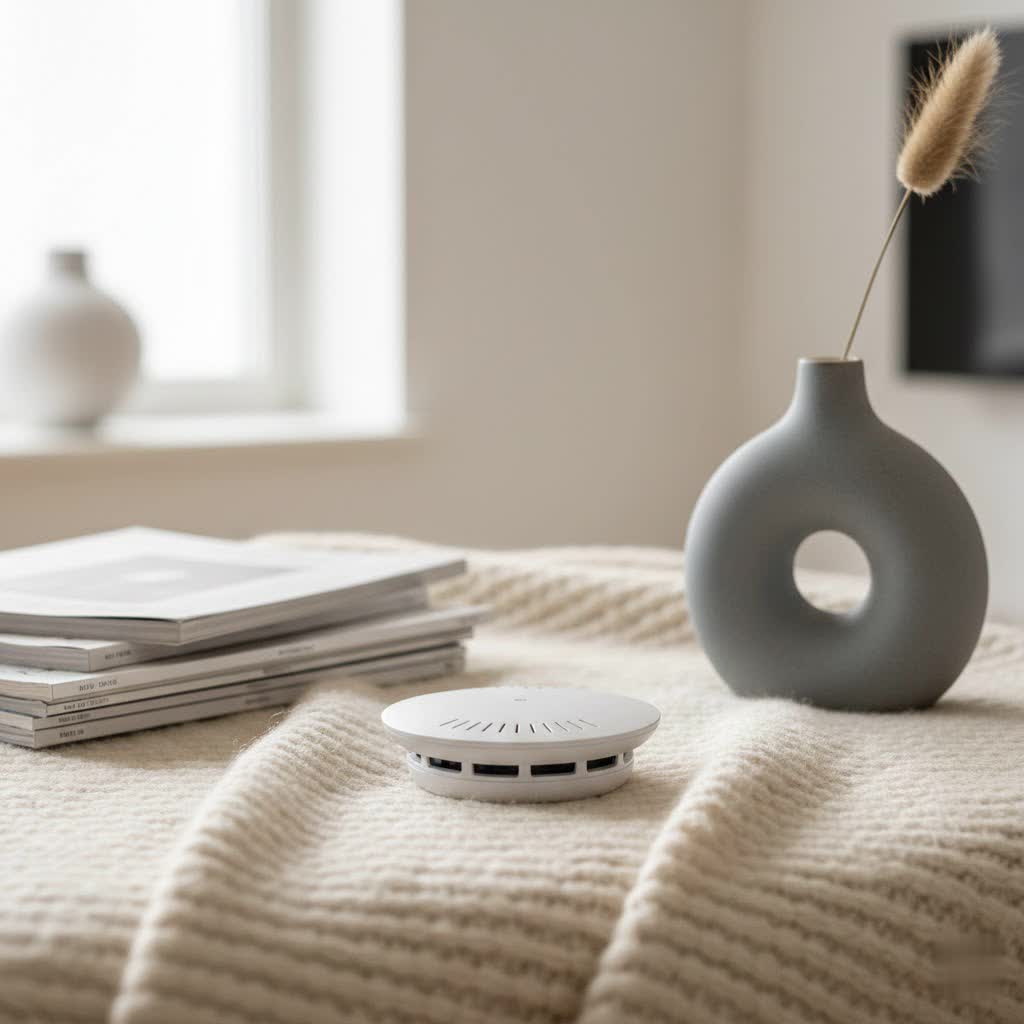
A smart smoke detector is far more than just an alarm. It’s an intelligent, connected device designed to detect early signs of smoke and fire, often integrating carbon monoxide (CO) detection, and providing advanced functionalities that surpass conventional alarms. These devices leverage your home’s Wi-Fi network or other smart home protocols to communicate critical information in real-time.
Traditional smoke alarms simply sound a loud siren when danger is detected, assuming you are home to hear it. A smart smoke detector, however, can send instant notifications directly to your smartphone, providing you with vital information even when you’re away. This immediate communication is crucial, as fire can become life-threatening in mere moments, leaving only a couple of minutes for safe evacuation. By offering early warning and remote alerts, smart smoke detectors significantly enhance your ability to protect your family and property.
Traditional vs. Smart Smoke Detectors: A Clear Difference
The leap from traditional to smart smoke detectors is a significant one, offering a superior layer of safety and convenience. Here’s a comparison to highlight the key differences:
| Feature | Traditional Smoke Detector | Smart Smoke Detector |
|---|---|---|
| Detection | Basic smoke and heat | Advanced multi-sensor (photoelectric, ionization, CO, heat, humidity) |
| Alerts | Local audible siren only | Local siren, voice alerts, and remote smartphone notifications |
| Interconnectivity | Often standalone; hardwired systems link but lack remote features | Wireless interconnected systems; all alarms sound together, remote silencing |
| Maintenance | Manual testing; annoying low-battery chirps | Self-testing, app-based battery status, remote diagnostics |
| False Alarms | More prone to nuisance alarms from cooking/steam | Reduced frequency due to advanced sensors; app-based silencing |
| Integration | None | Integrates with smart home ecosystems (Google Home, Alexa, HomeKit) |
While traditional alarms perform their basic function, smart detectors provide an “extra layer of safety and security” by keeping you informed and in control, regardless of your location.
Types of Smart Smoke Detector Sensors
Smart smoke detectors often utilize advanced sensing technologies, sometimes combining multiple types to offer comprehensive protection. Understanding these sensors helps you choose the best fit for different areas of your home.
Photoelectric Smart Detectors
Photoelectric sensors are particularly adept at detecting slow, smoldering fires, which often produce a lot of visible smoke before bursting into flame. These fires can originate from items like upholstered furniture, mattresses, or electrical wiring. They work by detecting light scattering from smoke particles entering a chamber.
- Advantages:
- Excellent for detecting smoldering fires.
- Generally less prone to false alarms caused by cooking fumes or steam.
- Disadvantages:
- May react slower to fast-flaming fires that produce less visible smoke initially.
|
Our Picks for the Best Smoke Detector in 2026
We may earn a commission when you use one of our links to make a purchase.
|
||
| Num | Product | Action |
|---|---|---|
| 1 | 6 in 1 Plug in Smoke and Carbon Monoxide Detector Combo, Portable Smoke, Gas & CO Detector with Battery Operated, Temp, Humidity - Smoke Alarm Carbon Monoxide Natural Gas Leak Detector for Home, RV |

|
| 2 | First Alert SMI100, Battery-Operated Smoke Alarm, 2-Pack |
|
| 3 | First Alert SMI100-AC, Hardwire Interconnect Smoke Alarm with Battery Backup, 6-Pack |
|
| 4 | 4-in-1 Gas & Carbon Monoxide Detector, Plug-in & Battery Powered – Multi-Gas Protection, Accurate CO, Temperature & Humidity Monitoring, LCD Display, Adjustable Brightness, Sensitive Alarm |
|
| 5 | Smoke Alarm Fire Detector,Battery Operated Photoelectric Smoke Detector with Test Button and Low Battery Warning, Fire Alarms Smoke Detectors for Home, 6 Pack |
|
| 6 | Kidde Hardwired Smoke & Carbon Monoxide Detector, AA Battery Backup Smoke Alarm, Interconnectable, LED Warning Light Indicators, 2 Pack |
|
| 7 | Kidde Hardwired Smoke Detector, AA Battery Backup, Interconnectable, LED Warning Light Indicators, 4 Pack |
|
| 8 | First Alert SMI100, Battery-Operated Smoke Alarm, 3-Pack |
|
| 9 | Kidde Smoke Detector, 10-Year Battery Powered, LED Warning Light Indicators |
|
| 10 | 3 Pack 10 Year Battery Operated Smoke and Carbon Monoxide Detector, Portable Fire Co Alarm for Home and Kitchen (White) |
|
Ionization Smart Detectors
Ionization smoke detectors are designed to detect fast-flaming fires, which consume combustible materials rapidly and produce small, invisible smoke particles. These could be grease fires or fires involving highly flammable liquids. They contain a small amount of radioactive material that ionizes the air between two electrically charged plates. Smoke disrupts this current, triggering the alarm.
- Advantages:
- Quickly detect fast-flaming fires.
- Disadvantages:
- More susceptible to nuisance alarms from common activities like cooking or steam from showers.
Dual-Sensor and Combination Smart Detectors
Many modern smart smoke detectors feature dual-sensor technology, combining both photoelectric and ionization sensors to provide the best of both worlds. Furthermore, combination alarms go a step further by integrating a carbon monoxide (CO) detector and often a heat sensor into a single unit.
- Advantages:
- Offers comprehensive detection for both smoldering and flaming fires.
- Provides protection against the silent killer, carbon monoxide.
- Often includes humidity sensors to further reduce false alarms from steam.
- Many include temperature monitoring for additional safety insights.
- Disadvantages:
- Typically come with a higher price point due to their advanced capabilities.
For most homeowners, dual-sensor and combination smart detectors are the recommended choice for their all-encompassing protection and reduced false alarm rates.
Key Features to Look for in a Smart Smoke Detector
When considering an upgrade to smart smoke detection, several features differentiate the best devices on the market. These innovations are designed to maximize safety, convenience, and peace of mind.
Remote Notifications & App Control: The cornerstone of smart detectors, this feature ensures you receive real-time alerts on your smartphone or tablet when smoke or CO is detected, no matter where you are. The accompanying app also allows you to monitor device status, battery life, and often provides a history of events.
Wireless Interconnectivity & Voice Alerts with Location: If one smart alarm detects smoke, all other interconnected alarms in your home will sound the alert. Many advanced models go beyond a simple beep, offering clear voice alerts that specify the type of danger and its exact location (e.g., “Warning! Smoke detected in the kitchen!”). Studies show that children respond faster to human voices than to generic alarm sounds.
Self-Testing & Long-Life Batteries: Say goodbye to those irritating midnight chirps from dying batteries. Smart detectors often perform automatic daily or weekly self-checks of their sensors and battery levels, notifying you via the app well in advance if maintenance is needed. Many come with sealed 10-year batteries, eliminating the need for frequent replacements.
Smart Home Integration: Modern smart smoke detectors seamlessly integrate with popular smart home ecosystems like Google Home, Amazon Alexa, and Apple HomeKit. This allows for advanced automations, such as flashing smart lights during an alarm to aid evacuation, or shutting down HVAC systems to prevent smoke spread.
False Alarm Reduction & Silencing: Advanced algorithms and humidity sensors in smart detectors help distinguish between actual threats and nuisance alarms caused by cooking fumes or steam. If a false alarm does occur, you can often silence it directly from your smartphone app, avoiding the need for a ladder or frantic waving.
Additional Sensors: Some premium smart detectors offer extra layers of monitoring, including temperature, humidity, and even motion detection, providing a more comprehensive overview of your home environment. A select few can also detect natural gas leaks.
Certifications: Always look for recognized safety certifications like UL (Underwriters Laboratories) in North America or EN (European Norms) in Europe. These certifications ensure the device meets stringent safety and performance standards.
Choosing the Right Smart Smoke Detector for Your Home (Buying Guide)
Selecting the ideal smart smoke detector involves more than just picking the first one you see. It requires a thoughtful assessment of your specific needs and the features that matter most to you.
Assess Your Home’s Needs
- Size and Layout: Consider the total area of your home, the number of levels, and the separation of sleeping areas. Larger homes or multi-story residences will benefit immensely from interconnected systems.
- Potential Fire Risks: Identify high-risk areas like the kitchen, laundry room, or areas with fireplaces. Dual-sensor or combination alarms are often best for these zones.
- Existing Smart Home Ecosystem: If you already have smart devices, choose a smoke detector that integrates seamlessly with your current hub or platform (e.g., Google Nest, Apple HomeKit, Amazon Alexa).
- Budget: Smart smoke detectors range in price, with combination and feature-rich models typically at the higher end. Determine what features are essential versus desirable within your budget.
Important Buying Considerations
- Sensor Type: For optimal protection against various fire types and reduced false alarms, prioritize dual-sensor or combination smoke and CO detectors.
- Connectivity: Ensure the detector supports reliable wireless connectivity (Wi-Fi, Zigbee, Z-Wave) compatible with your home network and smart hub.
- Power Source: Decide between hardwired models with battery backup (for continuous power) or battery-powered units with long-life batteries (for easier installation and protection during power outages).
- Smart Home Integration: Verify compatibility with your preferred smart home platform for seamless automation and centralized control.
- Ease of Installation and Maintenance: Look for models with clear instructions and user-friendly apps. Self-testing features and long battery life will simplify maintenance.
- Certifications: Always confirm that the device carries reputable safety certifications like UL 217 or EN 14604.
- Warranty and Customer Support: A good warranty and responsive customer support are crucial for long-term reliability.
Top Smart Smoke Detectors on the Market
While specific models evolve, here’s a general overview of what you can expect across different segments:
- High-End: Devices like the Google Nest Protect are often lauded for their advanced dual-sensor technology, carbon monoxide detection, voice alerts with location, pathlight feature, robust app control, and seamless integration with other Nest products. They represent a comprehensive safety solution.
- Mid-Range: Options from brands like X-Sense and First Alert offer excellent value, providing wireless interconnectivity, remote notifications, and often voice alerts. These are ideal for building a connected system across your home without the premium price tag.
- Budget-Friendly / Retrofit: For those with existing “dumb” smoke detectors, smart listeners can integrate them into a smart home system, providing remote alerts without replacing all units. Some smart batteries can also convert traditional hardwired alarms into smart devices.
Optimal Placement and Installation of Smart Smoke Detectors
Proper placement and installation are critical for your smart smoke detector to function effectively and provide maximum protection.
Where to Install
- Every Level: Install at least one smart smoke detector on every level of your home, including the basement.
- Bedrooms: Place one inside every bedroom. According to the National Fire Protection Association (NFPA), the majority of fatalities from home fires occur in a different room than where the fire started, emphasizing the need for widespread detection.
- Hallways: Install in hallways outside sleeping areas. If a hallway is longer than 30 feet, consider two detectors.
- Common Areas: Place in living rooms, family rooms, or dens.
- Ceiling Placement: Ideally, mount detectors on the ceiling, centrally in the room or hallway. If wall-mounted, ensure it’s 4 to 12 inches from the ceiling, but not closer than 4 inches to any adjacent wall.
Where to Avoid
- Near Kitchens and Bathrooms: Steam from cooking or showers can trigger nuisance alarms. Keep detectors at least 10 feet away from cooking appliances.
- Garages: Vehicle exhaust can cause false alarms.
- Near Vents, Windows, and Fans: Drafts can interfere with smoke reaching the sensor.
- Peaked or Gabled Ceilings: Smoke tends to collect in the highest point of a peaked ceiling, but a detector placed there might not detect smoke early enough. Install them on the highest flat part of the ceiling or on a wall nearby.
- In Direct Sunlight: Can impact sensor performance.
Step-by-Step Installation Guide (General)
While specific instructions may vary by model, the general process is straightforward:
- Read the Manual: Always start by thoroughly reading the manufacturer’s installation guide.
- Choose Location: Select an optimal location based on the guidelines above.
- Prepare Mounting: For battery-powered units, twist the detector off its mounting base. For hardwired units, ensure power is off at the circuit breaker.
- Mark and Drill: Hold the mounting base against the ceiling or wall and mark the screw holes. Drill pilot holes if necessary.
- Mount Baseplate: Secure the mounting base with the provided screws.
- Insert Batteries: If it’s a battery-powered unit, insert the recommended batteries (often included). For hardwired units, connect the wiring according to instructions.
- Attach Detector: Twist the detector onto the mounted baseplate until it clicks securely into place.
- Test the Alarm: Press and hold the test button on the device. All interconnected alarms should sound.
- Connect to App: Follow the manufacturer’s app instructions to connect your smart detector to your home Wi-Fi and smart home system.
Maintaining Your Smart Smoke Detector for Peak Performance
Even with advanced self-testing features, smart smoke detectors still require some basic maintenance to ensure they operate at peak efficiency for years to come.
Regular Testing: While many smart detectors perform automated self-checks, it’s still wise to manually test your alarms monthly by pressing the test button. Verify that all interconnected alarms sound. You should also check the battery status via your smartphone app regularly.
Cleaning: Dust and debris can accumulate in the sensor chambers, potentially affecting performance or causing false alarms. Gently vacuum around the vents or wipe the exterior with a soft, damp cloth at least twice a year. Never use cleaning sprays directly on the unit.
Battery Maintenance: For models with replaceable batteries, replace them immediately when the app or device indicates a low battery. For sealed 10-year battery units, you’ll simply replace the entire unit at its end-of-life.
Firmware Updates: Smart devices often receive firmware updates that improve performance, add new features, or patch security vulnerabilities. Ensure your detectors are connected to Wi-Fi and set to receive automatic updates, or manually update them through the app as prompted.
End-of-Life Replacement: Smoke detectors, both traditional and smart, have a lifespan of approximately 10 years. After this period, their sensors can degrade, becoming less reliable. Your smart detector’s app will typically notify you when it’s time for a full replacement.
Safety Standards and Certifications for Smart Smoke Detectors
When choosing any life-safety device for your home, understanding and verifying adherence to safety standards is paramount. For smoke detectors, these certifications assure you that the product has undergone rigorous testing and meets specific performance and reliability benchmarks.
In North America, look for the UL 217 (Standard for Safety for Single and Multiple Station Smoke Alarms) certification. In Europe, the relevant standard is EN 14604. These certifications confirm that the smoke detector:
- Detects smoke effectively: It responds within a specified timeframe to different types of smoke.
- Sounds a clear alarm: The siren is loud enough to wake occupants.
- Is durable: It can withstand environmental factors like temperature and humidity variations.
- Operates reliably: It consistently performs its function over its intended lifespan.
Always ensure the smart smoke detector you choose carries one of these recognized marks from an independent testing laboratory. This isn’t just a label; it’s a guarantee of a product designed and tested to keep you safe.
Conclusion
The world of home safety has been revolutionized by smart smoke detectors. Moving beyond the loud, often startling, alerts of traditional models, these intelligent devices offer an advanced, proactive approach to protecting your home and loved ones. With features like remote notifications, voice alerts, self-testing, and seamless smart home integration, they provide an unparalleled level of awareness and control.
Investing in a smart smoke detector isn’t just about complying with safety regulations; it’s about embracing peace of mind. You’re not only getting early warning of potential dangers but also the ability to respond intelligently, even when you’re not physically present. As technology continues to evolve, our commitment to safety should evolve with it. Upgrade your home’s fire protection today and experience the next generation of home safety. Are you ready to make your home smarter and safer?
Câu Hỏi Thường Gặp
How often should I test my smart smoke detector?
You should test your smart smoke detector manually once a month by pressing the test button. Many smart detectors also perform automatic self-checks daily or weekly, and their accompanying apps will notify you of their status or any issues.
Can smart smoke detectors reduce false alarms?
Yes, many smart smoke detectors feature advanced sensing technologies, such as dual-sensors and humidity sensors, which help them differentiate between actual smoke and nuisance alarms caused by cooking fumes or steam, significantly reducing false alarms.
Do smart smoke detectors work during a power outage?
Most smart smoke detectors are either battery-powered or hardwired with a battery backup. This ensures that they continue to operate and provide local alarms even during a power outage. However, remote notifications and smart home integrations might be affected if your Wi-Fi network is down.
What’s the difference between a smoke detector and a carbon monoxide detector?
A smoke detector detects the presence of smoke, indicating a fire. A carbon monoxide (CO) detector senses carbon monoxide, an odorless, colorless, and poisonous gas produced by incomplete combustion. Many smart devices are “combination” detectors that include both smoke and CO detection.
Can I integrate a smart smoke detector with my existing smart home system?
Yes, many smart smoke detectors are designed for seamless integration with popular smart home ecosystems like Google Home, Amazon Alexa, Apple HomeKit, Zigbee, or Z-Wave. Always check the product specifications for compatibility with your specific smart home hub or platform.