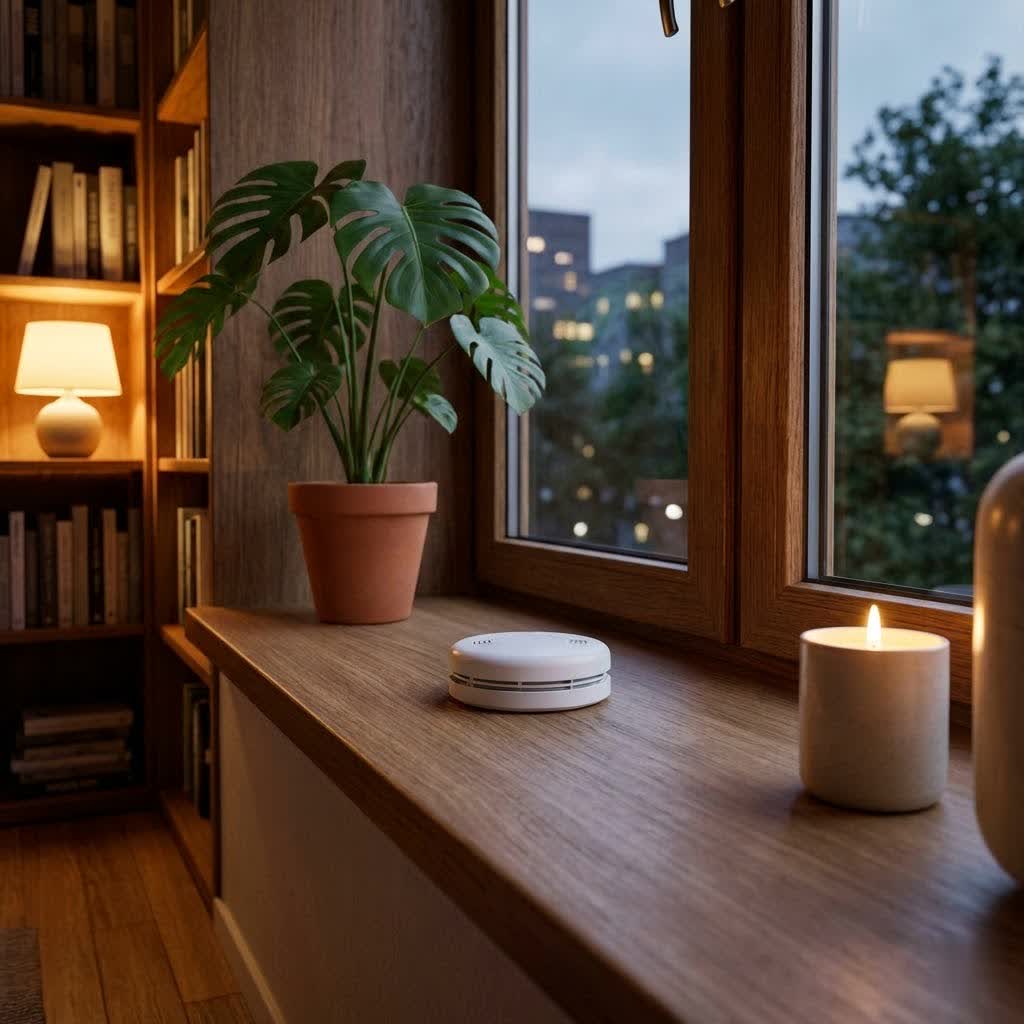
The air in your home should be a haven, but hidden dangers like smoke and carbon monoxide can turn it toxic without warning. As an experienced technician, I’ve seen firsthand how crucial early detection is. These silent threats claim lives and cause immense damage every year, yet many homes remain inadequately protected. This comprehensive guide will arm you with the knowledge to understand, choose, install, and maintain the perfect Smoke And Monoxide Detectors for your peace of mind. Let’s delve into the world of these essential safety devices and safeguard your living space.

What Are Smoke and Monoxide Detectors? Why Are They Essential?
At their core, smoke and monoxide detectors are guardians designed to alert you to airborne hazards that could jeopardize your family’s safety. A smoke detector is engineered to detect the presence of smoke, a primary indicator of fire. Fires can quickly escalate, and early warning provides precious time for evacuation. Meanwhile, a carbon monoxide (CO) detector is a specialized device that identifies dangerous levels of carbon monoxide, often dubbed the “invisible killer” because it is a colorless, odorless, and tasteless gas produced by incomplete combustion. Common sources include faulty furnaces, gas appliances, fireplaces, and car exhaust in attached garages.
The importance of these devices cannot be overstated. Statistics from the U.S. Fire Administration reveal that three out of five home fire deaths result from fires in properties without working smoke alarms. Similarly, carbon monoxide poisoning leads to thousands of emergency room visits and hundreds of deaths annually. Both devices operate on principles that sense changes in air composition, triggering a loud alarm to ensure you and your loved ones can react promptly. Understanding these mechanisms is the first step towards creating a truly safe home environment.
Types of Smoke Detectors: Pros and Cons
Not all smoke detectors are created equal; they utilize different sensing technologies optimized for various fire types. Knowing these distinctions is vital for effective home protection.
Photoelectric Smoke Detectors
Photoelectric smoke detectors work by aiming a light source into a sensing chamber away from a sensor. When smoke enters the chamber, it scatters the light, directing it onto the sensor and triggering the alarm.
- Pros: Highly effective at detecting slow, smoldering fires that produce a lot of smoke but little flame, such as those caused by cigarettes or electrical shorts. They are also less prone to false alarms from cooking fumes compared to ionization detectors.
- Cons: May be slower to respond to fast-flaming fires that produce less visible smoke. Can still be susceptible to nuisance alarms from excessive dust or steam if placed incorrectly.
|
Our Picks for the Best Smoke Detector in 2026
We may earn a commission when you use one of our links to make a purchase.
|
||
| Num | Product | Action |
|---|---|---|
| 1 | First Alert SMI100-AC, Hardwire Interconnect Smoke Alarm with Battery Backup, 6-Pack |

|
| 2 | First Alert SMI100, Battery-Operated Smoke Alarm, 2-Pack |
|
| 3 | 3 Pack 10 Year Battery Operated Smoke and Carbon Monoxide Detector, Portable Fire Co Alarm for Home and Kitchen (White) |
|
| 4 | 4-in-1 Gas & Carbon Monoxide Detector, Plug-in & Battery Powered – Multi-Gas Protection, Accurate CO, Temperature & Humidity Monitoring, LCD Display, Adjustable Brightness, Sensitive Alarm |
|
| 5 | First Alert SMI100, Battery-Operated Smoke Alarm, 3-Pack |
|
| 6 | Smoke Alarm Fire Detector,Battery Operated Photoelectric Smoke Detector with Test Button and Low Battery Warning, Fire Alarms Smoke Detectors for Home, 6 Pack |
|
| 7 | Kidde Hardwired Smoke & Carbon Monoxide Detector, AA Battery Backup Smoke Alarm, Interconnectable, LED Warning Light Indicators, 2 Pack |
|
| 8 | 6 in 1 Plug in Smoke and Carbon Monoxide Detector Combo, Portable Smoke, Gas & CO Detector with Battery Operated, Temp, Humidity - Smoke Alarm Carbon Monoxide Natural Gas Leak Detector for Home, RV |
|
| 9 | Kidde Smoke Detector, 10-Year Battery Powered, LED Warning Light Indicators |
|
| 10 | Kidde Hardwired Smoke Detector, AA Battery Backup, Interconnectable, LED Warning Light Indicators, 4 Pack |
|
Ionization Smoke Detectors
Ionization smoke detectors contain a small amount of radioactive material between two electrically charged plates, creating a continuous electric current. When smoke particles enter the chamber, they disrupt this current, causing the alarm to sound.
- Pros: Generally more responsive to fast-flaming fires that generate small, hot smoke particles rapidly. Often more affordable than other types.
- Cons: Can be highly prone to nuisance alarms from everyday cooking activities, steam from bathrooms, or even dust. They also contain a minute amount of radioactive material, which can be a minor environmental concern during disposal, though typically safe in use.
Dual-Sensor Smoke Detectors
Dual-sensor smoke detectors combine both photoelectric and ionization technologies into a single unit. This design leverages the strengths of both sensor types, aiming to provide more comprehensive protection.
- Pros: Offers balanced detection capabilities, responding effectively to both smoldering and fast-flaming fires. This versatility reduces the guesswork in choosing the right type for specific areas.
- Cons: Typically have a higher upfront cost than single-sensor models.
Understanding Carbon Monoxide Detectors: How They Work
Carbon monoxide detectors are specialized to detect the presence of CO gas, a byproduct of incomplete combustion. This gas is especially dangerous because it replaces oxygen in the bloodstream, leading to poisoning, which can cause symptoms like headaches, dizziness, nausea, and eventually unconsciousness or death.
The most common type of CO detector uses electrochemical sensors. These sensors consist of electrodes immersed in an electrically conductive solution. When carbon monoxide gas enters the sensor, it reacts chemically, causing a change in the electrical current. The detector then measures this change, and if the CO concentration (measured in parts per million, or ppm) reaches a hazardous level for a specific duration, it triggers an audible alarm. For example, sustained exposure to 70 ppm of CO over several hours or concentrations exceeding 400 ppm in just a few minutes will activate the alarm, providing crucial time to evacuate. Some advanced detectors may also use metal oxide semiconductor (MOS) sensors, which detect CO by monitoring changes in electrical resistance when the gas interacts with a specialized chip.
Combination Smoke and Monoxide Detectors: A Dual Shield
To offer maximum protection and convenience, manufacturers developed combination smoke and monoxide detectors. These units integrate both smoke and carbon monoxide sensing technologies into a single device. This means one alarm can monitor your home for both fire and CO gas, simplifying installation and reducing the number of devices needed.
The primary benefit of a combined unit is its dual-purpose capability, saving space and potentially installation effort. While they provide comprehensive coverage, some experts suggest separate units for optimal placement if your home’s layout presents unique challenges, as the ideal mounting height for CO (which mixes evenly with air) can differ slightly from smoke (which rises). However, most combination units are designed for high wall or ceiling placement, effectively covering both threats in critical areas like hallways and bedrooms.
Detailed Comparison Table: Smoke and Monoxide Detector Types
| Feature | Photoelectric Smoke Detector | Ionization Smoke Detector | Dual-Sensor Smoke Detector | Electrochemical CO Detector |
|---|---|---|---|---|
| Primary Detection | Visible smoke particles | Invisible combustion particles | Both visible and invisible particles | Carbon Monoxide (CO) gas |
| Best For | Slow, smoldering fires (e.g., electrical, couches) | Fast-flaming fires (e.g., grease, paper) | All types of fires | Carbon monoxide leaks from fuel-burning appliances |
| Nuisance Alarm Risk | Low (less sensitive to cooking smoke/steam) | High (sensitive to cooking smoke/steam) | Moderate (algorithms often reduce false alarms) | Low (specific to CO detection) |
| Response Time | Faster for smoldering | Faster for flaming | Balanced, good for both | Reacts to specific CO concentrations/duration |
| Typical Cost | Moderate | Low | High | Moderate |
| Key Sensor Technology | Light beam and sensor | Radioactive source and ionized air current | Both light-based and ionized current | Electrodes and electrolyte solution |
How to Choose the Right Smoke and Monoxide Detector (Buying Guide)
Selecting the appropriate detectors is a critical decision for your home’s safety. Consider these factors to make an informed choice.
Assessing Your Needs
Before purchasing, evaluate your home’s specifics:
- Space: The number of detectors needed will depend on your home’s size and number of levels and bedrooms.
- Fuel Sources: Identify any fuel-burning appliances (furnace, water heater, gas stove, fireplace) and attached garages, as these are primary sources of CO.
- Budget: Prices vary, but safety should be the priority.
- Local Building Codes: Always consult your local authority having jurisdiction (AHJ), often your fire department or building department, as codes dictate requirements for placement, type, and power source (e.g., hardwired vs. battery).
Crucial Selection Criteria
- Certifications (UL, EN): Look for certifications from recognized testing laboratories like Underwriters Laboratories (UL) in the U.S. or EN standards in Europe. These marks ensure the product has undergone rigorous testing and meets safety and performance regulations.
- Power Source:
- Battery-Powered: Easiest to install, offering flexibility in placement. Requires regular battery replacement (typically annually) or comes with a sealed 10-year battery.
- Hardwired with Battery Backup: Connects directly to your home’s electrical system, with a battery backup for power outages. This is often required by building codes for new constructions or major renovations and provides higher reliability.
- Interconnectivity: Alarms that are interconnected (either wired or wirelessly) communicate with each other. If one detects a threat, all alarms in the system will sound, providing earlier and more widespread alerts, especially beneficial in larger homes or if bedroom doors are closed at night.
- Smart Features and Voice Alerts: Modern detectors offer smart home integration, connecting to your Wi-Fi to send alerts to your smartphone, even when you’re away. Some include voice alerts that verbally announce the type of danger (e.g., “Fire!” or “Carbon Monoxide!”) and its location, which can be invaluable during an emergency.
- End-of-Life Indicators: Detectors have a lifespan, typically 10 years for smoke alarms and 5-7 years for CO or combination alarms. An end-of-life warning signal will alert you when it’s time to replace the entire unit, not just the battery.
- Ease of Installation and Maintenance: Choose models that are easy to install and maintain. Features like quick-mount brackets and easily accessible battery compartments simplify upkeep.
Optimal Placement for Smoke and Monoxide Detectors
Strategic placement is as important as choosing the right detector. Following guidelines ensures maximum effectiveness.
General Rules for Both Smoke and CO Detectors:
- Every Level: Install at least one detector on every level of your home, including the basement and finished attic.
- Sleeping Areas: Place detectors inside every bedroom and in the hallway or area immediately outside each sleeping area. If hallways are longer than 40 feet, consider placing units at both ends.
- Stairways: Install at the top of stairways leading to an upper floor and at the bottom of stairways leading to a basement.
Specifics for Smoke Detectors:
- High Placement: Mount smoke alarms high on walls (within 12 inches of the ceiling) or on ceilings (at least 6 inches from any wall). Smoke rises, making these optimal locations.
- Avoid Nuisance Areas: Keep smoke detectors at least 10-20 feet away from cooking appliances to prevent false alarms from cooking fumes. Photoelectric detectors can generally be placed closer (around 10 feet) than ionization types. Avoid bathrooms with showers, garages, and areas with high dust or humidity, which can trigger false alarms.
Specifics for Carbon Monoxide Detectors:
- Near Bedrooms and Appliances: Place CO detectors within 10 feet of each bedroom door and near or above attached garages. Also, ensure they are at least 5 to 15 feet away from fuel-burning appliances.
- Height Considerations: While CO mixes evenly with air, combination alarms are typically mounted high on walls or ceilings, similar to smoke detectors. For dedicated CO alarms, some manufacturers recommend placement anywhere from 6 inches below the ceiling to 6 inches above the floor, or according to manufacturer guidelines for specific models.
- Avoid Obstructions: Ensure no furniture or drapes block the detector, preventing proper air circulation.
Installation and Maintenance Guide
Proper installation and ongoing maintenance are crucial for the long-term effectiveness of your detectors.
Installation Steps (General)
- Read the Manual: Always begin by reading the manufacturer’s specific instructions.
- Choose Location: Select optimal locations based on the guidelines above and local codes.
- Mount Bracket: Secure the mounting bracket to the wall or ceiling using screws provided.
- Connect Power (Hardwired): If hardwired, connect the electrical wires according to the diagram. Ensure power is off at the breaker first.
- Insert Batteries: For battery-powered units, insert fresh batteries. For hardwired units, install the battery backup.
- Attach Detector: Twist or snap the detector onto the mounting bracket.
- Test: Press the test button until the alarm sounds. For interconnected systems, ensure all alarms sound.
Regular Maintenance
- Test Monthly: Press the “Test” button on each detector monthly to ensure the alarm sounds and the unit is receiving power. For interconnected systems, verify all alarms activate.
- Clean Monthly: Gently vacuum or wipe the outside of the detector with a soft cloth to remove dust and debris that can interfere with sensors and cause false alarms. Do not use cleaning solvents.
- Replace Batteries Annually: For battery-powered units with replaceable batteries, change them at least once a year. A good reminder is to change them when you change your clocks for Daylight Saving Time.
- Replace Unit at End-of-Life: All detectors have an expiration date (typically stamped on the back). Replace the entire unit every 10 years for smoke alarms and every 5-7 years for CO or combination alarms, even if they appear to be working. Sensors degrade over time.
- Handle False Alarms: If a false alarm occurs (e.g., from cooking), use the hush button to temporarily silence it. Ventilate the area, and never remove batteries without replacing them immediately.
“A smoke and carbon monoxide alarm is your first line of defense. Its proper function depends not just on its quality, but also on correct placement and diligent maintenance.” – John Smith, Senior Fire Safety Engineer
Safety Standards and Certifications for Smoke and Monoxide Detectors
To ensure you are purchasing reliable and effective safety devices, understanding the various safety standards and certifications is essential. These certifications indicate that products have been independently tested and meet stringent safety and performance requirements.
In the United States, key standards include:
- UL 217: The standard for smoke alarms.
- UL 2034: The standard for single and multiple station carbon monoxide alarms.
- NFPA 72: The National Fire Alarm and Signaling Code provides comprehensive guidelines for the application, installation, location, performance, inspection, testing, and maintenance of fire alarm systems and carbon monoxide alarms in homes and commercial buildings.
In Europe, look for the EN 14604 standard for smoke alarms and EN 50291 for carbon monoxide alarms.
When a product carries a mark from organizations like UL (Underwriters Laboratories) or ETL, it signifies that it has undergone rigorous testing. Always check for these labels on the packaging and the device itself. Choosing certified products provides assurance of their reliability and adherence to established safety benchmarks.
Conclusion
Investing in high-quality smoke and monoxide detectors, along with proper installation and consistent maintenance, is one of the most impactful steps you can take to protect your home and loved ones. These devices are more than just alarms; they are vigilant sentinels against unseen threats, providing the critical early warning that can literally save lives and property. Don’t wait for a tragedy to strike; empower your home with the safety it deserves. Are you confident your home is fully protected against the silent killers of smoke and carbon monoxide?
Frequently Asked Questions
How often should I replace my smoke and monoxide detectors?
Smoke alarms should generally be replaced every 10 years from their manufacture date, while carbon monoxide and combination alarms typically need replacement every 5-7 years. Always check the specific manufacturer’s date and recommendations on the back of your unit.
Can I place a smoke detector in the kitchen?
It’s generally not recommended to place a smoke detector directly in the kitchen due to frequent false alarms from cooking fumes. Instead, install a photoelectric or dual-sensor smoke alarm at least 10-20 feet away from cooking appliances, typically in an adjacent hallway or dining area.
Are smart smoke and CO detectors worth the investment?
Yes, smart detectors offer enhanced safety features like remote notifications to your smartphone, integration with other smart home systems, and sometimes voice alerts for specific danger identification. These features can provide critical information even when you’re away from home, making them a worthwhile investment for many homeowners.
What are the early signs of carbon monoxide poisoning?
Early symptoms of carbon monoxide poisoning can mimic the flu and include headaches, dizziness, nausea, fatigue, and shortness of breath. Prolonged exposure can lead to confusion, vomiting, loss of muscle control, unconsciousness, and even death. If you suspect CO poisoning, immediately move to fresh air and seek medical attention.