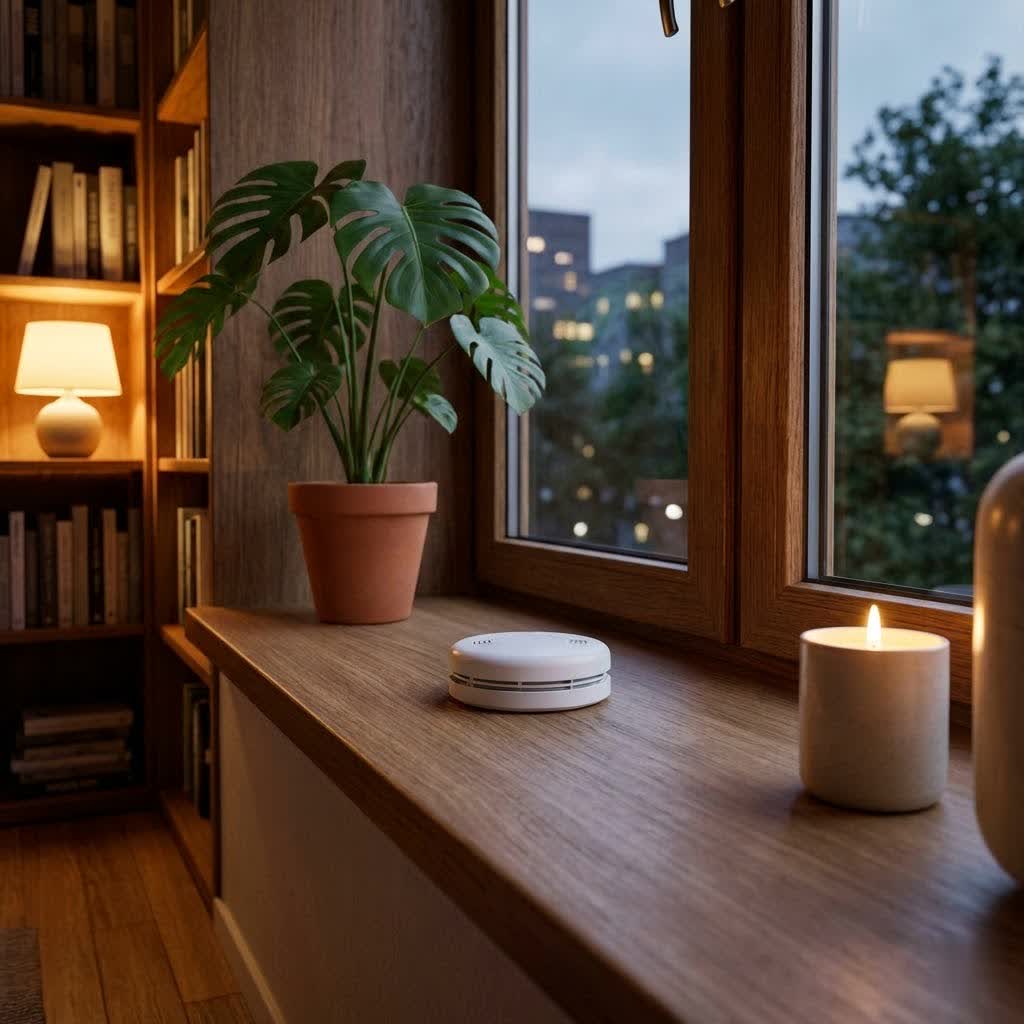
Has the thought of a house fire ever sent a shiver down your spine? It’s a terrifying prospect, but with the right House Smoke Detector, you can dramatically increase your safety and peace of mind. As someone who has spent over a decade working with fire safety equipment, especially smoke detectors, I’ve seen firsthand how these incredible devices have evolved from basic alarms into sophisticated, life-saving systems. This comprehensive guide will walk you through everything you need to know about selecting, installing, and maintaining the ideal smoke detector for your home. Let’s explore the world of house smoke detectors together and empower you to make an informed decision for ultimate home safety.
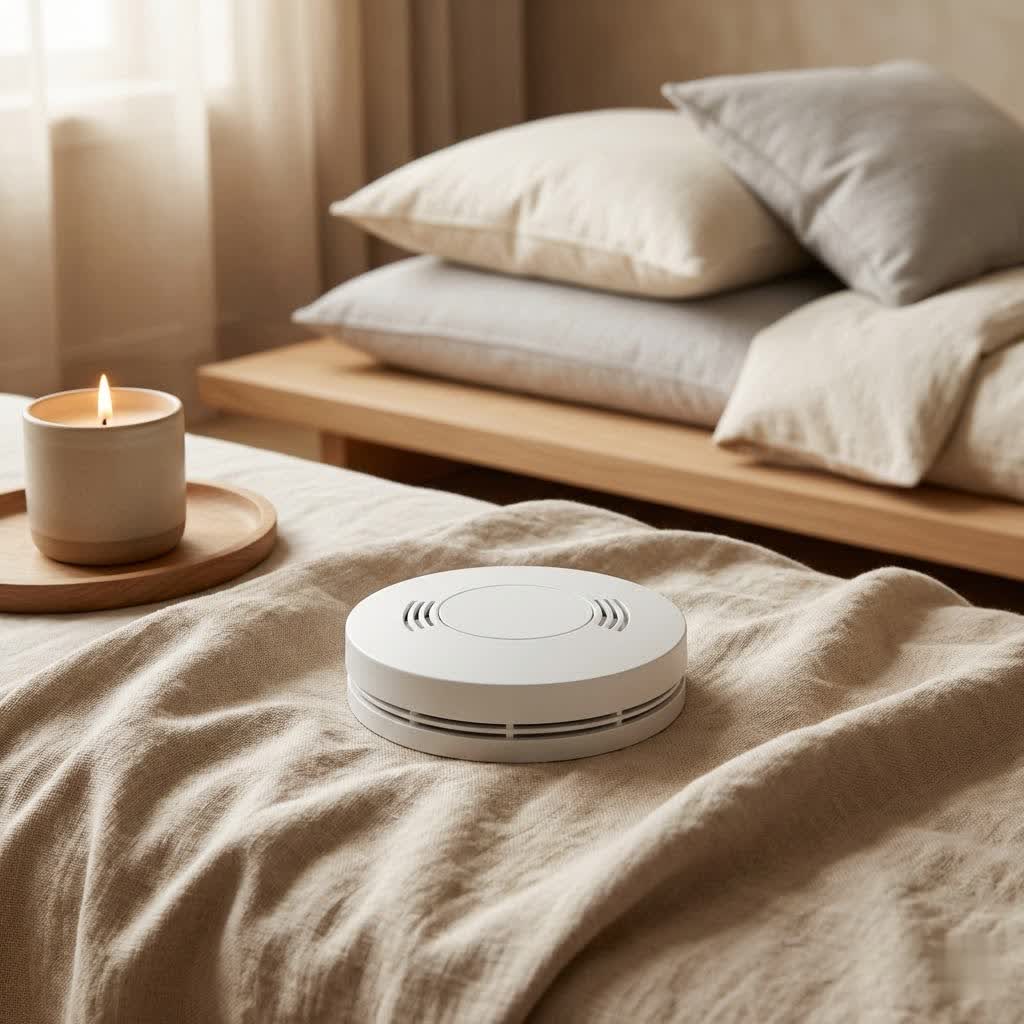
What is a Smoke Detector? Why is it Essential?
A house smoke detector is a crucial safety device designed to detect the presence of smoke, a primary indicator of fire, and alert occupants with an audible alarm and sometimes visual signals. At its core, a smoke detector acts as an early warning system, giving you and your family precious time to evacuate safely before a small fire escalates into a catastrophic blaze.
The fundamental principle behind most smoke detectors involves either sensing ionized particles in the air or detecting scattered light caused by smoke. This seemingly simple technology is incredibly powerful. Statistics consistently show that working smoke alarms significantly reduce the risk of dying in a home fire. With modern home furnishings often igniting and spreading fires much faster than in previous decades, early detection is more critical than ever. Installing smoke detectors throughout your home is not just a recommendation; it’s a vital step towards safeguarding lives and property.
Today’s market offers several types of smoke detectors, each employing different technologies to sense smoke. Understanding these distinctions is key to choosing the most effective protection for various areas of your home. The main categories include photoelectric, ionization, and dual-sensor detectors, with some advanced models even integrating carbon monoxide detection and smart home capabilities.
Classifying Smoke Detectors: Pros and Cons
Choosing the right smoke detector often depends on understanding how each type operates and its strengths in detecting different kinds of fires.
Photoelectric Smoke Detectors
Photoelectric smoke detectors are designed to be particularly effective at detecting smoldering fires. These types of fires often start small, producing a significant amount of thick, dark smoke for a period before bursting into flames.
- Advantages: They excel at sensing large smoke particles typically generated by smoldering fires, such as those from upholstered furniture or electrical wiring issues. Photoelectric detectors are generally less prone to nuisance alarms caused by minor cooking fumes compared to ionization alarms, especially if properly placed.
- Disadvantages: While excellent for smoldering fires, they can be slower to respond to fast-flaming fires that produce less visible smoke initially. They can also occasionally trigger false alarms due to dust accumulation if not regularly cleaned.
|
Our Picks for the Best Smoke Detector in 2026
We may earn a commission when you use one of our links to make a purchase.
|
||
| Num | Product | Action |
|---|---|---|
| 1 | 4-in-1 Gas & Carbon Monoxide Detector, Plug-in & Battery Powered – Multi-Gas Protection, Accurate CO, Temperature & Humidity Monitoring, LCD Display, Adjustable Brightness, Sensitive Alarm |

|
| 2 | First Alert SMI100-AC, Hardwire Interconnect Smoke Alarm with Battery Backup, 6-Pack |
|
| 3 | 6 in 1 Plug in Smoke and Carbon Monoxide Detector Combo, Portable Smoke, Gas & CO Detector with Battery Operated, Temp, Humidity - Smoke Alarm Carbon Monoxide Natural Gas Leak Detector for Home, RV |
|
| 4 | Smoke Alarm Fire Detector,Battery Operated Photoelectric Smoke Detector with Test Button and Low Battery Warning, Fire Alarms Smoke Detectors for Home, 6 Pack |
|
| 5 | First Alert SMI100, Battery-Operated Smoke Alarm, 3-Pack |
|
| 6 | Kidde Hardwired Smoke Detector, AA Battery Backup, Interconnectable, LED Warning Light Indicators, 4 Pack |
|
| 7 | 3 Pack 10 Year Battery Operated Smoke and Carbon Monoxide Detector, Portable Fire Co Alarm for Home and Kitchen (White) |
|
| 8 | Kidde Hardwired Smoke & Carbon Monoxide Detector, AA Battery Backup Smoke Alarm, Interconnectable, LED Warning Light Indicators, 2 Pack |
|
| 9 | First Alert SMI100, Battery-Operated Smoke Alarm, 2-Pack |
|
| 10 | Kidde Smoke Detector, 10-Year Battery Powered, LED Warning Light Indicators |
|
Ionization Smoke Detectors
Ionization smoke detectors utilize a small amount of radioactive material to ionize the air between two electrically charged plates, creating a tiny, constant electric current. When smoke enters the chamber, it disrupts this current, triggering the alarm.
- Advantages: These detectors are generally more responsive to fast-flaming fires that produce small, invisible combustion particles quickly. They are often less expensive than photoelectric models.
- Disadvantages: Ionization detectors contain a minute amount of radioactive material, though it’s considered safe. More importantly, they are notably more susceptible to false alarms from cooking fumes, steam from showers, or even humidity, leading some homeowners to disable them inappropriately. They may also be slower to react to smoldering fires.
Dual Sensor Smoke Detectors
Dual sensor smoke detectors incorporate both ionization and photoelectric sensing technologies into a single unit, aiming to provide comprehensive protection against both flaming and smoldering fires.
- Advantages: By combining the strengths of both types, these detectors offer a more robust and balanced response to a wider range of fire types. They are designed to give you the best chance of early detection, regardless of how a fire starts.
- Disadvantages: Dual sensor models typically come with a higher price tag due to their advanced capabilities. While they offer improved all-around detection, they can still be prone to nuisance alarms from various sources like heat, steam, dust, or insects, similar to individual ionization and photoelectric units if not maintained or installed correctly.
Detailed Comparison Table of Smoke Detector Types
Understanding the nuances of each smoke detector type can help you choose the best fit for different areas of your home.
| Criteria | Photoelectric | Ionization | Dual Sensor (Combined) |
|---|---|---|---|
| Sensor Type | Light source and sensor | Ionized chamber with radioactive material | Both light source/sensor and ionized chamber |
| Best For | Smoldering fires (thick smoke, slow burn) | Flaming fires (rapid burn, less visible smoke) | Both smoldering and flaming fires |
| False Alarms | Less prone to cooking fumes, more to dust | More prone to cooking fumes, steam | Can be susceptible to both, depending on design |
| Response Time | Faster for smoldering fires | Faster for flaming fires | Good overall response for various fire types |
| Cost | Moderate | Generally lower | Higher |
| Environmental | Generally preferred, no radioactive material | Contains trace radioactive material | No additional environmental concerns beyond individual types |
| Typical Location | Living rooms, bedrooms, hallways | Near kitchens (but >10ft), utility rooms | Whole-home coverage, optimal in key areas |
Guide to Choosing the Right House Smoke Detector
Selecting the best house smoke detector isn’t a one-size-fits-all decision. It requires considering your home’s layout, potential fire risks, and personal preferences.
Determine Usage Needs
Start by assessing the specific requirements of your living space.
- Space Area: Fire safety codes, such as those from the National Fire Protection Association (NFPA), typically recommend installing smoke alarms inside every bedroom, outside each sleeping area, and on every level of the home, including basements and habitable attics. Larger homes may require additional units to ensure adequate coverage.
- Area Type: Consider the unique characteristics of each room. For instance, kitchens are prone to cooking fumes, so a photoelectric or smart detector with a silence feature placed at least 10 feet away is ideal. Avoid placing detectors too close to bathrooms with showers (at least 36 inches from the door) to prevent false alarms from steam.
- Budget: Smoke detectors range in price from basic battery-operated units to advanced smart systems. Determine your budget while prioritizing safety; investing in quality detectors is a small price for peace of mind.
Key Selection Criteria
Once you’ve assessed your needs, focus on these critical features when making your choice:
- Quality Certification: Always look for certification labels from recognized testing laboratories like Underwriters Laboratories (UL) or European Standard (EN). These certifications ensure the product has met stringent safety and performance standards.
- Battery Life and Low Battery Warning: Many modern detectors come with sealed 10-year batteries, eliminating the need for annual battery changes. All detectors should have a clear low-battery warning signal, typically a regular chirp.
- Connectivity and Remote Notifications: Interconnected alarms are highly recommended. If one alarm detects smoke, all connected alarms in the house will sound, providing earlier warnings. This can be achieved through hardwiring or wireless technology. Smart smoke detectors offer additional features like Wi-Fi connectivity, app alerts to your phone, and integration with smart home systems like Alexa or Google Home.
- Ease of Installation and Maintenance: Opt for models that are straightforward to install, whether they are battery-operated or hardwired. Easy-to-clean designs and readily accessible test buttons contribute to hassle-free maintenance.
Top House Smoke Detectors
Several brands consistently receive high marks for their reliability and features. While specific models evolve, here are some widely recognized options and their general strengths:
- Kidde: Known for a wide range of reliable detectors, including dual-sensor and combined smoke/carbon monoxide alarms. Many models feature 10-year sealed batteries and smart options with app notifications.
- First Alert: A trusted brand offering robust dual-sensor alarms, many with voice alerts that specify the type and location of the hazard. They provide both battery-powered and hardwired interconnected options that are often more affordable than smart counterparts.
- Google Nest Protect: A premium smart smoke and carbon monoxide detector offering advanced features like voice alerts, path lighting, app notifications, and intelligent detection to minimize false alarms. It is an excellent choice for those seeking comprehensive smart home integration, though it comes at a higher price point.
When choosing, a dual-sensor smoke detector often provides the best all-around protection for residential properties by detecting both smoldering and flaming fires effectively.
Optimal Installation Locations for House Smoke Detectors
Proper placement of your smoke detectors is as crucial as choosing the right type. Smoke rises and spreads, so strategic positioning ensures the earliest possible detection.
The general principle is to mount smoke alarms high on walls or ceilings, away from areas that might cause false alarms like excessive heat, humidity, or drafts.
- Essential Locations: Install a smoke detector inside every bedroom, outside each separate sleeping area (such as in a hallway adjacent to bedrooms), and on every level of your home, including the basement. For levels without bedrooms, place alarms in the living room, den, or near stairways to upper levels.
- Ceiling Mounting: If mounted on the ceiling, the detector should be at least 4 inches (10 cm) away from any wall to avoid “dead air” spaces in corners where smoke might not circulate effectively. The center of the ceiling is often ideal.
- Wall Mounting: If wall-mounted, the top edge of the smoke alarm should be installed no more than 12 inches (30 cm) and no less than 4 inches (10 cm) from the ceiling.
- Pitched Ceilings: For vaulted or pitched ceilings, install the alarm within 3 feet (91 cm) of the peak, but not directly in the apex (stay at least 4 inches down from the peak).
- Areas to Avoid:
- Near Cooking Appliances: Keep detectors at least 10 feet (3 meters) away from stoves and ovens to minimize false alarms from cooking fumes.
- Bathrooms with Showers: Avoid placing them near bathrooms where steam can trigger false alarms.
- Windows and Air Ducts: Drafts from windows, doors, or HVAC vents can interfere with smoke reaching the detector, so choose stable air locations.
- Garages, Furnaces, and Fireplaces: These areas produce combustion byproducts that can cause nuisance alarms.
How to Install and Maintain House Smoke Detectors
Once you’ve selected your smoke detectors and identified optimal locations, proper installation and routine maintenance are key to ensuring their effectiveness.
Installation Steps
While specific instructions may vary by model, here’s a general guide for installation:
- Read the Manual: Always begin by reviewing the manufacturer’s instructions.
- Mark and Drill: Choose your desired location. Mark drill points for the mounting bracket. If mounting on the ceiling, ensure it’s at least 4 inches from the nearest wall. Drill pilot holes.
- Mount the Bracket: Secure the mounting bracket to the wall or ceiling with the provided screws and anchors.
- Connect Wires (for Hardwired): If hardwired, connect the detector’s wires to your home’s electrical system according to the manufacturer’s diagram (typically black to black, white to white, and a red or yellow interconnect wire if applicable, plus ground). If you’re unsure about electrical wiring, consult a qualified electrician.
- Insert Battery: Install the backup battery (for hardwired) or the main battery (for battery-powered units), ensuring correct polarity.
- Attach Detector: Twist or snap the smoke detector onto the mounting bracket until it clicks securely into place.
- Test the Alarm: Press and hold the test button on the unit for a few seconds. You should hear a loud, clear alarm sound. If it doesn’t sound or sounds weak, check the battery or wiring. If you have interconnected alarms, all units should sound.
Maintenance Routine
Regular maintenance is vital for ensuring your smoke detectors are always ready to protect you.
- Monthly Testing: Press the test button on each smoke detector at least once a month. This verifies that the battery, sensor, and alarm sounder are functioning correctly.
- Annual Battery Replacement (for replaceable batteries): If your detectors use replaceable batteries, change them at least once a year, even if they haven’t chirped. A good reminder is to do it when you change your clocks for daylight saving.
- Cleaning: Gently vacuum around the detector’s vents with a soft brush attachment or wipe with a damp cloth every six months to remove dust and debris that can accumulate and trigger false alarms or hinder performance.
- Detector Replacement: All smoke detectors have a limited lifespan. Replace your smoke alarms every 10 years from the date of manufacture (check the back of the unit). For combination smoke and carbon monoxide detectors, this often drops to 7 years. Replace units immediately if they fail a monthly test or if they signal an “end-of-life” warning.
- Handling False Alarms: If a detector sounds a nuisance alarm, first ensure there’s no actual fire. Use the silence button (if available) and then investigate the cause. Often, cleaning dust or adjusting placement away from cooking or steam sources can resolve the issue.
Safety Standards and Certifications for House Smoke Detectors
To guarantee the reliability and performance of house smoke detectors, regulatory bodies and industry standards play a critical role. Understanding these helps you choose a truly effective safety device.
- UL 217 (Standard for Smoke Alarms): This is a widely recognized standard in North America, set by Underwriters Laboratories (UL). A UL-listed smoke detector has undergone rigorous testing to ensure it meets specific performance and safety requirements.
- EN 14604 (Smoke Alarms): This is the European standard for smoke alarms, serving a similar purpose to UL 217. Products certified under EN 14604 meet strict European safety guidelines.
- NFPA 72 (National Fire Alarm and Signaling Code): The National Fire Protection Association (NFPA) provides comprehensive guidelines for the installation, inspection, testing, and maintenance of fire alarm systems, including residential smoke detectors. This code often forms the basis for local building and fire safety regulations.
- Importance of Certifications: These certifications signify that a third-party, qualified testing laboratory has verified the product’s design and manufacturing quality. Always look for these labels on packaging and on the device itself.
- Interconnection Requirements: In many areas, particularly for new construction or major renovations, building codes mandate hardwired, interconnected smoke alarms with battery backup. This means if one alarm detects smoke, all alarms in the home will sound simultaneously, providing maximum warning time. Wireless interconnected systems are also available and are increasingly popular for existing homes where running new wires is impractical.
“A well-chosen and properly installed smoke detector is not just a piece of equipment; it’s a vigilant sentinel providing your family with a critical head start in an emergency.”
Conclusion
A reliable house smoke detector is one of the most vital investments you can make for your home’s safety. From understanding the differences between photoelectric, ionization, and dual-sensor technologies to mastering optimal placement and maintenance, you now have the knowledge to create a safer environment. Regular testing, timely battery replacement, and adhering to safety standards are simple yet powerful actions that ensure your detectors are always ready to sound the alarm when it matters most.
Don’t wait until it’s too late. Take the proactive step to protect your loved ones and your property today. What steps will you take this week to ensure your home’s smoke detection system is up to standard?
Frequently Asked Questions
How often should I test my house smoke detectors?
You should test your smoke detectors at least once a month by pressing and holding the test button until the alarm sounds. This ensures the battery, sensor, and alarm horn are all working correctly.
How often do house smoke detectors need to be replaced?
Most house smoke detectors should be replaced every 10 years from the date of manufacture, which is typically printed on the back of the unit. For combination smoke and carbon monoxide detectors, the replacement interval is often 7 years.
Is it better to have battery-powered or hardwired smoke detectors?
Hardwired smoke detectors with battery backup are generally recommended for new construction and major renovations as they are interconnected and draw power from your home’s electrical system, with the battery as a fail-safe. Battery-powered units are a good option for existing homes and offer flexibility in placement, especially those with 10-year sealed batteries. Interconnected systems, whether wired or wireless, provide superior safety by ensuring all alarms sound simultaneously.
Where should I avoid installing smoke detectors in my house?
You should avoid installing smoke detectors within 10 feet of cooking appliances, near bathrooms with showers (due to steam), close to windows or air ducts (where drafts can interfere with smoke detection), or in garages and near furnaces/fireplaces, as these areas are prone to nuisance alarms.
Do I need a carbon monoxide (CO) detector in addition to a smoke detector?
Yes, it is highly recommended to have carbon monoxide (CO) detectors in your home, especially if you have fuel-burning appliances (like gas stoves, furnaces, water heaters, or fireplaces) or an attached garage. CO is an odorless, colorless gas that can be deadly. Many manufacturers offer combined smoke and CO detectors for comprehensive protection.