As technology evolves, so does the sophistication of home safety. When it comes to protecting your loved ones and your property from the devastating effects of fire, a reliable smoke detection system is paramount. While battery-operated units offer basic protection, a Kidde Hardwired Smoke Detector system provides enhanced security, continuous power, and interconnected alerts that can shave precious seconds off evacuation time. With over a decade of hands-on experience in fire alarm systems, particularly smoke detectors, I’ve witnessed the evolution of these life-saving devices. Let’s delve into the world of Kidde hardwired smoke detectors to help you make an informed decision for your home.
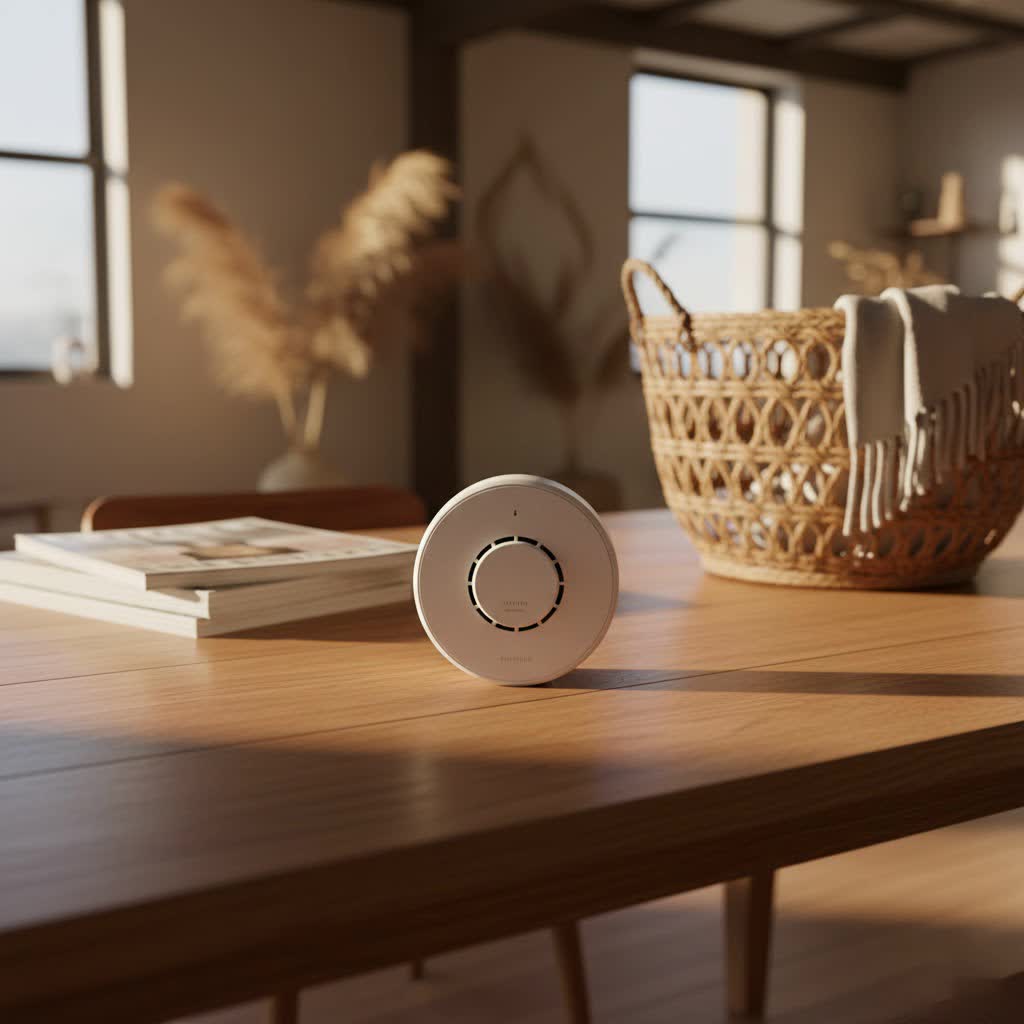
What is a Smoke Detector? Why is it essential?
A smoke detector is an indispensable device designed to sense the presence of smoke, a key indicator of fire, and alert occupants with an audible alarm. While various types exist, a hardwired smoke detector connects directly to your home’s electrical system, ensuring a continuous power supply. This eliminates the primary concern of battery-powered units: a dead battery rendering the alarm useless. Most hardwired systems, including many from Kidde, also incorporate a battery backup, typically AA or 9V, to maintain operation during power outages, offering a dual layer of protection.
The necessity of smoke detectors cannot be overstated. Fire incidents can escalate rapidly, especially in modern homes filled with synthetic materials that burn hotter and faster. Early detection provides critical extra moments for occupants to evacuate safely and for fire services to respond. The ability of hardwired systems to interconnect means that if one alarm detects smoke, all alarms throughout your home will sound, providing a universal warning no matter where the fire originates.
Modern smoke detectors come in several forms, often combining technologies. The main types include photoelectric, ionization, and increasingly, multi-criteria or combined smoke and carbon monoxide (CO) detectors. Understanding these differences is key to choosing the right protection for your home.
Classifying Smoke Detectors: Pros and Cons
Each type of smoke detector utilizes different sensing technologies, making them more effective for specific kinds of fires or less prone to certain types of false alarms.
Photoelectric Smoke Detector
Photoelectric smoke detectors work by using a chamber with a light source and a light sensor. When smoke enters the chamber, it scatters the light, directing some into the sensor, which triggers the alarm.
- Advantages: Photoelectric alarms are generally more sensitive to slow, smoldering fires, which often produce large, visible smoke particles. These fires can smolder for hours before bursting into flames, making early detection crucial. They are also less prone to false alarms from cooking fumes compared to ionization alarms.
- Disadvantages: They may be less effective at detecting fast-flaming fires that produce smaller smoke particles. Some older photoelectric models could be susceptible to nuisance alarms caused by dust or steam. However, newer models, including some Kidde units, incorporate enhanced sensing technology to specifically reduce false alarms caused by cooking.
|
Our Picks for the Best Smoke Detector in 2026
We may earn a commission when you use one of our links to make a purchase.
|
||
| Num | Product | Action |
|---|---|---|
| 1 | 4-in-1 Gas & Carbon Monoxide Detector, Plug-in & Battery Powered – Multi-Gas Protection, Accurate CO, Temperature & Humidity Monitoring, LCD Display, Adjustable Brightness, Sensitive Alarm |

|
| 2 | Kidde Hardwired Smoke & Carbon Monoxide Detector, AA Battery Backup Smoke Alarm, Interconnectable, LED Warning Light Indicators, 2 Pack |
|
| 3 | Kidde Hardwired Smoke Detector, AA Battery Backup, Interconnectable, LED Warning Light Indicators, 4 Pack |
|
| 4 | First Alert SMI100, Battery-Operated Smoke Alarm, 2-Pack |
|
| 5 | 3 Pack 10 Year Battery Operated Smoke and Carbon Monoxide Detector, Portable Fire Co Alarm for Home and Kitchen (White) |
|
| 6 | Kidde Smoke Detector, 10-Year Battery Powered, LED Warning Light Indicators |
|
| 7 | 6 in 1 Plug in Smoke and Carbon Monoxide Detector Combo, Portable Smoke, Gas & CO Detector with Battery Operated, Temp, Humidity - Smoke Alarm Carbon Monoxide Natural Gas Leak Detector for Home, RV |
|
| 8 | First Alert SMI100-AC, Hardwire Interconnect Smoke Alarm with Battery Backup, 6-Pack |
|
| 9 | First Alert SMI100, Battery-Operated Smoke Alarm, 3-Pack |
|
| 10 | Smoke Alarm Fire Detector,Battery Operated Photoelectric Smoke Detector with Test Button and Low Battery Warning, Fire Alarms Smoke Detectors for Home, 6 Pack |
|
Ionization Smoke Detector
Ionization smoke detectors contain a small amount of radioactive material that ionizes the air between two electrically charged plates, creating a current. When smoke particles enter the chamber, they disrupt this current, triggering the alarm.
- Advantages: Ionization alarms are typically more responsive to fast-flaming fires, which generate tiny, invisible combustion particles. These fires can spread rapidly, so quick detection is vital.
- Disadvantages: They are more susceptible to false alarms from small, normal events like burnt toast or steam from a shower. This sensitivity can sometimes lead homeowners to disable them, which is extremely dangerous. While the radioactive material is minimal and safe, the environmental disposal of these units is a minor consideration for some.
Combined (Dual Sensor / Smoke & CO) Detectors
Recognizing the strengths and weaknesses of single-sensor technologies, manufacturers developed combined or dual-sensor smoke detectors. Many Kidde hardwired smoke detectors fall into this category, often integrating smoke detection with carbon monoxide (CO) detection.
- Advantages: These alarms offer comprehensive protection by detecting both smoldering and flaming fires, as well as the silent, odorless, and deadly carbon monoxide gas. A single device provides broader coverage, simplifying installation and maintenance. Modern multi-criteria detectors are designed to differentiate between actual threats and common nuisance sources. The new UL 217 8th Edition standard, for example, emphasizes multi-criteria detection to reduce nuisance alarms and improve sensitivity to all fire types.
- Disadvantages: Combined units tend to have a higher upfront cost than single-function detectors. However, the enhanced safety and convenience often outweigh the additional expense.
Detailed Comparison Table: Hardwired Smoke Detector Types
| Feature / Type | Photoelectric Smoke Detector | Ionization Smoke Detector | Combined (Smoke & CO) Detector |
|---|---|---|---|
| Primary Detection | Large, visible smoke particles (smoldering fires) | Small, invisible combustion particles (flaming fires) | Both smoldering and flaming fires, plus carbon monoxide (CO) |
| Best For | Living rooms, bedrooms, hallways | Kitchens (with caution), utility rooms | All living areas, especially where cooking occurs and CO is a risk |
| False Alarm Triggers | Dust, steam (less common with newer models) | Cooking smoke/fumes, steam, humidity | Significantly reduced with advanced sensing (UL 217 8th Edition) |
| Sensitivity | Good for slow, smoldering fires | Good for fast, flaming fires | High for both fire types and CO |
| Typical Cost | Moderate | Low to Moderate | Moderate to High |
| Key Kidde Models | Kidde i12060 (Photoelectric) | Kidde i12040 (Ionization, being phased out) | Kidde Smoke + CO Alarm (wired with battery backup), Kidde Smart Wired Smoke Alarm |
| Battery Backup | Often includes | Often includes | Always includes (e.g., 2 AA batteries for Kidde combo units) |
| Interconnection | Yes, for hardwired models | Yes, for hardwired models | Yes, for hardwired models |
| Lifespan | 10 years (unit replacement) | 10 years (unit replacement) | 10 years (unit replacement) |
Guide to Choosing the Right Kidde Hardwired Smoke Detector
Selecting the optimal smoke detector for your home requires careful consideration of various factors beyond just the brand. While Kidde offers a range of reliable hardwired options, understanding your specific needs and the features available will ensure maximum protection.
Determine Your Usage Needs
Before diving into specific models, assess your home environment:
- Space Area: How large is your home? Multiple levels and larger square footage will necessitate more interconnected alarms to ensure whole-house coverage.
- Room Type:
- Bedrooms and Hallways: Photoelectric or multi-criteria alarms are excellent here for detecting smoldering fires, which often start in these areas.
- Kitchens: While kitchens are fire-prone, traditional ionization alarms can be prone to false alarms from cooking. Photoelectric or, ideally, multi-criteria alarms with advanced sensing technology are better choices, placed a safe distance from cooking appliances.
- Basements/Utility Rooms: Areas with appliances like furnaces and water heaters are prone to both fire and carbon monoxide, making a combined smoke and CO alarm essential.
- Budget: Hardwired detectors, especially combined and smart models, typically have a higher upfront cost due to professional installation requirements. However, view this as an investment in safety.
Key Criteria for Selection
When evaluating Kidde hardwired smoke detectors, keep these crucial aspects in mind:
- Quality Certifications (UL, EN): Always look for alarms certified by reputable organizations like Underwriters Laboratories (UL) in North America or EN (European Norm) standards. UL 217 (the standard for smoke alarms) and its latest editions (8th, 9th, 10th) signify that a product has undergone rigorous testing for performance and safety. Alarms compliant with UL 217 8th Edition and newer are designed to provide faster, more precise detection and significantly reduce nuisance alarms.
- Battery Life and Low Battery Warning: Even hardwired units require battery backup. Many modern Kidde models feature a 10-year sealed lithium battery, eliminating the need for frequent battery changes. For models with replaceable batteries (e.g., 2 AA batteries), ensure there’s a clear low battery chirp and make a habit of changing them every 6-12 months.
- Connectivity and Remote Notification: For enhanced safety and convenience, consider Kidde smart hardwired smoke detectors with Wi-Fi connectivity. These can send alerts directly to your smartphone, allow remote testing, and integrate with smart home systems, providing peace of mind even when you’re away.
- Ease of Installation and Maintenance: While hardwired alarms typically require professional installation for the electrical wiring, the physical mounting of the unit should be straightforward. Kidde often uses universal plugs, which simplifies replacing older hardwired units. Look for features like a large test/hush button for easy monthly testing and silencing of nuisance alarms.
Top Kidde Hardwired Smoke Detectors
Given the mixed reviews in the market, it’s important to focus on Kidde models that offer advanced features addressing common concerns like false alarms, and those that comply with the latest safety standards.
- Kidde Smoke + CO Alarm Wired with Battery Backup: This popular choice offers dual protection against smoke and carbon monoxide. It features 2 AA replaceable batteries for backup power and the crucial interconnected alarm capability. Its enhanced sensing technology is specifically designed to reduce false alarms from cooking, a common complaint with older models. This model often comes with a 10-year limited warranty.
- Kidde Smart Wired Smoke Alarm with Wi-Fi Connectivity: Representing the cutting edge, this model provides both smoke and CO detection, is hardwired for continuous power, and includes battery backup. Its standout feature is smart connectivity, allowing you to receive alerts on your phone, test the alarm remotely, and integrate it with other smart home devices. This offers an unparalleled level of awareness and control.
- Kidde 10-Year Worry-Free Hardwired Smoke Alarm: For smoke-only detection with minimal maintenance, these models are designed with a sealed 10-year lithium battery, meaning you won’t need to change batteries for the life of the alarm. They are hardwired, interconnected, and offer the reliability expected from Kidde.
When choosing, prioritize multi-criteria detection compliant with the latest UL 217 standards to gain the best protection against various fire types and reduced nuisance alarms.
Optimal Installation Locations for Smoke Detectors
Correct placement of your hardwired smoke detectors is just as vital as choosing the right models. Strategic installation maximizes their effectiveness and minimizes false alarms.
- General Principle: Install smoke alarms on every level of your home, including the basement. Place them inside every bedroom and in the hallway outside each sleeping area. For multi-story homes, place an alarm at the top of the stairs, and ensure they are interconnected so all alarms sound simultaneously.
- Ceiling Placement: Since smoke rises, the ideal location for a smoke detector is on the ceiling. If installing on a sloped ceiling, place it within 3 feet (0.9m) of the peak but not closer than 4 inches (0.1m) to the peak.
- Wall Placement: If ceiling installation isn’t possible, place wall-mounted alarms between 4 and 12 inches (0.1m and 0.3m) from the ceiling. Avoid placing them closer than 4 inches to any wall or corner where dead air pockets might form.
- Avoid These Locations:
- Near Kitchens/Cooking Areas: Place alarms at least 10 feet (3m) away from cooking appliances to prevent nuisance alarms from normal cooking fumes. Opt for photoelectric or multi-criteria alarms in or near kitchens.
- Near Bathrooms: Steam from showers can trigger false alarms. Keep alarms away from bathrooms.
- Near Heating/Cooling Vents, Fans, or Doors: Air currents can prevent smoke from reaching the detector.
- In Garages: Combustion fumes from vehicles can cause false alarms.
- In Extremely Dusty, Dirty, or Bug-Infested Areas: These conditions can lead to false alarms and reduce detector effectiveness.
- In Areas of Extreme Temperatures: Avoid placement in unheated attics or garages where temperatures can fall outside the alarm’s operating range.
How to Install and Maintain Your Kidde Hardwired Smoke Detector
While the electrical wiring component of hardwired smoke detector installation should always be handled by a qualified electrician, understanding the process and subsequent maintenance is crucial for homeowners.
Installation Steps (Professional Assistance Recommended for Wiring)
- Safety First: Turn Off Power. Crucially, turn off the electrical power to the circuit where you will be working at your main circuit breaker. Use a non-contact voltage tester to confirm the power is off before touching any wires.
- Remove Old Unit (if applicable). If replacing an existing unit, gently twist the old detector counter-clockwise to detach it from its mounting bracket. Disconnect the wire harness.
- Mount the Bracket. Pull the existing electrical wires through the central hole of the new mounting bracket. Secure the mounting bracket to the electrical box in the ceiling or wall using the provided screws. For Kidde smart alarms, align the ‘A’ line on the bracket parallel to the wall for aesthetic alignment. Ensure screws are in the smaller end of the keyholes before tightening.
- Activate Battery Backup. If your Kidde alarm has a user-activated battery, remove the battery tab or insert the recommended AA batteries (typically two) and ensure the battery door is closed. You should hear a beep to confirm activation. For 10-year sealed battery models, they are often pre-activated or activated upon installation.
- Connect Electrical Wires. This is where an electrician’s expertise is vital. Typically, connect:
- Black house wire to the black wire on the alarm’s connector.
- White house wire (neutral) to the white wire on the alarm’s connector.
- Red or yellow house wire (interconnect) to the red or yellow wire on the alarm’s connector.
- Secure connections with wire nuts. For Kidde’s universal plugs, simply connect the new alarm’s harness to the existing wiring harness.
- Connect Wire Harness to Alarm. Plug the wire harness firmly into the designated port on the back of the smoke detector.
- Secure the Alarm. Tuck any excess wires neatly into the electrical box. Align the alarm with the mounting bracket and twist it clockwise until it locks securely into place.
- Restore Power and Test. Turn the electrical power back on at the circuit breaker. Once powered, remove any dust cover on the alarm. Test the alarm immediately by pressing and holding the test/hush button. All interconnected alarms should sound. If not, troubleshoot connections or consult the user manual.
Maintenance Schedule
Regular maintenance ensures your hardwired smoke detectors remain reliable:
- Monthly Test: Press and hold the test/hush button on each alarm for a few seconds. A loud, piercing alarm should sound from that unit and all interconnected units.
- Annual Cleaning: Gently vacuum around the alarm’s vents or wipe it with a soft cloth to remove dust and cobwebs, which can cause false alarms or block smoke entry.
- Battery Replacement (if applicable): For units with replaceable batteries, change them twice a year (e.g., when daylight saving time changes). If your alarm chirps frequently, it’s indicating a low battery and needs immediate replacement.
- Unit Replacement: All smoke detectors have a lifespan, typically 10 years from the date of manufacture (check the date on the back of the unit). Replace the entire unit at the 10-year mark, even if it seems to be working. Older sensors become less reliable.
Handling False Alarms
If your Kidde smoke detector experiences a false alarm, press the test/hush button to silence it. Common causes include:
- Cooking fumes: Place alarms further from the kitchen or use models with advanced sensing.
- Steam from showers: Ensure alarms are not near bathrooms.
- Dust or insects: Regular cleaning can prevent this.
- Low battery: Replace batteries immediately if chirping persists.
If false alarms continue after troubleshooting, the unit might be faulty and require replacement.
Safety Standards and Certifications for Smoke Detectors
Ensuring your smoke detectors meet relevant safety standards is critical for their effectiveness. The primary standard in North America is UL 217, established by Underwriters Laboratories.
- UL 217: This standard specifies performance requirements for smoke alarms. It has undergone several revisions to keep pace with advancements in fire science and changes in residential fire dynamics.
- UL 217 8th Edition (and subsequent 9th and 10th editions): These are significant updates reflecting how modern homes burn. Newer synthetic materials in furniture and construction mean fires burn hotter and faster, drastically reducing escape times (from 17 minutes in 1978 to potentially 2 minutes today). These latest editions require multi-criteria sensors that can better distinguish between nuisance alarms (like cooking fumes) and actual fire threats, while also being more sensitive to both smoldering and fast-flaming fires.
- EN 14604: This is the European standard for smoke alarm devices, ensuring similar levels of performance and reliability in the European market.
When purchasing any smoke detector, including Kidde hardwired models, always confirm that they are certified by UL or comply with relevant regional standards. This guarantees that the device has been independently tested and meets stringent safety and performance criteria.
“A smoke detector isn’t just a device; it’s your home’s first line of defense. Investing in a high-quality, hardwired system that adheres to the latest safety standards is one of the most proactive steps you can take to safeguard your family.”
Conclusion
Choosing and installing the right Kidde hardwired smoke detector is a crucial step toward creating a safer home environment. These devices offer unparalleled reliability with continuous power, battery backup, and the life-saving benefit of interconnected alarms that alert your entire household instantly. By understanding the types of sensors, prioritizing models compliant with the latest UL 217 standards for reduced false alarms and improved detection, and adhering to proper placement and maintenance guidelines, you can significantly enhance your family’s protection against fire and carbon monoxide. Don’t compromise on safety; ensure your home is equipped with the best possible smoke detection system.
Are you confident in your home’s current smoke detection system?
Frequently Asked Questions
What is the lifespan of a Kidde hardwired smoke detector?
Most Kidde hardwired smoke detectors, like all smoke alarms, have a lifespan of approximately 10 years from the date of manufacture. After this period, the sensors can degrade, reducing their effectiveness. Always check the manufacturing date on the back of your unit and replace it promptly when it reaches this age, even if it seems to be working.
Do hardwired smoke detectors still need batteries?
Yes, almost all hardwired smoke detectors include a battery backup. This feature ensures that the alarms remain functional and provide continuous protection even during power outages. For models with replaceable batteries (e.g., AA or 9V), these batteries should be tested monthly and replaced at least twice a year. Some newer Kidde models feature a sealed 10-year lithium battery that lasts for the life of the alarm, eliminating routine battery changes.
Why do my Kidde smoke detectors keep going off unexpectedly?
Frequent false alarms can be frustrating but often have common causes. These include dust accumulation within the sensor chamber (requiring cleaning), steam from showers, cooking fumes, or placement too close to heating/cooling vents. Older ionization-type alarms are particularly prone to false alarms from cooking. If these issues are ruled out, and you have an older unit, it may be time for a replacement, especially with newer models (UL 217 8th Edition and above) designed to minimize nuisance alarms.
Can I install a hardwired smoke detector myself?
While the physical mounting of a hardwired smoke detector might seem straightforward, the electrical wiring component requires careful handling and adherence to electrical codes. It involves working with your home’s main electrical system. For safety and compliance, it is strongly recommended that a qualified and licensed electrician performs the installation of hardwired smoke detectors, especially for new installations or significant upgrades. Replacing an existing unit with a new one that uses a universal plug may be simpler, but caution is still advised.