In an age where our homes are becoming increasingly intelligent, connected safety devices are no longer a luxury but a necessity. As an experienced technician in fire alarm systems, I’ve witnessed firsthand the profound advancements in smoke detector technology, moving from basic alarms to sophisticated smart systems. Among the leaders in this evolution, First Alert’s smart smoke detectors stand out, offering advanced features designed to provide unparalleled peace of mind. This article will delve into what makes these devices so effective, explore their different types, guide you through selecting the ideal model for your needs, and offer practical advice on installation and maintenance. Join us as we uncover how First Alert Smart Smoke Detectors are revolutionizing home safety, ensuring your family and property are protected with cutting-edge technology.
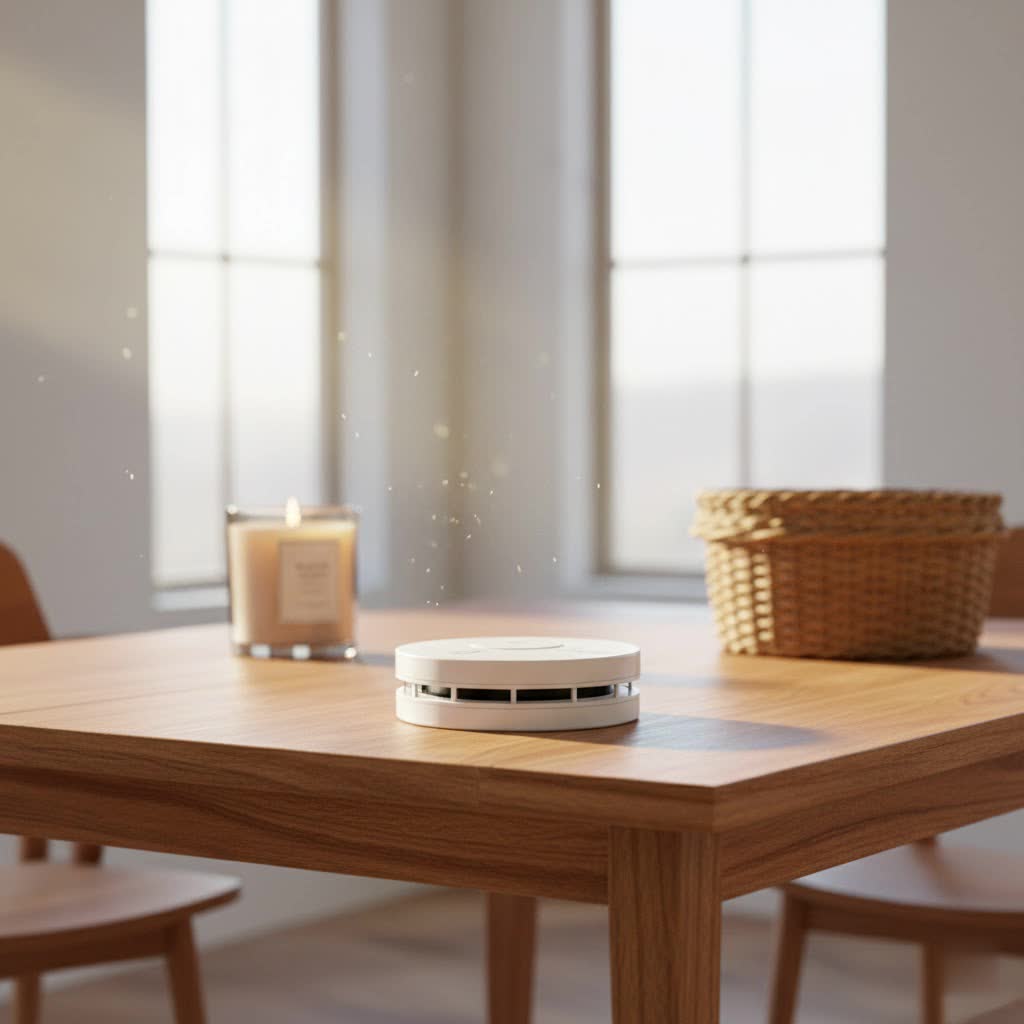
What is a First Alert Smart Smoke Detector? Why is it Essential?
A First Alert smart smoke detector is more than just an alarm; it’s an integrated safety device that combines traditional smoke and carbon monoxide (CO) detection with modern smart home capabilities. Unlike conventional detectors that merely sound a local alarm, these intelligent devices leverage Wi-Fi connectivity to send real-time alerts to your smartphone, no matter where you are. This remote notification feature is crucial, allowing you to react swiftly to potential dangers even when you’re away from home.
The core of First Alert’s smart detectors lies in their advanced sensing technology, often featuring dual photoelectric and electrochemical sensors. Photoelectric sensors are particularly effective at detecting slow, smoldering fires common in residential settings, while electrochemical sensors are dedicated to identifying the presence of deadly carbon monoxide, an odorless and colorless gas. This dual-sensor approach ensures comprehensive protection against a wider range of threats. The criticality of early detection cannot be overstated; prompt alerts can mean the difference between minor damage and a catastrophic loss, making a First Alert smart smoke detector an essential component of any modern home safety plan.
Classifying First Alert Smart Smoke Detectors: Pros and Cons
First Alert’s smart smoke detectors, primarily under the Onelink series, incorporate sophisticated sensing mechanisms to provide robust protection. Understanding these classifications helps in appreciating their strengths and limitations.
Photoelectric Sensors (for smoke detection)
Photoelectric sensors operate by detecting visible smoke particles. They excel at identifying large smoke particles typically produced by slow-burning, smoldering fires—such as those originating from upholstery, mattresses, or overloaded electrical wiring—before flames erupt.
- Pros: Highly effective for detecting smoldering fires, which can often go unnoticed for longer periods. Less prone to nuisance alarms from common cooking fumes compared to ionization alarms, although some users report instances of false alarms from cooking.
- Cons: May react slightly slower to fast, flaming fires compared to ionization alarms, though this is often mitigated in dual-sensor designs.
|
Our Picks for the Best Smoke Detector in 2026
We may earn a commission when you use one of our links to make a purchase.
|
||
| Num | Product | Action |
|---|---|---|
| 1 | 3 Pack 10 Year Battery Operated Smoke and Carbon Monoxide Detector, Portable Fire Co Alarm for Home and Kitchen (White) |

|
| 2 | First Alert SMI100-AC, Hardwire Interconnect Smoke Alarm with Battery Backup, 6-Pack |
|
| 3 | Kidde Smoke Detector, 10-Year Battery Powered, LED Warning Light Indicators |
|
| 4 | Kidde Hardwired Smoke & Carbon Monoxide Detector, AA Battery Backup Smoke Alarm, Interconnectable, LED Warning Light Indicators, 2 Pack |
|
| 5 | Kidde Hardwired Smoke Detector, AA Battery Backup, Interconnectable, LED Warning Light Indicators, 4 Pack |
|
| 6 | 4-in-1 Gas & Carbon Monoxide Detector, Plug-in & Battery Powered – Multi-Gas Protection, Accurate CO, Temperature & Humidity Monitoring, LCD Display, Adjustable Brightness, Sensitive Alarm |
|
| 7 | Smoke Alarm Fire Detector,Battery Operated Photoelectric Smoke Detector with Test Button and Low Battery Warning, Fire Alarms Smoke Detectors for Home, 6 Pack |
|
| 8 | First Alert SMI100, Battery-Operated Smoke Alarm, 3-Pack |
|
| 9 | 6 in 1 Plug in Smoke and Carbon Monoxide Detector Combo, Portable Smoke, Gas & CO Detector with Battery Operated, Temp, Humidity - Smoke Alarm Carbon Monoxide Natural Gas Leak Detector for Home, RV |
|
| 10 | First Alert SMI100, Battery-Operated Smoke Alarm, 2-Pack |
|
Electrochemical Sensors (for CO detection)
Dedicated electrochemical sensors are specifically designed to detect carbon monoxide (CO) gas. This ensures that the detector can identify this silent killer independently of smoke, providing a critical layer of safety.
- Pros: Highly accurate and sensitive to carbon monoxide, offering vital early warning against this invisible threat. Integrated into combo units for comprehensive protection.
Dual Sensor Technology (Integrated Smoke and CO Detection)
Many First Alert smart detectors, especially within the Onelink series, utilize a combination of photoelectric smoke sensors and electrochemical CO sensors. This dual-sensor approach offers the best of both worlds.
- Pros: Provides comprehensive protection against both types of fires (smoldering and fast-flaming, indirectly by also including photoelectric) and carbon monoxide. Enhanced reliability and quicker detection across a broader spectrum of hazards.
- Cons: Generally comes at a higher price point than single-purpose or traditional alarms. While aiming to reduce false alarms, occasional instances, particularly during intense cooking, have been noted by some users.
Hardwired vs. Battery-Operated First Alert Smart Detectors
First Alert offers smart smoke detectors in both hardwired and battery-operated configurations, each with distinct advantages.
- Hardwired Detectors: These units connect directly to your home’s electrical system, providing continuous power. Most hardwired smart detectors include a battery backup to ensure functionality during power outages. They can also interconnect with existing hardwired alarms, allowing all compatible alarms in the home to sound simultaneously if one detects an emergency.
- Battery-Operated Detectors: Ideal for homes without existing hardwiring or for areas where running new wires is impractical. Many models feature 10-year sealed batteries, eliminating the need for frequent battery changes. Installation is typically simpler due to their wireless nature.
Detailed Comparison of First Alert Smart Smoke Detector Features
First Alert smart smoke detectors, particularly the Onelink models, combine advanced detection capabilities with smart home integration, offering a significantly enhanced level of protection and convenience compared to traditional alarms.
| Feature | First Alert Smart Smoke Detector (e.g., Onelink) | Traditional Smoke Detector (Basic) |
|---|---|---|
| Sensor Type | Dual (Photoelectric for Smoke, Electrochemical for CO) | Single (Ionization or Photoelectric) |
| Connectivity | Wi-Fi (for remote features), Bluetooth (for interconnection) | None (local alarm only) |
| Smart Home Integration | Apple HomeKit, Amazon Alexa, Google Home/Nest Protect compatible | None |
| Notifications | Smartphone app alerts (remote), email/text alerts | Local audible alarm only |
| Voice Alerts | Yes, with location identification (“Fire in the living room”) | Chirps or basic siren |
| Interconnection | Yes (via Wi-Fi, Bluetooth, or hardwire for compatible units) | Limited (hardwired only, no smart features) |
| Silence Feature | App-based silencing, physical large button for quick silence | Physical button only, often harder to reach |
| Power Source | Hardwired with 10-year battery backup OR 10-year sealed battery-only | Hardwired with 9V battery backup OR replaceable 9V battery-only |
| Maintenance Alerts | App notifications for low battery, expiration date | Chirps for low battery |
| Design | Modern, sleek, often larger square profile | Standard round, utilitarian |
| Price | Higher ($70-$150+ per unit) | Lower ($15-$40 per unit) |
Buying Guide: Choosing the Right First Alert Smart Smoke Detector
Selecting the perfect First Alert smart smoke detector involves evaluating your specific home environment and safety priorities.
Assess Your Home’s Needs
Begin by understanding the layout and potential risks in your home.
- Space & Risk Areas: Consider the size of your home and areas with higher fire risks, like the kitchen, garage, or rooms with fireplaces. Every level, every bedroom, and areas outside sleeping spaces should have detectors.
- Power Source: Determine if you prefer hardwired alarms (with battery backup for continuous power) or battery-only models (offering easier installation and often 10-year sealed batteries).
- Budget: Smart detectors are an investment in safety. While more expensive than traditional alarms, their advanced features often justify the cost.
Key Selection Criteria
When evaluating First Alert smart smoke detectors, focus on these critical aspects:
- Certifications: Always look for devices that meet recognized safety standards. While not explicitly stated in all materials, First Alert products generally carry UL (Underwriters Laboratories) certification, ensuring they have been tested to stringent safety requirements. This indicates reliability and adherence to safety protocols.
- Battery Life and Backup: For hardwired units, a 10-year sealed battery backup is ideal, providing protection during power outages. For battery-only models, a 10-year sealed battery offers convenience and long-term reliability without frequent replacements. The First Alert app will notify you when batteries are low or the unit is nearing expiration.
- Smart Features: Prioritize features like Wi-Fi connectivity for remote notifications, the ability to silence alarms from your phone, and voice alerts that specify the type and location of the danger. Interconnectedness, where all compatible alarms sound when one is triggered, is a vital safety feature for larger homes.
- Smart Home Ecosystem Integration: If you already use a smart home platform like Apple HomeKit, Amazon Alexa, or Google Home, ensure your chosen First Alert detector is compatible. Many First Alert smart detectors, especially the SC5 model, are designed to integrate seamlessly, sometimes even serving as a replacement for discontinued Nest Protect devices within the Google Home ecosystem.
- Ease of Installation and Maintenance: Look for models that offer clear voice prompts during setup and intuitive in-app instructions. Features like a large, central silence button are a significant quality-of-life upgrade, allowing you to quickly quiet nuisance alarms (e.g., from cooking) without fumbling or using a towel.
Top First Alert Smart Smoke Detectors
The First Alert Onelink series represents the brand’s premier smart smoke detectors, offering advanced features and robust protection. Models like the SC5 Smart Smoke and Carbon Monoxide Alarm exemplify the benefits of this line. These dual-sensor devices typically include photoelectric smoke detection and electrochemical CO detection, providing comprehensive coverage. Key advantages include easy installation guided by voice prompts, seamless integration with platforms like Google Home and Nest Protect, and the highly appreciated one-button silence feature. While the initial cost per unit (around $130) is higher than standard alarms, the enhanced control, remote monitoring, and peace of mind they offer make them a worthwhile investment for key areas of your home.
Optimal Installation Locations for First Alert Smart Smoke Detectors
Proper placement of your First Alert smart smoke detector is as crucial as choosing the right device. Adhering to guidelines ensures optimal performance and maximum safety.
General Installation Principles (as per NFPA guidelines):
- Install smoke alarms on every level of your home, including the basement.
- Place a smoke alarm inside every bedroom.
- Install smoke alarms outside every sleeping area (e.g., in hallways).
Specific Placement Guidelines:
- On Ceilings (Recommended): Install the alarm as close to the center of the ceiling as possible. If this is not feasible, ensure it is at least 4 inches (102 mm) from any wall or corner. Ceiling mounting allows the detector to monitor both smoke and carbon monoxide effectively.
- On Walls: If wall mounting is necessary and permitted by local codes, the top edge of the smoke alarm should be placed between 4 inches (102 mm) and 12 inches (305 mm) from the ceiling/wall line, below typical “dead air” spaces where smoke might not readily penetrate.
- For Sloping, Pitched, or Cathedral Ceilings: The first smoke alarm should be installed within 3 feet (0.9 meters) of the peak of the ceiling, measured horizontally. Additional alarms may be needed depending on the slope’s length and angle.
Locations to Avoid:
- Near Cooking Appliances: Keep detectors at least 10 feet (3 meters) away from cooking appliances (e.g., stoves, ovens, microwaves) to minimize nuisance alarms from cooking fumes.
- Near Vents, Fans, or “Dead Air” Spaces: Avoid placing alarms near air returns, heating and air conditioning vents, or areas with ceiling fans, as air currents can prevent smoke from reaching the sensor. Similarly, avoid “dead air” spaces at wall/ceiling junctions.
- High Humidity Areas: Do not install in bathrooms, laundry rooms, or other areas prone to high humidity, which can trigger false alarms.
- Unfinished Attics or Garages: Extreme temperature fluctuations and dusty conditions in these areas can impair detector performance.
Installing and Maintaining Your First Alert Smart Smoke Detector
Installing and maintaining your First Alert smart smoke detector is a straightforward process, largely guided by in-app instructions and voice prompts from the device itself.
Installation Steps:
- Preparation: Before mounting, ensure you have the latest version of the First Alert app installed on your smartphone and that your Nest account (if applicable) is migrated to a Google Account for seamless integration.
- Initial Setup (App & Device):
- Open the First Alert App and select “Add Device.”
- For battery-operated models, pull the battery tab to activate the device. For hardwired models, connect the wiring according to the provided instructions.
- The device’s built-in speaker will provide clear voice prompts to guide you through the process, eliminating guesswork.
- Scan the QR code on the device when prompted by the app.
- Configure the device’s location (e.g., “living room,” “master bedroom”) and assign a name. This is crucial for location-specific voice alerts during an emergency.
- Connect the device to your Wi-Fi network by selecting your network name and entering the password.
- Wait for the app to confirm successful registration. If you’re installing multiple devices, the app will help you interconnect them wirelessly.
- Mounting: Once the digital setup is complete, mount your device according to the optimal placement guidelines discussed earlier (e.g., on the ceiling, at least 4 inches from a wall).
- Google Home/Nest Integration (Optional): If you have Nest Protect devices or use Google Home, open the Google Home app and follow the prompts to link your First Alert alarm. This allows the devices to communicate and relay alerts across your smart home ecosystem.
Maintenance:
- Regular Testing: Test your smoke detectors weekly. This can often be done directly from the First Alert app by long-pressing the alarm icon, or by pressing the large central button on the device itself. The voice prompts will guide you through the test.
- Cleaning: Dust and debris can interfere with sensor performance. Gently vacuum around the detector’s vents or wipe it with a soft cloth once a month to keep it clean.
- Battery Management: For models with replaceable batteries, replace them annually or when the low battery chirp occurs. For 10-year sealed battery units, the entire device needs replacement after 10 years, or when indicated by the app.
- Handling False Alarms: If a nuisance alarm is triggered (e.g., from cooking), use the convenient silence button on the detector or the silencing feature within the First Alert app to quickly quiet the alarm. This prevents frustration and discourages users from disabling the device entirely.
Safety Standards and Certifications for Smart Smoke Detectors
When investing in a First Alert smart smoke detector, understanding the safety standards and certifications ensures you’re getting a reliable and effective product.
The most prominent certification for smoke alarms in North America is from UL (Underwriters Laboratories). A UL listing signifies that the product has undergone rigorous testing by an independent third-party organization and meets established safety standards for performance and construction. For smoke alarms, this often refers to UL 217, the Standard for Smoke Alarms. While specific First Alert smart models may not explicitly list UL 217 in all marketing, the brand generally adheres to these industry benchmarks.
Beyond product testing, the NFPA 72 (National Fire Protection Association) National Fire Alarm and Signaling Code provides comprehensive guidelines for the proper selection, installation, testing, and maintenance of fire alarm systems, including smoke detectors. Adhering to NFPA 72 recommendations, such as placing detectors in every bedroom and on every level of the home, is crucial for maximizing safety.
These certifications and standards are not just bureaucratic requirements; they are vital assurances that your First Alert smart smoke detector is designed to operate effectively when it matters most, providing timely warnings to protect your home and family.
Conclusion
First Alert smart smoke detectors represent a significant leap forward in home safety technology, blending reliable traditional detection with the convenience and connectivity of smart home systems. With features like dual smoke and carbon monoxide sensing, remote smartphone alerts, intelligent voice notifications that specify the danger’s location, and seamless integration with popular smart home platforms, these devices offer unparalleled peace of mind. Choosing the right First Alert smart detector, ensuring its proper installation, and performing routine maintenance are crucial steps in building a truly secure and responsive home environment. By embracing these advanced safety solutions, you’re not just buying a device; you’re investing in a sophisticated guardian for your loved ones and your property. Are you ready to upgrade your home safety to the next level?
Frequently Asked Questions
How often should I test my First Alert smart smoke detector?
It is recommended to test your First Alert smart smoke detector at least once a week. This can typically be done through the First Alert app or by pressing the test button directly on the device. Regular testing ensures that the alarm’s sounder, battery, and sensors are functioning correctly.
What is the difference between photoelectric and ionization sensors in smart detectors?
Photoelectric sensors detect large, visible smoke particles from slow, smoldering fires, while ionization sensors are generally quicker to react to small, invisible particles produced by fast, flaming fires. First Alert smart detectors often use a dual-sensor approach, combining a photoelectric smoke sensor with an electrochemical carbon monoxide sensor for comprehensive protection against both types of fires and CO gas.
Can First Alert smart smoke detectors connect with other smart home devices?
Yes, many First Alert smart smoke detectors, especially those in the Onelink series, are designed for broad smart home compatibility. They can often integrate with platforms like Apple HomeKit, Amazon Alexa, and Google Home/Nest Protect, allowing for interconnected alerts and centralized control within your smart home ecosystem.
What should I do if my First Alert smart smoke detector gives a false alarm?
If your First Alert smart smoke detector triggers a false alarm, you can typically silence it by pressing the large central button on the device itself or by using the silence feature within the First Alert app. After silencing, identify and address the cause of the false alarm, such as excessive steam from a shower or smoke from cooking, to prevent future occurrences.