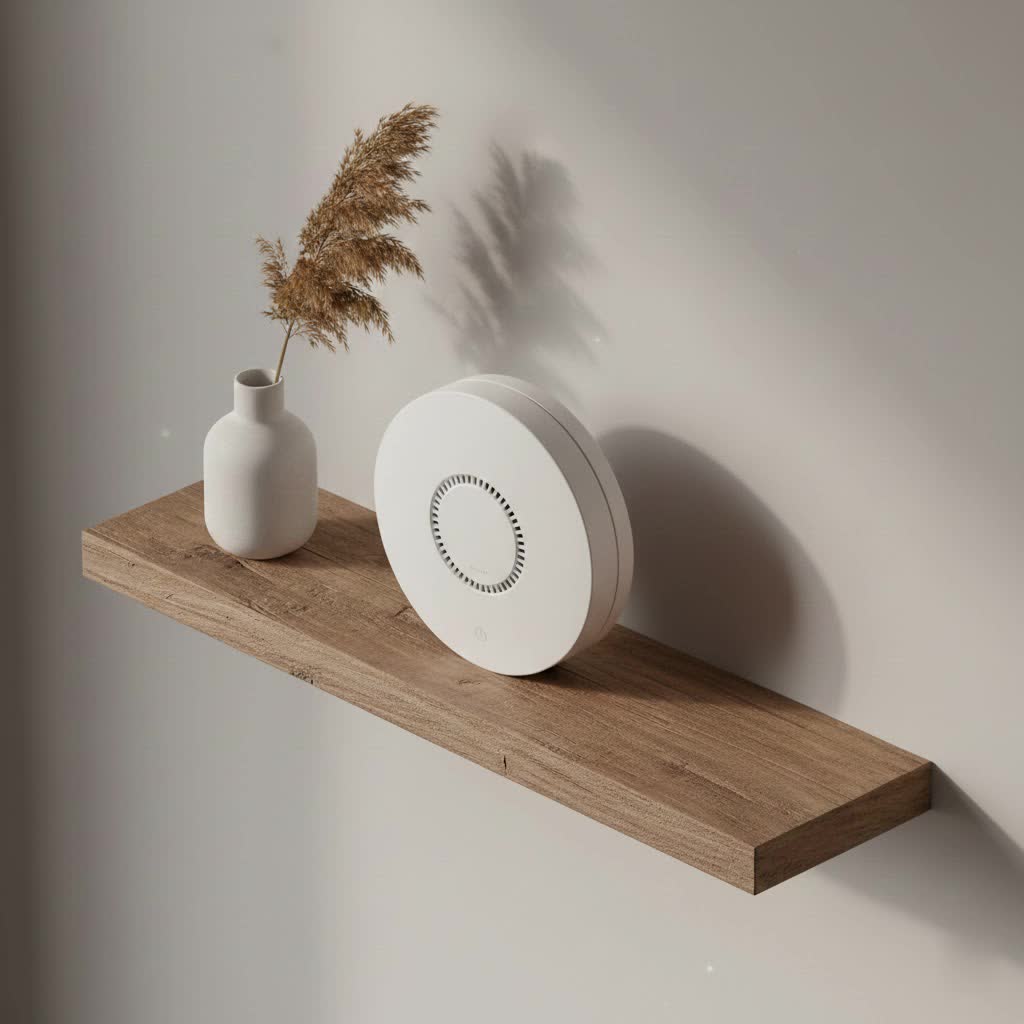
A BRK smoke and carbon monoxide detector is a sophisticated 2-in-1 device that detects both smoke from fires and the toxic, invisible gas carbon monoxide, offering comprehensive home safety. These essential devices integrate two crucial detection systems into one unit, simplifying installation and ensuring early warning for both hazards. Early detection is the single most critical factor in preventing injuries, fatalities, and extensive property damage from fires and CO incidents.
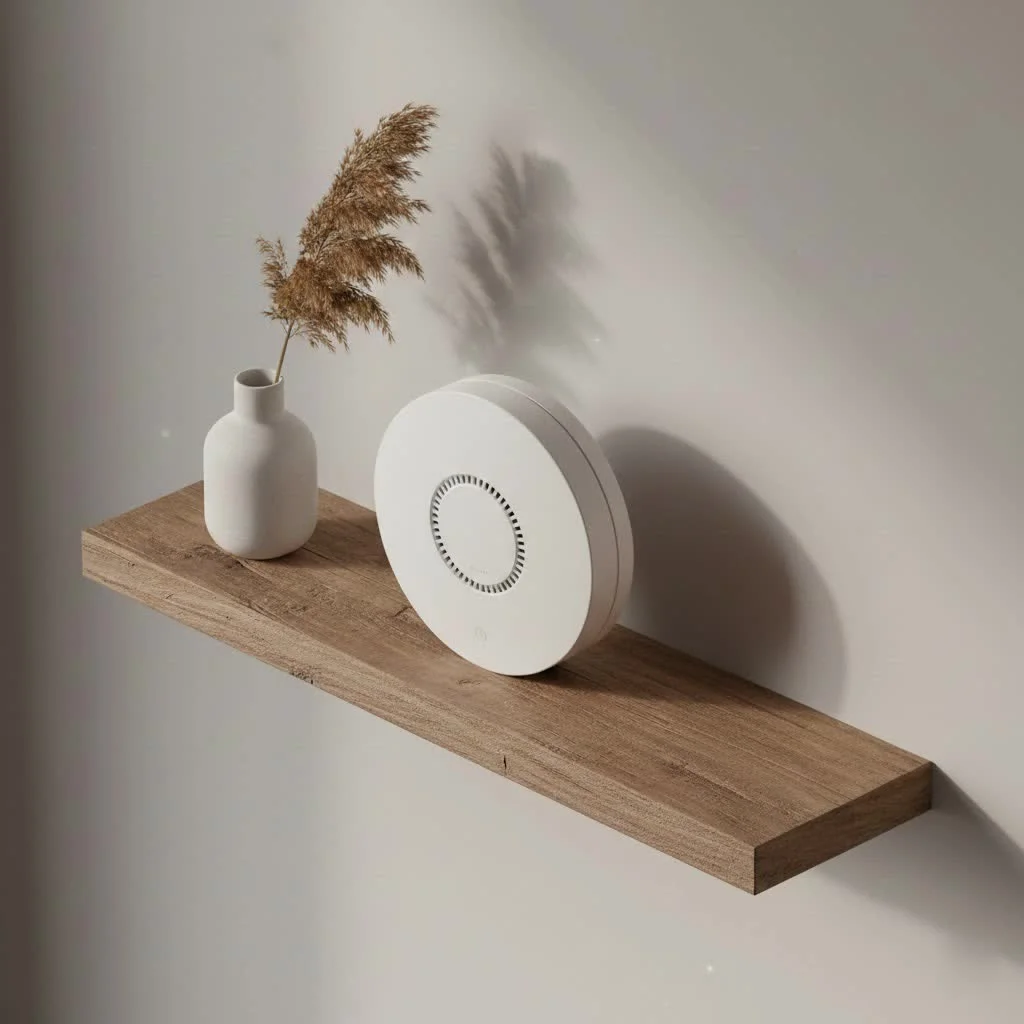
What is a BRK Smoke and Carbon Monoxide Detector and Why is it Essential?
A BRK smoke and carbon monoxide detector is a sophisticated 2-in-1 device designed to detect both the presence of smoke from fires and the toxic, invisible gas carbon monoxide. These alarms integrate two crucial detection systems into one unit, simplifying installation and ensuring comprehensive protection.
The basic principle behind their operation involves specialized sensors. For smoke detection, BRK often employs either ionization or photoelectric technology, or sometimes both. Ionization sensors are typically more responsive to fast-flaming fires, while photoelectric sensors excel at detecting slow-smoldering fires, which often produce larger visible smoke particles. For carbon monoxide, BRK detectors utilize an electrochemical sensor, which precisely measures CO levels in the air, triggering an alarm when dangerous concentrations are detected. This dual detection capability is vital because fires and CO incidents can occur independently, and early warning is the single most critical factor in preventing injuries, fatalities, and extensive property damage.
Types of BRK Smoke and Carbon Monoxide Detectors: Pros and Cons
BRK offers a diverse range of combination detectors, each tailored to specific needs and preferences. Understanding their classifications, primarily by their smoke sensing technology and power source, is crucial for selecting the ideal unit for your home.
Ionization Smoke Detectors (Combined with Electrochemical CO Sensor)
These detectors are characterized by an internal chamber containing two electrically charged plates and a small radioactive source. Smoke particles entering the chamber disrupt the ionized current, triggering the alarm. Paired with an electrochemical CO sensor, they offer robust dual protection.
- Pros: Generally more responsive to fast, flaming fires that produce little visible smoke but generate heat rapidly. They are also often more budget-friendly.
- Cons: Can be more susceptible to nuisance alarms from cooking fumes or steam, leading to potential user frustration.
Photoelectric Smoke Detectors (Combined with Electrochemical CO Sensor)
|
Our Picks for the Best Smoke Detector in 2026
As an Amazon Associate I earn from qualifying purchases.
|
||
| Num | Product | Action |
|---|---|---|
| 1 | Smoke Alarm Fire Detector,Battery Operated Photoelectric Smoke Detector with Test Button and Low Battery Warning, Fire Alarms Smoke Detectors for Home, 6 Pack |

|
| 2 | Kidde Hardwired Smoke & Carbon Monoxide Detector, AA Battery Backup Smoke Alarm, Interconnectable, LED Warning Light Indicators, 2 Pack |
|
| 3 | First Alert SMI100-AC, Hardwire Interconnect Smoke Alarm with Battery Backup, 6-Pack |
|
| 4 | 4-in-1 Gas & Carbon Monoxide Detector, Plug-in & Battery Powered – Multi-Gas Protection, Accurate CO, Temperature & Humidity Monitoring, LCD Display, Adjustable Brightness, Sensitive Alarm |
|
| 5 | First Alert SMI100, Battery-Operated Smoke Alarm, 2-Pack |
|
| 6 | Kidde Smoke Detector, 10-Year Battery Powered, LED Warning Light Indicators |
|
| 7 | 3 Pack 10 Year Battery Operated Smoke and Carbon Monoxide Detector, Portable Fire Co Alarm for Home and Kitchen (White) |
|
| 8 | Kidde Hardwired Smoke Detector, AA Battery Backup, Interconnectable, LED Warning Light Indicators, 4 Pack |
|
| 9 | 6 in 1 Plug in Smoke and Carbon Monoxide Detector Combo, Portable Smoke, Gas & CO Detector with Battery Operated, Temp, Humidity - Smoke Alarm Carbon Monoxide Natural Gas Leak Detector for Home, RV |
|
| 10 | First Alert SMI100, Battery-Operated Smoke Alarm, 3-Pack |
|
Photoelectric detectors work by directing a light beam into a sensing chamber. When smoke enters, it scatters the light into a sensor, activating the alarm. This type is frequently combined with an electrochemical CO sensor.
- Pros: Highly effective at detecting slow, smoldering fires that produce thick, visible smoke, which can smolder for hours before erupting into flames. They are also less prone to false alarms from cooking or shower steam.
- Cons: May react slightly slower to very fast, flaming fires compared to ionization types, though the difference is often negligible in residential settings.
Dual Sensor Smoke Detectors (Ionization & Photoelectric, with Electrochemical CO Sensor)
While not always explicitly marketed as “dual sensor smoke detectors” by BRK, many of their combination alarms incorporate “Precision Detection” technology or are available in models that leverage the strengths of both ionization and photoelectric sensing by combining them or using advanced algorithms to differentiate between fire types. These represent a comprehensive approach to smoke detection, coupled with CO sensing.
- Pros: Offers superior protection against both fast-flaming and slow-smoldering fires, providing a more balanced response to a wider range of fire types. Reduces the likelihood of nuisance alarms while maintaining high sensitivity.
- Cons: These advanced models typically come at a higher price point due to the integrated technologies.
Smart BRK Combination Detectors
For modern smart homes, BRK offers combination detectors with advanced connectivity features, often integrating Wi-Fi or Z-Wave technology.
- Pros: Provides mobile alerts directly to your smartphone, remote monitoring capabilities, and seamless integration with existing smart home ecosystems like Google Nest Protect and Ring Alarm. Many offer interconnectivity, meaning if one alarm sounds, all connected alarms in the system will also sound.
- Cons: Higher initial cost compared to traditional models and reliance on internet connectivity or a compatible smart home hub for full functionality.
Power Source Variants
BRK combination detectors are available with various power options to suit different installation needs.
- Hardwired with Battery Backup: These connect directly to your home’s electrical system, providing continuous power, and typically include a replaceable 9V or sealed lithium battery backup for uninterrupted operation during power outages. They often support hardwire interconnectivity.
- Battery-Operated: Powered solely by batteries (e.g., a replaceable 9V alkaline battery), these offer flexible installation anywhere without electrical wiring.
- 10-Year Sealed Battery: A growing number of BRK models feature a non-replaceable, sealed lithium battery designed to last the entire 10-year lifespan of the alarm. This eliminates the need for yearly battery changes and annoying low-battery chirps.
Detailed Comparison of BRK Combination Detectors
To help you navigate the options, here’s a comparison of common BRK combination detector features:
| Feature | Ionization Smoke + CO (e.g., SMICO100) | Photoelectric Smoke + CO (e.g., SC9120B, PRC710B) | Smart Photoelectric + CO (e.g., SC5 Series, Z-Wave) | Hardwired with 10-Year Battery + CO (e.g., SMICO105-AC) |
|---|---|---|---|---|
| Smoke Sensor Type | Ionization | Photoelectric | Photoelectric | Ionization or Photoelectric |
| CO Sensor Type | Electrochemical | Electrochemical | Electrochemical | Electrochemical |
| Power Source | 9V Replaceable Battery | Hardwired with 9V Battery Backup / 10-Year Sealed Battery | Hardwired/Battery (Wi-Fi), 10-Year Sealed Battery (Z-Wave) | Hardwired with 10-Year Sealed Battery Backup |
| Interconnectivity | Often standalone, some can be interconnected via hardwire (e.g., SMICO100-AC) | Hardwired Interconnect | Wireless Interconnect (Wi-Fi/Z-Wave) | Hardwired Interconnect |
| Smart Features | None | None | Mobile Alerts, Remote Monitoring, Smart Home Integration | None, but can be part of an interconnected system |
| Nuisance Alarm Reduction | Standard | Good (Intelligent Sensing Technology) | Excellent (Intelligent Sensing Technology) | Good (Intelligent Sensing Technology on many models) |
| Primary Benefit | Cost-effective, good for fast fires | Good for smoldering fires, less false alarms | Advanced connectivity & convenience | Low maintenance, reliable power |
Choosing the Right BRK Smoke and Carbon Monoxide Detector (Buying Guide)
Selecting the right BRK combination detector involves a few key considerations to ensure maximum safety and compatibility with your home.
Assess Your Home’s Needs
Start by evaluating the specifics of your living space and local regulations:
- Area and Layout: Determine the number of detectors needed. Generally, one should be installed on every level of the home, inside each sleeping area, and in the hallway immediately outside sleeping areas.
- Specific Risks: Consider areas prone to specific hazards. For example, a photoelectric alarm might be better near kitchens to avoid false alarms from cooking, while an ionization alarm could be suitable for areas away from cooking where fast-flaming fires are a risk. However, combination alarms offer both.
- Local Building Codes: Always check your local fire safety codes, as they may specify alarm types, power sources (e.g., hardwired requirements), and placement.
Key Features to Look For
Beyond basic detection, several features can enhance the effectiveness and convenience of your BRK detector.
- Certification: Look for detectors certified by recognized testing laboratories like UL (Underwriters Laboratories) to standards such as UL 217 (Smoke Alarms) and UL 2034 (CO Alarms). These certifications ensure the product has met rigorous safety and performance criteria.
- Battery Life and End-of-Life Warnings: Opt for 10-year sealed battery models to reduce maintenance. All BRK detectors should have an end-of-life warning, typically a series of chirps, to indicate when the unit needs replacement (generally every 10 years).
- Interconnectivity: Alarms that interconnect (either hardwired or wirelessly) ensure that when one alarm detects a threat, all other connected alarms in your home sound, providing earlier warning throughout the house.
- Smart Home Integration: If you have a smart home system (like Google Nest or Ring), consider BRK’s Wi-Fi or Z-Wave enabled smart detectors for remote alerts and integrated safety.
- Voice Alerts vs. Tones: Some models offer clear voice alerts that specify the type and location of the threat (e.g., “Fire! Smoke detected in the living room,” or “Warning! Carbon Monoxide detected”), which can be more informative than a generic siren.
- Precision Detection Technology: Many BRK models feature “Intelligent Sensing Technology” or “Precision Detection” to distinguish between real threats and nuisance sources like cooking smoke or steam, significantly reducing false alarms.
Top BRK Models for Different Needs
- For Basic, Reliable Protection: The BRK SMICO100 (battery-operated) or SMICO100-AC (hardwired with battery backup) offers ionization smoke and electrochemical CO detection, providing essential dual coverage.
- For Enhanced Nuisance Alarm Reduction: Look for models featuring photoelectric sensors or “Precision Detection” technology, such as the BRK First Alert SC9120B or PRC710B, which are excellent for areas near kitchens.
- For Smart Home Connectivity: The BRK SC5 Series (Wi-Fi enabled) or Z-Wave Plus Smart Smoke & CO Alarm are ideal for those who want remote monitoring, mobile alerts, and integration with their existing smart home ecosystems.
- For Low Maintenance: Any BRK detector with a 10-year sealed lithium battery is a great choice, eliminating the need for battery changes for a decade. The SMICO105-AC is a hardwired option with a 10-year battery backup.
“Investing in a combination smoke and CO detector is one of the smartest decisions you can make for your home’s safety. It’s about proactive protection, not just reactive response.” – Admin of reviewmobi.com, Fire Safety Technician.
Optimal Placement for Your BRK Combination Detector
Correct placement is as critical as choosing the right detector. Improper placement can lead to delayed warnings or frequent nuisance alarms.
- General Principles: Install at least one detector on every level of your home, including the basement. Place one inside each sleeping area and in the hallway immediately outside sleeping areas. For maximum protection, consider placing additional detectors in high-risk areas like living rooms, dens, or near utility rooms where furnaces and water heaters are located.
- On the Ceiling: For optimal smoke detection, alarms should typically be mounted on the ceiling, as smoke rises.
- Distance from Walls: When mounting on the ceiling, place the detector at least 4 inches (10 cm) from any wall. If mounting on a wall (only if ceiling mounting is impractical), position the top of the alarm 4 to 12 inches (10-30 cm) from the ceiling.
- Avoid Obstructions: Ensure the alarm is not blocked by furniture, curtains, or other objects that could impede smoke or CO from reaching the sensor.
- Distance from Airflow: Avoid placing detectors near air vents, fans, or windows, as strong drafts can interfere with the sensors’ ability to detect smoke or CO effectively.
- Areas to Avoid:
- Kitchens: While detectors are needed near kitchens, placing them too close to cooking appliances can lead to frequent nuisance alarms from cooking fumes. Maintain a distance of at least 10 feet (3 meters) from cooking appliances.
- Bathrooms: Steam from showers can trigger false alarms.
- Garages: Vehicle exhaust contains carbon monoxide, which can trigger false alarms.
- Extremely Dusty Areas: Heavy dust can clog sensors and affect performance.
- Direct Sunlight or Extreme Temperatures: These can impact the detector’s operational integrity.
Installation and Maintenance of BRK Smoke and Carbon Monoxide Detectors
Proper installation and routine maintenance are vital to ensure your BRK combination detector operates effectively for its entire lifespan.
Installation Steps (General)
While specific steps may vary slightly by model, the general installation process for most BRK combination detectors is straightforward:
- Read the Manual: Always refer to the specific installation instructions included with your BRK detector for model-specific guidance.
- Choose the Location: Based on the optimal placement guidelines, select the best spot on a ceiling or wall.
- Mounting Bracket: Secure the provided mounting bracket to the ceiling or wall using the screws and anchors.
- Connect Power:
- For Battery-Operated: Insert the battery (or activate the sealed battery) as directed.
- For Hardwired: Connect the wiring harness to your home’s electrical system, then attach the harness to the detector. Ensure the battery backup is installed/activated. BRK’s quick-connect wiring adapters often simplify this process.
- Attach Detector: Twist the detector onto the mounting bracket until it clicks securely into place.
- Test the Alarm: Press and hold the “Test/Silence” button until the alarm sounds. This verifies the unit is powered and the alarm mechanism is working correctly.
Essential Maintenance
Regular upkeep ensures your detector remains vigilant.
- Monthly Test: Press the “Test/Silence” button once a month to ensure the alarm sounds. This is a crucial habit for home safety.
- Annual Cleaning: Gently vacuum or wipe the exterior of the detector to remove dust and debris that could obstruct the sensors.
- Battery Replacement: For models with replaceable batteries, change them at least once a year, or immediately when the low-battery warning chirps begin. For 10-year sealed battery models, no battery replacement is needed.
- Unit Replacement: BRK combination detectors, like all smoke and CO alarms, have a limited lifespan. They should be replaced every 10 years from the date of manufacture. Most units include an “end-of-life” warning, typically a distinct chirping pattern (e.g., five chirps per minute), to indicate when it’s time for replacement.
Dealing with Nuisance Alarms
False alarms, though annoying, are a sign your detector is working.
- Silence Button: Use the “Test/Silence” button to temporarily silence a nuisance alarm.
- Identify Source: Determine if the alarm was triggered by cooking smoke, steam from a shower, dust, or excessive humidity.
- Relocate if Persistent: If a detector consistently triggers nuisance alarms due to its proximity to a stove or bathroom, consider relocating it to a slightly different, but still safe, area.
Safety Standards and Certifications for BRK Detectors
When choosing any safety device for your home, understanding its certifications is paramount. BRK smoke and carbon monoxide detectors are designed and manufactured to meet stringent industry standards, ensuring their reliability and effectiveness.
The primary certifications to look for include:
- UL 217 (Standard for Smoke Alarms): This standard outlines the requirements for residential smoke alarms, covering performance, construction, and electrical safety. It ensures the smoke sensing portion of the combination detector meets critical benchmarks for detecting various types of fires.
- UL 2034 (Standard for Single and Multiple Station Carbon Monoxide Alarms): This standard specifically addresses carbon monoxide alarms, detailing requirements for their performance, sensitivity, and ability to detect CO at various concentrations and exposure times.
BRK’s commitment to these standards means their products undergo rigorous testing by independent laboratories like Underwriters Laboratories (UL). Compliance with these certifications signifies that the product has been verified for its ability to reliably detect threats and alert occupants. Many BRK products are listed with bodies like the California State Fire Marshal, further attesting to their adherence to high safety benchmarks. These certifications are your assurance that a BRK detector provides accurate, timely warnings when you need them most.
Conclusion
The safety of your home and loved ones is non-negotiable, and a BRK smoke and carbon monoxide detector stands as a crucial sentinel against two of the most insidious household threats. From advanced sensor technologies that differentiate between fast-flaming and slow-smoldering fires to precise electrochemical CO detection, BRK offers a robust line of combination alarms designed for ultimate protection. Whether you opt for a simple battery-operated unit, a hardwired model with a 10-year sealed battery, or a smart detector that integrates with your connected home, BRK provides reliable, UL-certified solutions tailored to various needs. By understanding the types, choosing the right features, and ensuring optimal placement and maintenance, you can enhance your home’s safety system with confidence.
Which BRK combination detector will provide your home with the ultimate protection?
Frequently Asked Questions
Get our weekly buyer guide
Practical specs, not advice. Unsubscribe anytime.

After hearing about a neighbor’s close call with carbon monoxide, I knew it was time to get serious about my home’s protection. The BRK detector was exactly what I needed. It’s great to have both hazards covered in one unit, simplifying things. It’s a small investment for such crucial safety.
The BRK smoke and CO detector works as advertised, and I appreciate the dual protection. My only minor complaint is that the battery compartment was a little stiff to open when I first installed it. Once I got the batteries in, it’s been fine, but it took a bit more effort than I expected. Still, it’s a solid device for early detection.
We had an older smoke alarm that kept giving false alarms, so we switched to a BRK model. So far, no false alarms, which is a huge relief! The fact that it detects both smoke and CO is a big plus, especially with our gas furnace. It was easy to mount and test.
I recently upgraded all my old smoke alarms to the BRK 2-in-1 units, and I feel so much safer. The peace of mind knowing I’m protected from both smoke and carbon monoxide with a single device is invaluable. Installation was straightforward, and the test button gives me confidence it’s working correctly. Definitely recommend these for comprehensive home safety.