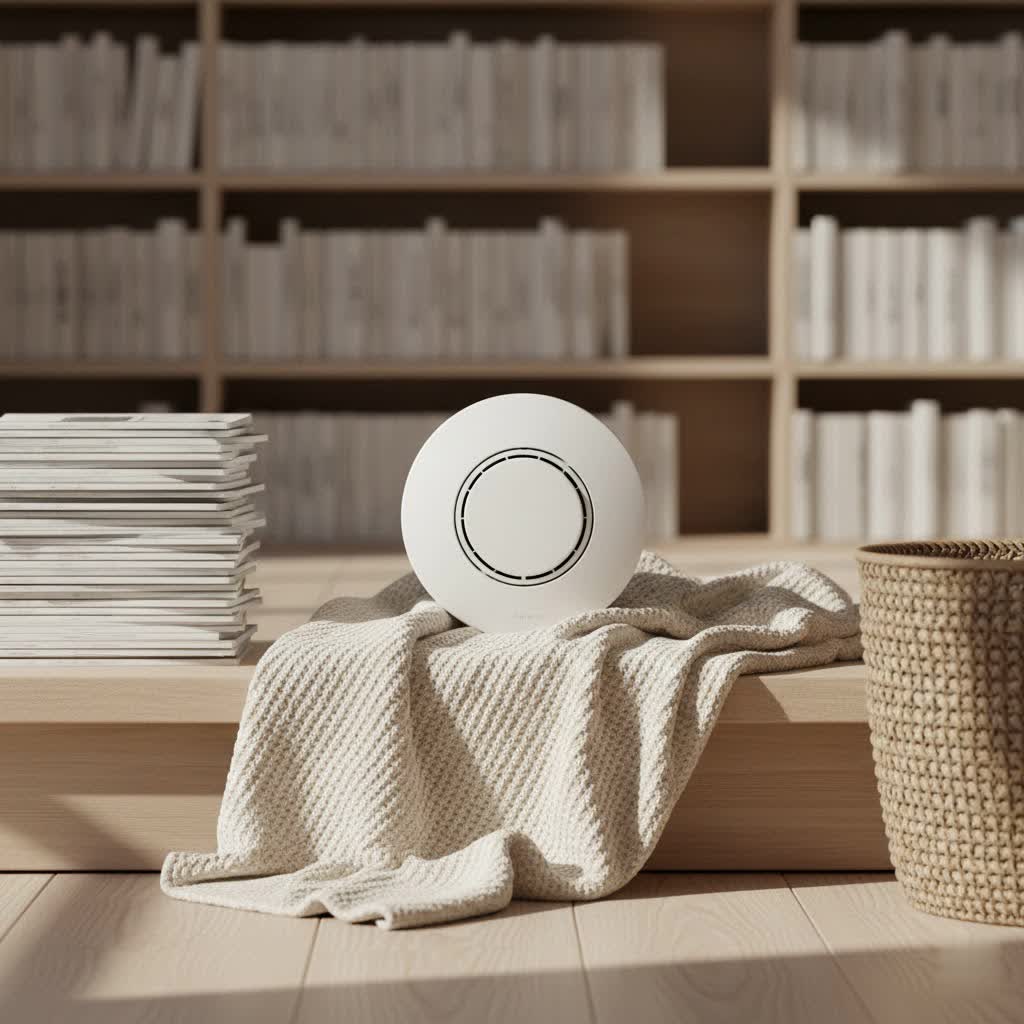
Imagine the unsettling silence of a sleeping home, only to be shattered by the piercing alarm of a smoke detector, a sound that signals immediate danger and the critical need to act. A reliable smoke detector isn’t just a convenience; it’s a silent sentinel, a first line of defense that can mean the difference between safety and catastrophe. With countless options available on Amazon, selecting the right one can feel overwhelming. This comprehensive guide will simplify your search, helping you understand the types, features, and optimal placement for smoke detectors, ensuring you make an informed decision to protect your home and loved onesLet’s dive into the world of Amazon smoke detectors to find your perfect match.
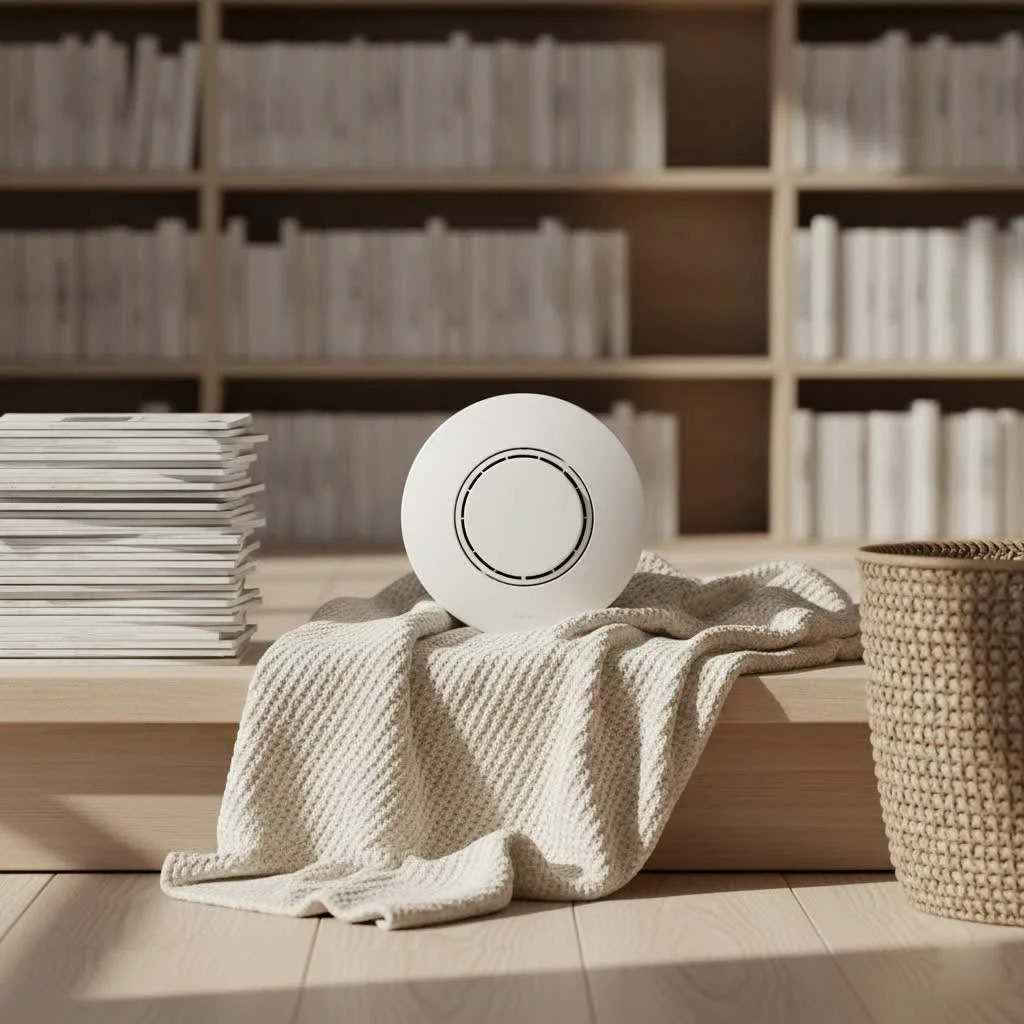
What is a Smoke Detector and Why is it Essential?
A smoke detector is a crucial safety device designed to detect smoke, often an early indicator of fire, and alert occupants with an audible alarm. Its fundamental principle involves sensors that constantly monitor the air for smoke particles. When these particles reach a certain concentration, the alarm activates, giving precious time to evacuate and contact emergency services. The importance of these devices cannot be overstated; fire incidents can escalate rapidly, and early detection significantly increases survival rates and reduces property damage. Many residential fires start from smoldering sources, making quick detection vital, especially when you are asleep. For browse all home fire articles on this site.
Types of Smoke Detectors: Pros and Cons
Understanding the different types of smoke detectors is key to choosing the best protection for various areas of your home. Each type utilizes a distinct technology to detect smoke, making them more effective for specific kinds of fires.
Photoelectric Smoke Detectors
Photoelectric smoke detectors operate using a chamber with a light source and a light sensor. In normal conditions, the light beam passes straight, missing the sensor. However, when smoke enters the chamber, it scatters the light, causing some of it to hit the sensor and trigger the alarm.
- Advantages: These detectors are particularly good at sensing smoldering fires, which produce large, visible smoke particles before bursting into flame. Think of a cigarette burning a sofa or an overloaded electrical outlet smoldering—situations that create dense smoke slowly. They are generally less prone to nuisance alarms from cooking fumes compared to ionization detectors.
- Disadvantages: They can be more expensive than ionization detectors. While excellent for smoldering fires, they might respond slightly slower to fast-flaming fires with less visible smoke.
Ionization Smoke Detectors
|
Our Picks for the Best Smoke Detector in 2026
As an Amazon Associate I earn from qualifying purchases.
|
||
| Num | Product | Action |
|---|---|---|
| 1 | 4-in-1 Gas & Carbon Monoxide Detector, Plug-in & Battery Powered – Multi-Gas Protection, Accurate CO, Temperature & Humidity Monitoring, LCD Display, Adjustable Brightness, Sensitive Alarm |

|
| 2 | 6 in 1 Plug in Smoke and Carbon Monoxide Detector Combo, Portable Smoke, Gas & CO Detector with Battery Operated, Temp, Humidity - Smoke Alarm Carbon Monoxide Natural Gas Leak Detector for Home, RV |
|
| 3 | First Alert SMI100-AC, Hardwire Interconnect Smoke Alarm with Battery Backup, 6-Pack |
|
| 4 | 3 Pack 10 Year Battery Operated Smoke and Carbon Monoxide Detector, Portable Fire Co Alarm for Home and Kitchen (White) |
|
| 5 | Kidde Smoke Detector, 10-Year Battery Powered, LED Warning Light Indicators |
|
| 6 | First Alert SMI100, Battery-Operated Smoke Alarm, 2-Pack |
|
| 7 | Kidde Hardwired Smoke & Carbon Monoxide Detector, AA Battery Backup Smoke Alarm, Interconnectable, LED Warning Light Indicators, 2 Pack |
|
| 8 | Smoke Alarm Fire Detector,Battery Operated Photoelectric Smoke Detector with Test Button and Low Battery Warning, Fire Alarms Smoke Detectors for Home, 6 Pack |
|
| 9 | First Alert SMI100, Battery-Operated Smoke Alarm, 3-Pack |
|
| 10 | Kidde Hardwired Smoke Detector, AA Battery Backup, Interconnectable, LED Warning Light Indicators, 4 Pack |
|
Ionization smoke detectors contain a small amount of radioactive material (Americium-241) that ionizes the air between two electrically charged plates, creating a small, constant electric current. When smoke particles enter the chamber, they disrupt this current, causing the alarm to sound.
- Advantages: Ionization alarms are typically more responsive to fast-flaming fires, which consume combustibles quickly and produce smaller, invisible smoke particles. They are generally less expensive to purchase.
- Disadvantages: These detectors can be more susceptible to false alarms from small, everyday events like burnt toast or steam, leading some homeowners to disable them, which is a dangerous practice. Due to the radioactive material, albeit in minute, safe quantities, some people prefer alternatives.
Dual Sensor Smoke Detectors (Combined)
Dual sensor smoke detectors combine both photoelectric and ionization technologies within a single unit. This design aims to offer comprehensive protection by being sensitive to both smoldering and fast-flaming fires.
- Advantages: They provide superior, all-around protection by integrating the strengths of both sensor types. If one type of fire occurs, the appropriate sensor is more likely to detect it quickly.
- Disadvantages: As expected, these combined units usually come with a higher price tag than single-sensor models.
Detailed Comparison Chart for Smoke Detectors
To further assist your decision-making, here’s a comparison of the key characteristics of each smoke detector type.
| Feature | Photoelectric | Ionization | Dual Sensor (Combined) |
|---|---|---|---|
| Detection Principle | Light scattering by smoke particles | Disruption of ionized air current by smoke | Combines both light scattering and ionization |
| Best for | Smoldering fires (slow, smoky) | Fast-flaming fires (quick, less visible smoke) | Both smoldering and fast-flaming fires |
| Response Time | Faster for smoldering, slower for flaming | Faster for flaming, slower for smoldering | Fast for both types |
| False Alarm Risk | Lower, less sensitive to cooking/steam | Higher, more sensitive to cooking/steam | Moderate, depends on sensor sensitivity calibration |
| Typical Cost | Mid to High | Low to Mid | High |
| Eco-Friendliness | High | Lower (due to radioactive material) | High |
| Common Placement | Living rooms, bedrooms, hallways | Kitchens (with caution), utility rooms, garages | All living areas, comprehensive coverage |
Your Buying Guide to Choosing the Right Smoke Detector on Amazon
Navigating the vast selection of smoke detectors on Amazon requires a systematic approach. By considering your specific needs and important product criteria, you can confidently choose the best device for your home.
Determine Your Usage Needs
Before diving into product listings, take a moment to assess your home’s unique requirements.
- Space Area to Protect: Consider the size and layout of your home. A multi-story house or a large open-plan living area will likely require interconnected alarms to ensure everyone is alerted simultaneously.
- Type of Area: Different rooms have different fire risks. Kitchens, for example, might benefit from a heat detector or a photoelectric alarm less prone to cooking-related false alarms, while bedrooms need reliable smoke detection for smoldering fires.
- Budget Considerations: Smoke detector prices vary significantly based on features, brand, and type. Determine a realistic budget, but that safety is an investment. While economical options exist, high-end smart detectors offer enhanced features that may justify a higher cost.
Key Criteria for Selection
Once you understand your needs, focus on these critical features when comparing Amazon smoke detector listings.
- Quality Certifications (UL, EN): Always look for smoke detectors that carry certifications from recognized testing laboratories, such as UL (Underwriters Laboratories) in North America or EN (European Norm) in Europe. These certifications ensure the product meets stringent safety and performance standards.
- Battery Life and Low Battery Warnings: Many modern smoke detectors come with 10-year sealed lithium batteries, eliminating the need for frequent battery changes. This is a significant advantage for hassle-free maintenance. Ensure the detector has a clear low-battery warning system, typically an audible chirp.
- Connectivity and Remote Notifications (Smart Features): For enhanced peace of mind, consider smart smoke detectors. These devices often connect to your home Wi-Fi and can send alerts directly to your smartphone, even when you’re away. Many integrate with smart home ecosystems like Alexa or Google Home, offering voice alerts and remote monitoring capabilities. Some also feature interconnected alarms, meaning if one alarm sounds, all connected units will also sound, ensuring broader notification.
- Ease of Installation and Maintenance: Look for models with straightforward installation processes. Many battery-powered units are easy to mount with minimal tools. Consider models that simplify cleaning and battery replacement (if not a sealed unit). A test/silence button is also a standard, convenient feature.
“Investing in a smoke detector with a 10-year sealed battery is one of the smartest decisions you can make for home safety. It provides consistent protection and removes the common oversight of forgetting to change batteries.” – John Doe, Fire Safety Expert
Top Smoke Detectors to Consider on Amazon
Based on common features and reputable brands frequently found on Amazon, here are some categories and examples to guide your choice:
-
Best Overall Smart Protection: Google Nest Protect Smoke & Carbon Monoxide Alarm
- Pros: Dual-sensor (photoelectric and electrochemical CO), Wi-Fi connectivity, smartphone alerts, voice alerts (specifying danger and location), integrates with Google Home. Offers self-testing features.
- Cons: Higher price point, requires smart home integration for full benefits.
-
Best Value & Reliability: Kidde Smoke & Carbon Monoxide Detector (10-Year Sealed Battery)
- Pros: Often features a photoelectric sensor for smoldering fires, combined with an electrochemical sensor for CO. 10-year sealed lithium battery provides long-term, worry-free operation. Easy installation and a loud 85dB alarm. Many models are interconnected capable.
- Cons: Might lack advanced smart home integrations of higher-end models.
-
Excellent Interconnectivity & Value: X-Sense Interconnected Wireless Smoke & CO Detector
- Pros: Often available in multi-packs, these detectors are designed to communicate wirelessly, ensuring all alarms sound if one detects a threat. Many models combine photoelectric and electrochemical CO sensors. Offers a good balance of features and affordability, especially for whole-home coverage.
- Cons: Some models might not integrate with major smart home platforms, requiring their own app/system.
-
Solid Performer for Basic Needs: First Alert SMCO210V Smoke & Carbon Monoxide Alarm
- Pros: Features both photoelectric and electrochemical sensors for smoke and CO detection. Often includes voice alerts to clearly state the type and location of the threat. Ten-year sealed battery. Strong, loud alarm.
- Cons: May have a stiff test/silence button according to some users.
Optimal Smoke Detector Placement
Correct placement is as important as choosing the right detector. Strategic positioning maximizes effectiveness and minimizes false alarms.
General Principles for Placement
- Every Level: Install at least one smoke detector on every level of your home, including the basement.
- Near Sleeping Areas: Place detectors outside each separate sleeping area, such as in hallways leading to bedrooms.
- Inside Bedrooms: For optimal safety, install a smoke detector inside every bedroom, especially with doors closed at night.
- Garage: Consider installing a heat detector or a smoke detector specifically rated for garage environments to detect vehicle fires or other hazards.
- Ceiling Mounting: Smoke and heat rise, so the best place for a smoke detector is on the ceiling. If wall mounting, position the detector high on the wall, typically within 4-12 inches (10-30 cm) from the ceiling.
Positions to Avoid
Certain locations can trigger nuisance alarms or hinder proper detection:
- Near Kitchens and Bathrooms: Steam from showers or cooking fumes can cause false alarms, leading to frustration and potential disabling of the device. For kitchens, a heat detector or a photoelectric model designed to minimize cooking false alarms is often a better choice.
- Vents and Windows: Avoid placing detectors near supply or return air vents, windows, or doors where drafts can prevent smoke from reaching the sensor or trigger false alarms.
- Dusty Areas: Garages, workshops, and utility rooms can be dusty, which may interfere with sensor operation or cause false alarms. Choose robust models designed for these environments or consider heat detectors instead.
- Direct Sunlight: Avoid direct sunlight, which can cause temperature fluctuations and potentially affect sensor performance.
How to Install and Maintain Your Smoke Detector
Proper installation and routine maintenance ensure your smoke detector remains a reliable guardian for your home.
Installation Steps (General)
- Read the Manual: Always start by reading the manufacturer’s instructions for your specific model.
- Choose Location: Identify optimal locations based on the guidelines above.
- Mount the Bracket: Most detectors come with a mounting bracket. Secure this to the ceiling or wall using the provided screws and anchors. For hardwired units, ensure power is off at the circuit breaker and connect wiring according to instructions (often requiring professional installation).
- Install Battery: If battery-powered, insert the batteries (or confirm the 10-year sealed battery is active).
- Attach Detector: Twist or snap the smoke detector onto the mounting bracket until it’s secure.
- Test: Press and hold the test button on the unit to ensure the alarm sounds. For interconnected systems, verify all units alarm.
Regular Maintenance for Longevity
- Test Monthly: Press the test button on each smoke detector at least once a month to ensure the battery and alarm are working.
- Clean Regularly: Dust and debris can accumulate in the sensor chamber, leading to false alarms or reduced effectiveness. Gently vacuum around the detector or wipe it with a soft, damp cloth every six months.
- Replace Batteries: For non-sealed battery units, replace batteries at least once a year (e.g., when you change clocks for daylight saving). If you hear chirping, replace the battery immediately.
- Replace the Unit: Smoke detectors have a lifespan, typically 10 years. Mark the installation date on the unit and replace it completely after a decade, as sensors can degrade over time.
Handling False Alarms
False alarms can be frustrating, but never disable your detector permanently. If a false alarm occurs:
- Identify the Cause: Was it cooking smoke, steam, dust, or an aging battery?
- Use Hush Button: Most detectors have a “hush” or “silence” button to temporarily quiet the alarm for several minutes while you clear the air.
- Ventilate: Open windows and doors to clear smoke or steam.
- Clean: If dust is suspected, clean the detector.
- Relocate: If an area consistently causes false alarms, consider relocating the detector to a more appropriate spot or upgrading to a model less sensitive to nuisance triggers (e.g., photoelectric for kitchens).
Safety Standards and Certifications for Smoke Detectors
When purchasing a smoke detector on Amazon, safety certifications are a shows a product’s reliability and adherence to strict performance benchmarks.
The most recognized certifications include:
- UL 217 (Underwriters Laboratories): This is the standard for single and multiple station smoke alarms in the United States. A UL listing indicates that the product has undergone rigorous testing for fire safety.
- EN 14604 (European Norm): This standard applies to smoke alarm devices in Europe, ensuring they meet specific requirements for reliability, durability, and operational performance.
These certifications mean the product has been independently tested and found to perform as advertised under specific conditions. Always prioritize detectors that proudly display these marks, as they signify a commitment to quality and safety.
In addition to these, a new standard from the National Institute of Standards and Technology (NIST) adopted in July 2024 emphasizes that smoke detectors must effectively detect both fast-burning and smoldering fires without being overly sensitive to everyday cooking fumes. This push aims to improve detector performance and reduce nuisance alarms.
Conclusion
Choosing the right smoke detector on Amazon is a fundamental step toward safeguarding your home and family. From understanding the nuances of photoelectric and ionization sensors to embracing the smart features of modern devices, each decision contributes to a more secure living environment. to prioritize certified products, consider 10-year sealed batteries for convenience, and carefully plan your installation locations to maximize effectiveness. Regular testing and maintenance are simple yet vital practices that ensure your smoke detectors remain vigilant. Don’t wait until it’s too late; make the informed choice today. What steps will you take this week to enhance your home’s fire safety?
Frequently Asked Questions
How often should I test my smoke detectors?
You should test your smoke detectors at least once a month by pressing the test button. This quick check ensures the batteries and the alarm sounder are working correctly, providing continuous protection for your home.
Can I install a smoke detector near my kitchen?
While not ideal due to potential false alarms from cooking fumes, if you must, opt for a photoelectric smoke detector or, even better, a heat detector in the kitchen. Ensure it’s placed at least 10 feet from cooking appliances to minimize nuisance alarms.
What is the lifespan of a smoke detector?
Most smoke detectors have a recommended lifespan of 10 years. After this period, the sensors can degrade, reducing their effectiveness. It’s crucial to replace the entire unit every decade, even if it appears to be working.
Are smart smoke detectors worth the extra cost?
Smart smoke detectors offer significant benefits, such as remote notifications to your smartphone, voice alerts, and integration with smart home systems. This added connectivity provides enhanced peace of mind, especially when you’re away from home, making the extra cost a worthwhile investment for many.
What’s the difference between a smoke alarm and a carbon monoxide detector?
A smoke alarm detects smoke from fires, while a carbon monoxide (CO) detector senses colorless, odorless, and poisonous CO gas, which can be produced by faulty fuel-burning appliances. For comprehensive safety, combination smoke and CO detectors are highly recommended.
Why does my smoke detector keep chirping?
A chirping smoke detector typically indicates a low battery, signaling that it needs to be replaced. For units with 10-year sealed batteries, chirping usually means the unit itself has reached the end of its lifespan and needs to be entirely replaced.
Should all my smoke detectors be interconnected?
Yes, for maximum safety, it’s highly recommended that all smoke detectors in your home be interconnected. This means if one alarm detects smoke, all other connected alarms will also sound, ensuring everyone in the house is alerted, regardless of where the fire starts.
Get our weekly buyer guide
Practical specs, not advice. Unsubscribe anytime.
