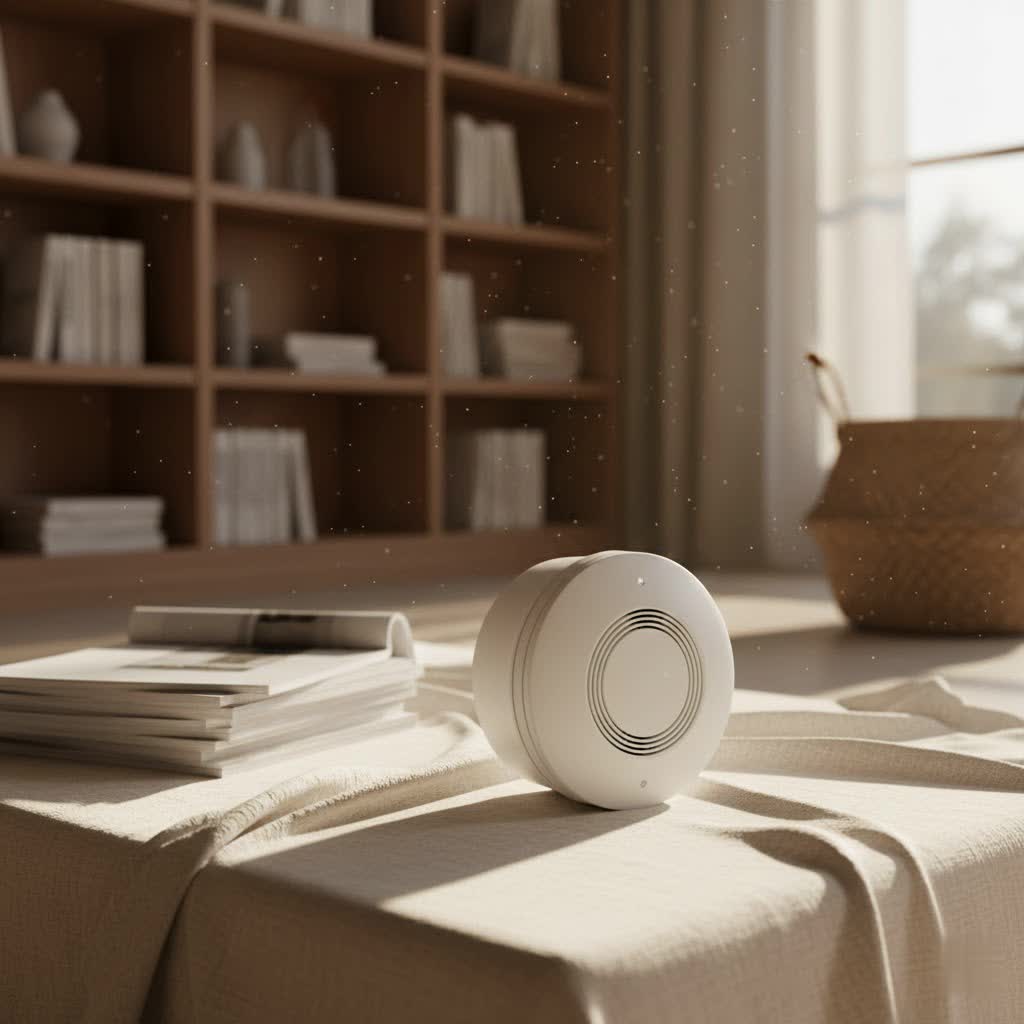
In today’s rapidly evolving world, home safety has taken on a new dimension. While traditional smoke detectors have long been our first line of defense against devastating fires, the advent of smart technology has transformed these essential devices into more sophisticated guardians. If you’ve ever been startled awake by a chirping low-battery alarm or worried about what’s happening at home while you’re away, then you understand the value a smart smoke detector brings to the table. These intelligent devices offer enhanced peace of mind, seamless integration into your smart home, and critical alerts delivered directly to your smartphone, wherever you are. This comprehensive guide will navigate the world of smart smoke detectors, helping you understand their benefits, compare the best options, and choose the perfect system to protect your family and property.
What is a Smoke Detector and Why is it Essential?
A smoke detector is a crucial safety device designed to sense smoke, an indicator of fire, and emit an audible warning. Its primary purpose is to provide early detection, giving occupants precious time to evacuate and firefighters more time to control a blaze. The importance of these devices cannot be overstated, as early detection significantly increases survival rates and reduces property damage. According to fire safety experts, properly installed and maintained smoke detectors are often the first alert system in a house fire.
Traditionally, smoke detectors operate using one of two primary technologies: ionization or photoelectric sensing. Ionization detectors are typically more responsive to fast-flaming fires, which produce small, invisible combustion particles. Photoelectric detectors, on the other hand, excel at detecting slow-smoldering fires, which generate larger, visible smoke particles. Many modern detectors, particularly smart ones, now feature dual sensors to provide comprehensive protection against both types of fires.
What makes a smoke detector “smart” is its ability to connect to your home’s Wi-Fi or other smart home protocols, enabling a suite of advanced features. Beyond simply sounding an alarm, a smart smoke detector sends real-time alerts to your smartphone, notifies you of low battery levels through an app, and can often integrate with other smart home devices like security cameras or smart lighting. This connectivity ensures you’re informed, whether you’re at home or away, transforming passive protection into active monitoring and management.
Classifying Smoke Detectors: Pros and Cons
Understanding the different types of smoke detectors is crucial when considering their smart counterparts. Each sensor type has distinct advantages and disadvantages, which smart features can often mitigate or enhance.
Photoelectric Smart Smoke Detectors
|
Our Picks for the Best Smoke Detector in 2026
As an Amazon Associate I earn from qualifying purchases.
|
||
| Num | Product | Action |
|---|---|---|
| 1 | 4-in-1 Gas & Carbon Monoxide Detector, Plug-in & Battery Powered – Multi-Gas Protection, Accurate CO, Temperature & Humidity Monitoring, LCD Display, Adjustable Brightness, Sensitive Alarm |

|
| 2 | Kidde Hardwired Smoke Detector, AA Battery Backup, Interconnectable, LED Warning Light Indicators, 4 Pack |
|
| 3 | First Alert SMI100-AC, Hardwire Interconnect Smoke Alarm with Battery Backup, 6-Pack |
|
| 4 | 3 Pack 10 Year Battery Operated Smoke and Carbon Monoxide Detector, Portable Fire Co Alarm for Home and Kitchen (White) |
|
| 5 | 6 in 1 Plug in Smoke and Carbon Monoxide Detector Combo, Portable Smoke, Gas & CO Detector with Battery Operated, Temp, Humidity - Smoke Alarm Carbon Monoxide Natural Gas Leak Detector for Home, RV |
|
| 6 | First Alert SMI100, Battery-Operated Smoke Alarm, 3-Pack |
|
| 7 | First Alert SMI100, Battery-Operated Smoke Alarm, 2-Pack |
|
| 8 | Kidde Hardwired Smoke & Carbon Monoxide Detector, AA Battery Backup Smoke Alarm, Interconnectable, LED Warning Light Indicators, 2 Pack |
|
| 9 | Smoke Alarm Fire Detector,Battery Operated Photoelectric Smoke Detector with Test Button and Low Battery Warning, Fire Alarms Smoke Detectors for Home, 6 Pack |
|
| 10 | Kidde Smoke Detector, 10-Year Battery Powered, LED Warning Light Indicators |
|
Photoelectric smoke detectors work by directing a light source into a sensing chamber. When smoke enters the chamber, it scatters the light into a sensor, triggering the alarm.
- Pros: They are generally more responsive to smoldering fires, which produce a lot of visible smoke before bursting into flames. These are the types of fires that might start from a cigarette dropped on furniture or electrical wiring overheating. Modern photoelectric sensors, especially in smart devices, are also designed with advanced processing to differentiate between actual fire smoke and nuisance alarms caused by cooking fumes or steam.
- Cons: Historically, photoelectric sensors could be less sensitive to fast-flaming fires. However, advancements in smart technology and dual-sensor designs have largely addressed this concern. Early models were sometimes more prone to false alarms from dust, but smart features often include better filtering and advanced algorithms to reduce such occurrences.
Ionization Smart Smoke Detectors
Ionization smoke detectors contain a small amount of radioactive material that ionizes the air between two electrically charged plates, creating a current. When smoke particles enter this chamber, they disrupt the flow of ions, triggering the alarm.
- Pros: Ionization detectors are typically more effective at detecting fast-flaming fires, which consume fuel rapidly and produce smaller, less visible smoke particles.
- Cons: These detectors can be more susceptible to nuisance alarms from activities like cooking, as everyday airborne particles can also disrupt the ionization current. While the radioactive material is minimal and safe, some individuals prefer alternatives for environmental reasons. Smart features in ionization detectors can offer remote silencing options via an app, which can be convenient for managing these false alarms without having to physically reach the device.
Dual-Sensor Smart Smoke Detectors
Dual-sensor smoke detectors combine both photoelectric and ionization technologies into a single unit. This design aims to leverage the strengths of both types of sensors.
- Pros: These detectors offer superior all-around fire detection, responding effectively to both smoldering and fast-flaming fires. Many smart dual-sensor models also incorporate carbon monoxide (CO) detection, providing comprehensive protection against two of the most dangerous household threats. The combination of technologies ensures a more reliable and sensitive response to various fire conditions, making them a popular choice for ultimate home safety.
- Cons: Generally, dual-sensor and combo (smoke/CO) units come with a higher price tag than single-sensor detectors. However, the enhanced protection and peace of mind they offer often justify the investment. Their advanced technology can also mean slightly more complex installation, though smart features often simplify the setup process through guided app instructions.
Detailed Comparison Table of Smart Smoke Detector Types
| Feature | Photoelectric Smart Smoke Detector | Ionization Smart Smoke Detector | Dual-Sensor/Combo Smart Smoke Detector |
|---|---|---|---|
| Primary Detection | Smoldering fires (e.g., electrical, upholstered furniture) | Fast-flaming fires (e.g., paper, grease fires) | Both smoldering and fast-flaming fires |
| Nuisance Alarm Tendency | Low (especially with advanced processing) | Higher (from cooking, steam) | Moderate (often mitigated by smart algorithms) |
| Smart Features | App alerts, remote silencing, smart home integration, voice alerts | App alerts, remote silencing, smart home integration, voice alerts | App alerts, remote silencing, smart home integration, voice alerts, CO detection |
| Connectivity | Wi-Fi, Zigbee, Z-Wave (depending on model) | Wi-Fi, Zigbee, Z-Wave (depending on model) | Wi-Fi, Zigbee, Z-Wave (depending on model) |
| Cost | Mid-range | Mid-range | Higher |
| Battery Life | Varies (often 10-year sealed or replaceable, with app alerts) | Varies (often 10-year sealed or replaceable, with app alerts) | Varies (often 10-year sealed or replaceable, with app alerts) |
| Environment Suitability | Bedrooms, living areas, near kitchens (with good ventilation) | Not ideal near kitchens/bathrooms | All areas, especially central locations, bedrooms, kitchens (with caution) |
| Certifications | UL 217, EN 14604 | UL 217, EN 14604 | UL 217, EN 14604 |
Guide to Choosing the Right Smart Smoke Detector
Selecting the best smart smoke detector involves more than just picking a brand. It requires careful consideration of your specific home, lifestyle, and existing smart ecosystem.
Assessing Your Needs
Before diving into product specifics, take a moment to evaluate your requirements:
- Space Area to Protect: Consider the total square footage of your home and the number of levels. You’ll need multiple detectors for comprehensive coverage, typically one on each floor and in every sleeping area.
- Type of Area (Bedroom, Kitchen, Hallway): Different areas may benefit from specific sensor types. For instance, a smart dual-sensor or photoelectric detector is generally preferred for kitchens to minimize false alarms from cooking, while ionization detectors are better avoided near cooking fumes.
- Budget: Smart smoke detectors range widely in price, from budget-friendly options to premium models with extensive features. Determine how much you’re willing to invest in advanced safety.
- Existing Smart Home Ecosystem: Do you already use Google Home, Amazon Alexa, Apple HomeKit, or a Ring security system? Choosing a detector compatible with your current setup will provide seamless integration and a unified control experience.
Key Selection Criteria When Choosing
With your needs in mind, here are the critical features to look for:
- Quality Certifications (UL, EN): Always prioritize detectors with recognized certifications like UL (Underwriters Laboratories) in the US or EN 14604 in Europe. These ensure the product has undergone rigorous testing and meets essential safety and performance standards.
- Battery Life and Low Battery Alerts: Many smart detectors come with 10-year sealed batteries, eliminating the need for frequent replacements. Crucially, smart detectors send low battery notifications directly to your phone, saving you from those annoying late-night chirps and ensuring you replace batteries proactively.
- Connectivity and Remote Notifications: Wi-Fi connectivity is standard for smart features, enabling real-time alerts to your smartphone if smoke or carbon monoxide is detected. Look for models that offer robust app support, allowing you to monitor status, test the alarm, and even silence false alarms remotely.
- Smart Home Integration: Check compatibility with your preferred smart home platform (e.g., Google Home, Alexa, Ring, HomeKit). This allows for interconnected alerts, voice control, and automation (e.g., smart lights turning on if an alarm triggers).
- Dual Sensing and Carbon Monoxide Detection: For the most robust protection, opt for models that feature both photoelectric and ionization sensors, along with carbon monoxide detection. This provides comprehensive coverage against various types of fires and invisible, odorless CO gas.
- Ease of Installation and Maintenance: Look for detectors that are straightforward to install, whether hardwired or battery-powered. Smart devices often come with user-friendly app-guided setup processes. App-based testing and maintenance reminders also simplify ongoing care.
- Voice Alerts: In addition to a piercing siren, some smart detectors offer clear voice alerts that announce the type of danger (e.g., “Fire detected in the living room!”) and its location, which can be particularly helpful for waking children and guiding evacuation.
Top Smart Smoke Detectors Today
The market for smart smoke detectors is dynamic, with excellent options catering to different needs and budgets. Here are some of the top contenders frequently praised for their performance and smart features:
- Kidde Hardwired Ring App-Enabled Smart Smoke Detector: An excellent choice if you’re part of the Ring ecosystem. This hardwired photoelectric detector integrates seamlessly with the Ring app, providing remote alerts and voice notifications. It’s lauded for its reliable detection and ability to connect with other hardwired Kidde alarms for whole-home smart functionality. While it doesn’t require other Ring devices, its compatibility makes it ideal for existing Ring users.
- First Alert Battery Smart Smoke & Carbon Monoxide Alarm with Nest Protect: For those committed to Google Nest, this First Alert model is a strong alternative since Google Nest Protect has been discontinued. It’s a battery-powered dual-sensor (photoelectric/electrochemical for CO) unit that works with Google’s Weave protocol, allowing it to integrate with existing Nest Protect alarms. It provides voice alerts, low-frequency tones for better waking, and phone notifications via the First Alert app, offering comprehensive protection for Google-centric smart homes.
- X-Sense Smart Smoke & Carbon Monoxide Detector Combo: This battery-powered 2-in-1 combo offers great value. It uses photoelectric and electrochemical sensors and connects via Wi-Fi to the X-Sense Home Security app, delivering real-time alerts and battery life notifications without a separate base station. Its ability to share notifications across multiple devices is a standout feature for shared households. Note that it typically doesn’t offer voice alerts or a hardwired option.
- Place Kitchen Smart Smoke and Carbon Monoxide Detector and Alarm: A premium, multi-functional device designed to blend aesthetically into modern homes. This hardwired unit boasts 7-in-1 functionality, detecting smoke, CO, natural gas, motion, temperature, and humidity. It connects to the Place app for remote management, custom alerts, and even a motion-activated night light, making it a comprehensive smart safety hub.
- Soewolit Smart Smoke Detector: A compact, wireless option with a 10-year battery. It connects to the Smart Life/Tuya app for real-time alerts and remote control, making it a flexible choice for placement anywhere in your home. It offers a loud siren and notifications for low battery, though some app features might require a subscription.
- SimpliSafe Smoke Detector: Ideal for those building a DIY home security system, this battery-powered photoelectric detector integrates directly with the SimpliSafe app and security ecosystem. It offers easy wireless setup and the option for professional monitoring, making it a straightforward choice for users prioritizing a unified security and fire safety solution.
Optimal Placement for Smart Smoke Detectors
Correct placement is as vital as choosing the right detector. Even the best smart smoke detector can be ineffective if not positioned optimally.
- General Principles: Smoke and carbon monoxide rise, so detectors should ideally be installed on ceilings or high on walls. Avoid placement too close to windows, doors, or air vents, as drafts can interfere with detection. Similarly, keep them away from humid areas and heat sources that might trigger false alarms.
- Specific Locations:
- Every Sleeping Room: Install a detector inside each bedroom. Studies show that voice alarms with a mother’s voice can be more effective at waking children.
- Outside Sleeping Areas: Place detectors in the hallway or common area directly outside of sleeping quarters.
- Every Level of Your Home: Ensure at least one smoke detector on every floor, including the basement.
- Near High-Risk Areas (with caution): While you might want a detector near the kitchen or laundry room, place it at least 10 feet (3 meters) away from cooking appliances or steam sources to prevent nuisance alarms. A photoelectric or dual-sensor smart detector with advanced false alarm reduction is best for these zones.
- Positions to Avoid:
- Within 10 feet of cooking appliances: Unless it’s a specific kitchen-rated smart detector designed for proximity.
- In or near bathrooms: Steam can cause false alarms.
- Near heating vents, air conditioning ducts, or ceiling fans: Air currents can dilute or redirect smoke.
- In dusty areas: Construction zones or garages can accumulate dust that clogs sensors, leading to false alarms or reduced effectiveness. If renovating, cover or temporarily remove detectors.
- In direct sunlight or near fluorescent lights: Can cause interference.
Installation and Maintenance of Smart Smoke Detectors
Installing and maintaining smart smoke detectors is often simpler than traditional models, thanks to app-guided setup and remote monitoring features.
Step-by-Step Installation:
- Read the Manual: Always start by reviewing your specific model’s instructions.
- Choose Optimal Location: Refer to the placement guidelines above.
- Mount the Base Plate: Secure the mounting bracket to the ceiling or wall using the provided screws. Ensure it’s firmly attached.
- Connect Wiring (for Hardwired Models): If hardwired, turn off power at the circuit breaker. Connect the detector’s wires to your home’s electrical wiring as per instructions (typically black to black, white to white, and red/orange for interconnectivity). Install the backup battery.
- Insert Batteries (for Battery-Powered Models): For battery-only units, simply insert the recommended batteries. Many smart detectors feature 10-year sealed batteries.
- Attach the Detector: Twist or snap the detector onto its mounting plate.
- Power On and Test: Restore power if hardwired. Press the test button on the device to ensure the alarm sounds. For smart detectors, follow the app’s instructions to connect it to your Wi-Fi network and integrate it with your smart home system. Perform an initial test through the app as well.
Regular Maintenance:
- Monthly Testing: Press the test button on each detector once a month to ensure the alarm sounds. Many smart apps also allow you to initiate tests remotely and will log the test results.
- Annual Cleaning: Use a soft brush attachment on your vacuum cleaner or an air duster to gently clean around the vents and openings of the detector. This removes dust and debris that can cause false alarms or obstruct smoke entry.
- Battery Replacement: For models with replaceable batteries, change them immediately when the low battery alert is triggered (which your smart app will notify you of). For 10-year sealed battery units, the entire unit needs to be replaced at its end-of-life.
- Unit Replacement (Every 10 Years): Smoke detectors have a lifespan of approximately 10 years. After this period, their sensors can degrade, making them less reliable. Your smart detector’s app may even provide an end-of-life notification. Replace all units after a decade of service.
Handling False Alarms:
Smart smoke detectors often have features to reduce false alarms from cooking or steam. If a false alarm does occur, the beauty of a smart detector is the ability to silence it remotely via its associated app, preventing you from needing to reach the physical device. If false alarms are frequent, re-evaluate the detector’s placement or ensure it’s clean.
Safety Standards and Certifications for Smoke Detectors
When investing in a device that literally holds your life in its hands, understanding safety standards and certifications is paramount. These certifications are your assurance that a product has been independently tested and meets stringent performance and safety requirements.
- UL (Underwriters Laboratories): In North America, the UL mark is one of the most recognized and respected certifications for safety. For smoke detectors, the key standard is UL 217 (Smoke Alarms). This standard outlines requirements for construction, performance, and testing of single- and multiple-station smoke alarms. Seeing the UL 217 listing on a product indicates it has passed rigorous tests for reliability and effectiveness.
- EN 14604: For countries in the European Union, the equivalent standard is EN 14604 (Smoke alarm devices). This harmonized European standard specifies requirements, test methods, and performance criteria for smoke alarm devices that are intended for domestic use.
These certifications mean the detector has been tested for its ability to detect smoke promptly, its alarm loudness, battery reliability, immunity to false alarms, and overall construction quality. Always verify that any smoke detector you purchase carries the appropriate certification for your region. This is a non-negotiable aspect of ensuring your home’s fire safety.
Conclusion
Choosing the best smart smoke detector is a crucial step towards elevating your home’s safety to modern standards. From providing instant alerts to your phone, no matter where you are, to seamlessly integrating with your smart home ecosystem, these devices offer peace of mind far beyond what traditional alarms can provide. By understanding the different sensor types, considering key features like smart home compatibility and dual sensing, and following proper placement and maintenance guidelines, you can make an informed decision that safeguards your loved ones and your property. Investing in a reliable smart smoke detector isn’t just about complying with safety regulations; it’s about proactively protecting what matters most with intelligent, connected technology. Are you ready to upgrade your home’s fire safety today?
Frequently Asked Questions
What are the main advantages of a smart smoke detector over a traditional one?
Smart smoke detectors offer several key advantages, including real-time smartphone alerts, remote monitoring and silencing capabilities, integration with other smart home devices (like voice assistants or security systems), and app-based low battery notifications. These features provide enhanced awareness and control, even when you’re away from home, significantly improving overall safety and convenience.
Can smart smoke detectors detect carbon monoxide as well?
Many of the best smart smoke detectors are “combo” units that include a carbon monoxide (CO) sensor in addition to smoke detection. These dual-purpose devices provide comprehensive protection against both fire and the odorless, colorless, and highly toxic carbon monoxide gas, making them a highly recommended choice for modern homes.
How often should I replace my smart smoke detectors?
Regardless of whether they are smart or traditional, all smoke detectors should be replaced every 10 years. Over time, the internal sensors can degrade, reducing the device’s effectiveness. Many smart detectors will even send an end-of-life notification via their app as they approach this decade mark, making it easier to when to replace them.
Do smart smoke detectors require professional installation?
Most smart smoke detectors are designed for DIY installation, especially battery-powered wireless models, which often feature app-guided setup processes. Hardwired smart detectors typically replace existing hardwired units and might require basic electrical knowledge, but many homeowners can install them themselves. If uncomfortable, consulting a professional is always an option.
What kind of smart home systems are compatible with smart smoke detectors?
Smart smoke detectors are designed to integrate with various smart home ecosystems. Common compatibilities include Amazon Alexa, Google Home, Apple HomeKit, Ring, and Z-Wave or Zigbee hubs. When choosing a device, it’s essential to check its specifications to ensure it works seamlessly with your existing smart home platform for optimal functionality and interconnectedness.
Get our weekly buyer guide
Practical specs, not advice. Unsubscribe anytime.
