In the blink of an eye, a small spark can escalate into a devastating fire, threatening everything you hold dear. It’s a sobering thought, but one that underscores the paramount importance of reliable fire safety measures in every home. Among these, the Electric Smoke Detector stands as a vigilant guardian, ready to alert you and your loved ones at the first sign of danger. But with a myriad of options available, how do you choose the perfect “electric smoke detector” to ensure maximum protection and peace of mind? This comprehensive guide will illuminate the path, covering everything from understanding different technologies to optimal placement and maintenance.
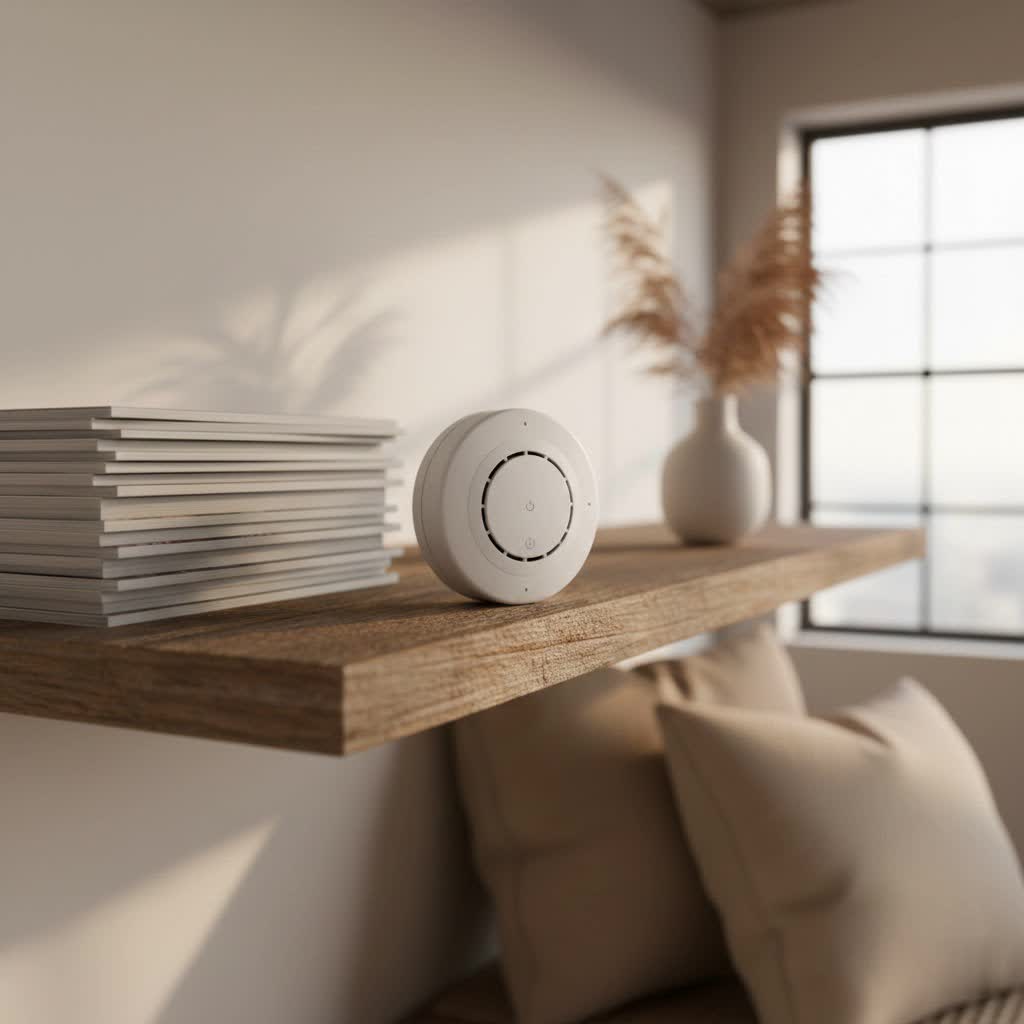
What is an Electric Smoke Detector and Why is it Essential?
An electric smoke detector, often referred to as a hardwired smoke alarm, is a critical device designed to sense smoke, typically indicating a fire. Unlike purely battery-operated models, these detectors draw their primary power directly from your home’s electrical system, usually supplemented with a battery backup to ensure continuous operation during power outages. This direct electrical connection offers a significant advantage in reliability.
The necessity of early fire detection cannot be overstated. Tragically, fire statistics consistently show that working smoke alarms drastically reduce the risk of dying in a residential fire. Early warning provides precious minutes for evacuation, allowing occupants to escape safely and firefighters to respond more effectively. An electric smoke detector, with its consistent power supply and often interconnected capabilities, offers one of the most dependable forms of this life-saving early alert.
Types of Smoke Detectors: Pros and Cons
Understanding the different sensing technologies inside a smoke detector is crucial for selecting the right type for various areas of your home.
Photoelectric Smoke Detectors
Photoelectric smoke detectors operate by using a chamber with a light source and a photosensitive cell. When smoke enters the chamber, it scatters the light, directing it onto the cell and triggering the alarm.
- Pros: These detectors are particularly effective at detecting slow, smoldering fires, which often produce a lot of visible smoke before bursting into flames. They are also less prone to false alarms caused by steam from bathrooms or normal cooking fumes.
- Cons: Photoelectric detectors can be slower to react to fast-flaming fires that produce less visible smoke initially.
|
Our Picks for the Best Smoke Detector in 2026
We may earn a commission when you use one of our links to make a purchase.
|
||
| Num | Product | Action |
|---|---|---|
| 1 | Kidde Hardwired Smoke Detector, AA Battery Backup, Interconnectable, LED Warning Light Indicators, 4 Pack |

|
| 2 | First Alert SMI100-AC, Hardwire Interconnect Smoke Alarm with Battery Backup, 6-Pack |
|
| 3 | 4-in-1 Gas & Carbon Monoxide Detector, Plug-in & Battery Powered – Multi-Gas Protection, Accurate CO, Temperature & Humidity Monitoring, LCD Display, Adjustable Brightness, Sensitive Alarm |
|
| 4 | 3 Pack 10 Year Battery Operated Smoke and Carbon Monoxide Detector, Portable Fire Co Alarm for Home and Kitchen (White) |
|
| 5 | First Alert SMI100, Battery-Operated Smoke Alarm, 3-Pack |
|
| 6 | Smoke Alarm Fire Detector,Battery Operated Photoelectric Smoke Detector with Test Button and Low Battery Warning, Fire Alarms Smoke Detectors for Home, 6 Pack |
|
| 7 | First Alert SMI100, Battery-Operated Smoke Alarm, 2-Pack |
|
| 8 | Kidde Smoke Detector, 10-Year Battery Powered, LED Warning Light Indicators |
|
| 9 | Kidde Hardwired Smoke & Carbon Monoxide Detector, AA Battery Backup Smoke Alarm, Interconnectable, LED Warning Light Indicators, 2 Pack |
|
| 10 | 6 in 1 Plug in Smoke and Carbon Monoxide Detector Combo, Portable Smoke, Gas & CO Detector with Battery Operated, Temp, Humidity - Smoke Alarm Carbon Monoxide Natural Gas Leak Detector for Home, RV |
|
Ionization Smoke Detectors
Ionization smoke detectors contain a small amount of radioactive material that ionizes the air between two electrically charged plates, creating a tiny, continuous electric current. When smoke particles enter this chamber, they disrupt the flow of ions, causing a drop in the current and triggering the alarm.
- Pros: Ionization alarms are generally more responsive to fast-flaming fires, where flames spread rapidly and produce small, invisible combustion particles. They are also typically more cost-effective.
- Cons: These detectors are more susceptible to nuisance alarms from cooking, steam, or dust. While the radioactive material is minimal and safe, some individuals prefer alternatives for environmental reasons.
Dual Sensor (Combined) Smoke Detectors
Dual sensor smoke detectors incorporate both photoelectric and ionization technologies into a single unit.
- Pros: By combining both sensing methods, these detectors offer comprehensive protection, capable of detecting both smoldering and fast-flaming fires. This versatility reduces the need to choose between sensor types for different areas.
- Cons: Due to their dual technology, these units generally come with a higher price tag than single-sensor models.
Hardwired vs. Battery-Powered: The Electric Advantage
When considering smoke detectors, the power source is a fundamental choice, and “electric smoke detectors” specifically refer to hardwired units.
Hardwired Electric Smoke Detectors are directly integrated into your home’s electrical system. This connection provides a constant and reliable power source, eliminating concerns about dead batteries under normal operating conditions. Most hardwired models also include a battery backup to maintain functionality during power outages, offering an extra layer of security.
A significant advantage of hardwired systems is their interconnectedness. If one hardwired detector senses smoke and triggers an alarm, it signals all other interconnected alarms in your home to sound simultaneously. This feature is crucial for larger homes or multi-story dwellings, ensuring everyone is alerted regardless of where the fire originates. Hardwired detectors also typically boast a longer lifespan than purely battery-powered units, often lasting up to 10 years before requiring replacement.
However, the installation of hardwired detectors is more complex, usually requiring a qualified electrician to ensure proper wiring into your home’s electrical system and adherence to local building codes. This professional installation contributes to a higher upfront cost compared to simple battery-powered units.
In contrast, Battery-Powered Detectors are easy to install, making them suitable for DIY enthusiasts and renters. They offer portability and flexibility in placement. However, their reliability hinges on regular battery checks and replacements, usually annually. If maintenance is overlooked, a dead battery can render the detector useless, compromising safety.
For ultimate reliability and comprehensive home coverage, especially in new constructions or major renovations where building codes often mandate them, hardwired electric smoke detectors are generally the preferred choice.
Detailed Comparison Table: Smoke Detector Types
To help you visualize the differences, here’s a detailed comparison:
| Feature | Photoelectric | Ionization | Dual Sensor (Combined) | Hardwired (Electric) |
|---|---|---|---|---|
| Sensor Type | Optical (light scattering) | Chemical (ion current disruption) | Optical + Chemical | (Refers to power source, not sensor type) |
| Best for | Slow, smoldering fires | Fast, flaming fires | Both smoldering & flaming fires | (Power Source) |
| False Alarms | Less prone to cooking/steam | More prone to cooking/steam | Moderate likelihood | (Power Source, depends on sensor type) |
| Reliability | Good | Good | Excellent (comprehensive) | High (constant mains power) |
| Cost | Moderate | Lower | Higher | Higher (includes installation) |
| Battery Life | Varies (often 10-year sealed) | Varies (often 10-year sealed) | Varies (often 10-year sealed) | Backup battery only (often 10-year sealed) |
| Interconnected | Optional (via wiring or wireless) | Optional (via wiring or wireless) | Optional (via wiring or wireless) | Often standard (wired) |
Your Essential Guide to Choosing the Right Electric Smoke Detector
Selecting the best electric smoke detector for your home involves weighing several factors to match your specific safety needs and preferences.
Assess Your Home’s Needs
Start by considering the unique characteristics of your living space:
- Size and Layout: Larger homes or multi-story properties benefit immensely from interconnected hardwired systems that ensure all alarms sound simultaneously, providing maximum alert coverage.
- Specific Areas: For areas prone to nuisance alarms like kitchens, a photoelectric or dual-sensor model is often preferable to minimize false alerts. Bedrooms and living areas can benefit from dual-sensor protection.
- Budget: While hardwired systems have a higher initial installation cost, their enhanced reliability and longer lifespan can offer better long-term value and safety.
Key Features to Prioritize
When you’re ready to make a selection, look for these crucial features:
- Certifications: Always choose detectors bearing recognized safety certifications such as UL 217 (for residential use in the US), EN 14604 (Europe), or CAN/ULC-S531 (Canada). These certifications ensure the product has been rigorously tested and meets stringent safety standards.
- Interconnectedness: For hardwired systems, ensuring all detectors are interconnected is a non-negotiable feature. This means if one alarm detects smoke, every alarm in your home will sound, providing vital early warning.
- Power Reliability: Opt for hardwired models with a sealed, long-life battery backup (ideally 10-year) to ensure uninterrupted protection even during power outages.
- Smart Capabilities: Modern electric smoke detectors often integrate smart features. Look for models with Wi-Fi or Bluetooth connectivity for mobile alerts, remote monitoring, and integration with your smart home system. These features can notify you of an emergency even when you’re away from home.
- Test/Hush Buttons: An easily accessible test button is essential for monthly checks, while a hush button allows you to temporarily silence nuisance alarms without disabling the unit.
“Investing in hardwired smoke detectors with interconnected features and a 10-year sealed battery backup is one of the smartest decisions a homeowner can make for fire safety. It provides consistent vigilance and peace of mind.” – John Davis, Certified Fire Safety Engineer
Top Electric Smoke Detectors
While product availability can vary, some highly-regarded electric smoke detector brands and models consistently earn recommendations for their reliability and advanced features:
- Kidde Hardwired Ring App Enabled Smart Smoke Detector: This model offers the reliability of a hardwired connection combined with smart home integration, sending alerts directly to your smartphone and connecting with Ring security systems.
- First Alert 3120B Hardwire Dual Sensor: A robust hardwired dual-sensor alarm, it provides comprehensive protection against both fast-flaming and smoldering fires, with battery backup and the ability to interconnect with other compatible alarms.
These examples highlight the blend of traditional reliability with modern convenience, providing robust fire safety.
Optimal Placement for Your Electric Smoke Detectors
Proper placement is as critical as choosing the right detector. Smoke detectors should be installed where they can offer the earliest possible warning of a fire.
General Rules
- Inside every bedroom: Fires often start or spread rapidly in sleeping areas.
- Outside each sleeping area: This ensures occupants are alerted when exiting their rooms.
- On every level of the home, including the basement: Smoke rises, so coverage on all levels is essential.
- On levels without bedrooms: Install alarms in the living room, den, family room, or near stairways to upper levels.
- Mount high on walls or ceilings: Since smoke rises, these locations provide the quickest detection.
Specific Placement Tips
- Ceiling Mounting: If installing on the ceiling, position the detector at least 4 to 8 inches away from the nearest wall.
- Wall Mounting: If mounting on a wall, ensure it is installed between 4 and 12 inches down from the ceiling.
- Avoid Dead Air Spaces: Keep detectors away from corners where walls meet the ceiling, as these “dead air” pockets can prevent smoke from reaching the sensor. Similarly, on vaulted ceilings, avoid the apex and install the alarm at least 4 inches from the peak.
Areas to Avoid
Certain locations can lead to nuisance alarms or hinder detector performance, so they should be avoided:
- Within 10 feet (3 meters) of cooking appliances: Cooking fumes can easily trigger false alarms.
- Bathrooms and laundry rooms: High humidity and steam can cause false alarms.
- Near vents, windows, or ducts: Drafts can interfere with smoke reaching the detector.
- Areas with excessive dust or insects: Accumulation can lead to false alarms and reduced sensitivity.
- Garages or furnace rooms: Combustion byproducts can trigger alarms.
Installation and Maintenance for Lasting Safety
Ensuring your electric smoke detector functions optimally involves proper installation and consistent maintenance.
Installation (for Hardwired)
While battery-powered smoke alarms are often a DIY project, installing hardwired electric smoke detectors typically requires a professional electrician. This is due to the need to safely integrate the units into your home’s electrical wiring system, including connecting live, neutral, earth, and interlink wires (for interconnected systems). A professional ensures compliance with electrical codes, proper functionality, and minimizes the risk of electrical hazards. They can also correctly plan the wiring layout across multiple units for seamless interconnection.
Routine Maintenance
Even the most reliable electric smoke detector requires regular care to remain effective:
- Monthly Testing: Press the test button on each unit monthly. A loud alarm confirms the detector is functioning correctly. If you have interconnected alarms, all units should sound.
- Annual Cleaning: Use a soft brush attachment on a vacuum cleaner to gently clean around the vents and openings of the detector. This removes dust and cobwebs that can cause false alarms or block smoke entry.
- Battery Replacement (for backup): If your hardwired detector has a replaceable battery backup (not a sealed 10-year battery), change it at least once a year. A common reminder is to replace batteries when you change your clocks for daylight saving time.
- Replace Entire Unit Every 10 Years: Smoke detectors do not last indefinitely. The sensors can degrade over time. Most manufacturers and fire safety authorities recommend replacing the entire smoke detector unit every 10 years from its manufacture date. Check the date on the back of the unit.
- Handling False Alarms: If your detector sounds a nuisance alarm from cooking or steam, use the “hush” or “silence” button to temporarily quiet it. If false alarms are frequent, check for dust buildup or consider relocating the detector slightly further from the source of the nuisance.
Safety Standards and Certifications: What to Look For
When purchasing an electric smoke detector, understanding safety standards and certifications is paramount. These labels are your assurance that a product has met rigorous performance and safety requirements.
Key Organizations
- Underwriters Laboratories (UL): A globally recognized safety certification company. For the US market, look for UL 217 (Standard for Single and Multiple Station Smoke Alarms, typically residential) and UL 268 (Standard for Smoke Detectors for Fire Alarm Systems, often commercial or interconnected residential). The latest editions of these standards include performance-based technology requirements designed to better distinguish between cooking smoke and actual fire smoke, reducing nuisance alarms.
- National Fire Protection Association (NFPA): The NFPA 72, National Fire Alarm and Signaling Code, provides comprehensive guidelines for the installation, inspection, testing, and maintenance of fire alarm and signaling systems, including smoke detectors, in both residential and commercial settings. While NFPA doesn’t certify products, compliance with NFPA 72 is often a local building code requirement.
- European Standard (EN 14604): For products sold in Europe, the EN 14604 standard covers smoke alarms for household use.
Importance of Certifications
Choosing a smoke detector with proper certification means the product has undergone extensive third-party testing to verify its ability to detect smoke and trigger an alarm promptly and effectively under various conditions. These certifications ensure:
- Reliability: The detector will perform as expected in a fire event.
- Safety: The product itself does not pose undue electrical or other hazards.
- Compliance: The detector meets national and local building codes, which can be essential for insurance purposes and occupant safety.
Always look for the recognized certification mark (e.g., ETL Listed Mark, CE Marking) on the product packaging and the device itself.
Conclusion
An electric smoke detector is far more than just a piece of equipment; it’s a vital component of your home’s safety system, offering early warning that can literally save lives. By understanding the different sensor technologies – photoelectric for smoldering fires, ionization for fast flames, and dual sensors for comprehensive coverage – and prioritizing hardwired models with battery backup and interconnected features, you make an informed decision for reliable protection. Remember to consider certifications like UL 217 or EN 14604, and commit to optimal placement and routine maintenance for lasting effectiveness. Don’t wait for an emergency; take proactive steps today to ensure your home is equipped with the best “electric smoke detector” solution, safeguarding what matters most. Are you ready to upgrade your home’s fire safety to the next level?
Frequently Asked Questions
How often should electric smoke detector batteries be changed?
Even hardwired electric smoke detectors typically include a battery backup for power outages. If your model has a replaceable battery (not a sealed 10-year battery), it should be changed at least once a year. However, if your unit has a 10-year sealed battery, you only need to replace the entire unit after ten years.
Can I install an electric smoke detector myself?
While theoretically possible for experienced DIYers, installing hardwired electric smoke detectors usually requires professional installation by a qualified electrician. This ensures correct wiring into your home’s electrical system, proper interconnection, and compliance with local building codes, which are crucial for both safety and reliability.
What’s the difference between a smoke detector and a smoke alarm?
The terms “smoke detector” and “smoke alarm” are often used interchangeably, particularly for residential units. Technically, a “smoke detector” is a sensor that detects smoke, while a “smoke alarm” is a complete unit that both detects smoke and sounds an audible alarm. For home use, most people refer to these combined units as smoke alarms or smoke detectors.
Why does my smoke detector keep chirping?
A chirping smoke detector, usually emitting a short beep every 30-60 seconds, is almost always an indicator of a low battery. Even hardwired models with battery backup will chirp when their backup battery is low. Replace the battery immediately. If chirping continues, clean the unit, as dust or insects can sometimes cause false alerts or sensor issues. If the problem persists after a battery change and cleaning, the unit may need replacement.