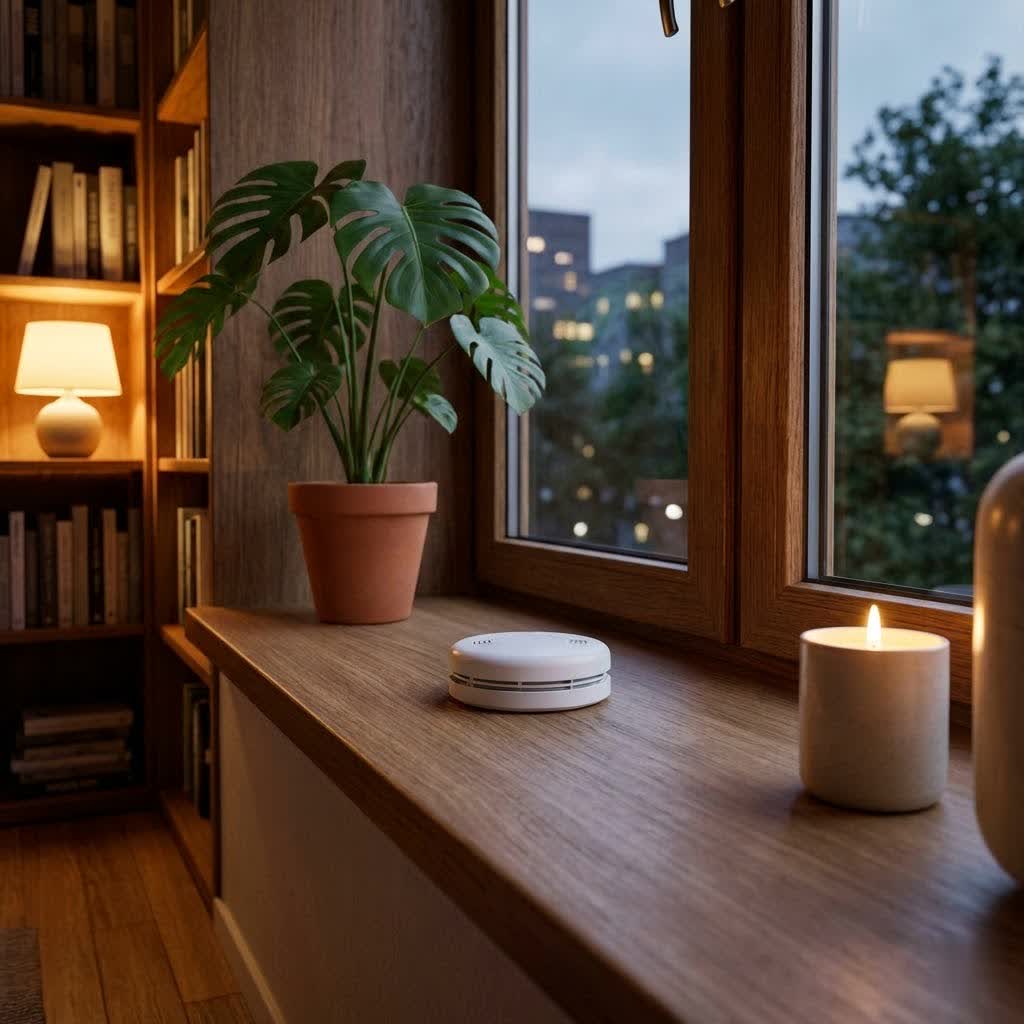
Protecting your home and loved ones from unseen dangers is a top priority for every homeowner. While we often think of fire as the primary threat, another silent, invisible killer lurks in many homes: carbon monoxide (CO). Combining the power of smoke detection with carbon monoxide sensing into one device offers comprehensive protection. This guide will walk you through everything you need to know about Lowe’s smoke and carbon monoxide detectors, helping you make an informed decision for ultimate peace of mind.
What is a Smoke and Carbon Monoxide Detector, and Why is it Essential?
A smoke and carbon monoxide detector is a dual-purpose safety device designed to alert occupants to the presence of both smoke, indicating a potential fire, and carbon monoxide gas. Smoke detectors work by sensing airborne particles, while CO detectors specifically detect dangerous levels of carbon monoxide, an odorless, colorless, and tasteless gas produced by faulty combustion appliances like furnaces, water heaters, and gas fireplaces. Without a detector, carbon monoxide poisoning can lead to severe health issues or even death before victims are aware of its presence.
The importance of these devices cannot be overstated. Fires can spread rapidly, and early detection is crucial for safe evacuation. Simultaneously, carbon monoxide can incapacitate occupants silently, making timely warnings vital. Statistics consistently show that homes with working smoke and carbon monoxide alarms have significantly lower rates of fatalities in both fire incidents and CO poisoning events. Investing in a reliable combination detector is a fundamental step in ensuring your family’s safety and well-being.
Classifying Smoke and Carbon Monoxide Detectors: Pros and Cons
Understanding the different types of sensors available in combination detectors will help you choose the best fit for your home. Most combination units integrate one or more types of smoke detection with an electrochemical carbon monoxide sensor, which is recognized for its accuracy in detecting CO.
Photoelectric Smoke Detectors
Photoelectric sensors are particularly effective at detecting large smoke particles, which are typically produced by slow-burning, smoldering fires. Think of fires started by cigarettes smoldering on furniture or in trash cans.
- Pros:
- Excellent at detecting smoldering fires early.
- Less prone to nuisance alarms from cooking fumes compared to ionization detectors, making them suitable for areas near kitchens or bathrooms.
- Cons:
- May respond slower to fast-flaming fires.
- Can still be triggered by steam or dust if placed improperly.
|
Our Picks for the Best Smoke Detector in 2026
We may earn a commission when you use one of our links to make a purchase.
|
||
| Num | Product | Action |
|---|---|---|
| 1 | Kidde Smoke Detector, 10-Year Battery Powered, LED Warning Light Indicators |

|
| 2 | First Alert SMI100, Battery-Operated Smoke Alarm, 2-Pack |
|
| 3 | 6 in 1 Plug in Smoke and Carbon Monoxide Detector Combo, Portable Smoke, Gas & CO Detector with Battery Operated, Temp, Humidity - Smoke Alarm Carbon Monoxide Natural Gas Leak Detector for Home, RV |
|
| 4 | Kidde Hardwired Smoke & Carbon Monoxide Detector, AA Battery Backup Smoke Alarm, Interconnectable, LED Warning Light Indicators, 2 Pack |
|
| 5 | 4-in-1 Gas & Carbon Monoxide Detector, Plug-in & Battery Powered – Multi-Gas Protection, Accurate CO, Temperature & Humidity Monitoring, LCD Display, Adjustable Brightness, Sensitive Alarm |
|
| 6 | First Alert SMI100-AC, Hardwire Interconnect Smoke Alarm with Battery Backup, 6-Pack |
|
| 7 | 3 Pack 10 Year Battery Operated Smoke and Carbon Monoxide Detector, Portable Fire Co Alarm for Home and Kitchen (White) |
|
| 8 | First Alert SMI100, Battery-Operated Smoke Alarm, 3-Pack |
|
| 9 | Kidde Hardwired Smoke Detector, AA Battery Backup, Interconnectable, LED Warning Light Indicators, 4 Pack |
|
| 10 | Smoke Alarm Fire Detector,Battery Operated Photoelectric Smoke Detector with Test Button and Low Battery Warning, Fire Alarms Smoke Detectors for Home, 6 Pack |
|
Ionization Smoke Detectors
Ionization sensors are designed to detect microscopic smoke particles, which are typically generated by fast-flaming fires that consume combustible materials quickly.
- Pros:
- Quickly detects fast-flaming fires.
- Cons:
- Less effective at detecting smoldering fires in their early stages.
- More susceptible to nuisance alarms from cooking smoke or steam.
- Some models contain a small amount of radioactive material, though it is safely contained.
Dual Sensor Smoke Detectors
Dual sensor smoke detectors combine both photoelectric and ionization technologies into a single unit. This approach aims to offer comprehensive protection against both smoldering and fast-flaming fires.
- Pros:
- Provides enhanced protection by detecting a wider range of fire types.
- Offers a more balanced response to various fire conditions.
- Cons:
- Generally higher in cost than single-sensor models.
- Still require careful placement to minimize false alarms.
Most modern smoke and carbon monoxide detectors are combination units that will often feature a photoelectric smoke sensor alongside an electrochemical carbon monoxide sensor for optimal performance.
Detailed Comparison Table for Detector Types
| Criteria | Photoelectric Smoke Detector | Ionization Smoke Detector | Dual Sensor Smoke Detector | Carbon Monoxide (CO) Detector (Electrochemical) |
|---|---|---|---|---|
| Detection Method | Senses large smoke particles (light scatter) | Senses microscopic smoke particles (ion current) | Combines both photoelectric and ionization | Senses CO gas via electrochemical reaction |
| Fire Type Best For | Smoldering fires (e.g., cigarettes) | Fast-flaming fires (e.g., paper, wood) | Both smoldering and fast-flaming fires | N/A (Detects CO gas, not fire) |
| Sensitivity | High to smoldering smoke | High to fast-flaming smoke | High to both types | High to CO gas levels |
| Nuisance Alarms | Less prone to cooking, more to dust/steam | More prone to cooking fumes | Reduced with intelligent sensing | Not applicable to smoke sources |
| Typical Location | Near kitchens, hallways, living rooms | General living areas, bedrooms | All areas of the home, especially common spaces | Bedrooms, hallways near sleeping areas, every level |
| Cost | Moderate | Moderate | Higher | Moderate (when standalone) |
| Lifespan | 10 years (unit) | 10 years (unit) | 5-7 years (combination unit) | 5-7 years (unit) |
Your Buying Guide: How to Choose the Right Smoke and Carbon Monoxide Detector
Selecting the appropriate smoke and carbon monoxide detector from Lowe’s involves considering several factors tailored to your home’s specific needs and your budget.
Determine Your Usage Needs
- Space Area: Assess the size of your home and the number of levels. You’ll need a detector on every level, including the basement, and inside or just outside each sleeping area.
- Location Type: Different areas have different risks. For instance, a photoelectric sensor might be better near a kitchen to reduce false alarms from cooking, while bedrooms require both smoke and CO protection. Garages typically require heat detectors, not smoke alarms, to avoid nuisance alarms from car exhaust.
- Budget: Combination units generally cost more than single-function detectors but offer consolidated protection. Determine your budget while prioritizing safety features.
Important Selection Criteria
- Certifications: Always look for devices certified by recognized independent testing laboratories such as Underwriters Laboratories (UL 217 for smoke, UL 2034 for CO) or European Standards (EN 14604). These certifications ensure the product meets stringent safety and performance standards.
- Power Source:
- Battery-Operated: Easiest to install, offering flexible placement without electrical wiring. Many come with sealed 10-year lithium batteries, eliminating the need for frequent battery changes. [cite: 3 (Top Rated Combination Smoke & Carbon Monoxide Detectors – Lowe’s)]
- Hardwired with Battery Backup: These connect directly to your home’s electrical system, providing continuous power. The battery backup ensures operation during power outages. They are typically interconnected, meaning if one alarm sounds, all connected alarms will sound. [cite: 1 (2-Pack Combination Smoke & Carbon Monoxide Detectors at Lowes.com)]
- Plug-in with Battery Backup: Often found in CO-only detectors, these plug into a standard outlet and feature a battery backup for power outages. [cite: 5 (Plug-in Carbon Monoxide Detectors – Lowe’s)]
- Smart Connectivity: Many modern detectors offer Wi-Fi connectivity, allowing for mobile notifications, remote monitoring, and integration with smart home systems like Google Home. This provides an extra layer of awareness even when you’re away from home.
- Interconnected Alarms: For larger homes, interconnected alarms are highly recommended. When one detector senses a threat, all connected units will sound, ensuring everyone in the house is alerted simultaneously. This is especially vital for hardwired systems, but wireless interconnected battery-powered options are also available.
- End-of-Life Warning: Detectors have a limited lifespan. Look for units that provide an audible or visual “end-of-life” warning to alert you when it’s time for replacement, typically 5-7 years for combination units. [cite: 2 (Smoke Detector & Carbon Monoxide Alarm Buying Guide – Lowe’s)]
- Ease of Installation and Maintenance: Consider how easy the unit is to install and test. Features like a large test/silence button and clear indicator lights simplify ongoing maintenance.
“When choosing a combination smoke and carbon monoxide detector, prioritize units with a 10-year sealed battery and smart features. The convenience of long-life batteries and remote notifications offers unparalleled peace of mind.” – John S. Technician, Home Safety Expert
Top Smoke and Carbon Monoxide Detectors at Lowe’s (Examples)
While specific models can vary, some brands and features are consistently well-regarded at Lowe’s:
- First Alert BRK PRC710 Combination Smoke & CO Alarm: This popular model often features a photoelectric smoke sensor and an electrochemical CO sensor, powered by a built-in 10-year battery. It’s known for its slim profile, loud 85-decibel alarm, and a single test/silence button for easy operation. [cite: 3 (Top Rated Combination Smoke & Carbon Monoxide Detectors – Lowe’s)] Its 10-year battery ensures continuous protection without annual battery changes.
- Kidde Hardwired Smart Smoke and Carbon Monoxide Alarm: For those preferring a hardwired solution, Kidde offers models with smart capabilities, often integrating with home security systems and providing voice alerts that specify the type and location of the threat.
- X-Sense Combination Smoke and Carbon Monoxide Alarm: Some X-Sense models found at Lowe’s come in multi-packs, offering 10-year sealed batteries and a digital display to show real-time carbon monoxide levels. These units typically feature LED lights indicating proper function, fault, or alarm conditions.
Always check Lowe’s website or visit a store for the latest models and customer reviews to find the best fit for your needs.
Optimal Placement for Your Smoke and Carbon Monoxide Detector
Correct placement is as critical as choosing the right detector. Incorrect placement can lead to nuisance alarms or, worse, delayed detection.
- General Principle: Install detectors on every level of your home, including basements and finished attics. Place them within 15 feet of sleeping areas.
- Bedrooms: It is highly recommended to install a smoke and carbon monoxide detector inside every bedroom.
- Hallways: If not in bedrooms, place them in the hallway directly outside sleeping areas, typically within 10 feet of the bedroom door.
- Common Areas: Install detectors in common living spaces such, as living rooms or dens.
- Ceiling vs. Wall: The safest spot is generally the center of the ceiling. If installing on a wall, ensure the top of the detector is between 4 and 12 inches from the ceiling. Avoid placing it closer than 4 inches to a wall or corner on a ceiling.
- Avoid These Locations:
- Kitchens and Bathrooms: Steam from showers and cooking fumes can trigger false alarms, especially in ionization detectors. Place them at least 10 feet away from cooking appliances and bathrooms.
- Near Vents: Avoid placing detectors near supply or return air vents, as air currents can prevent smoke or CO from reaching the sensor.
- Garages: Vehicle exhaust can cause nuisance CO alarms. Garages should use heat detectors instead.
- High Humidity Areas: Excessive humidity can affect detector performance.
- Direct Sunlight: Prolonged exposure to direct sunlight can degrade plastic components over time.
For hardwired interconnected systems, ensure consistency in placement to maintain system integrity.
Installation and Maintenance of Your Detector
Installing and maintaining your smoke and carbon monoxide detector is straightforward but crucial for its effectiveness.
Step-by-Step Installation Guide (Battery-Operated)
- Read the Manual: Always refer to the manufacturer’s instructions for your specific model.
- Mounting Location: Choose an optimal location based on the guidelines above.
- Install Batteries: Open the back of the unit and install the batteries, ensuring correct polarity. For units with sealed 10-year batteries, they are often pre-installed or activated upon mounting.
- Mark and Drill: Use the detector’s mounting bracket as a template. Mark the screw holes on the ceiling or wall with a pencil. Drill pilot holes if necessary, and insert wall anchors if drilling into drywall.
- Attach Mounting Bracket: Secure the mounting bracket with screws.
- Attach Detector: Align the detector with the bracket and twist or clip it into place until it’s firmly secured.
- Test: Press the test button on the unit. You should hear a loud alarm, typically a series of beeps, indicating it’s functioning correctly.
Regular Maintenance Tips
- Test Monthly: Press the test button on each detector once a month to ensure the alarm sounds. This checks the battery and circuitry. [cite: 1 (2-Pack Combination Smoke & Carbon Monoxide Detectors at Lowes.com)]
- Replace Batteries: If your unit uses replaceable batteries, change them at least once a year, or immediately when the low-battery warning sounds. Many people do this when daylight saving time changes.
- Clean Regularly: Dust and debris can interfere with sensor performance. Gently vacuum or wipe the detector’s exterior with a soft, damp cloth at least once a year.
- Observe Lifespan: Pay attention to end-of-life warnings. Replace smoke detectors after 10 years, and carbon monoxide detectors (including combination units) after 5-7 years, even if they seem to be working. [cite: 2 (Smoke Detector & Carbon Monoxide Alarm Buying Guide – Lowe’s)]
- False Alarms: If a nuisance alarm occurs (e.g., from cooking smoke), use the silence button. If it persists without an apparent cause, clean the unit and reposition if necessary. Never disable a detector without addressing the root cause.
What to Do if an Alarm Sounds
- Smoke Alarm: If a smoke alarm sounds, immediately evacuate your home, closing doors behind you. Call emergency services from a safe location. Do not re-enter until fire officials declare it safe.
- Carbon Monoxide Alarm: If a CO alarm sounds, immediately move to fresh air outdoors. Call 9-1-1 or your local fire department from a safe location. Do not re-enter until emergency responders confirm it’s safe and the source of CO has been identified and corrected by a trained technician.
Safety Standards and Certifications for Smoke and Carbon Monoxide Detectors
Adhering to safety standards and choosing certified products is paramount. These standards ensure that detectors are designed and tested to reliably perform under various conditions.
- UL 217 (Smoke Alarms): This standard covers single and multiple station smoke alarms, outlining requirements for performance, construction, and testing. A UL 217 listing indicates the device has met rigorous safety criteria for detecting smoke.
- UL 2034 (Carbon Monoxide Alarms): This standard specifically applies to carbon monoxide (CO) alarms, detailing requirements for their ability to detect CO gas and alert occupants.
- EN 14604 (Smoke Alarms) and EN 50291 (Carbon Monoxide Alarms): These are European standards that provide similar assurance for products sold in Europe, covering essential performance and testing requirements.
When purchasing a smoke and carbon monoxide detector at Lowe’s, always look for the UL listing mark on the packaging. This certification is a trusted indicator of product reliability and safety, ensuring that your device has been independently tested and complies with established industry standards. Local building codes may also specify types and placement requirements, so it’s always wise to check with your local authority having jurisdiction (AHJ).
Conclusion
A smoke and carbon monoxide detector is more than just a device; it’s a vital guardian for your home and family. By understanding the different types, knowing what to look for at Lowe’s, and committing to proper installation and regular maintenance, you empower yourself with the best possible defense against fire and carbon monoxide poisoning. Make informed choices, prioritize safety, and ensure your home is equipped with the right combination detectors to protect what matters most.
Are you confident your home is fully protected against these invisible threats?
Frequently Asked Questions
How often should I test my smoke and carbon monoxide detectors?
You should test all your smoke and carbon monoxide detectors at least once a month by pressing the test button. This simple check ensures that the battery and alarm circuitry are functioning correctly, providing continuous protection for your home.
What is the lifespan of a combination smoke and carbon monoxide detector?
Combination smoke and carbon monoxide detectors typically have a lifespan of 5-7 years. Beyond this period, the sensors can become less reliable, even if the unit appears to be working. Always check the manufacturer’s recommended replacement date, often found on the back of the unit.
Can I install a smoke and carbon monoxide detector in my kitchen or bathroom?
It’s generally recommended to avoid installing smoke and carbon monoxide detectors directly in kitchens or bathrooms. Steam from showers and cooking fumes can lead to frequent nuisance alarms. Instead, place them at least 10 feet away from these areas, in a hallway or adjacent room, to ensure accurate detection.
Are hardwired detectors better than battery-operated ones?
Both hardwired and battery-operated detectors offer reliable protection. Hardwired detectors provide continuous power and often feature interconnected alarms, making them ideal for new constructions or extensive renovations. Battery-operated units, especially those with 10-year sealed batteries, offer easier installation and flexibility, making them suitable for existing homes or renters. The best choice depends on your specific needs and installation capabilities.
What should I do if my carbon monoxide detector goes off, but I don’t smell anything?
Carbon monoxide is odorless, colorless, and tasteless, which is why detectors are crucial. If your CO alarm sounds, immediately evacuate everyone from the building to fresh air. Do not try to find the source. Once outside, call emergency services (like 9-1-1) from a safe location. Do not re-enter your home until first responders have determined it is safe.