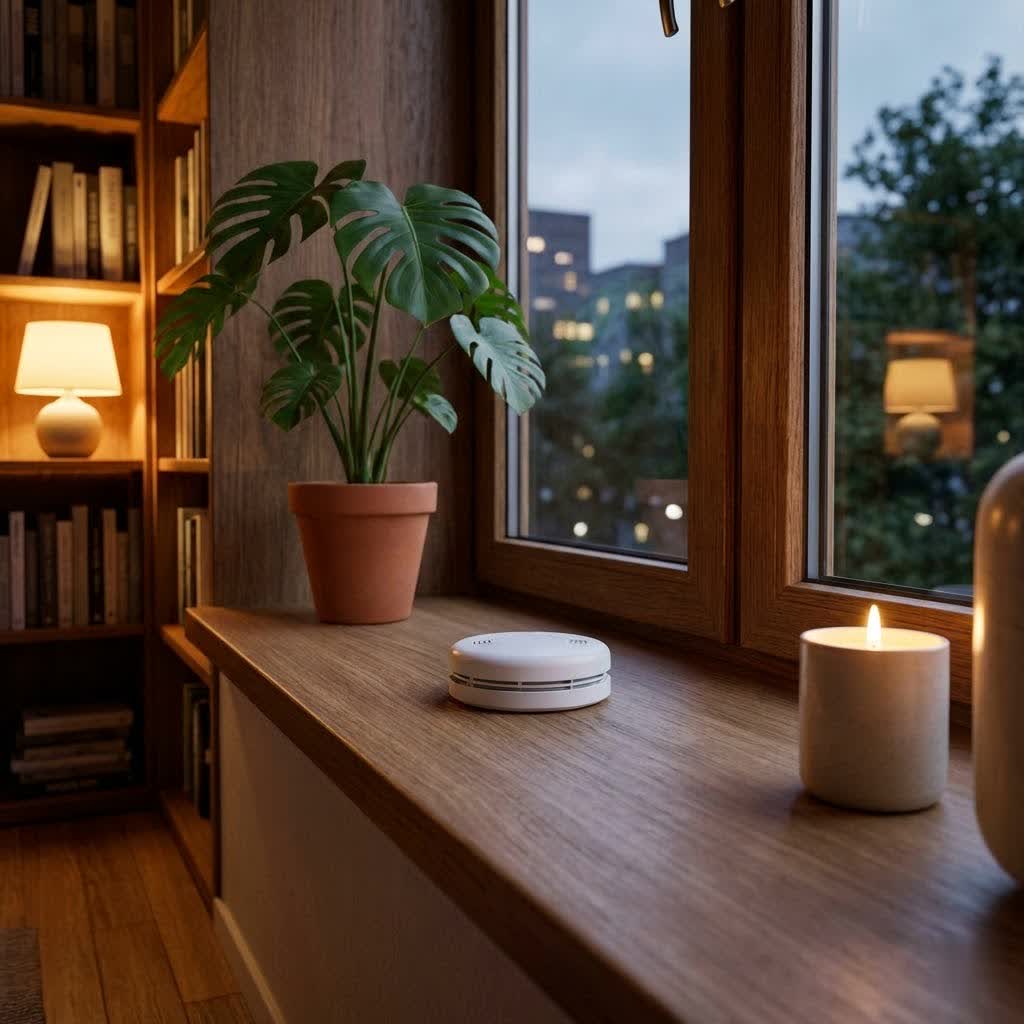
In the sanctuary of our homes, silent threats like unseen carbon monoxide gas and the rapid spread of fire pose profound dangers. Many households remain unprepared, relying on outdated or improperly installed detectors. This guide aims to demystify the world of smoke and carbon monoxide (CO) detectors, shedding light on their critical importance, the various types available, their operational mechanisms, and how to effectively choose, install, and maintain the optimal detection system for your living space. Equipping yourself with this knowledge is the first step towards ensuring the utmost safety for your family and property.
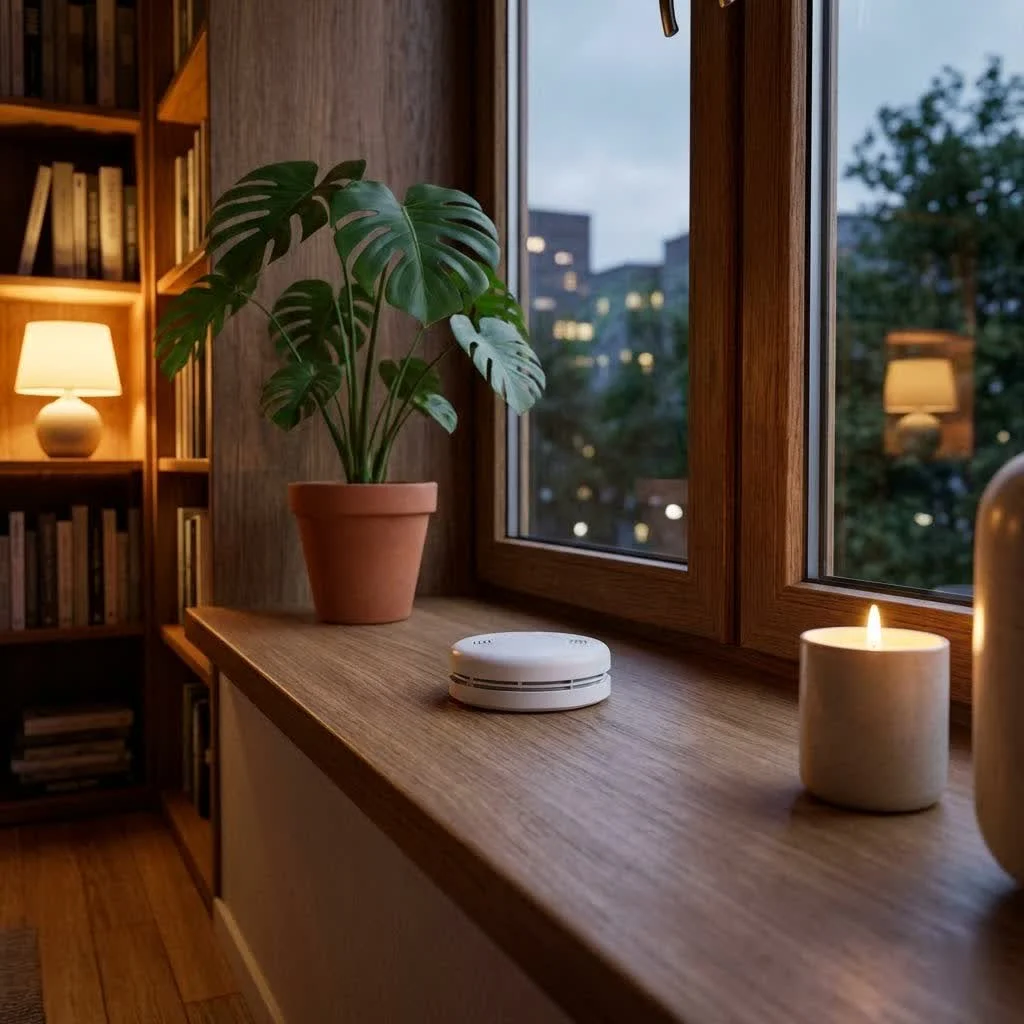
What Are Smoke and CO Detectors and Why Are They Essential?
Smoke and carbon monoxide detectors are vital home safety devices designed to provide early warnings against two distinct, yet equally dangerous, household threats. Smoke detectors specialize in identifying the presence of smoke particles, signaling a potential fire. Carbon monoxide (CO) detectors, on the other hand, are engineered to sense carbon monoxide, an invisible, odorless, and highly toxic gas produced by incomplete combustion. Combined units offer the convenience and enhanced safety of detecting both hazards within a single device. For expert home fire reviews on this site.
The necessity of these devices cannot be overstated. Early detection is a cornerstone of fire safety, with statistics consistently demonstrating that functional smoke alarms dramatically reduce fire-related fatalities. For carbon monoxide, which is imperceptible to human senses, a CO detector serves as the only reliable alert mechanism, providing precious time to evacuate and seek help before life-threatening poisoning occurs. Many jurisdictions increasingly mandate the installation of CO detection systems in both commercial and residential buildings, reflecting their recognized importance in public safety.
Understanding Smoke Detector Types: Photoelectric vs. Ionization vs. Dual Sensor
Smoke detectors utilize different sensing technologies to detect smoke, each with its strengths and weaknesses when it comes to fire types.
Photoelectric Smoke Detectors
Photoelectric smoke detectors operate by using a light source and a sensor within a chamber. When smoke enters this chamber, it scatters the light, directing it towards the sensor, which then triggers the alarm.
- Pros: These detectors are particularly effective at identifying large, visible smoke particles, making them highly responsive to slow-burning, smoldering fires. Such fires are often caused by electrical faults, overheated wiring, or burning upholstery, which produce thick, light-colored smoke well before open flames appear. They are also less prone to nuisance alarms from common kitchen activities like cooking fumes or steam.
- Cons: While excellent for smoldering fires, photoelectric detectors can be slower to react to fast-flaming fires that produce smaller, less visible smoke particles.
Ionization Smoke Detectors
|
Our Picks for the Best Smoke Detector in 2026
As an Amazon Associate I earn from qualifying purchases.
|
||
| Num | Product | Action |
|---|---|---|
| 1 | 4-in-1 Gas & Carbon Monoxide Detector, Plug-in & Battery Powered – Multi-Gas Protection, Accurate CO, Temperature & Humidity Monitoring, LCD Display, Adjustable Brightness, Sensitive Alarm |

|
| 2 | 6 in 1 Plug in Smoke and Carbon Monoxide Detector Combo, Portable Smoke, Gas & CO Detector with Battery Operated, Temp, Humidity - Smoke Alarm Carbon Monoxide Natural Gas Leak Detector for Home, RV |
|
| 3 | Kidde Smoke Detector, 10-Year Battery Powered, LED Warning Light Indicators |
|
| 4 | First Alert SMI100-AC, Hardwire Interconnect Smoke Alarm with Battery Backup, 6-Pack |
|
| 5 | Smoke Alarm Fire Detector,Battery Operated Photoelectric Smoke Detector with Test Button and Low Battery Warning, Fire Alarms Smoke Detectors for Home, 6 Pack |
|
| 6 | First Alert SMI100, Battery-Operated Smoke Alarm, 2-Pack |
|
| 7 | Kidde Hardwired Smoke Detector, AA Battery Backup, Interconnectable, LED Warning Light Indicators, 4 Pack |
|
| 8 | Kidde Hardwired Smoke & Carbon Monoxide Detector, AA Battery Backup Smoke Alarm, Interconnectable, LED Warning Light Indicators, 2 Pack |
|
| 9 | 3 Pack 10 Year Battery Operated Smoke and Carbon Monoxide Detector, Portable Fire Co Alarm for Home and Kitchen (White) |
|
| 10 | First Alert SMI100, Battery-Operated Smoke Alarm, 3-Pack |
|
Ionization smoke detectors contain two electrically charged plates with a small amount of radioactive material (Americium-241) that ionizes the air, creating a constant electric current between the plates.
- Pros: These units are generally quicker to respond to fast-flaming fires, which consume combustible materials rapidly and produce a small amount of invisible combustion particles. Examples include kitchen grease fires or fires involving highly flammable liquids.
- Cons: Ionization detectors can be more susceptible to false alarms from routine cooking activities, hot showers, or even dust. The presence of a minute amount of radioactive material, while shielded and considered safe by regulatory bodies, is sometimes a concern for consumers.
Dual Sensor Smoke Detectors
Dual sensor smoke detectors integrate both photoelectric and ionization sensing technologies into a single unit.
- Pros: By combining the strengths of both types, dual sensor detectors offer a more comprehensive approach to smoke detection, providing excellent protection against both smoldering and fast-flaming fires. This integration reduces the need for multiple, specialized alarms throughout the home. Many models also incorporate advanced algorithms to help distinguish real threats from nuisance sources, further reducing false alarms.
- Cons: These sophisticated units typically come with a higher price tag compared to single-sensor alarms.
How Carbon Monoxide Detectors Work
Carbon monoxide detectors employ various technologies to identify the presence of this deadly gas. The most prevalent types include electrochemical, metal oxide semiconductor, and biomimetic sensors.
- Electrochemical Sensors: The most common and reliable type for residential use, electrochemical sensors contain electrodes submerged in a chemical solution. When carbon monoxide gas comes into contact with this solution, a chemical reaction occurs, generating an electric current. The detector’s circuitry measures this current; if the CO concentration exceeds a programmed threshold for a specified duration, the alarm is activated. These sensors are known for their accuracy and long-term stability.
- Metal Oxide Semiconductor Sensors: These detectors feature a small silica chip coated with a metal oxide material. When CO gas interacts with the chip, it changes the chip’s electrical resistance. A processor within the detector monitors this resistance change and triggers the alarm when a dangerous level is detected. These sensors typically require more electrical power and are often found in plug-in CO detectors.
- Biomimetic Sensors: Less common in standalone home alarms, biomimetic sensors incorporate a gel that changes color upon absorbing carbon monoxide, mimicking the effect of CO on the bloodstream’s hemoglobin. An optical sensor detects this color change, signaling the alarm. These are sometimes used in single-use CO indicator cards or disposable monitors.
Detailed Comparison: Smoke and CO Detector Features
Choosing the right detector involves understanding the features and differences across various types. Here’s a comparative overview:
| Feature | Photoelectric Smoke Detector | Ionization Smoke Detector | Dual Sensor Smoke Detector | Carbon Monoxide Detector (Electrochemical) | Combined Smoke & CO Detector |
|---|---|---|---|---|---|
| Primary Threat | Smoldering fires | Flaming fires | Both smoldering and flaming fires | Carbon Monoxide gas | Both fire (smoldering/flaming) and CO gas |
| Sensitivity | Good for visible smoke (large particles) | Good for invisible smoke (small particles) | Excellent for both | Highly sensitive to CO concentrations | Excellent for both smoke and CO |
| False Alarms | Less prone to cooking/steam | More prone to cooking/steam | Reduced by advanced algorithms | Low, specific to CO | Optimized for fewer nuisance alarms |
| Technology | Light beam & sensor | Ionized chamber & radioactive material | Photoelectric + Ionization | Electrochemical cell | Integrated smoke and CO sensors |
| Power Source | Battery, Hardwired, Plug-in | Battery, Hardwired, Plug-in | Battery, Hardwired | Battery, Hardwired, Plug-in | Battery, Hardwired |
| Interconnectivity | Often available (wired/wireless) | Often available (wired/wireless) | Common (wired/wireless) | Often available (wired/wireless) | Very common (wired/wireless, smart home) |
| Smart Features | Less common on basic models | Less common on basic models | More common (Wi-Fi, app alerts) | Some smart models available | Most common in smart home ecosystems |
| Ideal Placement | Near bedrooms, living areas | Kitchens (with caution), utility rooms | General living areas, every floor | Near sleeping areas, attached garages, furnace rooms | Every floor, central locations |
Your Ultimate Buying Guide for Smoke and CO Detectors
Selecting the most suitable smoke and CO detectors requires careful consideration of your specific needs and available technologies.
Assess Your Home’s Needs
- Size and Layout: Larger homes or multi-story residences will require more detectors, and interconnected systems are highly recommended to ensure widespread warning. Open-plan living spaces might benefit from detectors with wider coverage.
- Specific Areas: Identify high-risk zones. Kitchens, for instance, might benefit from photoelectric smoke detection or combination units with advanced nuisance alarm reduction algorithms to prevent false alarms from cooking fumes. Bedrooms, attached garages, and areas near fuel-burning appliances (furnaces, water heaters) are critical locations for CO detectors.
- Budget: While cost is a factor, prioritize safety. Invest in quality detectors that meet safety standards, considering long-term benefits over initial savings.
Key Features to Prioritize
- Certifications: Always look for recognized safety certifications, such as UL (Underwriters Laboratories) 217 for smoke alarms and UL 2075 for CO alarms. In Europe, the EN 14604 standard is prevalent. These certifications guarantee that the devices have undergone rigorous testing and meet strict safety and performance benchmarks.
- Power Source:
- Battery-Powered: Easy to install and flexible in placement. Opt for models with 10-year sealed batteries for minimal maintenance, eliminating the need for annual battery changes.
- Hardwired with Battery Backup: These are wired into your home’s electrical system and include a battery backup for continued operation during power outages. They offer superior reliability and often interconnect, meaning if one alarm sounds, all connected alarms will activate. Professional installation is typically required.
- Plug-in: Commonly used for CO detectors, these simply plug into a standard wall outlet, offering easy installation but limited placement options.
- Smart Features: Modern detectors often come with smart capabilities, including Wi-Fi connectivity for smartphone alerts, remote silencing, voice warnings that specify the type and location of the hazard (e.g., “Smoke in the kitchen”), and integration with smart home ecosystems like Google Home or Alexa. These features enhance convenience and provide critical alerts even when you’re away from home.
- Interconnectivity: For comprehensive home protection, especially in larger homes, interconnected alarms are essential. If one detector senses danger, all connected units sound simultaneously, ensuring everyone in the house receives an early warning, regardless of their location. This can be achieved through hardwiring or wireless technology.
- Voice Alerts: Many advanced combination detectors offer clear voice messages, providing specific information about the detected threat (e.g., “Fire detected in the basement,” “Carbon Monoxide detected”). This can be incredibly helpful in guiding quick action.
- Digital Display: For CO detectors, a digital display showing current carbon monoxide levels in parts per million (PPM) provides real-time information and can help you assess the severity of a situation.
Top Brands and Models
Several reputable brands consistently produce high-quality smoke and CO detectors:
- Nest Protect: Known for its smart capabilities, aesthetic design, dual-sensor technology (photoelectric and CO), voice alerts, and seamless app connectivity.
- First Alert (e.g., SC5, SCO7CN, OneLink): Offers a wide range of reliable detectors, including smart options, dual sensors, and both battery-powered and hardwired configurations.
- Kidde: A long-standing leader in fire safety, providing a variety of models including dual sensor, hardwired, and voice alert detectors.
- X-Sense: Often features multi-pack combo detectors with 10-year sealed batteries and digital displays, offering good value and comprehensive coverage.
Optimal Placement for Maximum Safety
Correct placement is paramount for the effective operation of smoke and CO detectors. Incorrect placement can lead to missed alarms or frequent nuisance alarms.
- General Rule: Install smoke and CO detectors on every level of your home, including the basement and finished attics. For enhanced protection, place them in central locations on each floor, such as hallways.
- Smoke Detectors:
- Inside and Outside Sleeping Areas: This is crucial. Smoke detectors should be installed inside every bedroom and in the hallway or area immediately outside sleeping rooms to ensure early warning during sleep.
- Main Living Areas: Include detectors in living rooms, family rooms, and dens.
- High on Walls or Ceilings: Since smoke rises, detectors should be installed high. On walls, place the top of the detector 4-12 inches (10-30 cm) from the ceiling. If mounting on the ceiling, ensure it’s at least 4 inches (10 cm) from any wall. Avoid placing them in corners where dead air pockets can form.
- Carbon Monoxide Detectors:
- Near Sleeping Areas: Essential for alerting occupants while they are sleeping and most vulnerable to CO poisoning.
- Near Potential CO Sources: Install detectors in rooms with fuel-burning appliances such as furnaces, water heaters, gas fireplaces, and ranges. Also, place one in or near an attached garage, as vehicle exhaust can contain CO.
- Placement Height: Unlike smoke, CO mixes with air. Therefore, CO detectors can be placed at various heights, typically at eye-level on a wall or on the ceiling for combined units. Always follow manufacturer guidelines.
- Areas to Avoid for Nuisance Alarms:
- Within 10 feet of Cooking Appliances: Keep smoke detectors away from ovens, stovetops, and dishwashers to prevent false alarms from cooking smoke or steam.
- Bathrooms with Showers: High humidity and steam can trigger nuisance alarms.
- Near Windows, Doors, or Vents: Air drafts can interfere with a detector’s ability to accurately sense smoke or CO.
- In Dusty or Very Humid Areas: Extreme conditions can impair sensor function.
Installation and Maintenance: Ensuring Lifelong Protection
Proper installation and diligent maintenance are key to the long-term effectiveness of your smoke and CO detectors.
Step-by-Step Installation
- Read the Manual: Always begin by carefully reading and following the manufacturer’s specific installation instructions for your model.
- Choose Location: Identify the optimal placement spots in your home based on the guidelines above.
- Mounting: Use the provided mounting bracket. This typically involves drilling pilot holes, inserting wall anchors (if needed), and securing the bracket with screws.
- Connect Power: For battery-powered units, simply install the batteries as directed. For hardwired units, this often involves connecting specific wires to your home’s electrical system, a task best left to a qualified electrician. Plug-in units just need to be inserted into a wall outlet.
- Test: Once installed, press the ‘test’ button on the detector to confirm that the alarm sounds loudly and clearly.
Regular Maintenance Schedule
- Monthly Testing: Make it a habit to test all your smoke and CO detectors at least once a month. Press and hold the ‘test’ button on each unit until the alarm sounds. For interconnected systems, verify that all linked alarms activate.
- Annual Cleaning: Gently vacuum the outside of your detectors or wipe them with a slightly damp cloth to remove any dust, cobwebs, or debris. Accumulated grime can obstruct sensor chambers and lead to malfunction or false alarms.
- Battery Replacement: For detectors using replaceable alkaline batteries, change them at least once a year. A good practice is to tie this to a recurring event, like the daylight saving time changes. If your units have 10-year sealed batteries, they are designed to last the detector’s lifespan and will typically signal when the entire unit needs replacement.
- Unit Replacement: All smoke and CO detectors have a limited operational lifespan, typically 7-10 years from the date of manufacture. After this period, their sensors degrade, making them less reliable even if they seem to be working. Always replace units by their manufacture date, which is usually printed on the back of the device.
Handling Nuisance Alarms
- Investigate, Don’t Ignore: Never ignore an alarm. Always investigate the source.
- Ventilate: If the alarm is clearly triggered by cooking smoke or steam, open windows and doors to ventilate the area.
- Hush Button: Most modern detectors feature a ‘hush’ or ‘silence’ button to temporarily quiet a nuisance alarm.
- Persistent Alarms: If an alarm persists without an obvious cause, or if it’s a carbon monoxide alarm, evacuate all occupants immediately and call emergency services from a safe location.
Safety Standards and Certifications: What You Need to Know
Understanding safety standards and certifications is crucial for verifying the quality and reliability of your smoke and CO detectors.
- UL (Underwriters Laboratories): As a leading global safety science company, UL sets rigorous standards for product safety.
- UL 217: This standard specifically applies to Smoke Alarms, ensuring they meet essential safety and performance requirements for detecting smoke.
- UL 2075: This standard covers Safety for Gas and Vapor Detectors and Sensors, including carbon monoxide detectors, outlining performance criteria for accurate CO detection.
- EN 14604: This is the European standard for smoke alarm devices, ensuring compliance with European Union safety directives.
- NFPA (National Fire Protection Association): The NFPA develops and publishes codes and standards to minimize the possibility and effects of fire and other risks.
- NFPA 72 (National Fire Alarm and Signaling Code): This comprehensive code provides essential guidelines for the proper selection, installation, testing, and maintenance of fire alarm systems, including residential smoke and CO detectors. The NFPA recommends installing smoke alarms on every level of the home, inside each sleeping area, and outside each separate sleeping area.
Conclusion
Investing in the appropriate smoke and CO detectors is far more than a simple purchase; it’s a critical investment in the safety and well-being of your household. By understanding the distinct detection technologies, prioritizing devices with recognized safety certifications, and diligently adhering to recommended installation and maintenance routines, you empower your home with crucial, life-saving early warning systems. Do not wait for an emergency to realize the importance of these devices; take proactive steps today to enhance your family’s fire and carbon monoxide safety. What measures will you implement to bolster your home’s protective capabilities today?
Frequently Asked Questions
What is the typical lifespan of a smoke and CO detector?
Most smoke and CO detectors, regardless of their power source, have a limited lifespan and should be replaced every 7-10 years from their date of manufacture. The sensors within the devices can degrade over time, reducing their accuracy and effectiveness, even if the alarm still sounds during a test.
Can I install a smoke and CO detector myself?
Battery-powered and plug-in smoke and CO detectors are generally designed for easy homeowner installation. However, hardwired detectors, which connect directly to your home’s electrical system, often require installation by a qualified electrician to ensure safety and compliance with local codes.
What’s the difference between a smoke alarm and a smoke detector?
While often used interchangeably in common language, a “smoke detector” technically refers to the sensing component that detects smoke particles. A “smoke alarm” is the complete unit that combines the smoke detection mechanism with an audible alarm sounder. For residential use, most devices are “smoke alarms” as they both detect and alert.
Where should I avoid placing smoke and CO detectors?
You should avoid placing smoke detectors within 10 feet of cooking appliances (like ovens or stovetops) or in bathrooms with showers, as steam and cooking fumes can trigger nuisance alarms. Additionally, avoid placing any detector near windows, doors, or air vents, as drafts can interfere with their ability to properly sense smoke or CO.
How often should I test my combination smoke and CO detector?
It is recommended that you test all your smoke and CO detectors, including combination units, at least once a month. Simply press and hold the ‘test’ button until the alarm sounds clearly. If your units are interconnected, ensure that all linked alarms sound when one is tested.
Get our weekly buyer guide
Practical specs, not advice. Unsubscribe anytime.
