Ensuring your home is safe from unseen threats like smoke and carbon monoxide is paramount for every homeowner. While battery-operated alarms offer basic protection, a hardWired Smoke And Carbon Monoxide Detector system elevates your home’s safety to a professional level. Integrating directly into your home’s electrical system, these sophisticated devices provide continuous, reliable monitoring, often with advanced features that can be truly life-saving. If you’re looking to safeguard your family and property with a robust, always-on solution, understanding the ins and outs of hardwired combination alarms is your first critical step. This comprehensive guide will walk you through everything you need to know, from their fundamental operation to choosing the best system for your needs and ensuring optimal placement and maintenance.
What is a Hardwired Smoke and Carbon Monoxide Detector? Why is it Essential?
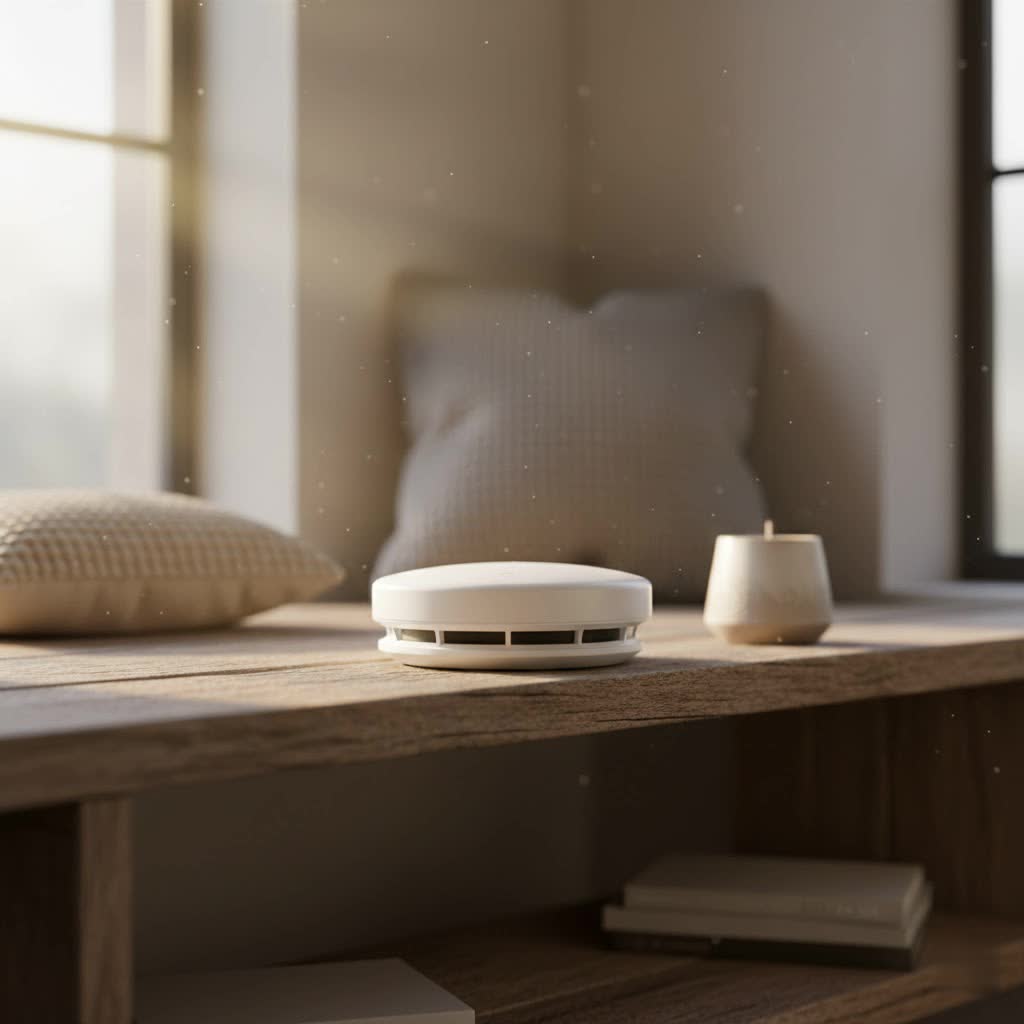
A hardwired smoke and carbon monoxide (CO) detector is a single device that connects directly to your home’s electrical wiring, providing continuous power for operation, while also incorporating a battery backup for uninterrupted protection during power outages. Unlike standalone battery-powered units, these combination alarms detect both smoke from fires and the invisible, odorless, and deadly carbon monoxide gas.
The essential nature of these detectors cannot be overstated. According to fire safety experts, early detection is crucial for minimizing casualties and property damage in fire incidents. Similarly, carbon monoxide poisoning can be fatal, often striking victims while they sleep due to its undetectable nature. A combination unit offers dual protection in a single, space-saving device. By integrating with your home’s electrical system and often featuring interconnectivity, these alarms provide a far more robust and reliable safety net than individual, battery-only devices. When one hardwired interconnected alarm detects a threat, all other connected alarms in your home will sound, ensuring everyone is alerted, regardless of where the danger originates.
These detectors typically utilize two main types of sensors for smoke detection:
- Photoelectric sensors: These are more effective at detecting slow, smoldering fires that produce a lot of visible smoke.
- Ionization sensors: These are quicker to respond to fast, flaming fires that produce little visible smoke.
For carbon monoxide detection, an electrochemical sensor is typically used, which accurately measures CO levels in the air. Many modern hardwired combination alarms incorporate both photoelectric and ionization sensors, alongside the electrochemical CO sensor, to offer comprehensive protection against various fire types and carbon monoxide leaks.
Advantages and Disadvantages of Hardwired Combination Alarms
Choosing between hardwired and battery-powered alarms is a critical decision for home safety. Hardwired combination smoke and carbon monoxide detectors offer distinct benefits and some considerations.
Pros: Enhanced Safety and Reliability
Hardwired combination alarms come with several significant advantages that make them a superior choice for many homeowners:
- Enhanced Safety Through Interconnectivity: The primary benefit of hardwired units is their ability to interconnect. When one alarm detects smoke or CO, all other hardwired alarms in the system will sound simultaneously. This whole-home alert system is crucial for early warning, especially in larger homes or multi-story layouts, giving occupants more time to evacuate.
- Reliable Power Supply: Connected directly to your home’s electrical system, these alarms receive a constant power supply. This eliminates concerns about dead batteries being the sole power source, a common issue with battery-only units.
- Battery Backup for Power Outages: Every hardwired alarm includes a battery backup (often a 9V, AA, or a sealed 10-year lithium battery) to ensure continued operation during electrical failures. This dual power source provides uninterrupted protection, even when the power grid is down.
- Space-Saving Design: Combining smoke and CO detection into one unit reduces the number of devices needed on ceilings or walls, contributing to a cleaner aesthetic.
- Compliance with Building Codes: In many regions, building codes for new constructions and major renovations mandate the installation of hardwired, interconnected smoke alarms, often including CO detection. Opting for hardwired systems ensures compliance.
- Less Frequent Battery Changes: While battery backups still require maintenance, they are typically for emergencies, meaning less frequent battery changes compared to primary battery-powered units that rely solely on batteries.
|
Our Picks for the Best Smoke Detector in 2026
We may earn a commission when you use one of our links to make a purchase.
|
||
| Num | Product | Action |
|---|---|---|
| 1 | Kidde Hardwired Smoke & Carbon Monoxide Detector, AA Battery Backup Smoke Alarm, Interconnectable, LED Warning Light Indicators, 2 Pack |

|
| 2 | 3 Pack 10 Year Battery Operated Smoke and Carbon Monoxide Detector, Portable Fire Co Alarm for Home and Kitchen (White) |
|
| 3 | First Alert SMI100, Battery-Operated Smoke Alarm, 2-Pack |
|
| 4 | First Alert SMI100-AC, Hardwire Interconnect Smoke Alarm with Battery Backup, 6-Pack |
|
| 5 | Kidde Hardwired Smoke Detector, AA Battery Backup, Interconnectable, LED Warning Light Indicators, 4 Pack |
|
| 6 | Kidde Smoke Detector, 10-Year Battery Powered, LED Warning Light Indicators |
|
| 7 | Smoke Alarm Fire Detector,Battery Operated Photoelectric Smoke Detector with Test Button and Low Battery Warning, Fire Alarms Smoke Detectors for Home, 6 Pack |
|
| 8 | First Alert SMI100, Battery-Operated Smoke Alarm, 3-Pack |
|
| 9 | 6 in 1 Plug in Smoke and Carbon Monoxide Detector Combo, Portable Smoke, Gas & CO Detector with Battery Operated, Temp, Humidity - Smoke Alarm Carbon Monoxide Natural Gas Leak Detector for Home, RV |
|
| 10 | 4-in-1 Gas & Carbon Monoxide Detector, Plug-in & Battery Powered – Multi-Gas Protection, Accurate CO, Temperature & Humidity Monitoring, LCD Display, Adjustable Brightness, Sensitive Alarm |
|
Cons: Installation Complexity and Upfront Costs
Despite their advantages, hardwired combination detectors do have some drawbacks:
- Installation Complexity: Unlike simple battery-operated models that can be DIY installed, hardwired detectors require connection to your home’s electrical system. This typically necessitates professional installation by a qualified electrician, especially for homes not already pre-wired for such systems.
- Higher Upfront Cost: The cost of the hardwired units themselves can be slightly higher than basic battery-only models. More significantly, the expense of professional installation, particularly if new wiring is required, can lead to a higher initial investment.
- Placement Trade-offs: While combined units are convenient, the ideal placement for smoke detection (e.g., bedrooms, hallways) and CO detection (e.g., near fuel-burning appliances) might slightly differ. However, modern combination alarms are designed to address this with distinct alert patterns for smoke and CO, and strategic placement can cover both risks effectively.
Types of Smoke Detector Sensors: Photoelectric vs. Ionization (and their role in combined units)
Understanding the different smoke sensing technologies is crucial, as many combination smoke and CO alarms integrate these into their design to offer comprehensive fire protection. The two primary types are photoelectric and ionization.
Photoelectric Smoke Detectors
Photoelectric detectors work by using a light source and a sensor. When smoke enters the chamber, it scatters the light, causing some of it to hit the sensor and trigger the alarm.
- Advantages: Photoelectric sensors are particularly effective at detecting slow, smoldering fires, which often produce large, visible smoke particles before bursting into flames. Examples include fires caused by cigarettes left on furniture or overheated wiring. They are generally less prone to false alarms from cooking fumes compared to ionization alarms.
- Disadvantages: While good for smoldering fires, they may respond more slowly to fast-flaming fires. They can also be susceptible to nuisance alarms from steam or dust if placed improperly (e.g., too close to a bathroom).
Ionization Smoke Detectors
Ionization detectors contain a small amount of radioactive material that ionizes the air between two electrically charged plates, creating a current. When smoke particles enter this chamber, they disrupt the flow of ions, reducing the current and triggering the alarm.
- Advantages: Ionization sensors are typically more responsive to fast, flaming fires that generate small, invisible combustion particles. These fires ignite quickly and spread rapidly, such as those caused by burning paper or flammable liquids.
- Disadvantages: They are less sensitive to smoldering fires and can be more prone to false alarms from common cooking activities like burnt toast. While the radioactive material is minimal and sealed, it’s a factor some consumers consider.
Dual Sensor Smoke Detectors in Combination Alarms
Many modern hardwired smoke and carbon monoxide detectors incorporate both photoelectric and ionization sensors, effectively creating a “dual sensor” smoke alarm within the combination unit.
- Benefits: A dual-sensor approach offers the best of both worlds, providing robust protection against both smoldering and fast-flaming fires. This significantly enhances early detection capabilities, as the alarm is equipped to respond effectively to a wider range of fire types. When combined with an electrochemical CO sensor, these units offer truly comprehensive environmental monitoring for your home.
Key Features to Look for When Choosing a Wired Combo Detector
Selecting the right hardwired smoke and carbon monoxide detector involves more than just picking the first model you see. Consider these crucial features to ensure you invest in a system that offers optimal protection and peace of mind.
Certifications and Compliance
Always look for recognized safety certifications, which confirm that the device meets rigorous testing standards.
- UL (Underwriters Laboratories): In North America, UL 217 for smoke alarms and UL 2034 for carbon monoxide alarms are the primary standards. A combination unit might carry certifications for both.
- EN Standards: In Europe, EN 14604 for smoke alarms and EN 50291 for carbon monoxide alarms are essential.
- NFPA (National Fire Protection Association): Familiarize yourself with NFPA 72 (National Fire Alarm and Signaling Code) guidelines, which often inform local building codes regarding placement and interconnectivity.
Sensor Technology
Prioritize combination alarms that offer comprehensive sensing capabilities.
- Dual Smoke Sensors: Ideally, choose a unit that combines both photoelectric and ionization smoke sensors to detect both smoldering and fast-flaming fires effectively.
- Electrochemical CO Sensor: Ensure the CO detection is handled by a reliable electrochemical sensor, which is the industry standard for accuracy and longevity.
Battery Backup
Even hardwired systems need backup power.
- Type of Battery: Look for models with a sealed, 10-year lithium-ion battery backup. These batteries last the entire lifespan of the alarm, eliminating the need for annual battery changes. Alternatively, models using standard AA or 9V batteries for backup will require periodic replacement (e.g., annually).
- Battery Life Indicator: The alarm should have a clear indicator for low battery status to prompt replacement.
Interconnectivity
This is a hallmark of hardwired systems.
- Hardwired Interconnect: Ensures that if one alarm detects a threat, all other hardwired alarms in the home sound simultaneously.
- Wireless Interconnect (Optional): Some hardwired models can also wirelessly interconnect with other compatible alarms, offering flexibility in expanding your system without additional wiring.
Smart Features and Connectivity
For modern homes, smart capabilities add an extra layer of convenience and protection.
- Smartphone Notifications: Receive alerts on your phone whether you’re home or away if an alarm is triggered or if there’s a low battery warning.
- Voice Alerts: Many advanced models provide clear voice alerts that specify the type of threat (e.g., “Fire! Smoke in the living room” or “Warning! Carbon Monoxide detected”). This helps occupants quickly understand the danger and its location.
- Remote Control/Silence: The ability to test or silence alarms remotely via a smartphone app.
- Integration with Smart Home Systems: Compatibility with platforms like Google Home, Amazon Alexa, or other smart home ecosystems for centralized control and automation.
End-of-Life Warning
Detectors don’t last forever. A crucial feature is an audible and/or visual alert when the unit reaches its end of life, typically 7-10 years, prompting timely replacement.
Optimal Placement for Wired Smoke and Carbon Monoxide Detectors
Proper placement is as critical as choosing the right detector. Strategic positioning ensures maximum effectiveness in detecting threats and alerting occupants quickly.
General Guidelines:
- Every Floor: Install at least one combination alarm on every level of your home, including the basement.
- Sleeping Areas: Place detectors inside or directly outside every sleeping area. For combination alarms, this helps protect occupants when they are most vulnerable.
- Central Hallways: Install alarms in central hallways leading to bedrooms.
- Near Fuel-Burning Appliances: Since carbon monoxide is produced by incomplete combustion, it’s crucial to place CO detectors, or combination units, near fuel-burning appliances such as furnaces, water heaters, stoves, and fireplaces. Also, consider placing one in an attached garage.
- Ceiling Installation: Smoke rises, so installing detectors on the ceiling is generally recommended. If wall-mounted, ensure it’s high on the wall, typically 4-12 inches (10-30 cm) from the ceiling.
- Away from “Dead Air” Spaces: Avoid placing detectors in corners where walls and ceilings meet, as these can be “dead air” spaces that delay smoke or CO detection. Aim for at least 4 inches (10 cm) from any wall or corner on a ceiling.
Specific Zones to Avoid:
Certain areas can lead to nuisance alarms or reduced effectiveness:
- Kitchens: Keep smoke detectors at least 10 feet (3 meters) away from cooking appliances to minimize false alarms from cooking fumes.
- Bathrooms: Avoid placing detectors near showers or in bathrooms where steam can trigger false alarms.
- Garages: While CO detectors are recommended in garages, smoke detectors can be prone to false alarms from vehicle exhaust. Consider a heat alarm in the garage for fire detection instead of a smoke alarm if false alarms are a persistent issue.
- Near Vents and Fans: Do not place detectors near air vents, fans, or windows, as strong air currents can prevent smoke or CO from reaching the sensor.
- Direct Sunlight: Avoid direct sunlight, which can affect the sensitivity of some sensors.
- Extremely Hot or Cold Areas: Ensure the detector is within the manufacturer’s recommended operating temperature range.
For hardwired, interconnected systems, strategic placement means that even if a threat is detected in a less-than-ideal spot, the alert will still propagate throughout the entire house, giving everyone a chance to react.
Installation and Maintenance Guide for Hardwired Combo Detectors
Ensuring your hardwired smoke and carbon monoxide detector system functions optimally requires correct installation and diligent, ongoing maintenance.
Professional Installation
While the idea of DIY installation might be tempting for battery-powered units, hardwired detectors require a direct connection to your home’s electrical system.
- Why Professional Installation? An experienced electrician will ensure the detectors are correctly wired, meet all local electrical codes, and are properly interconnected. Improper wiring can pose safety risks, lead to malfunctions, or even prevent the system from working when needed most. For new constructions or extensive renovations, installing hardwired systems is often standard procedure and simplifies the process. If you’re upgrading from battery-only units, an electrician can assess your home’s wiring and plan the most efficient installation path.
Regular Testing and Cleaning
Once installed, consistent maintenance is key to reliable performance.
- Monthly Testing: Test all your alarms monthly by pressing the “Test” button. This verifies that the battery backup, electronics, and alarm horn are working. For interconnected systems, ensure that when you test one unit, all other interconnected alarms sound.
- Annual Cleaning: Gently vacuum or wipe the exterior of the detectors annually to remove dust and cobwebs. Dust accumulation can interfere with sensor operation and lead to false alarms or reduced sensitivity.
- Battery Replacement for Backup: If your hardwired unit uses replaceable batteries for backup, change them at least once a year, even if they haven’t indicated a low charge. A good practice is to do this when you change your clocks for Daylight Saving Time. If your unit has a sealed 10-year battery, this step is unnecessary until the unit’s end-of-life.
Handling False Alarms
False alarms can be annoying, but it’s important to know how to handle them correctly.
- Identify the Cause: If an alarm sounds unexpectedly, first ensure there’s no actual threat. Common causes for smoke alarms are cooking fumes, steam from a shower, or dust. For CO alarms, it could indicate a minor appliance malfunction.
- Silence and Ventilate: Use the “Hush” or “Silence” button on the detector if it’s a nuisance alarm. Open windows and doors to air out the area.
- Troubleshoot: If false alarms are frequent, check the detector’s placement. Is it too close to the kitchen or bathroom? Is it dusty? Refer to the user manual for troubleshooting steps. Persistent false alarms, especially for CO, should be investigated by a professional.
End-of-Life Replacement
All smoke and CO detectors have a limited lifespan, typically 7-10 years from the date of manufacture (not installation).
- Check the Date: Locate the manufacturing date on the back of each unit.
- Replace Timely: When a detector reaches its end-of-life, it will usually emit a distinct chirp or voice message to alert you. Replace the entire unit promptly, even if it appears to be working. Sensors degrade over time, reducing effectiveness.
Important Safety Standards and Certifications for Smoke and Carbon Monoxide Detectors
Adhering to recognized safety standards and ensuring your detectors carry the appropriate certifications are non-negotiable aspects of home safety. These benchmarks guarantee that the devices have undergone rigorous testing and meet specific performance criteria to protect lives.
- UL 217 (Standard for Smoke Alarms): This is the primary safety standard for smoke alarms in the United States and Canada. Devices certified under UL 217 have been tested for their ability to detect smoke, alarm sound levels, durability, and resistance to false alarms.
- UL 2034 (Standard for Single and Multiple Station Carbon Monoxide Alarms): This standard specifically applies to CO alarms, ensuring they accurately detect carbon monoxide gas at specified levels and sound an alarm. It covers performance, reliability, and accuracy under various environmental conditions. Combination smoke and CO alarms should meet both UL 217 and UL 2034.
- EN 14604 (Smoke alarm devices): This is the European standard for smoke alarms, covering requirements for construction, performance, and test methods.
- EN 50291 (Electrical apparatus for the detection of carbon monoxide in domestic premises): The European standard for CO alarms, detailing performance requirements for both continuous and intermittent operation.
- NFPA 72 (National Fire Alarm and Signaling Code): While not a product certification, NFPA 72 is a comprehensive code published by the National Fire Protection Association that provides guidelines for the application, installation, location, performance, and inspection of fire alarm systems and emergency communications systems. It’s often referenced by local building codes for proper detector placement and interconnectivity requirements, especially for hardwired systems.
Significance of Certifications:
The presence of these certifications (typically indicated by a UL logo or EN mark) means:
- Proven Performance: The device has been independently tested and proven to perform as advertised under various conditions.
- Reliability: It meets established benchmarks for durability and operational longevity.
- Safety Assurance: It reduces the risk of defects and ensures the alarm will function effectively in an emergency.
- Code Compliance: Many local building codes mandate the use of certified alarms, particularly hardwired and interconnected units in new constructions or during significant renovations. Always check your local fire and building codes.
By choosing hardwired smoke and carbon monoxide detectors that prominently display these certifications, you are investing in a product that provides verified, reliable protection for your home and family.
Conclusion
Investing in a hardwired smoke and carbon monoxide detector system is one of the most proactive and effective steps you can take to enhance the safety of your home. These dual-threat alarms offer continuous protection, reliable power with battery backup, and the life-saving benefit of interconnectivity, ensuring that every occupant is alerted the moment danger arises. While the initial installation may require professional assistance, the long-term peace of mind and superior safety features far outweigh the effort and cost.
By understanding the different sensor technologies, scrutinizing certifications, and committing to regular maintenance, you empower your home with a robust defense against both fire and the silent killer, carbon monoxide. Don’t compromise on safety—choose a hardwired smoke and carbon monoxide detector system for comprehensive, unwavering protection. What measures will you take today to upgrade your home’s safety?
Frequently Asked Questions
What’s the main difference between wired and wireless smoke and CO detectors?
Wired detectors connect directly to your home’s electrical system for primary power and often include battery backup, ensuring constant power. They are typically interconnected via wiring, meaning if one sounds, all sound. Wireless detectors are primarily battery-powered or plug-in, using radio frequencies for interconnectivity and alerts, offering easier installation but relying more on battery life.
How many hardwired smoke and CO detectors do I need in my home?
Generally, you should have at least one combination detector on every level of your home, inside or directly outside all sleeping areas, and in main living spaces. It’s also recommended near fuel-burning appliances. Consult your local building codes, as requirements can vary.
Can I install a hardwired smoke and CO detector myself?
While possible for those with electrical expertise, professional installation by a licensed electrician is highly recommended. Hardwired detectors connect to your home’s electrical wiring, and incorrect installation can be dangerous or compromise the system’s effectiveness.
How often should I test my hardwired combination alarms?
You should test all your smoke and CO detectors monthly by pressing the test button. This confirms the alarm’s functionality, including the horn and battery backup.
What causes false alarms in hardwired smoke detectors?
Common causes of false alarms include cooking fumes (especially from ionization sensors), steam from showers, excessive dust accumulation, or insects inside the detector. Proper placement, away from kitchens and bathrooms, and regular cleaning can help minimize these occurrences. For persistent or unexplained alarms, particularly CO alarms, investigate immediately for a potential real threat.