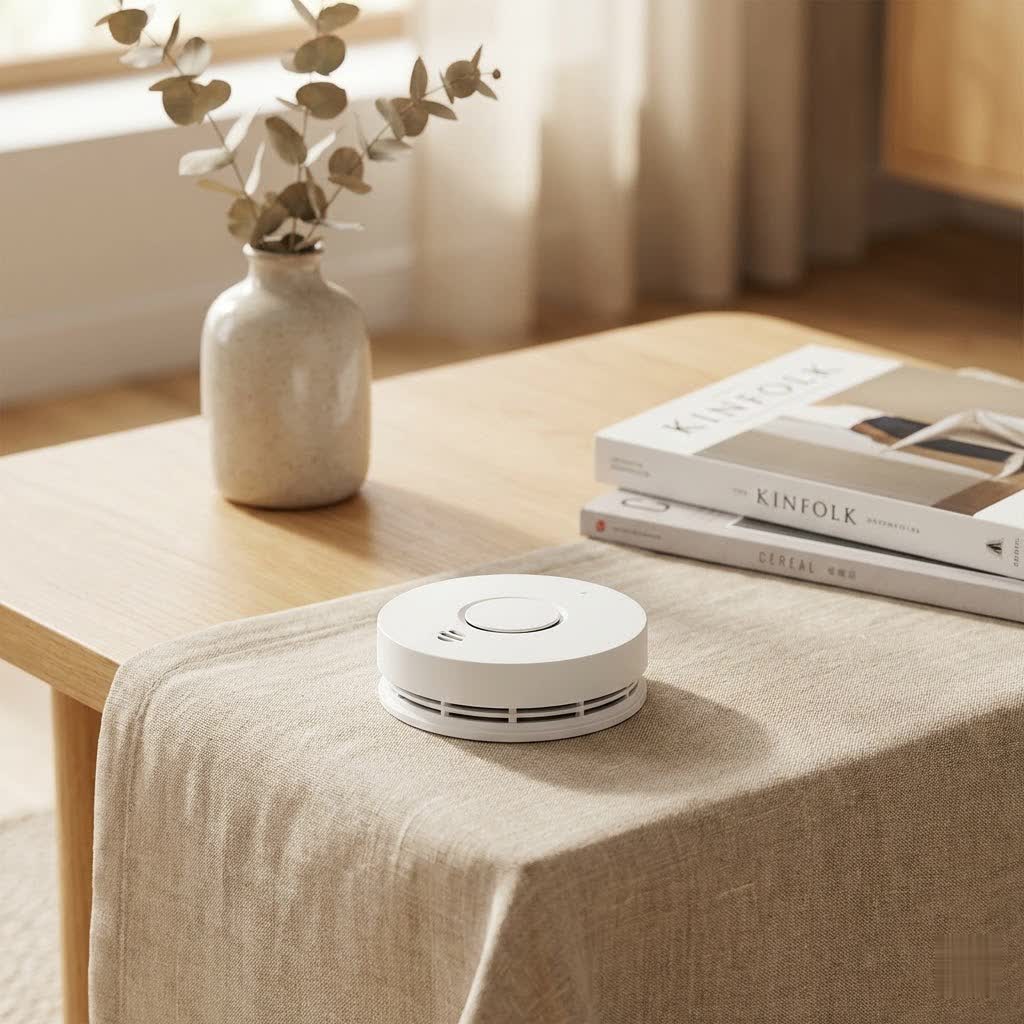
A working smoke detector is your home’s first line of defense against a devastating fire, offering crucial early warning that can save lives and property. With advancements in technology, choosing the right smoke detector has become more nuanced, moving beyond simple alarms to smart systems that integrate with your home. This guide will help you navigate the options, understand the latest features, and make an informed decision to protect your loved ones and your home.
What is a Smoke Detector and Why is it Essential?
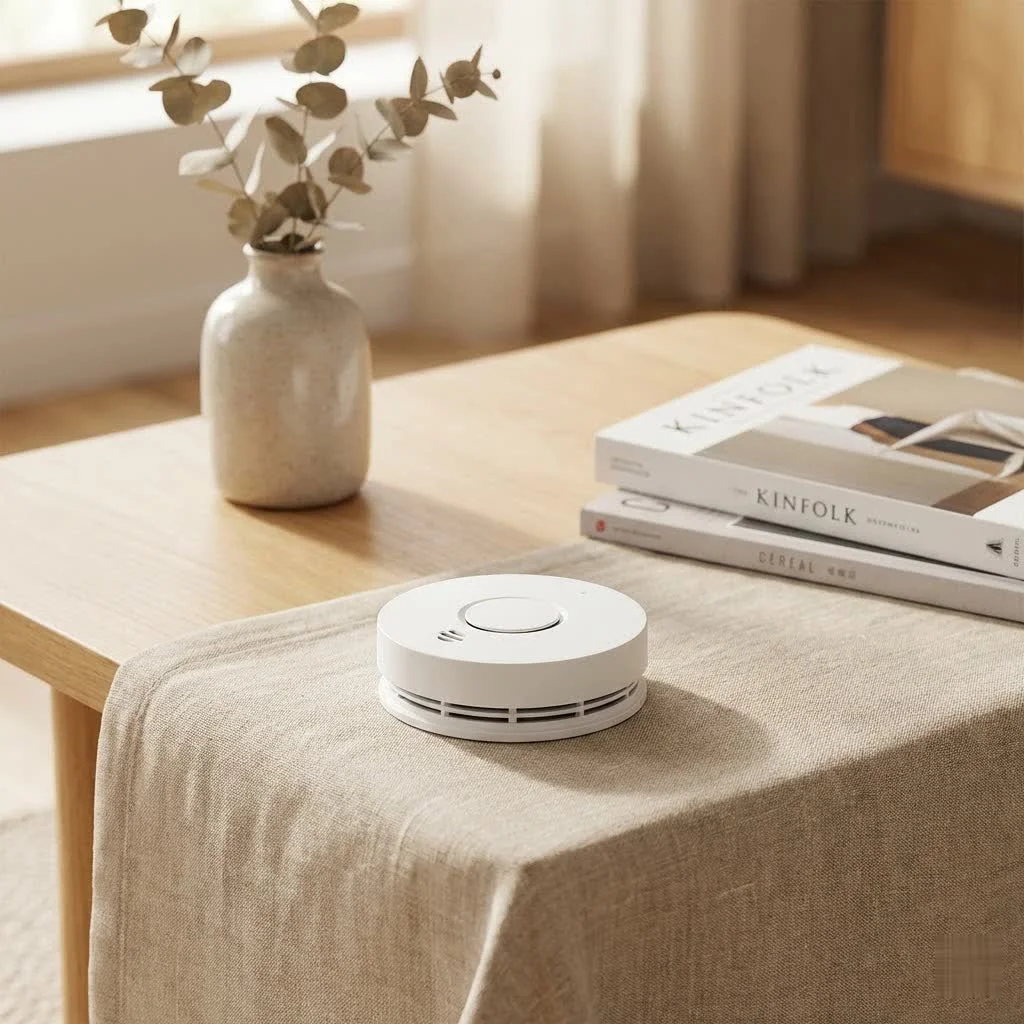
A smoke detector is an electronic fire-protection device that automatically senses and gives a warning of the presence of smoke, indicating fire. Its primary function is to provide early detection, giving occupants precious time to evacuate and firefighters time to respond, significantly reducing the risk of fatalities and extensive damage. The basic principle involves a sensor that detects airborne particles produced by smoke, triggering an audible alarm. Statistics consistently show that homes with working smoke alarms have a significantly lower risk of fire-related deaths. For more home fire guides on this site.
Understanding Smoke Detector Types: Pros and Cons
Not all smoke detectors are created equal. They primarily use different types of sensors, each with its own strengths and weaknesses. Understanding these differences is key to choosing the right detector for specific areas of your home.
Photoelectric Smoke Detectors
Photoelectric smoke detectors operate by using a chamber with a light source and a light sensor. When smoke enters the chamber, it scatters the light, directing some of it to the sensor, which then triggers the alarm.
- Pros: Excellent at detecting slow, smoldering fires, which often produce a lot of visible smoke before bursting into flames. They are less prone to false alarms from cooking fumes compared to ionization alarms in certain situations.
- Cons: May be slower to respond to fast, flaming fires that produce less visible smoke.
Ionization Smoke Detectors
Ionization smoke detectors contain a small amount of radioactive material that ionizes the air between two electrically charged plates, creating a current. When smoke particles enter this chamber, they disrupt the flow of ions, causing a drop in current and triggering the alarm.
- Pros: Generally quicker at detecting fast-flaming fires, which produce tiny, invisible combustion particles.
- Cons: More susceptible to false alarms from minor cooking incidents or steam. They contain a very small amount of radioactive material, though considered safe, some consumers prefer to avoid them.
Dual Sensor Smoke Detectors
Dual sensor smoke detectors combine both photoelectric and ionization technologies into a single unit.
- Pros: Offer comprehensive protection by being effective against both smoldering and flaming fires, leveraging the strengths of both sensor types.
- Cons: Often come at a slightly higher price point than single-sensor models.
Detailed Comparison Table: Choosing Your Smoke Detector
| Feature / Type | Photoelectric | Ionization | Dual Sensor (Photoelectric & Ionization) |
|---|---|---|---|
| Detection Specialty | Slow, smoldering fires (e.g., mattresses, electrical) | Fast, flaming fires (e.g., paper, grease) | Both smoldering and flaming fires |
| Sensitivity | High sensitivity to visible smoke | High sensitivity to invisible combustion particles | Balanced sensitivity to both types of particles |
| False Alarms | Less prone to cooking smoke | More prone to cooking smoke/steam | Generally reduced false alarms (depending on implementation) |
| Response Time | Slower for flaming fires | Faster for flaming fires | Optimized for both, aiming for balanced speed |
| Power Source Options | Battery, Hardwired, Smart | Battery, Hardwired, Smart | Battery, Hardwired, Smart |
| Typical Placement | Bedrooms, living rooms, hallways | Areas with flammable liquids, garages | General living areas, bedrooms, hallways |
| Cost | Mid-range | Low to Mid-range | Mid to High-range |
| Environmental | No radioactive material | Contains small amount of radioactive material | No radioactive material (for photoelectric part) |
Your Comprehensive Buying Guide to the Best Smoke Detectors
Selecting the best smoke detector involves more than just picking a brand. It requires assessing your specific needs, understanding key features, and recognizing reliable certifications.
1. Determining Your Usage Needs
|
Our Picks for the Best Smoke Detector in 2026
As an Amazon Associate I earn from qualifying purchases.
|
||
| Num | Product | Action |
|---|---|---|
| 1 | Smoke Alarm Fire Detector,Battery Operated Photoelectric Smoke Detector with Test Button and Low Battery Warning, Fire Alarms Smoke Detectors for Home, 6 Pack |

|
| 2 | Kidde Hardwired Smoke Detector, AA Battery Backup, Interconnectable, LED Warning Light Indicators, 4 Pack |
|
| 3 | 6 in 1 Plug in Smoke and Carbon Monoxide Detector Combo, Portable Smoke, Gas & CO Detector with Battery Operated, Temp, Humidity - Smoke Alarm Carbon Monoxide Natural Gas Leak Detector for Home, RV |
|
| 4 | First Alert SMI100, Battery-Operated Smoke Alarm, 3-Pack |
|
| 5 | 4-in-1 Gas & Carbon Monoxide Detector, Plug-in & Battery Powered – Multi-Gas Protection, Accurate CO, Temperature & Humidity Monitoring, LCD Display, Adjustable Brightness, Sensitive Alarm |
|
| 6 | First Alert SMI100, Battery-Operated Smoke Alarm, 2-Pack |
|
| 7 | Kidde Smoke Detector, 10-Year Battery Powered, LED Warning Light Indicators |
|
| 8 | First Alert SMI100-AC, Hardwire Interconnect Smoke Alarm with Battery Backup, 6-Pack |
|
| 9 | Kidde Hardwired Smoke & Carbon Monoxide Detector, AA Battery Backup Smoke Alarm, Interconnectable, LED Warning Light Indicators, 2 Pack |
|
| 10 | 3 Pack 10 Year Battery Operated Smoke and Carbon Monoxide Detector, Portable Fire Co Alarm for Home and Kitchen (White) |
|
Before diving into specific models, consider your home’s unique characteristics and your lifestyle.
- Space Coverage: How large is your home? Multi-level homes or larger layouts often benefit from interconnected systems.
- Area Type: Are you primarily protecting bedrooms, kitchens, or utility areas? Different sensors are better suited for different environments. For instance, kitchens may benefit from photoelectric sensors to avoid false alarms from cooking smoke, while ionization sensors might be better for areas with fast-burning materials.
- Budget: Smoke detectors range from basic, affordable models to advanced smart units. Determine what features are essential versus desirable to align with your financial plan.
2. Key Criteria for Selection
When evaluating smoke detectors, keep these critical factors in mind:
- Quality Certifications: Always look for certifications from recognized safety organizations like Underwriters Laboratories (UL) in the US or EN (European Norm) standards. These ensure the product has undergone rigorous testing and meets strict safety and performance regulations.
- Battery Life and Low-Battery Warnings: Many modern smoke detectors come with 10-year sealed batteries, eliminating the need for annual battery changes. For models with replaceable batteries, ensure they provide clear, early low-battery warnings to avoid the infamous midnight chirp.
- Connectivity and Remote Notifications: Smart smoke detectors can connect to your home Wi-Fi, sending alerts directly to your smartphone if an alarm sounds, even when you’re away from home. Interconnected alarms ensure that when one detector senses smoke, all linked alarms sound throughout the house, providing comprehensive coverage.
- Ease of Installation and Maintenance: Look for models with straightforward installation processes. Features like large test/silence buttons and easy-to-clean designs contribute to hassle-free maintenance.
- Combination Alarms: For enhanced safety, consider models that also detect carbon monoxide (CO). CO is a colorless, odorless gas that can be deadly, making a combined smoke and CO detector a smart investment.
3. Top Smoke Detectors of 2026
Based on extensive testing and expert recommendations, here are some of the best smoke detectors currently available:
- Kidde Smart Smoke Detector (Photoelectric, Hardwired with Battery Backup): Praised for fast detection and smart features, this model offers Wi-Fi connectivity for app alerts and compatibility with Alexa and Google Home, while still providing traditional voice and siren alarms. It’s a top choice for overall performance and smart integration.
- First Alert Battery Smart Smoke & Carbon Monoxide Alarm with Nest Protect (Dual Sensor, Battery-Powered): Ideal for Google Nest users, this battery-powered unit offers full Google Home integration and dual sensors for both smoke and CO detection. It features voice alerts and advanced sensors to minimize false alarms.
- Kidde Ring-Enabled Smart Smoke and Carbon Monoxide Detector (Photoelectric, Hardwired with Battery Backup): A great option for Alexa and Ring users, this detector integrates seamlessly with the Ring app and security systems. It provides real-time notifications, voice alerts, and an end-of-life warning.
- First Alert SA320 Dual Sensor Smoke Detector (Dual Sensor, Battery/Wired Options): An excellent budget-friendly option that combines both photoelectric and ionization sensors. While it lacks smart features, it provides reliable detection for both flaming and smoldering fires at an affordable price point.
- Kidde 30CUD10V Battery Operated Smoke & Carbon Monoxide Detector (Photoelectric, CO, Battery-Powered): Recommended for its simple installation and 10-year sealed battery, this combination alarm detects both smoke and carbon monoxide. It’s ideal for smaller homes where interconnectivity isn’t a primary concern.
- SimpliSafe Wireless Smoke Detector (Photoelectric, Battery-Powered): Designed for DIY home security enthusiasts, this detector integrates with SimpliSafe’s security system, offering easy setup and optional professional monitoring. It’s a reliable choice for those building an integrated home security setup.
Optimal Placement of Smoke Detectors
Proper placement is as crucial as choosing the right detector. Following guidelines from the National Fire Protection Association (NFPA) can significantly enhance your safety.
- General Principle: Install smoke detectors on every level of your home, including the basement. Place them inside every bedroom and outside each sleeping area.
- On Ceilings: The best location for a smoke detector is on the ceiling, at least 4 inches (10 cm) away from a wall. If mounting on a wall, position the top of the detector between 4 and 12 inches (10 and 30 cm) from the ceiling.
- Sloped Ceilings: For sloped ceilings, place the detector within 3 feet of the highest point, but not in the apex where dead air might prevent smoke from reaching it.
- Areas to Avoid:
- Near Kitchens/Bathrooms: Placing detectors too close to cooking appliances or steamy bathrooms can lead to frequent false alarms. Position them at least 10 feet (3 meters) from cooking appliances.
- Near Windows/Doors: Air currents from open windows or doors can interfere with smoke detection.
- Vents/Fans: Avoid placing detectors near supply or return air vents or ceiling fans, as airflow can prevent smoke from reaching the unit.
- Garages: Vehicle exhaust can trigger false alarms.
- Dusty Areas: Excessive dust can accumulate and cause false alarms or reduce sensitivity.
How to Install and Maintain Your Smoke Detector
Once you’ve chosen the best smoke detector for your needs, proper installation and regular maintenance ensure its effectiveness.
Installation Steps (General)
- Read the Manual: Always refer to the manufacturer’s instructions for specific installation details.
- Choose Location: Select an optimal location based on the guidelines above.
- Mount Base Plate: Use the provided screws and anchors to securely attach the mounting plate to the ceiling or wall.
- Connect Power (Hardwired): If hardwired, connect the electrical wiring according to local codes and manufacturer instructions. Always turn off power at the breaker first.
- Install Battery: Insert the battery (or activate the sealed battery) as directed.
- Attach Detector: Twist or snap the detector onto the mounting plate.
- Test: Press the test button to ensure the alarm sounds.
Regular Maintenance
- Monthly Testing: Press the test button on each smoke detector at least once a month to ensure the battery and alarm are functioning correctly.
- Annual Battery Replacement: If your unit does not have a 10-year sealed battery, replace traditional 9V or AA batteries annually. Many people find it helpful to do this when daylight saving time changes.
- Cleaning: Dust and debris can accumulate in the sensor chamber, causing false alarms or reducing efficiency. Gently vacuum or wipe the exterior of the detector at least once a year.
- Full Unit Replacement: Smoke detectors have a lifespan, typically 10 years from the date of manufacture. After this period, the sensors can degrade, making them less reliable. Always replace your units after 10 years, regardless of how well they appear to be working.
- Dealing with False Alarms: If a smoke detector frequently triggers false alarms (e.g., from cooking), consider relocating it slightly or opting for a model with advanced false alarm reduction technology. Use the hush button to temporarily silence alarms from non-emergency situations.
Safety Standards and Certifications for Smoke Detectors
When purchasing a smoke detector, understanding safety standards and certifications is vital for ensuring reliable performance and compliance with local building codes.
- UL 217 (USA): This is the standard for single and multiple station smoke alarms in the United States, set by Underwriters Laboratories. A UL certification mark indicates that the product has been tested and meets stringent safety requirements.
- EN 14604 (Europe): This European standard specifies requirements for smoke alarms that are intended for household use. Products bearing the CE mark and referencing EN 14604 confirm compliance with European safety, health, and environmental protection directives.
These certifications provide assurance that the smoke detector has undergone rigorous independent testing to perform effectively in a fire emergency. Always look for these marks when making your purchase.
“A working smoke alarm can make the critical difference between life and death in a fire. Don’t compromise on safety; choose certified detectors and maintain them diligently.” – Jeremy Laukkonen, Technology and Home Safety Expert, The Spruce
Conclusion
Investing in the best smoke detectors for your home is a proactive step towards ensuring the safety and peace of mind of your family. From understanding the nuances of photoelectric versus ionization sensors to embracing smart home integration and adhering to proper placement, informed choices are your best defense. Regular maintenance and adherence to safety standards guarantee that these vital devices are always ready to protect you. Don’t wait until it’s too late – ensure your home is equipped with reliable smoke detection today.
What steps will you take to enhance your home’s fire safety this year?
Frequently Asked Questions
How often should I test my smoke detectors?
You should test your smoke detectors monthly by pressing the test button. This ensures the battery and alarm sounder are functioning correctly and that the unit is operational.
What is the lifespan of a smoke detector, and when should I replace it?
Most smoke detectors have a lifespan of 10 years from the date of manufacture. After this period, the sensing components can become less reliable. It’s crucial to replace the entire unit every 10 years to ensure continued effectiveness.
Can I install smoke detectors myself, or do I need a professional?
Battery-powered smoke detectors are generally easy to install yourself with basic tools. Hardwired smoke detectors, however, connect to your home’s electrical system and may require a qualified electrician, especially if new wiring is needed, to ensure compliance with local electrical codes.
Why does my smoke detector keep chirping if there’s no smoke?
A chirping noise usually indicates a low battery that needs to be replaced. For units with 10-year sealed batteries, it often signals the end of the unit’s lifespan, meaning the entire detector needs replacement. Dust or insect buildup can also sometimes cause intermittent chirping or false alarms.
Are smart smoke detectors worth the extra cost?
Smart smoke detectors offer advanced features like smartphone alerts, remote monitoring, and integration with other smart home systems, providing enhanced peace of mind. While they cost more, the added convenience and layered protection can be well worth the investment, especially for larger homes or those who travel frequently.
Is it better to have a hardwired or battery-powered smoke detector?
Hardwired smoke detectors with battery backups are often considered more reliable as they draw power from your home’s electrical system, ensuring continuous operation unless there’s a power outage. Battery-powered detectors offer easier installation and flexibility in placement, working during power failures. Many local codes require hardwired systems in new construction.
Where should carbon monoxide (CO) detectors be placed relative to smoke detectors?
CO detectors should also be placed on every level of your home, and specifically outside each sleeping area. While smoke rises, carbon monoxide mixes with air, so placement can be slightly more flexible, but always follow manufacturer guidelines and avoid areas directly above fuel-burning appliances.
Get our weekly buyer guide
Practical specs, not advice. Unsubscribe anytime.
