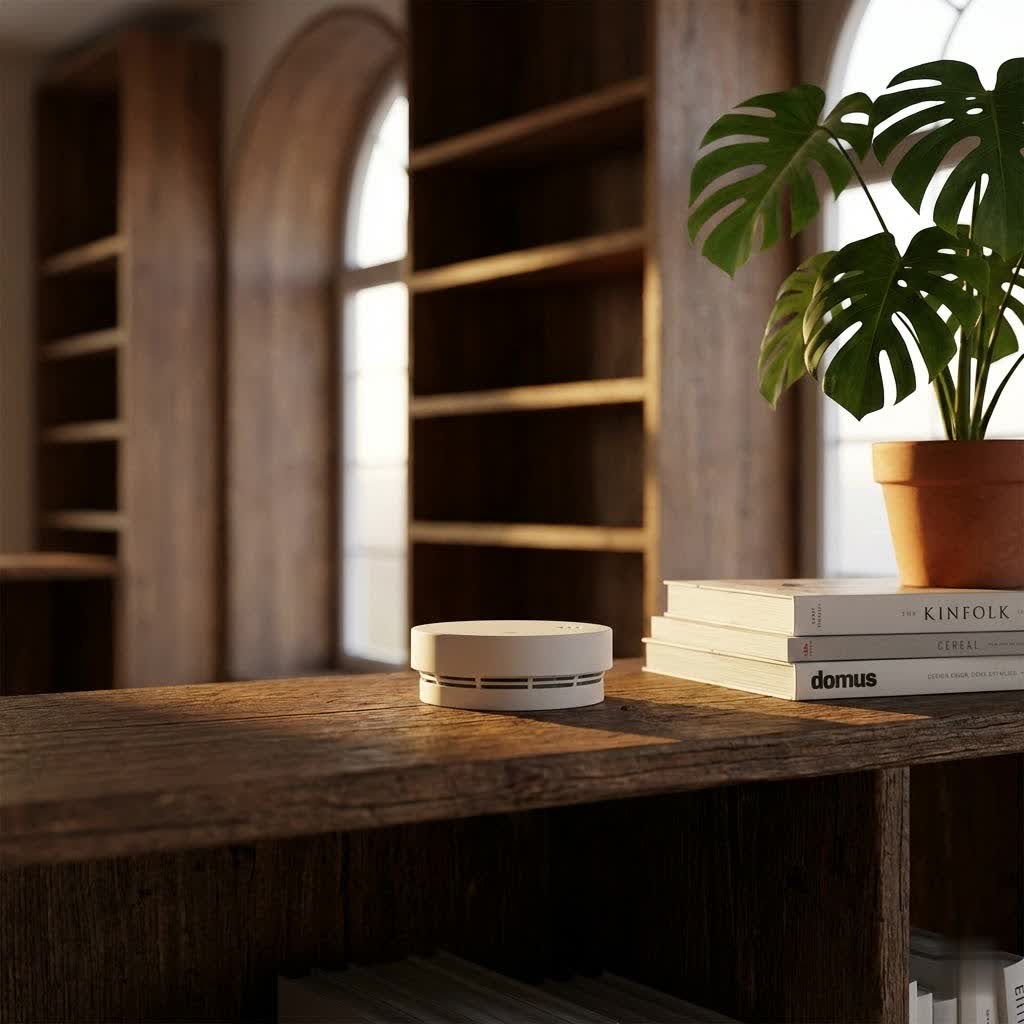
Imagine the silent threat of a fire or the invisible danger of carbon monoxide creeping into your home. These hazards can strike without warning, making robust and reliable detection systems not just a convenience, but an absolute necessity. That’s where a hardwired smoke and carbon monoxide detector becomes your home’s steadfast guardian, offering unparalleled peace of mind and significantly enhancing your family’s safety. This comprehensive guide will illuminate why these dual-purpose devices are the cornerstone of modern home protection and help you navigate the choices to secure your sanctuary.
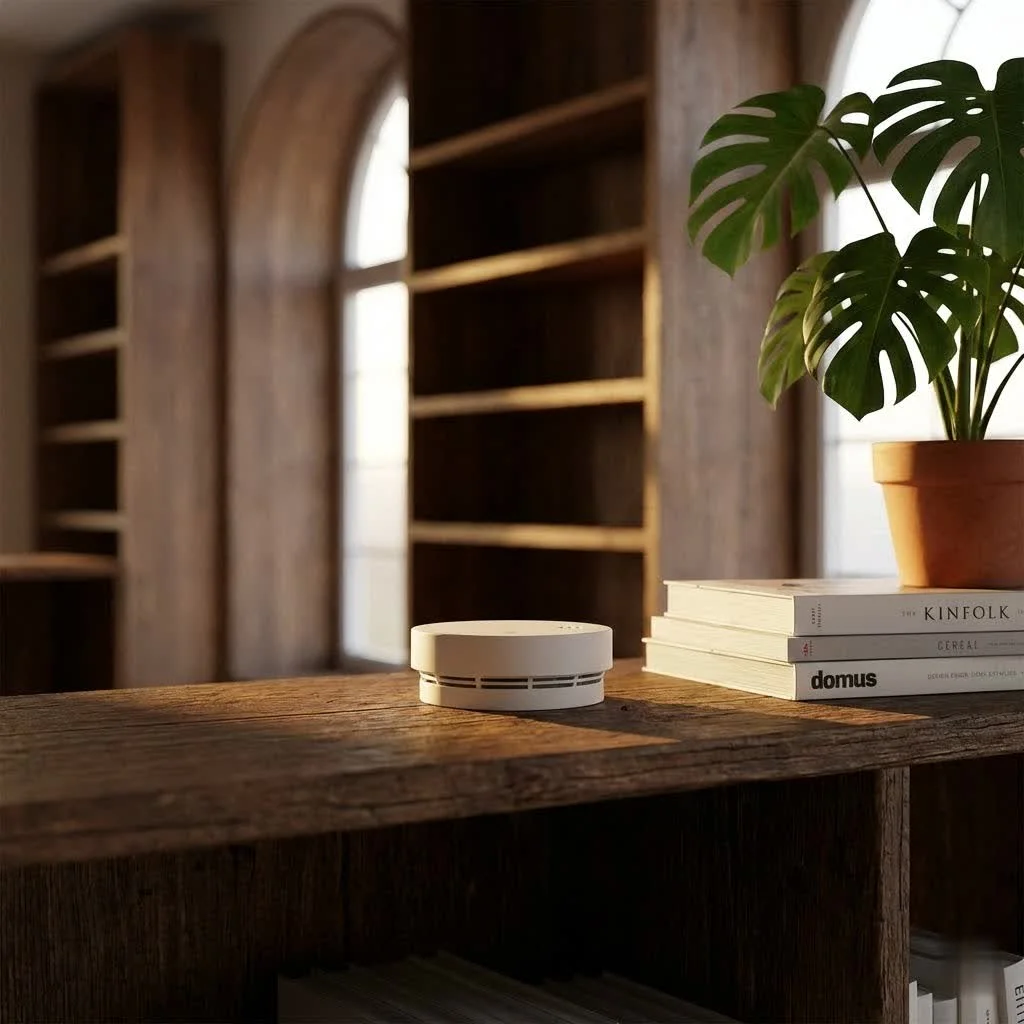
What is a Hardwired Smoke and Carbon Monoxide Detector? Why is it Essential?
A hardwired smoke and carbon monoxide detector is a crucial safety device that integrates fire and carbon monoxide (CO) detection into a single unit, drawing its primary power directly from your home’s electrical system. Unlike purely battery-operated models, these detectors typically include a battery backup, ensuring continuous operation even during power outages. They combine sophisticated sensors to identify both the presence of smoke from fires and the odorless, colorless, yet deadly carbon monoxide gas.
The fundamental principle behind these devices is early warning. House fires can often begin silently, with smoke spreading rapidly before flames are visible. Similarly, carbon monoxide is a stealthy killer, impossible for humans to detect through sight, smell, or taste. Early detection is paramount for saving lives and property, as it provides critical time for evacuation and emergency response. A significant advantage of hardwired systems is their interconnectivity. When one hardwired alarm detects a threat, all other compatible alarms connected within your home will sound simultaneously. This feature is especially beneficial in larger homes or multi-story residences where an alarm in one area might otherwise go unheard in another, ensuring everyone receives an immediate and unified alert.
Classifying Smoke and Carbon Monoxide Detectors: Pros and Cons
While carbon monoxide detection in combination units primarily relies on electrochemical sensors, the smoke detection component often utilizes one of two main sensor types, or a combination of both. Understanding these differences is key to optimizing your home’s safety profile.
Photoelectric Smoke Sensors
Photoelectric smoke sensors work by detecting visible particles of combustion. A light source and a photosensitive sensor are placed in a sensing chamber, usually at an obtuse angle. When smoke enters the chamber, it scatters the light, directing some of it onto the sensor, which then triggers the alarm.
- Pros: These sensors are highly effective at detecting slow, smoldering fires, which often produce large amounts of visible smoke before bursting into flames. Such fires commonly originate from burning foam, plastics, or upholstered furniture. Photoelectric detectors are also generally less prone to nuisance alarms caused by common cooking fumes or steam, making them ideal for placement near kitchens or bathrooms.
- Cons: They may respond more slowly to fast, flaming fires that produce less visible smoke compared to ionization sensors.
Ionization Smoke Sensors
|
Our Picks for the Best Smoke Detector in 2026
As an Amazon Associate I earn from qualifying purchases.
|
||
| Num | Product | Action |
|---|---|---|
| 1 | Kidde Hardwired Smoke Detector, AA Battery Backup, Interconnectable, LED Warning Light Indicators, 4 Pack |

|
| 2 | 4-in-1 Gas & Carbon Monoxide Detector, Plug-in & Battery Powered – Multi-Gas Protection, Accurate CO, Temperature & Humidity Monitoring, LCD Display, Adjustable Brightness, Sensitive Alarm |
|
| 3 | 6 in 1 Plug in Smoke and Carbon Monoxide Detector Combo, Portable Smoke, Gas & CO Detector with Battery Operated, Temp, Humidity - Smoke Alarm Carbon Monoxide Natural Gas Leak Detector for Home, RV |
|
| 4 | First Alert SMI100, Battery-Operated Smoke Alarm, 3-Pack |
|
| 5 | Kidde Hardwired Smoke & Carbon Monoxide Detector, AA Battery Backup Smoke Alarm, Interconnectable, LED Warning Light Indicators, 2 Pack |
|
| 6 | Kidde Smoke Detector, 10-Year Battery Powered, LED Warning Light Indicators |
|
| 7 | First Alert SMI100-AC, Hardwire Interconnect Smoke Alarm with Battery Backup, 6-Pack |
|
| 8 | First Alert SMI100, Battery-Operated Smoke Alarm, 2-Pack |
|
| 9 | Smoke Alarm Fire Detector,Battery Operated Photoelectric Smoke Detector with Test Button and Low Battery Warning, Fire Alarms Smoke Detectors for Home, 6 Pack |
|
| 10 | 3 Pack 10 Year Battery Operated Smoke and Carbon Monoxide Detector, Portable Fire Co Alarm for Home and Kitchen (White) |
|
Ionization smoke sensors contain a small amount of radioactive material that ionizes the air between two electrically charged plates, creating a small, constant electric current. When smoke enters the chamber, it disrupts the flow of these ions, reducing the current and triggering the alarm.
- Pros: Ionization smoke sensors are typically quicker to detect fast, flaming fires that produce small, invisible combustion particles, such as those caused by burning paper or wood.
- Cons: They are more susceptible to false alarms from minor cooking smoke, steam, or even dust. Additionally, they contain a minuscule amount of radioactive material, though it poses no health risk under normal operation and disposal.
Dual Sensor (Photoelectric and Ionization) Smoke Detectors
To offer comprehensive protection, many modern combination units incorporate both photoelectric and ionization smoke sensors.
- Pros: By combining both technologies, dual-sensor detectors provide broader detection capabilities, responding effectively to both smoldering and fast-flaming fires. This hybrid approach aims to minimize the weaknesses of each individual sensor type, offering a more robust and versatile fire detection system.
- Cons: These units can be more expensive than single-sensor models. While offering better overall coverage, they can still be prone to nuisance alarms if improperly placed in areas with frequent cooking or steam.
Carbon Monoxide (CO) Sensors
The carbon monoxide detection component in all combination units relies on an electrochemical sensor. This sensor contains a chemical solution that reacts with CO molecules, producing an electrical signal that triggers the alarm when a dangerous concentration is detected. These sensors are highly accurate and specifically designed to detect CO, a gas that can quickly incapacitate and be fatal without any sensory warning.
Detailed Comparison Table for Hardwired Smoke and Carbon Monoxide Detectors
When selecting a hardwired smoke and carbon monoxide detector, a detailed comparison can help you weigh features against your specific needs.
| Feature | Photoelectric Sensor (Smoke) | Ionization Sensor (Smoke) | Dual Sensor (Smoke) | Electrochemical Sensor (CO) |
|---|---|---|---|---|
| Detection Specialty | Smoldering fires (e.g., plastics, foam) | Fast-flaming fires (e.g., paper, wood) | Both smoldering and fast-flaming fires | Carbon Monoxide (CO) gas |
| Response Time | Faster for smoldering fires | Faster for flaming fires | Balanced, good for both | Fast for CO gas |
| False Alarm Risk | Lower from cooking/steam | Higher from cooking/steam | Moderate, depends on sensor sensitivity/placement | Low, specific to CO |
| Power Source | Hardwired with Battery Backup (standard for combo units) | Hardwired with Battery Backup | Hardwired with Battery Backup | Hardwired with Battery Backup |
| Interconnectivity | Yes (via hardwiring) | Yes (via hardwiring) | Yes (via hardwiring) | Yes (interconnected with smoke alarm) |
| Smart Features | Often available (mobile alerts, voice, app control) | Often available | Often available | Often available |
| Lifespan (Unit) | Approximately 10 years (for smoke) | Approximately 10 years (for smoke) | Approximately 7-10 years (for combo units) | Approximately 7-10 years (for combo units) |
| Certifications | UL Listed (essential) | UL Listed (essential) | UL Listed (essential) | UL Listed (essential) |
Guide to Choosing the Right Hardwired Smoke and Carbon Monoxide Detector
Selecting the ideal hardwired smoke and carbon monoxide detector involves evaluating your specific home environment and safety priorities. This buying guide will walk you through the key considerations.
Determine Your Needs
Before diving into product specifications, take stock of your home and lifestyle:
- Space and Layout: For larger homes, multi-story residences, or layouts with closed-off areas, the interconnected nature of hardwired systems is invaluable. This ensures that an alarm triggered in the basement will be heard clearly in an upstairs bedroom.
- Potential Hazards: If your home uses gas appliances (furnace, water heater, stove), carbon monoxide detection is absolutely critical. Consider the types of materials and furnishings in your home to gauge whether smoldering or flaming fire risks are more prevalent, influencing your smoke sensor choice.
- Smart Home Integration: Do you desire remote monitoring, smartphone alerts, or integration with existing smart home ecosystems like Ring, Google Home, or Apple HomeKit? Many modern hardwired units offer advanced connectivity features for enhanced control and peace of mind when you’re away.
- Budget: While hardwired units and advanced smart features typically come with a higher upfront cost, consider this an investment in long-term safety and reliability.
Crucial Selection Criteria
Once you understand your needs, focus on these critical features when choosing your hardwired combination detector:
- Certification: Always prioritize devices that are UL Listed (Underwriters Laboratories). This certification signifies that the product has undergone rigorous testing and meets strict national safety and performance standards. Compliance with safety standards is paramount for devices designed to protect lives.
- Battery Backup: While hardwired for primary power, a reliable battery backup is essential. This ensures your detectors remain operational during power outages, maintaining continuous protection. Many modern units feature 10-year sealed lithium batteries for the backup, eliminating annual battery changes.
- Interconnectivity: This is a defining advantage of hardwired systems. Ensure the models you choose are designed to interconnect, so that when one alarm senses danger, all connected alarms throughout your home are triggered simultaneously.
- Sensor Technology: For smoke detection, consider whether a photoelectric, ionization, or dual-sensor model best suits the specific area. Photoelectric sensors are often recommended for common areas and near kitchens to minimize false alarms from cooking, while dual-sensor offers comprehensive coverage. All combination units will include a highly accurate electrochemical sensor for CO detection.
- Smart Features and Communication: Look for features like voice alerts that specify the type and location of the threat (e.g., “Fire! Living Room.”), mobile notifications that alert your smartphone even when you’re away from home, and app control for remote testing and silencing.
- Ease of Installation and Maintenance: While initial hardwired installation often requires a professional, ongoing maintenance should be straightforward. This includes an easily accessible test/hush button and clear indicators for status and low battery. Remember, detectors should be replaced every 7-10 years.
- Lifespan: Smoke detectors are generally rated for 10 years, but combination smoke and CO detectors typically have a recommended replacement lifespan of 7 years due to the CO sensor’s degradation. Always check the manufacturer’s date on the unit.
Top Hardwired Smoke and Carbon Monoxide Detectors Today
The market offers several excellent choices for hardwired combination detectors, often integrating smart technology for enhanced safety.
- Kidde Hardwired Ring App Enabled Smart Smoke Detector: This model is an excellent choice for households already using or considering the Ring ecosystem. It offers voice alerts, real-time mobile notifications, and advanced sensing technology designed to reduce false alarms. Its photoelectric smoke sensor provides reliable detection of smoldering fires.
- First Alert SC5 Hardwire Smart Smoke and Carbon Monoxide Alarm: Marketed as an alternative for discontinued Nest Protect systems, the First Alert SC5 provides mobile alerts and voice warnings. Its quick-connect hardwire adapter is designed to simplify installation, making it a strong contender for those seeking smart features and ease of setup within an existing Nest-compatible environment.
- First Alert SC9120B: A highly-rated, reliable hardwired combination unit, the SC9120B includes a 9-volt battery backup and features interconnectivity, ensuring all alarms sound when one is triggered. It also boasts a latching alarm, which helps pinpoint the initiating unit even after the alarm has been silenced.
These examples represent some of the leading options, offering a blend of traditional reliability with modern smart capabilities.
Optimal Placement for Hardwired Smoke and Carbon Monoxide Detectors
Strategic placement of your hardwired smoke and carbon monoxide detectors is as critical as choosing the right device. Proper positioning ensures maximum effectiveness and reduces the likelihood of nuisance alarms.
General Rules for Placement:
- Every Level: Install at least one detector on every level of your home, including the basement and finished attics.
- Sleeping Areas: Place a detector inside every bedroom. For larger bedrooms, consider two.
- Hallways: Install detectors in hallways adjacent to sleeping areas. Ensure they are placed centrally if the hallway is long.
- Common Areas: Include detectors in living rooms, family rooms, and other regularly occupied spaces.
Specific Placement Guidelines:
- Ceiling Mounting: Smoke and carbon monoxide both rise, making the ceiling the optimal location for detectors. Place them centrally on the ceiling when possible.
- Wall Mounting: If ceiling mounting isn’t feasible, a wall-mounted detector should be installed between 4 and 12 inches down from the ceiling, ensuring it’s not obstructed by doors or other fixtures.
- Interconnected Systems: For interconnected units, follow local building codes and manufacturer recommendations for spacing to ensure comprehensive coverage throughout the home.
Positions to Avoid:
- Near Cooking Appliances: Keep detectors at least 10 feet away from cooking appliances (stoves, ovens) to prevent false alarms from cooking fumes.
- Bathrooms: Avoid placement inside or directly outside bathrooms where steam from showers can trigger false alarms.
- Near Vents: Do not install detectors near air supply or return vents, furnaces, water heaters, or open windows. Air currents can dilute smoke or CO, delaying detection, or draw in outdoor contaminants that cause false alarms.
- High Dust Areas: Garages, workshops, and dusty laundry rooms are not ideal locations due to potential for nuisance alarms from dust.
- Dead Air Spaces: Avoid “dead air” spaces in the corners where walls and ceilings meet. Detectors should be at least 4 inches from a wall if on the ceiling, or 4 inches from the ceiling if on a wall.
By following these guidelines, you can ensure your hardwired combination detectors are positioned to provide the most effective and reliable warning against fire and carbon monoxide threats.
Installation and Maintenance of Hardwired Smoke and Carbon Monoxide Detectors
Installing hardwired smoke and carbon monoxide detectors is a project that directly impacts your home’s safety, requiring careful attention to electrical work. While the “hardwired” aspect implies a more involved installation than battery-only units, the long-term benefits of reliability and interconnectivity are substantial.
Installation Process
DIY vs. Professional: Hardwiring detectors is considered an advanced electrical task. It typically involves running electrical cables (a 2-wire cable for power and a 3-wire cable for interconnectivity between units), cutting openings in drywall or ceiling, installing electrical boxes, and making secure wire connections. For most homeowners, especially those uncomfortable with electrical circuits, hiring a licensed electrician is highly recommended. Professionals ensure proper wiring, adherence to local building codes, and safe connection to your home’s electrical panel.
Basic Steps (if professionally installed or for experienced DIYers):
- Mark Locations: Identify optimal placement points on ceilings or walls, adhering to the guidelines mentioned above and manufacturer instructions.
- Run Cables: Route 2-wire electrical cable from a suitable power source (e.g., existing lighting circuit, circuit breaker panel) to the first detector location. Then, run 3-wire cables between subsequent detector locations to enable interconnection.
- Install Electrical Boxes: Cut openings in the drywall and install old-work electrical boxes at each marked location.
- Wire Connections: Carefully strip the insulation from the electrical cables. Connect the detector’s wire leads (typically black for hot, white for neutral, and a third color like red or yellow for interconnection) to the corresponding house wiring using UL-approved wire connectors (wire nuts). Ground wires should also be properly connected.
- Mount Detectors: Secure the detector’s mounting plate to the electrical box, then attach the detector unit to the mounting plate by twisting it into place.
- Install Battery Backup: Insert the backup battery (if not a sealed 10-year battery) into each unit, ensuring correct polarity.
- Power Up & Test: Restore power to the circuit. Crucially, test each detector immediately by pressing its test/hush button. All interconnected alarms should sound, confirming proper installation and communication.
Essential Maintenance
To ensure your hardwired detectors remain vigilant guardians, routine maintenance is vital:
- Monthly Testing: Press the test/hush button on each detector once a month. A loud alarm confirms that the unit’s electronics and horn are functioning. For interconnected systems, verify that all alarms sound.
- Battery Backup Replacement: If your detectors use replaceable batteries for backup (e.g., 9V or AA), change them at least once a year. A common practice is to do this when daylight saving time changes. If your unit has a sealed 10-year battery, this step is unnecessary until the entire unit needs replacement.
- Regular Cleaning: Gently vacuum around the detector’s cover or wipe it with a soft, slightly damp cloth to remove dust and debris. Dust accumulation can obstruct sensors and lead to nuisance alarms. Never use cleaning sprays or harsh chemicals.
- Full Unit Replacement: All smoke and carbon monoxide detectors have a finite lifespan. Combination smoke and CO detectors should be replaced every 7 years from the date of manufacture. Even if they appear to be working, sensors degrade over time, losing their sensitivity. Always check the manufacturing date printed on the back of the unit.
Following these installation and maintenance steps will ensure your hardwired smoke and carbon monoxide detectors provide reliable, long-term protection for your home and loved ones.
Safety Standards and Certifications for Smoke and Carbon Monoxide Detectors
When it comes to life-saving devices like hardwired smoke and carbon monoxide detectors, adhering to safety standards and obtaining proper certifications is non-negotiable. These guidelines ensure the reliability, effectiveness, and safe operation of the products you install in your home.
The most widely recognized and crucial certification for these devices in North America is UL Listed, granted by Underwriters Laboratories. A UL listing means that representative samples of the product have been tested against nationally recognized safety standards and found to be free from reasonably foreseeable risk of fire, electric shock, and related hazards. For consumers, seeing the UL mark provides assurance that the product meets stringent safety and performance requirements.
Another influential body is the National Fire Protection Association (NFPA). The NFPA publishes codes and standards, such as NFPA 72 (National Fire Alarm and Signaling Code), which provide comprehensive guidance on the application, installation, location, performance, inspection, testing, and maintenance of fire alarm systems and carbon monoxide detection systems. While NFPA standards are not laws themselves, they are frequently adopted into local and state building codes.
Building Codes play a direct role in mandating the type and placement of smoke and CO detectors. In many communities, current building codes, especially for new construction or significant renovations, require:
- Hardwired Detectors: To ensure a constant power supply and reduce the risk of dead batteries.
- Battery Backup: To maintain operation during power outages.
- Interconnectivity: So that when one alarm sounds, all other alarms in the home are activated, maximizing early warning.
- Specific Placement: Dictating where detectors must be located (e.g., in every bedroom, outside sleeping areas, on every level).
Understanding the significance of UL listings, NFPA guidelines, and local building codes is paramount. When purchasing a new hardwired smoke and carbon monoxide detector, always confirm its UL certification. For installation, consulting your local fire department or building authority about specific code requirements will ensure your home’s safety system is fully compliant and offers the best possible protection. This commitment to certified products and proper installation translates directly into enhanced safety and peace of mind.
Conclusion
Investing in hardwired smoke and carbon monoxide detectors is one of the most proactive and impactful steps you can take to safeguard your home and family. These dual-purpose devices offer superior reliability through their direct electrical connection and enhance safety with critical battery backups and interconnected systems that ensure whole-home alerts. From detecting smoldering fires with photoelectric sensors to quickly identifying lethal carbon monoxide with electrochemical technology, these advanced alarms provide comprehensive, unwavering protection.
While the installation may be more involved, often benefiting from professional expertise, the long-term benefits of a robust, interconnected system are immeasurable. Coupled with proper placement and routine maintenance, hardwired smoke and carbon monoxide detectors stand as vigilant guardians, providing the earliest possible warning against unseen dangers. They are not merely appliances but essential components of a secure and responsible home. What steps will you take today to fortify your home’s unseen defenses?
Frequently Asked Questions
How often should hardwired smoke and CO detectors be replaced?
Combination smoke and carbon monoxide detectors should generally be replaced every seven years from their date of manufacture, as the sensors inside degrade over time. Pure smoke detectors typically have a lifespan of ten years. Always check the manufacturer’s specific recommendations and the date printed on your unit.
Are hardwired detectors truly more reliable than battery-operated ones?
Yes, hardwired detectors are considered more reliable because they draw continuous power from your home’s electrical system, eliminating the primary risk of dead batteries. Their essential battery backup ensures operation during power outages, and importantly, hardwired systems typically interconnect, meaning all alarms sound simultaneously when one is triggered.
Can I install a hardwired smoke and CO detector myself?
While possible for experienced DIYers with a strong understanding of electrical work, hardwired installation is an advanced project. It involves working with your home’s electrical wiring and adhering to safety codes. For optimal safety and compliance, hiring a licensed electrician is highly recommended, especially for connecting to the main power source or if you are unfamiliar with electrical installations.
What’s the difference between ionization and photoelectric smoke sensors?
Ionization smoke sensors are generally quicker to detect fast, flaming fires, while photoelectric sensors excel at detecting slow, smoldering fires, which produce more visible smoke. Many combination detectors now use dual sensors (both ionization and photoelectric) to provide more comprehensive protection against various fire types.
Where should I avoid installing a hardwired smoke and CO detector?
Avoid installing detectors too close to cooking appliances (at least 10 feet away), in or near bathrooms (steam causes false alarms), near air vents, windows, or dusty areas like garages. These locations can either trigger nuisance alarms or interfere with the detector’s ability to accurately sense smoke or carbon monoxide.
Get our weekly buyer guide
Practical specs, not advice. Unsubscribe anytime.
