
In the blink of an eye, a small spark can ignite into a devastating blaze, turning a safe home into a danger zone. Fire safety is paramount, and early detection is your first line of defense. While traditional smoke detectors offer crucial protection, dual smoke detectors represent a significant leap forward, providing a more robust and comprehensive warning system against various types of fires. Understanding their technology and benefits is key to safeguarding your home and loved ones.
What is a Dual Smoke Detector and Why is it Essential?
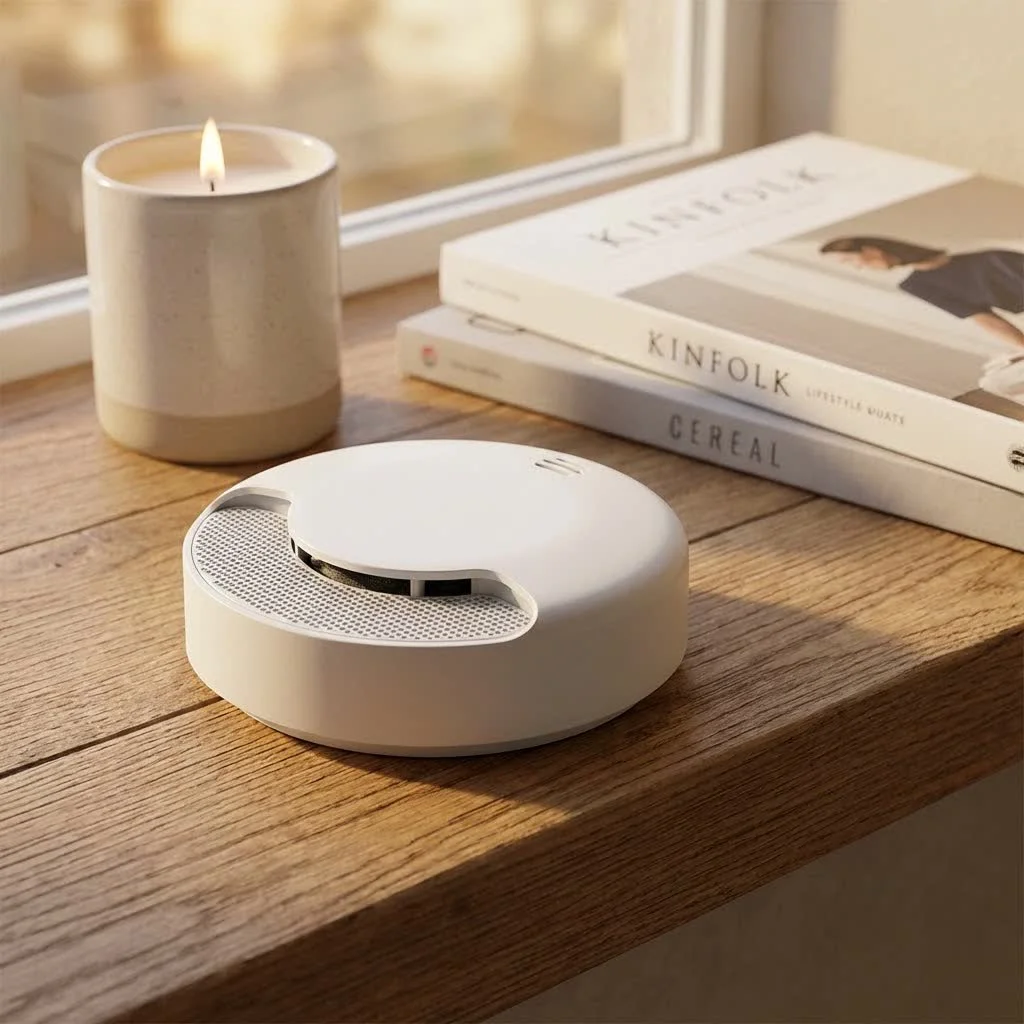
A dual smoke detector is an advanced fire safety device that integrates two primary sensing technologies: ionization and photoelectric. Unlike single-sensor alarms that specialize in detecting only one type of fire, dual detectors are engineered to identify both fast-flaming and slow, smoldering fires, offering a much broader spectrum of protection. This combined approach is vital because fires can start in countless ways, each producing different smoke characteristics.
The basic operating principle of these detectors hinges on their ability to sense minute changes in the air caused by smoke particles. Ionization sensors contain a small amount of radioactive material that ionizes the air between two electrically charged plates. A steady current flows between these plates. When smoke particles from a fast-flaming fire (such as a kitchen grease fire or burning paper) enter the chamber, they disrupt this current, triggering the alarm. Photoelectric sensors, on the other hand, use a light beam directed away from a sensor. When smoke particles from a slow, smoldering fire (like an electrical short or a forgotten cigarette) enter the chamber, they scatter the light beam onto the sensor, which then activates the alarm. By incorporating both mechanisms, dual smoke detectors provide a more complete and timely warning, which is essential given that fire incidents can escalate rapidly, putting lives and property at extreme risk.
Understanding Smoke Detector Types: Pros and Cons
To appreciate the comprehensive protection offered by dual smoke detectors, it’s helpful to understand the individual strengths and weaknesses of their constituent technologies.
Photoelectric Smoke Detectors
Photoelectric alarms are particularly adept at detecting smoldering fires. These fires often start slowly, producing large amounts of visible smoke before bursting into flame. Common sources include smoldering insulation, overheated wiring, or items left too close to a heat source.
- Pros: They are highly responsive to dense smoke particles characteristic of smoldering fires, offering an earlier warning in such scenarios. They are also generally less prone to nuisance alarms from common household activities like cooking fumes or steam, which can be a significant advantage in areas like kitchens or near bathrooms.
- Cons: Photoelectric detectors tend to be slower to respond to fast-flaming fires that produce less visible smoke but generate heat and flames quickly.
Ionization Smoke Detectors
|
Our Picks for the Best Smoke Detector in 2026
As an Amazon Associate I earn from qualifying purchases.
|
||
| Num | Product | Action |
|---|---|---|
| 1 | 3 Pack 10 Year Battery Operated Smoke and Carbon Monoxide Detector, Portable Fire Co Alarm for Home and Kitchen (White) |

|
| 2 | Kidde Hardwired Smoke & Carbon Monoxide Detector, AA Battery Backup Smoke Alarm, Interconnectable, LED Warning Light Indicators, 2 Pack |
|
| 3 | 6 in 1 Plug in Smoke and Carbon Monoxide Detector Combo, Portable Smoke, Gas & CO Detector with Battery Operated, Temp, Humidity - Smoke Alarm Carbon Monoxide Natural Gas Leak Detector for Home, RV |
|
| 4 | First Alert SMI100-AC, Hardwire Interconnect Smoke Alarm with Battery Backup, 6-Pack |
|
| 5 | First Alert SMI100, Battery-Operated Smoke Alarm, 2-Pack |
|
| 6 | 4-in-1 Gas & Carbon Monoxide Detector, Plug-in & Battery Powered – Multi-Gas Protection, Accurate CO, Temperature & Humidity Monitoring, LCD Display, Adjustable Brightness, Sensitive Alarm |
|
| 7 | First Alert SMI100, Battery-Operated Smoke Alarm, 3-Pack |
|
| 8 | Kidde Hardwired Smoke Detector, AA Battery Backup, Interconnectable, LED Warning Light Indicators, 4 Pack |
|
| 9 | Smoke Alarm Fire Detector,Battery Operated Photoelectric Smoke Detector with Test Button and Low Battery Warning, Fire Alarms Smoke Detectors for Home, 6 Pack |
|
| 10 | Kidde Smoke Detector, 10-Year Battery Powered, LED Warning Light Indicators |
|
Ionization alarms excel at detecting fast-flaming fires. These are fires that consume combustible materials rapidly, producing intense heat and flames quickly, often with less initial visible smoke. Examples include grease fires, fires involving flammable liquids, or fast-spreading paper fires.
- Pros: They are extremely quick to respond to the microscopic particles produced by rapid combustion. Studies have shown they can detect flaming fires in as little as 30 seconds.
- Cons: Ionization detectors contain a small amount of radioactive material, though regulated and safe, which some consumers prefer to avoid. More significantly, they are often more susceptible to false alarms triggered by cooking fumes, steam from showers, or even dust, which can lead to residents disabling them out of frustration, thereby compromising safety. They are also significantly slower in detecting smoldering fires.
Dual Sensor Smoke Detectors (Combined Advantage)
Dual smoke detectors leverage the strengths of both photoelectric and ionization technologies within a single unit, creating a superior and more reliable fire detection system.
- Pros: By combining both sensors, these detectors offer comprehensive protection against the full spectrum of fire types—from slow, smoldering fires that produce a lot of smoke to fast, flaming fires that quickly generate intense heat. This significantly reduces the risk of delayed detection for any specific fire type. Safety organizations like the National Fire Protection Association (NFPA) often recommend using both types of technology, and a dual sensor alarm provides this in a convenient, all-in-one package. This combined approach often leads to earlier warnings, giving occupants more critical time to evacuate safely.
- Cons: Dual sensor smoke detectors typically come with a higher initial cost compared to single-sensor models, reflecting their enhanced technology and broader detection capabilities.
Detailed Comparison: Dual vs. Single-Sensor Smoke Detectors
Choosing the right smoke detector involves understanding how each type performs under different fire conditions. The following table provides a clear comparison:
| Feature | Ionization Smoke Detector | Photoelectric Smoke Detector | Dual Smoke Detector |
|---|---|---|---|
| Primary Fire Type | Fast-Flaming Fires | Smoldering Fires | Both Fast-Flaming & Smoldering Fires |
| Response Time (Flaming) | Faster (approx. 30 seconds) | Slower (approx. 55 seconds) | Fast (combines best response) |
| Response Time (Smoldering) | Slower (approx. 240 seconds) | Faster (approx. 80 seconds) | Fast (combines best response) |
| False Alarm Tendency | Higher (cooking fumes, steam) | Lower (cooking fumes, steam) | Generally lower (can differentiate better) |
| Technology | Ionized air current disruption | Light scattering by smoke | Both ionization and photoelectric sensors |
| Cost | Generally lowest | Moderate | Generally highest (for comprehensive tech) |
| Ideal Location | Near areas with flammable liquids | Near bedrooms, living areas | All areas of the home |
How to Choose the Right Dual Smoke Detector (Buying Guide)
Selecting the ideal dual smoke detector requires a thoughtful assessment of your home’s unique needs and the features that best align with your safety priorities.
Assess Your Home’s Needs
Begin by considering the size and layout of your living space. Larger homes or those with multiple levels might benefit more from interconnected systems. Identify specific risk areas; for example, kitchens and laundry rooms are prone to fast-flaming incidents, while living rooms with electronics and upholstery are susceptible to smoldering fires. Your budget will also play a role, but remember that investing in a quality smoke detector is an investment in safety.
Key Features to Consider
When evaluating dual smoke detectors, several features are crucial for optimal performance and peace of mind:
- Certifications: Always look for recognized safety certifications such as UL (Underwriters Laboratories) 217 or EN 14604. These certifications indicate that the product has undergone rigorous testing and meets strict national or international safety standards.
- Power Source:
- 10-Year Sealed Battery: These units are convenient for installation and eliminate the need for annual battery changes. The entire unit is typically replaced after 10 years when the battery expires.
- Hardwired with Battery Backup: These detectors connect directly to your home’s electrical system for continuous power, with a battery backup ensuring operation during power outages. They often offer interconnectivity more reliably.
- Interconnectivity: An essential feature, interconnected smoke detectors ensure that if one alarm sounds, all other alarms in the system will also activate. This is critical for alerting occupants throughout the house, especially in larger homes or at night. Interconnection can be hardwired or wireless.
- Smart Features: Modern dual smoke detectors often come with smart capabilities, offering enhanced convenience and monitoring:
- Wi-Fi Connectivity and App Alerts: Receive notifications on your smartphone if an alarm sounds, even when you’re away from home.
- Voice Alerts: Instead of just a siren, some detectors provide clear voice messages stating the type of emergency (“Fire!” or “Carbon Monoxide!”) and its location.
- Self-Testing: Smart detectors can perform regular self-checks and notify you if there’s an issue with the unit or battery.
- Smart Home Integration: Compatibility with platforms like Google Home or Amazon Alexa allows for integration with other smart devices, such as turning off HVAC systems during an alarm to prevent smoke spread.
- Combination with Carbon Monoxide (CO) Detection: Many dual smoke detectors are now available as combination units, also detecting carbon monoxide, an odorless and colorless toxic gas. This provides an added layer of crucial safety.
- Ease of Installation and Maintenance: Consider how easy the unit is to install (especially for DIYers) and maintain. Look for features like a large test/silence button and clear instructions for cleaning and battery replacement.
Top Dual Smoke Detectors on the Market (Examples)
While specific product availability may vary, several brands consistently offer highly-rated dual smoke detectors:
- First Alert SA320/3120B: Known for solid performance at an affordable price, often available in both battery-powered (SA320) and hardwired (3120B) versions. The hardwired version often features battery backup and interconnectivity options.
- Kidde Detect Smoke + Carbon Monoxide Alarm: A popular choice for its ease of installation, 10-year sealed battery life, and comprehensive smoke and CO detection.
- Google Nest Protect: A premium smart option offering dual-sensor technology, voice alerts, app control, self-testing, and seamless integration with other Nest products and smart home ecosystems. It provides location-specific alerts and can even differentiate between steam and smoke to minimize false alarms.
Optimal Placement for Dual Smoke Detectors
Proper placement is as critical as the detector’s technology itself. Strategic positioning ensures the earliest possible warning, maximizing escape time.
General Guidelines:
- Ceiling Mounting: Smoke rises, so the ideal placement for any smoke detector is on the ceiling. If ceiling mounting is not feasible, place the detector high on a wall, typically within 4 to 12 inches (10-30 cm) from the ceiling.
- Away from Corners: Avoid placing detectors directly in corners where dead air pockets can form, hindering smoke detection. Maintain at least 4 inches (10 cm) from walls if mounted on the ceiling, and 10 cm (4 inches) from corners if wall-mounted.
Mandatory Locations (NFPA recommendations):
- Inside every sleeping room: To alert occupants directly.
- Outside each separate sleeping area: In hallways or common areas adjacent to bedrooms.
- On every level of the home: Including the basement, even if unfinished.
- In living areas and utility rooms: Consider additional detectors in living rooms, dens, or laundry areas where electrical appliances are often used.
Locations to Avoid:
- Near Kitchens: While crucial to have detectors nearby, placing them too close to cooking appliances can lead to frequent false alarms from cooking fumes. Aim for at least 10 feet (3 meters) from cooking appliances.
- Bathrooms: Steam from showers can easily trigger false alarms.
- Garages: Vehicle exhaust contains carbon monoxide and can also trigger false alarms. A heat detector is more suitable for garages.
- Near Windows, Doors, or Vents: Drafts can interfere with the detector’s ability to sense smoke accurately.
- Dusty Areas: Excessive dust can accumulate on sensors, leading to malfunctions or false alarms.
- Near Fluorescent Lights: Electrical noise from these fixtures can sometimes interfere with detector operation.
Installation and Maintenance Essentials
Once you’ve chosen your dual smoke detectors, correct installation and ongoing maintenance are vital to ensure they function reliably when you need them most.
Step-by-Step Installation (General)
Installation methods can vary slightly between battery-powered and hardwired units, but the basic steps are similar:
- Read the Manual: Always refer to the manufacturer’s specific instructions for your model.
- Mark Locations: Using the detector’s mounting bracket, mark the screw hole positions on the ceiling or wall.
- Drill and Insert Anchors: Drill pilot holes (if necessary) and gently tap wall anchors into the holes for secure mounting.
- Mount the Bracket: Secure the mounting bracket to the wall or ceiling with screws.
- Connect Wires (Hardwired only): For hardwired units, carefully connect the electrical wires (usually black for hot, white for neutral, and red/yellow for interconnect) to the corresponding wires on the detector’s pigtail connector, using wire nuts. Always turn off power at the circuit breaker before handling electrical wires.
- Insert Batteries: For battery-powered units, insert the batteries, ensuring correct polarity. For hardwired units with battery backup, install the backup battery.
- Attach Detector: Align the detector with the mounting bracket and twist or click it into place until it’s securely fastened.
- Test: Press and hold the test button on the detector until the alarm sounds. If it’s an interconnected system, all linked alarms should sound. Test each alarm individually.
Routine Maintenance
Regular maintenance is crucial for optimal performance:
- Monthly Testing: Press the test button on each smoke detector monthly to ensure the alarm sounds. This checks the battery and circuitry.
- Annual Cleaning: Gently vacuum around the detector’s vents or wipe the exterior with a dry cloth to remove dust and cobwebs. Avoid using water or cleaning agents.
- Battery Replacement: For units with replaceable batteries, change them at least once a year, or immediately when the low battery chirp sounds. For 10-year sealed battery units, the entire unit is replaced after its lifespan.
- Unit Replacement: Smoke detectors, regardless of type, have a lifespan of typically 7-10 years. After this period, their sensing capabilities can degrade. Check the manufacture date on the back of your detector and replace units that are older than 10 years.
- Handling False Alarms: If a false alarm occurs (e.g., from cooking smoke), use the silence button. If alarms are frequent, reconsider the detector’s placement or ensure proper ventilation in that area. Never disable a detector permanently.
Safety Standards and Certifications for Smoke Detectors
When purchasing a dual smoke detector, verifying its adherence to established safety standards and certifications is non-negotiable. These certifications assure that the product has been rigorously tested and meets critical performance and safety benchmarks.
The most widely recognized standards include:
- UL 217 (Standard for Smoke Alarms): This is a crucial certification from Underwriters Laboratories, indicating that the smoke alarm has met stringent safety requirements for performance, reliability, and construction in North America.
- EN 14604 (European Standard for Smoke Alarms): This standard applies to smoke alarms for residential premises in Europe, ensuring they meet specific requirements for design, performance, and testing.
These certifications signify that the device is reliable, effective, and safe for use in your home. They provide consumers with confidence that the smoke detector will operate as intended in the event of a fire, offering vital early warning. Always look for these markings on the product packaging or on the detector itself.
“Investing in properly certified dual-sensor smoke detectors is one of the smartest decisions you can make for home fire safety. These devices offer superior detection capabilities, significantly increasing the chances of early warning and safe evacuation.” – John Smith, Certified Fire Safety Engineer
Conclusion
Dual smoke detectors represent the pinnacle of residential fire safety technology, offering unparalleled protection by effectively detecting both fast-flaming and slow-smoldering fires. By combining the strengths of ionization and photoelectric sensors, these devices provide comprehensive coverage, minimizing blind spots and maximizing response time. From understanding their operating principles to choosing the right features and ensuring proper installation and maintenance, equipping your home with dual smoke detectors is a proactive step towards securing a safer environment. Don’t compromise on safety; make the informed choice for a protected home. What steps will you take today to upgrade your home’s fire detection system?
Frequently Asked Questions
Are dual smoke detectors required by law?
While specific regulations vary by location, many building codes and fire safety recommendations, such as those by the NFPA, advocate for using both photoelectric and ionization technologies for optimal fire detection. Dual smoke detectors fulfill this recommendation in a single unit, making them a highly recommended choice, if not always legally mandated.
How often should I test my dual smoke detector?
You should test all your smoke detectors, including dual sensor models, at least once a month by pressing the test button. This simple check ensures that the alarm mechanism and battery are functioning correctly.
Can cooking smoke set off a dual smoke detector?
While photoelectric sensors in dual detectors are designed to be less sensitive to cooking smoke and steam, persistent or very dense cooking fumes can still trigger an alarm. Proper ventilation in kitchen areas and strategic placement (at least 10 feet from cooking appliances) can help minimize nuisance alarms.
What’s the difference between a smoke detector and a smoke alarm?
The terms “smoke detector” and “smoke alarm” are often used interchangeably. Technically, a “smoke detector” is the sensing part of the device, while a “smoke alarm” includes both the sensing component and the audible alarm mechanism in a single unit, commonly found in homes.
Should I replace my old smoke detectors with dual sensors?
Yes, replacing older, single-sensor smoke detectors with dual sensor models is highly recommended. Older detectors may not offer comprehensive protection against all fire types, and their effectiveness can degrade over time. Upgrading ensures you have the most advanced and reliable detection available.
How long do dual smoke detectors last?
Most smoke detectors, including dual sensor types, have a recommended lifespan of 7 to 10 years. After this period, their internal components can degrade, reducing their sensitivity and reliability. Always check the manufacturer’s date on the unit and replace it accordingly.
Get our weekly buyer guide
Practical specs, not advice. Unsubscribe anytime.
