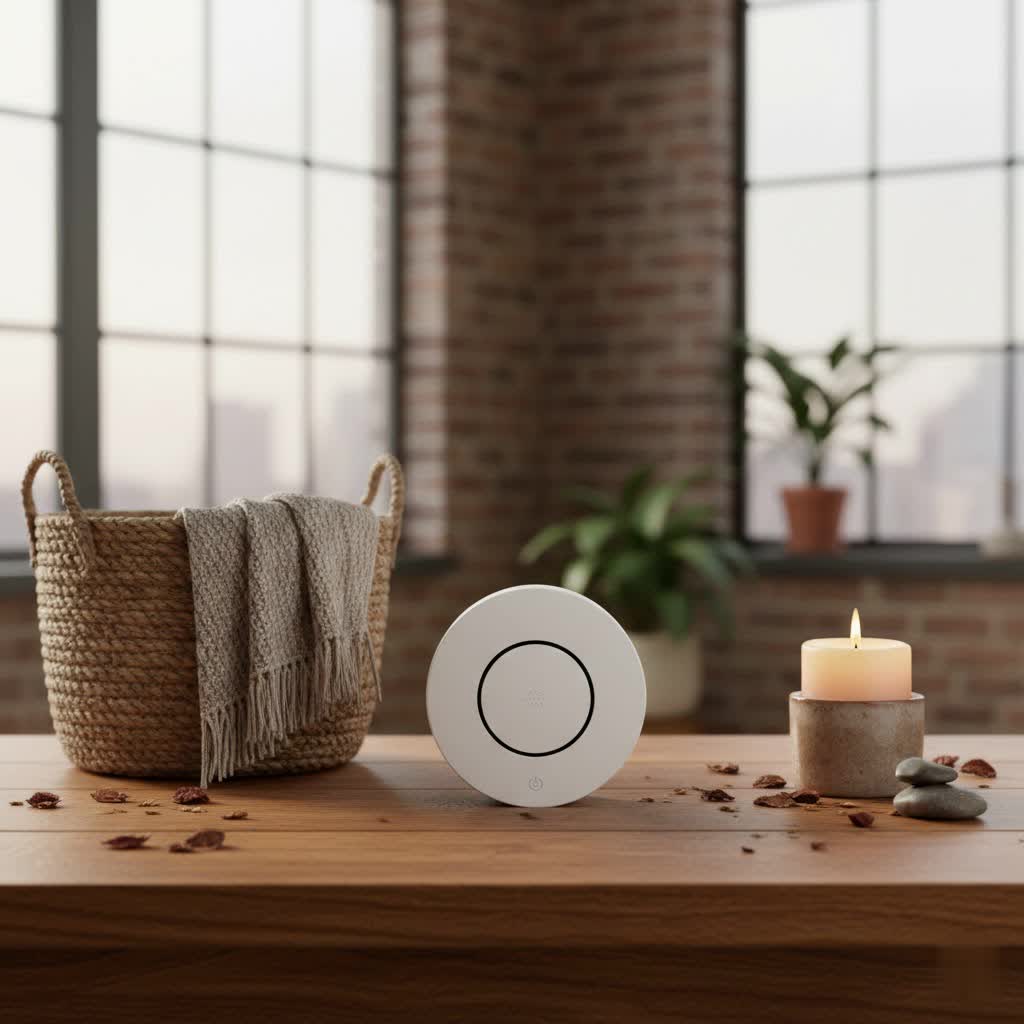
A fire alarm smoke detector is an indispensable safety device designed to sense smoke, typically indicating the presence of fire. These devices are usually housed in discreet plastic enclosures, often disk-shaped, and are engineered to emit an audible or visual alarm, providing critical early warning. Statistics reveal that the risk of dying in a residential fire is significantly reduced—by as much as 60 percent—in homes equipped with properly installed and maintained smoke alarms. Early warning from a smoke detector provides precious seconds for safe evacuation and can drastically minimize injuries and property damage.
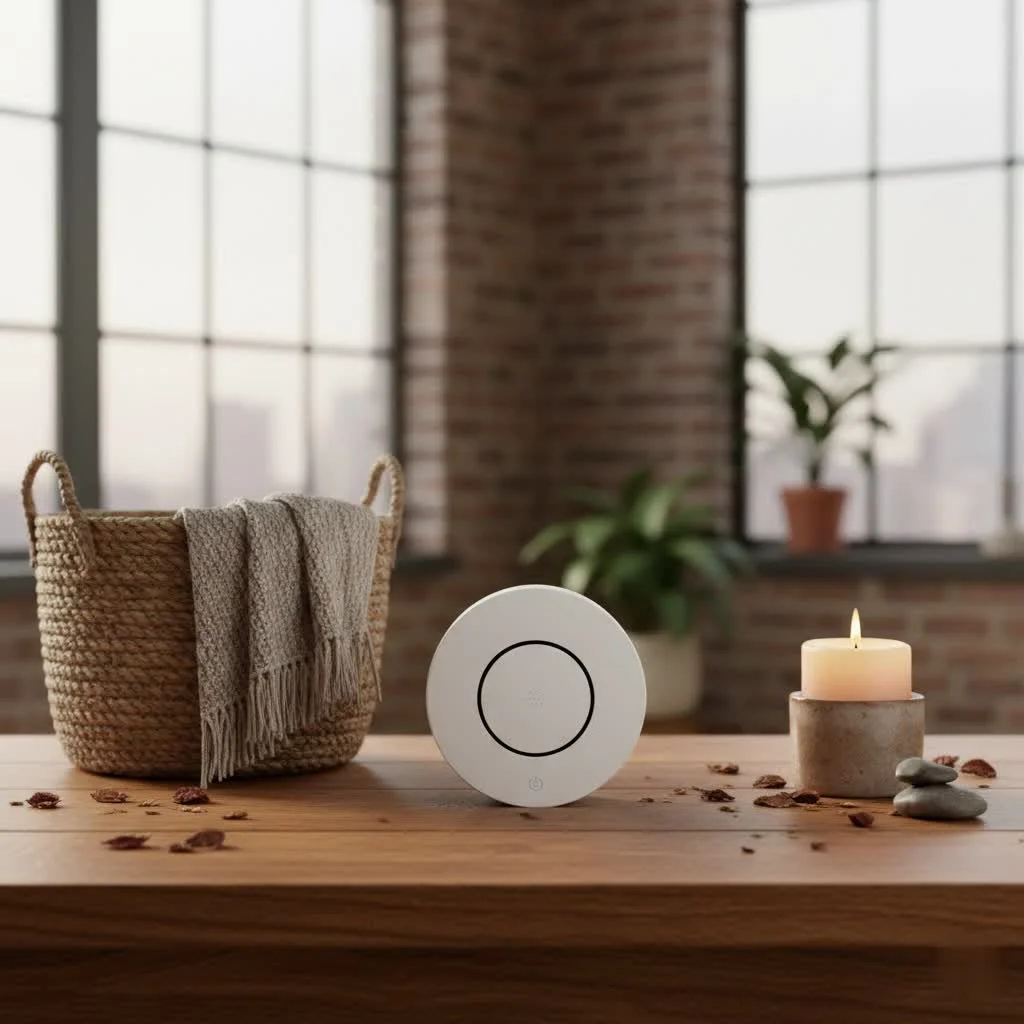
This comprehensive guide explores different types of fire alarm smoke detectors, their operational principles, essential buying considerations, optimal placement, and crucial maintenance tips. Our goal is to empower you with the knowledge needed to make informed decisions, ensuring your premises are equipped with the best possible defense against the unexpected threat of fire.
What is a Fire Alarm Smoke Detector? Why is it Essential?
A fire alarm smoke detector is an indispensable safety device designed to sense smoke, typically indicating the presence of fire. These devices are usually housed in discreet plastic enclosures, often disk-shaped, and are engineered to emit an audible or visual alarm, providing critical early warning. While standalone units alert those in immediate proximity, modern interconnected systems ensure that when one detector senses danger, all linked alarms throughout a property activate simultaneously, amplifying the alert.
The importance of a working smoke detector cannot be overstated. Statistics reveal a grim reality: the risk of dying in a residential fire is significantly reduced—by as much as 60 percent—in homes equipped with properly installed and maintained smoke alarms. Fires can engulf a room in minutes, and precious seconds gained from an early warning are vital for safe evacuation and can drastically minimize injuries and property damage. These devices act as your first line of defense, constantly monitoring the air for invisible threats and sounding the alarm long before you might see flames or smell smoke yourself.
Classifying Smoke Detectors: Pros and Cons
Understanding the different types of smoke detectors is crucial, as each excels at detecting specific kinds of fires and performs differently in various environments. The primary categories include photoelectric, ionization, and dual-sensor detectors.
Photoelectric Smoke Detectors
Photoelectric smoke detectors operate using a light source and a photosensitive sensor within a chamber. When smoke enters this chamber, it scatters the light, directing it onto the sensor and triggering the alarm.
- Advantages: Photoelectric detectors are highly effective at identifying slow, smoldering fires, which often produce a significant amount of visible smoke before any substantial flame. These fires can smolder for hours, producing dangerous levels of smoke and toxic gases. Their sensitivity to larger smoke particles makes them less prone to false alarms caused by minor cooking fumes.
- Disadvantages: While excellent for smoldering fires, photoelectric detectors may respond slower to fast-flaming fires that produce less visible smoke initially. They can also be susceptible to nuisance alarms in very dusty environments.
Ionization Smoke Detectors
|
Our Picks for the Best Smoke Detector in 2026
As an Amazon Associate I earn from qualifying purchases.
|
||
| Num | Product | Action |
|---|---|---|
| 1 | Kidde Hardwired Smoke & Carbon Monoxide Detector, AA Battery Backup Smoke Alarm, Interconnectable, LED Warning Light Indicators, 2 Pack |

|
| 2 | 6 in 1 Plug in Smoke and Carbon Monoxide Detector Combo, Portable Smoke, Gas & CO Detector with Battery Operated, Temp, Humidity - Smoke Alarm Carbon Monoxide Natural Gas Leak Detector for Home, RV |
|
| 3 | 3 Pack 10 Year Battery Operated Smoke and Carbon Monoxide Detector, Portable Fire Co Alarm for Home and Kitchen (White) |
|
| 4 | First Alert SMI100, Battery-Operated Smoke Alarm, 2-Pack |
|
| 5 | First Alert SMI100, Battery-Operated Smoke Alarm, 3-Pack |
|
| 6 | Smoke Alarm Fire Detector,Battery Operated Photoelectric Smoke Detector with Test Button and Low Battery Warning, Fire Alarms Smoke Detectors for Home, 6 Pack |
|
| 7 | Kidde Hardwired Smoke Detector, AA Battery Backup, Interconnectable, LED Warning Light Indicators, 4 Pack |
|
| 8 | First Alert SMI100-AC, Hardwire Interconnect Smoke Alarm with Battery Backup, 6-Pack |
|
| 9 | 4-in-1 Gas & Carbon Monoxide Detector, Plug-in & Battery Powered – Multi-Gas Protection, Accurate CO, Temperature & Humidity Monitoring, LCD Display, Adjustable Brightness, Sensitive Alarm |
|
| 10 | Kidde Smoke Detector, 10-Year Battery Powered, LED Warning Light Indicators |
|
Ionization smoke detectors contain a small amount of radioactive material that ionizes the air between two electrically charged plates, creating a tiny, constant electric current. When smoke particles enter the chamber, they disrupt this current, causing the alarm to sound.
- Advantages: Ionization detectors are typically more responsive to fast-flaming fires, which consume combustible materials rapidly and produce smaller, less visible smoke particles. They are designed to detect these tiny particles quickly, providing an earlier warning in such scenarios.
- Disadvantages: These detectors may be slower to react to smoldering fires. They are also notoriously sensitive to steam from showers or smoke from cooking, leading to frequent false alarms if placed too close to kitchens or bathrooms. They contain a minuscule amount of radioactive material, making their disposal a minor environmental consideration, although the health risk is negligible.
Dual-Sensor Smoke Detectors
Dual-sensor smoke detectors, as the name suggests, integrate both ionization and photoelectric sensing technologies into a single unit.
- Advantages: These detectors offer the best of both worlds, providing comprehensive protection by being responsive to both fast-flaming and slow, smoldering fires. By combining sensing methods, they aim to reduce the likelihood of nuisance alarms while maximizing detection capabilities across different fire types. Many fire safety experts and organizations, including the U.S. Fire Administration, recommend dual-sensor alarms for optimal home protection.
- Disadvantages: The primary drawback of dual-sensor units is their generally higher cost compared to single-sensor models, reflecting the advanced technology they incorporate. However, the enhanced safety they offer often outweighs this increased investment.
Detailed Comparison Table for Smoke Detector Types
To help you visualize the differences, here’s a comparison of the main smoke detector types:
| Feature | Photoelectric | Ionization | Dual-Sensor (Combined) |
|---|---|---|---|
| Detection Method | Light scattering by smoke particles | Disruption of ionized air current | Combines both methods |
| Best for Detecting | Slow, smoldering fires | Fast, flaming fires | Both smoldering and flaming fires |
| Response Time | Faster for smoldering | Faster for flaming | Fast for both |
| False Alarm Risk | Lower for cooking fumes, higher for dust | Higher for cooking fumes/steam | Balanced, aims to reduce nuisance alarms |
| Cost | Moderate | Lower | Higher |
| Environmental Impact | Minimal | Contains small radioactive material | Minimal (if photoelectric component is main detection) |
| Typical Placement | Living areas, bedrooms, hallways | Near potential flame sources (but avoid kitchens) | Throughout the home for comprehensive coverage |
Your Buying Guide: Choosing the Right Fire Alarm Smoke Detector
Selecting the appropriate fire alarm smoke detector involves more than just picking the first one you see. A strategic approach ensures you get the best protection for your specific needs.
1. Identify Your Specific Needs
- Space Coverage: For larger homes, interconnected systems (hardwired or wireless) are essential, ensuring that when one alarm sounds, all others follow suit, alerting everyone regardless of where the fire starts.
- Area Type: Consider the specific environment. Photoelectric alarms are generally better for living rooms, bedrooms, and hallways. Ionization alarms, while fast for flaming fires, should be avoided near kitchens or bathrooms due to false alarms. Dual-sensor alarms offer versatility for general coverage. Heat detectors, not smoke detectors, are recommended for kitchens, garages, and attics where smoke/steam is common.
- Budget: While cost is a factor, prioritize safety. Dual-sensor or interconnected smart alarms might be pricier but offer superior protection and convenience.
- Power Source:
- Battery-Powered: Easy to install, ideal for quick upgrades or areas without existing wiring. Requires regular battery changes (typically annually for 9V, or 10 years for sealed lithium batteries).
- Hardwired with Battery Backup: Connected to your home’s electrical system with a backup battery for power outages. Highly reliable and often integrated into interconnected systems. Requires professional installation.
2. Key Criteria for Selection
- Quality Certifications: Always look for recognized testing laboratory labels such as UL (Underwriters Laboratories, especially UL 217 for residential and UL 268 for commercial in North America) or EN (European Norm, specifically EN 14604 for household smoke alarms in Europe). These certifications guarantee that the product meets stringent safety and performance standards.
- Battery Life and Low-Battery Warnings: For battery-powered units, a 10-year sealed lithium battery is a convenient option, eliminating annual battery changes. Ensure the detector provides clear low-battery warnings (audible chirps) to prompt replacement.
- Connectivity and Remote Notifications: Modern smart smoke detectors can connect to Wi-Fi, sending alerts to your smartphone even when you’re away. Interconnected alarms, whether hardwired or wireless, ensure that all units sound in unison, enhancing the early warning system.
- Ease of Installation and Maintenance: While some systems require professional installation, many battery-powered and wireless interconnected models are designed for DIY setup. Consider how easy it is to test and clean the unit.
Top Smoke Detector Features to Look For:
When exploring options, consider these advanced features for enhanced safety and convenience:
- Interconnectivity: Essential for larger homes, ensuring all alarms sound simultaneously.
- Carbon Monoxide (CO) Detection: Many modern smoke detectors come with integrated CO sensors, offering protection against both smoke and the invisible, odorless, deadly gas.
- Smart Home Integration: Integration with platforms like Google Home or Amazon Alexa can provide voice alerts, remote monitoring, and seamless interaction with other smart devices.
- Silence Button: A temporary silence feature is helpful for nuisance alarms from cooking, but ensure it automatically resets.
- Voice Alerts: Some detectors offer clear voice messages in addition to sirens, specifying the type and location of the emergency.
Optimal Installation Locations for Fire Alarm Smoke Detectors
Proper placement of smoke detectors is as critical as choosing the right type. Incorrect placement can either delay detection or lead to frequent false alarms, which can cause complacency.
- General Principle: Smoke rises, so detectors should always be mounted on ceilings or high on walls. For wall-mounted alarms, the top of the alarm should be no more than 12 inches (30 cm) from the ceiling.
- Every Level: Install at least one smoke detector on every level of your home, including the basement and attic (if habitable).
- Sleeping Areas: Crucially, place a smoke detector inside every bedroom and just outside each separate sleeping area (e.g., in the hallway leading to bedrooms). A closed door can significantly slow the spread of smoke, heat, and fire.
- Living Areas: On levels without bedrooms, install alarms in the living room, den, or near the stairway to an upper level.
- Basements: Install smoke alarms on the ceiling at the bottom of the stairs leading to the next level in the basement.
- Sloped Ceilings: If you have pitched ceilings, install the alarm within 3 feet (0.9 meters) of the peak, but not within the apex (the top 4 inches or 10 cm).
Positions to Avoid:
To minimize false alarms and ensure optimal performance, steer clear of these locations:
- Within 10 Feet (3 Meters) of Cooking Appliances: This distance helps prevent alarms from being triggered by normal cooking fumes.
- Near Bathrooms with Showers: Steam can easily trigger ionization alarms.
- Near Windows, Doors, or Air Vents: Drafts can interfere with smoke reaching the detector.
- Near Furnaces, Stoves, Fireplaces, or Garages: These areas are prone to producing smoke or fumes that can cause nuisance alarms. Use heat detectors in these areas instead.
- In Areas with High Humidity or Dust: Excessive humidity or dust can lead to false alarms and compromise sensor accuracy.
How to Install and Maintain Your Fire Alarm Smoke Detector
Once you’ve selected the right detectors, proper installation and consistent maintenance are key to their life-saving effectiveness.
Step-by-Step Installation Guide (General for Battery-Powered/Wireless):
- Read the Manufacturer’s Instructions: Always start by reviewing the specific instructions that come with your smoke detector, as models can vary.
- Choose Your Location: Based on the optimal placement guidelines, identify the exact spot on your ceiling or wall.
- Mark Drill Points: Hold the mounting bracket against the chosen surface and mark the screw positions with a pencil. Ensure it’s at least 8 inches (20 cm) from the nearest wall for ceiling mounts.
- Drill Holes: Use a drill to create pilot holes at your marked points. If drilling into drywall, insert wall anchors.
- Mount the Bracket: Secure the mounting bracket to the ceiling or wall using the provided screws.
- Insert Batteries: If it’s a battery-powered unit, insert the batteries, ensuring correct polarity. For 10-year sealed units, activate the battery as per instructions.
- Attach the Detector: Align the smoke detector with the mounting bracket and twist it clockwise until it clicks securely into place.
- Test the Alarm: Press and hold the test button on the detector. You should hear a loud, clear alarm sound. If it’s an interconnected system, ensure all linked alarms sound. This confirms the unit is working correctly.
(For hardwired installations, it is highly recommended to engage a qualified electrician to ensure compliance with electrical codes and safe wiring.)
Essential Maintenance Tips:
Regular maintenance ensures your smoke detector remains vigilant and reliable.
- Test Monthly: Press the test button on each smoke detector at least once a month. This verifies that the battery and alarm sounder are functioning.
- Clean Bi-Annually: Gently vacuum or dust around your smoke detectors twice a year to remove any cobwebs or dust that could interfere with the sensor or cause false alarms.
- Replace Batteries Annually (for 9V units): If your smoke detector uses replaceable 9-volt batteries, change them at least once a year, even if they haven’t chirped. A good reminder is to change them when you change your clocks for daylight saving.
- Replace the Unit Every 10 Years: Smoke detectors have a lifespan of about 10 years from the date of manufacture (check the back of the unit for the date). After this time, the sensors can become less effective, so replacement is crucial.
- Handling False Alarms: If a nuisance alarm occurs (e.g., from cooking), use the silence button if available. If not, wave a towel or open windows to clear the smoke. Never remove the battery permanently to stop an alarm, as this leaves you unprotected.
Safety Standards and Certifications for Fire Alarm Smoke Detectors
Compliance with recognized safety standards is paramount when selecting a fire alarm smoke detector. These certifications assure that products have undergone rigorous testing and meet critical performance benchmarks.
- UL 217 (Underwriters Laboratories): This is the primary standard for residential smoke alarms in the United States and Canada, ensuring devices can reliably detect smoke and alert occupants.
- UL 268 (Underwriters Laboratories): This standard applies to smoke detectors used in commercial fire alarm systems, often connected to a central control panel.
- EN 14604 (European Norm): This harmonized European standard specifies requirements, test methods, and performance criteria for smoke alarms designed for household use throughout Europe.
- NFPA 72 (National Fire Alarm and Signaling Code): Published by the National Fire Protection Association, NFPA 72 is not a product certification but a comprehensive code that outlines the proper application, installation, location, testing, inspection, and maintenance of fire alarm and signaling systems, including smoke detectors, to ensure optimal performance and reliability.
- Importance of Certifications: These certifications signify that a product has been independently tested and meets specific safety and performance criteria. Using certified products ensures reliability, reduces the risk of malfunction, and often fulfills local building codes and insurance requirements. Always look for the certification mark on the product packaging or device itself.
“A smoke detector is more than just a device; it’s a silent sentinel, standing guard, ready to give you the precious gift of time when fire strikes. Investing in quality and understanding its proper use is an investment in life itself.” – Admin, Reviewmobi.com, Fire Safety Expert
Conclusion
In a world where unforeseen dangers lurk, a reliable fire alarm smoke detector serves as an indispensable guardian, providing the crucial early warning needed to protect lives and property. From the rapid response of ionization detectors to the smoldering fire sensitivity of photoelectric models, and the comprehensive coverage offered by dual-sensor and interconnected systems, technology has continually evolved to enhance our safety. By understanding the different types, carefully considering your specific needs, adhering to optimal placement guidelines, and committing to regular maintenance, you empower yourself with a robust defense against fire.
a working smoke detector is not just a regulatory requirement; it’s a life-saving necessity. Make it a priority to equip your home or business with these essential devices, ensuring they are properly installed and maintained. What steps will you take today to enhance your fire safety and secure your peace of mind?
Frequently Asked Questions
How often should I test my fire alarm smoke detector?
You should test your fire alarm smoke detector at least once a month by pressing and holding the test button. This simple check ensures that the battery and alarm sounder are fully functional, providing confidence in its readiness to alert you in an emergency.
Where should I absolutely avoid installing a smoke detector?
Avoid installing smoke detectors within 10 feet (3 meters) of cooking appliances, near bathrooms with showers, or close to windows, doors, air vents, furnaces, or fireplaces. These areas are prone to nuisance alarms from steam, cooking fumes, or drafts, which can undermine trust in your system.
What is the average lifespan of a smoke detector, and when should it be replaced?
Most smoke detectors have a lifespan of approximately 10 years from the date of manufacture. After this period, the sensors can degrade, reducing their effectiveness. It is crucial to replace your smoke detectors every decade to ensure optimal performance and reliable fire detection.
Frequently Asked Questions
How often should I test my fire alarm smoke detector?
You should test your fire alarm smoke detector at least once a month by pressing and holding the test button. This simple check ensures that the battery and alarm sounder are fully functional, providing confidence in its readiness to alert you in an emergency.
Where should I absolutely avoid installing a smoke detector?
Avoid installing smoke detectors within 10 feet (3 meters) of cooking appliances, near bathrooms with showers, or close to windows, doors, air vents, furnaces, or fireplaces. These areas are prone to nuisance alarms from steam, cooking fumes, or drafts, which can undermine trust in your system.
What is the average lifespan of a smoke detector, and when should it be replaced?
Most smoke detectors have a lifespan of approximately 10 years from the date of manufacture. After this period, the sensors can degrade, reducing their effectiveness. It is crucial to replace your smoke detectors every decade to ensure optimal performance and reliable fire detection.
What are the main types of fire alarm smoke detectors?
The main types of fire alarm smoke detectors are photoelectric, ionization, and dual-sensor. Photoelectric detectors are best for smoldering fires, ionization for fast-flaming fires, and dual-sensor models combine both technologies for comprehensive protection.
Why are dual-sensor smoke detectors often recommended?
Dual-sensor smoke detectors are often recommended because they integrate both ionization and photoelectric sensing technologies. This combination allows them to detect both fast-flaming and slow, smoldering fires effectively, offering more comprehensive protection and reducing false alarms.
What safety certifications should I look for in a smoke detector?
When buying a smoke detector, look for certifications like UL 217 (for residential use in North America) or EN 14604 (for household use in Europe). These certifications ensure the product meets stringent safety and performance standards, guaranteeing reliability.
Install and Maintain Your Fire Alarm Smoke Detector
Proper installation and consistent maintenance are crucial for the life-saving effectiveness of your smoke detector. Follow these steps for battery-powered or wireless units.
Always start by reviewing the specific instructions that come with your smoke detector, as models can vary. Based on optimal placement guidelines, identify the exact spot on your ceiling or wall, ensuring it's at least 8 inches (20 cm) from the nearest wall for ceiling mounts.
Hold the mounting bracket against the chosen surface and mark the screw positions. Drill pilot holes, insert wall anchors if needed, and secure the mounting bracket. For battery-powered units, insert batteries with correct polarity; activate 10-year sealed batteries as per instructions.
Align the smoke detector with the mounting bracket and twist it clockwise until it clicks securely into place. Press and hold the test button on the detector; you should hear a loud, clear alarm sound. For interconnected systems, ensure all linked alarms sound to confirm correct operation.
Press the test button on each smoke detector at least once a month to verify battery and alarm function. Gently vacuum or dust around your smoke detectors twice a year to remove cobwebs or dust that could interfere with the sensor or cause false alarms.
If your smoke detector uses replaceable 9-volt batteries, change them at least once a year. Replace the entire smoke detector unit every 10 years from its manufacture date, as sensors can degrade over time, reducing effectiveness.
Get our weekly buyer guide
Practical specs, not advice. Unsubscribe anytime.

We just moved into an older house and realized we barely had any working alarms. We ended up getting a few of the dual-sensor models mentioned, and they seem really reliable. My only minor complaint is that one of them was a bit tricky to get synced up with the others, but once it was done, everything worked great. It’s good to know we’re covered.
After a small kitchen incident a while back, I became super serious about fire safety. I ended up going with interconnected alarms throughout the house, and it’s fantastic knowing that if one goes off, they all do. It gives us so much more time to react, especially with kids sleeping upstairs. Every home should have these; it’s a game-changer for early warning.
I appreciate the info on optimal placement; it really helped me figure out where to put the new alarms in our hallway and bedrooms. However, I found that the battery life on the specific brand I bought wasn’t quite as long as advertised, which was a bit disappointing. I had to replace them sooner than I expected. Still, they work, which is the main thing.
I recently upgraded all my old smoke detectors to the photoelectric type after reading about their effectiveness with smoldering fires. It’s such a relief knowing my family has that extra layer of protection. Installation was straightforward, and the peace of mind is truly priceless. Definitely recommend checking your current detectors and upgrading if needed.