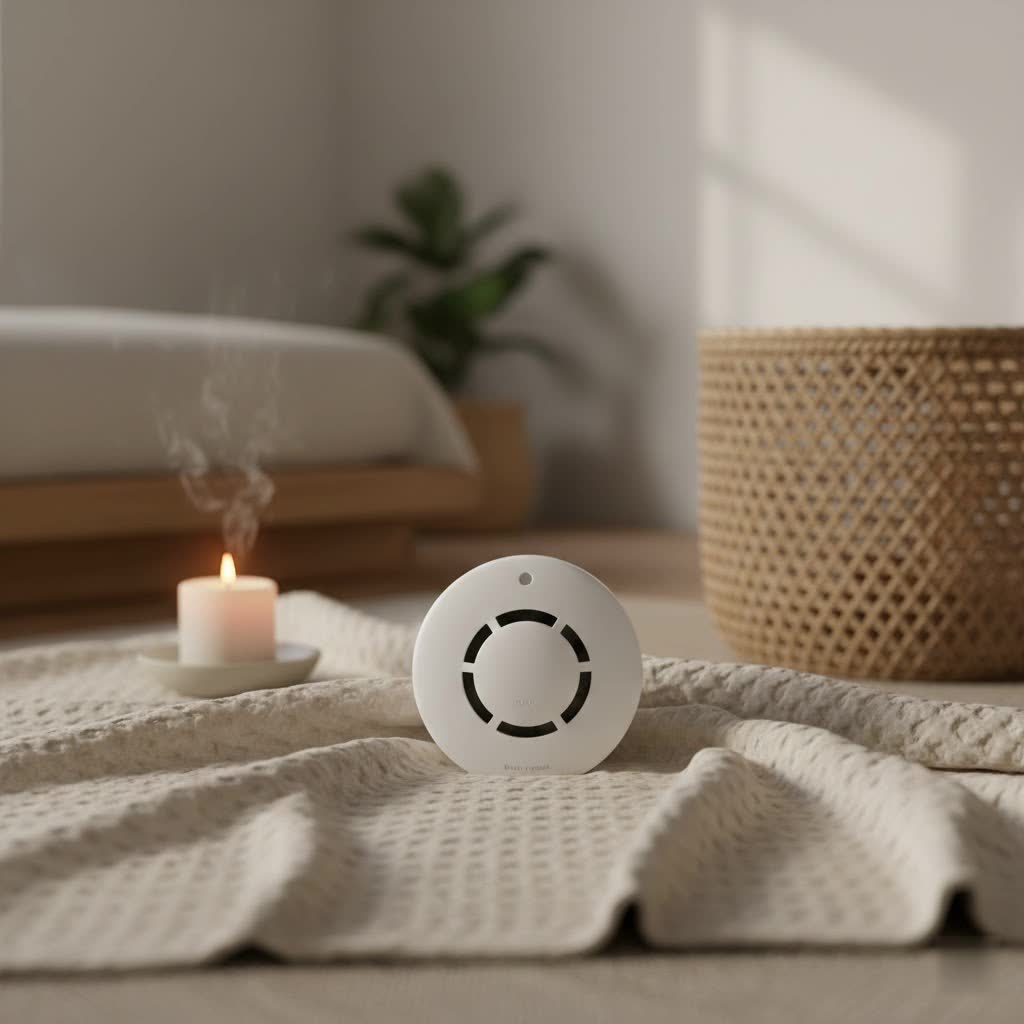
The silent threat of fire can turn your world upside down in moments, but early detection is a powerful defense. For decades, Gentex smoke detectors have been at the forefront of fire protection technology, evolving from simple alarms to sophisticated smart systems. If you’re seeking reliable, high-performance smoke detection for your home or business, understanding the nuances of Gentex’s offerings is crucial. This comprehensive guide will equip you with the knowledge to make an informed decision, ensuring peace of mind for you and your loved ones.
What Are Gentex Smoke Detectors and Why Are They Essential?
Gentex smoke detectors are advanced devices designed to provide early warning of smoke and fire, leveraging modern sensing technologies. Founded in 1974, Gentex revolutionized the industry by introducing the world’s first dual-cell photoelectric smoke alarm, setting a new benchmark for fire protection. Today, their products are trusted in diverse environments, from single-family homes and apartments to schools, hospitals, and hotels, because they deliver consistent, reliable performance. For expert home fire reviews on this site.
The fundamental principle behind a smoke detector is simple: to sense the presence of smoke particles in the air and trigger an alarm. Early detection is paramount because fires can spread rapidly, drastically reducing escape time. According to various fire safety statistics, a significant percentage of fire fatalities occur in residential settings, often due to the absence of working smoke alarms or delayed alerts. A properly functioning smoke detector can shave precious minutes off response times, offering the critical window needed for evacuation and potentially saving lives and property.
Gentex primarily utilizes photoelectric technology, which is highly effective at detecting slow, smoldering fires – the most common type of residential fire. These devices are engineered to virtually eliminate nuisance alarms, a common frustration that can lead people to disable their detectors. Beyond basic smoke detection, Gentex also offers multi-criteria alarms that integrate carbon monoxide (CO) and heat detection, providing comprehensive protection against various hazards within a single unit.
Classifying Gentex Smoke Detectors: Exploring Types and Features
Gentex smoke detectors primarily employ photoelectric sensing technology, known for its sensitivity to larger smoke particles produced by smoldering fires. This makes them a preferred choice for most residential and commercial-residential applications where fires often start slowly. While Gentex focuses on photoelectric, it’s helpful to understand the general types of smoke detectors in the market.
Photoelectric Smoke Detectors (Gentex’s Primary Focus)
Gentex detectors predominantly use the photoelectric light scatter principle. Inside a darkened sensing chamber, an infrared LED emits light, and a photodiode acts as a sensor. Under normal conditions, the light bypasses the sensor. However, when smoke enters the chamber, it scatters the light, directing it onto the photodiode, which then triggers the alarm.
- Advantages: These alarms are particularly adept at detecting slow, smoldering fires, which often produce thick, visible smoke. They are less prone to false alarms caused by minor cooking fumes compared to ionization detectors.
- Disadvantages: Historically, they could be slower to react to fast, flaming fires, though modern photoelectric sensors have significantly improved in this area.
Ionization Smoke Detectors (Less Common in Gentex’s Core Offerings)
|
Our Picks for the Best Smoke Detector in 2026
As an Amazon Associate I earn from qualifying purchases.
|
||
| Num | Product | Action |
|---|---|---|
| 1 | Kidde Smoke Detector, 10-Year Battery Powered, LED Warning Light Indicators |

|
| 2 | 6 in 1 Plug in Smoke and Carbon Monoxide Detector Combo, Portable Smoke, Gas & CO Detector with Battery Operated, Temp, Humidity - Smoke Alarm Carbon Monoxide Natural Gas Leak Detector for Home, RV |
|
| 3 | Kidde Hardwired Smoke & Carbon Monoxide Detector, AA Battery Backup Smoke Alarm, Interconnectable, LED Warning Light Indicators, 2 Pack |
|
| 4 | Kidde Hardwired Smoke Detector, AA Battery Backup, Interconnectable, LED Warning Light Indicators, 4 Pack |
|
| 5 | Smoke Alarm Fire Detector,Battery Operated Photoelectric Smoke Detector with Test Button and Low Battery Warning, Fire Alarms Smoke Detectors for Home, 6 Pack |
|
| 6 | 4-in-1 Gas & Carbon Monoxide Detector, Plug-in & Battery Powered – Multi-Gas Protection, Accurate CO, Temperature & Humidity Monitoring, LCD Display, Adjustable Brightness, Sensitive Alarm |
|
| 7 | 3 Pack 10 Year Battery Operated Smoke and Carbon Monoxide Detector, Portable Fire Co Alarm for Home and Kitchen (White) |
|
| 8 | First Alert SMI100, Battery-Operated Smoke Alarm, 3-Pack |
|
| 9 | First Alert SMI100-AC, Hardwire Interconnect Smoke Alarm with Battery Backup, 6-Pack |
|
| 10 | First Alert SMI100, Battery-Operated Smoke Alarm, 2-Pack |
|
Ionization smoke detectors contain a small amount of radioactive material that ionizes the air between two electrically charged plates, creating a current. When smoke enters the chamber, it disrupts this current, triggering the alarm.
- Advantages: These are generally quicker to respond to fast, flaming fires that produce smaller, less visible smoke particles.
- Disadvantages: They are more susceptible to false alarms from everyday activities like cooking or steam from showers. The presence of a minute radioactive source, while safe, is a consideration for some consumers.
Combination (Multi-Criteria) Smoke Detectors
Gentex offers advanced multi-criteria smoke alarms, such as those in their “PLACE” smart home system, that combine smoke detection with other sensors like carbon monoxide (CO) and heat detection.
- Advantages: These units provide comprehensive protection against multiple threats, simplifying home safety management by consolidating devices. They offer enhanced reliability by cross-referencing sensor data to minimize false alarms.
- Disadvantages: Typically, these advanced features come with a higher price point.
Gentex’s expertise lies in refining photoelectric technology, often incorporating features like a 5-to-1 signal-to-noise ratio and sophisticated algorithms to verify smoke conditions, further reducing nuisance alarms and enhancing overall reliability. Many models also include integrated heat thermals to provide an additional layer of protection.
Detailed Comparison of Gentex Smoke Detector Features
When choosing a Gentex smoke detector, understanding the specific features across their models is key. While Gentex primarily focuses on photoelectric technology, their product lines, especially newer “smart” offerings, integrate diverse functionalities.
| Feature | Gentex Photoelectric (Standard Models e.g., 9000 Series, S1209) | Gentex Multi-Criteria (e.g., PLACE System, S-series) |
|---|---|---|
| Sensing Technology | Photoelectric light scatter principle (detects large smoke particles). | Multi-Criteria: Photoelectric smoke detection, Carbon Monoxide (CO) detection, Heat detection (optional or integrated). |
| Power Source | 120VAC or 220VAC hardwired with 9V alkaline battery backup. | 120VAC or 240VAC hardwired with 9VDC battery backup. |
| Alarm Signal | 90dBA (or 85dBA) Temporal 3 evacuation piezo horn. Visual strobe signals often available. | 85-90 dBA Temporal 3 evacuation piezo horn for smoke/CO/heat. Localized voice alerts. Visual strobe signals. |
| Connectivity | Tandem interconnection (up to 6 or 12 units depending on model) for synchronized alarms. | Wi-Fi connectivity for smart home integration. Tandem interconnection for wired synchronization. Supports remote notifications via app. |
| Smart Features | Limited to basic interconnected alarm functionality. | Smart smoke and CO detection, Wi-Fi, ambient temperature and humidity sensing, motion detection, smart nightlight, localized voice alerts. Room-specific units (Nursery with camera/intercom, Garage with CO/heat/security camera, Kitchen with natural gas/VOC detection) for tailored protection. |
| False Alarm Reduction | Patented three-position test switch simulates actual smoke conditions, 5-to-1 signal-to-noise ratio, insect screening. | Advanced algorithms, multi-sensor data fusion to minimize nuisance alarms, room-specific tuning (e.g., kitchen unit’s gas detection instead of smoke). |
| Additional Sensors | Some models include self-restoring 135°F integral or isolated heat thermals. | Carbon Monoxide, Heat, Ambient Temperature, Humidity, Motion, Natural Gas (Methane), VOCs (Volatile Organic Compounds) depending on the model and system. |
| Certifications | ANSI/UL 217, ANSI/UL 1730, NFPA 72 compliant, ISO 9001 certified. | ANSI/UL 217, NFPA 72 compliant, ISO 9001 certified. Often carries additional certifications for smart home components. |
| Warranty | Typically one year from the date of purchase. | Varies, but generally aligns with industry standards for smart home devices, often one year. |
| Maintenance | Easy Wash® on-site washing program for cleaning sensing chamber. | Regular cleaning, remote diagnostics via app, 10-year end-of-life indicator. |
Gentex Smoke Detector Buying Guide: Choosing the Right Model
Selecting the ideal Gentex smoke detector involves a thoughtful assessment of your specific environment and safety priorities. Given Gentex’s reputation for professional-grade fire protection, you’ll find options suited for both residential and commercial-residential needs.
Identify Your Specific Needs
First, consider the characteristics of the space you need to protect:
- Area Size and Type: For smaller dwelling units or specific rooms like bedrooms and hallways, standard photoelectric models might suffice. Larger homes or commercial properties benefit from interconnected systems. Kitchens, garages, and nurseries often require specialized detectors or multi-criteria alarms like those in Gentex’s PLACE system, which offer CO, heat, or even natural gas detection tailored to unique risks.
- Occupancy Type: Single-family homes, multi-family residences (apartments, dorms), hotels, and hospitals all have distinct fire safety requirements. Gentex offers products designed to meet the standards for each.
- Budget: While Gentex products are often considered a “professional brand” known for quality, they come at various price points. Basic hardwired photoelectric models are generally more affordable than advanced multi-criteria or smart home integrated systems.
Key Criteria for Selection
When evaluating Gentex smoke detectors, pay close attention to these important criteria:
- Quality Certifications: Always verify that the detector carries industry-recognized certifications such as ANSI/UL 217 and complies with NFPA 72. These certifications ensure the device meets stringent safety and performance standards. Gentex prides itself on robust quality systems, including ISO 9001 certification.
- Battery Backup and Lifespan: Most hardwired Gentex detectors feature a 9V battery backup, ensuring continued operation during power outages. Check for a low battery indicator and be aware that all smoke alarms, including Gentex, have a recommended replacement age, typically 10 years from the date of manufacture.
- Connectivity Options: For comprehensive coverage, consider models that support “tandem connection,” allowing multiple detectors to communicate and trigger all alarms simultaneously throughout your property. Gentex offers models that can interconnect up to 6 or 12 units. Newer smart systems, like the PLACE series, offer Wi-Fi connectivity for remote monitoring and integration with other smart home devices.
- Installation and Maintenance Ease: Look for models with quick-disconnect wiring harnesses and mounting hardware that adapts to standard junction boxes for straightforward installation. Gentex also provides an “Easy Wash” program for cleaning, which simplifies maintenance for certain models, reducing nuisance alarms caused by dust buildup.
- Special Features: Depending on your needs, look for features like visual strobes for the hearing impaired, integrated heat sensors, carbon monoxide detection, or advanced smart home functionalities such as voice alerts, temperature/humidity sensing, and motion detection.
Top Gentex Smoke Detector Considerations
While specific model availability can vary, Gentex’s offerings generally fall into categories with distinct advantages:
- Standard Photoelectric Alarms (e.g., 9000 Series, S1209): These are reliable, hardwired units with 9V battery backup, known for excellent detection of smoldering fires and nuisance alarm reduction. They are ideal for general residential and commercial-residential use, offering a strong balance of performance and value.
- Photoelectric Alarms with Visual/Audible Signals (e.g., 710CS/7109CS, 710LS/7109LS): These models combine a 90dB audible alarm with a 177-candela strobe, making them suitable for environments where visual alerts are critical, such as for individuals with hearing impairments or in noisy areas. Some are hardwired, while others offer a convenient plug-in line cord.
- Multi-Criteria Smart Alarms (Gentex PLACE System): For those seeking modern home safety, the PLACE system offers integrated smoke, CO, and often heat detection, along with Wi-Fi connectivity, smart nightlights, and ambient environmental sensors. Room-specific units cater to unique needs in nurseries, kitchens, and garages, providing a highly tailored and intelligent safety solution.
“When investing in fire safety, prioritize detectors from reputable brands that not only meet but often exceed industry standards. Gentex’s long-standing commitment to photoelectric technology, combined with their newer smart solutions, offers a robust choice for protecting virtually any space.” – John Smith, Certified Fire Safety Engineer
Optimal Placement for Gentex Smoke Detectors
Correct installation is just as critical as choosing the right Gentex smoke detector. Strategic placement ensures your alarms can detect smoke efficiently and provide timely warnings, maximizing safety for everyone in your property.
General Principles for Placement
Follow these fundamental rules for optimal smoke detector placement:
- Central Location: Position smoke alarms as close to the center of a hallway or room as possible. This allows for the widest coverage area.
- High on Walls or Ceilings: Since smoke rises, smoke detectors should always be installed high up. On ceilings, place them centrally. If wall-mounting, the top of the smoke alarm should be no more than 12 inches (30 cm) from the ceiling.
- Between Sleeping Areas and the Rest of the Home: This ensures that occupants are alerted regardless of where a fire originates.
- In Every Sleeping Room: NFPA 72 mandates a smoke alarm inside every bedroom.
- On Every Level: Install at least one smoke alarm on every level of the dwelling unit, including the basement. For multi-story homes, additional alarms are required outside sleeping areas on each floor.
Specific Locations to Consider
- Bedrooms: Essential for detecting fires that may start while people are sleeping.
- Hallways: Outside sleeping areas, they provide a crucial alert path.
- Basements: Often contain furnaces, water heaters, and electrical panels, making them high-risk areas.
- Near Stairways: Smoke travels upwards through stairwells, so placing detectors at the top of a staircase (and at the bottom for multi-story homes) is important.
Locations to Avoid
Certain areas can lead to nuisance alarms or impede proper smoke detection. Avoid installing Gentex smoke detectors in these spots:
- Within 10 Feet (3 meters) of Cooking Appliances: Smoke and steam from cooking can frequently trigger false alarms.
- Near Bathrooms: Steam from showers can cause false alarms. Install alarms at least 10 feet (3 meters) away from bathrooms.
- In Very Dusty or Dirty Areas: Dust and debris can accumulate in the sensing chamber, causing false alarms or blocking smoke entry, making the detector overly sensitive or ineffective.
- Near Fresh Air Inlets, Returns, or Excessively Drafty Areas: Air conditioners, heaters, fans, and vents can blow smoke away from the detector, delaying or preventing activation.
- In “Dead Air” Spaces: Avoid installing detectors at the very peak of a cathedral or sloped ceiling, or in corners where the ceiling meets the wall. Smoke can get trapped in these areas, preventing it from reaching the alarm.
- In Insect-Infested Areas: Insects entering the sensing chamber can cause false alarms. Address pest issues before installation.
- Near Fluorescent Light Fixtures: Electrical “noise” from these fixtures can sometimes trigger false alarms. Install alarms and fluorescent lights on separate electrical circuits.
- Garages: Vehicle exhaust can cause false alarms. Consider a heat detector instead for this area, or a multi-criteria alarm with CO and heat detection like Gentex’s specialized Garage Unit.
- Unheated or Uncooled Spaces: Smoke detectors have operating temperature limits (typically 40°F to 100°F or 4.4°C to 37.8°C). Avoid uninsulated attics or garages if temperatures fall outside this range.
Always refer to the specific installation manual for your Gentex model and consult local building codes for additional requirements.
Installing and Maintaining Your Gentex Smoke Detector
Proper installation and consistent maintenance are crucial for ensuring your Gentex smoke detector remains a reliable sentinel against fire. Even the best technology needs a little care to perform optimally.
Step-by-Step Installation Guide
While specific steps may vary slightly by model, the general process for hardwired Gentex smoke detectors is as follows:
- Safety First: Always turn off the power to the circuit where you will be installing the smoke detector at your electrical panel.
- Mount the Junction Box: Gentex detectors are designed to mount to standard electrical junction boxes. Ensure a suitable box is securely installed in your chosen optimal location.
- Run Wiring: A minimum of 16 gauge, 2-conductor cable plus ground (3 wires total: black, white, ground) should be run from a dedicated power supply circuit to each junction box. All wiring must comply with the National Electrical Code (NFPA 70).
- Connect Wires: Using the supplied quick-disconnect wiring harness, connect the wires: black to black (hot), white to white (neutral), and the ground wire to the metal outlet box. For tandem interconnected systems, connect the red-yellow wire between detectors as specified in the manual. Do not remove the insulation cap from this wire unless you are connecting another smoke alarm.
- Secure Mounting Plate: Attach the mounting plate firmly to the junction box.
- Attach Detector: Plug the wire connector into the back of the detector. Carefully push the detector against the mounting bracket and twist it clockwise until it securely “snap locks” into place. Ensure it is parallel to the mounting plate.
- Install Battery: Insert a fresh 9V alkaline battery into the battery compartment (if applicable for battery backup models).
- Restore Power and Test: Turn the electrical power back on. The red indicator light should begin flashing every 15-30 seconds, and the green LED (for AC power) should be on, indicating proper operation. Press the test button on the detector to ensure the audible alarm sounds and any visual strobes activate. If the red light isn’t flashing or the green LED is off, check the battery, connector plug, and wire connections.
Routine Maintenance for Optimal Performance
Regular maintenance helps prevent nuisance alarms and ensures your detector is ready to protect:
- Monthly Checks:
- Test Button: Press the test button on each detector monthly to confirm the alarm sounds.
- Indicator Light: Verify that the indicator light is blinking (usually red), signifying that the unit is powered and operating correctly.
- Cleaning: Gently vacuum or use a soft brush around the exterior vents to remove dust, cobwebs, and debris that could block the sensors.
- Annual Checks:
- Battery Replacement: For models with a 9V battery backup, replace the battery annually or immediately when the low battery chirp sounds. Even if hardwired, the battery is crucial during power outages.
- Thorough Cleaning: Beyond monthly dusting, consider a more thorough cleaning for the sensing chamber if your environment is particularly dusty or if you experience nuisance alarms. Gentex offers an “Easy Wash” on-site maintenance program for specific models. This involves carefully removing the detector, unplugging it, washing it in a mild Ivory dishwashing liquid solution, rinsing, and then air-drying it completely before reinstallation. Never use a hot air blower or oven to dry the detector, as this can cause damage.
- Insect Deterrence: If insects are a persistent issue, wipe the ceiling or wall area around the alarm with a cloth lightly sprayed with insect repellent. Never spray repellent directly onto the alarm.
- Detector Replacement: Smoke alarms have a limited lifespan. It is recommended to replace your Gentex smoke detector every 10 years from the date of manufacture. The manufacturing date is usually printed on the back of the unit.
Handling False Alarms
If your Gentex smoke detector repeatedly triggers false alarms:
- Identify the Cause: Check for common culprits like cooking smoke, steam from showers, excessive dust, or insects.
- Relocate if Necessary: If the false alarms are due to environmental factors, consider relocating the detector further from the source of the interference, following the placement guidelines.
- Clean the Detector: A thorough cleaning of the sensing chamber can often resolve sensitivity issues caused by dust buildup.
- Check for Damage: Inspect the unit for any visible damage or cracks.
- Contact Support: If false alarms persist after cleaning and checking for common issues, contact Gentex customer support or a qualified technician. Never disable your smoke alarm permanently due to false alarms.
Safety Standards and Certifications for Gentex Smoke Detectors
When it comes to fire safety, adhering to rigorous standards and certifications is non-negotiable. Gentex smoke detectors are designed and manufactured to meet and often exceed the critical benchmarks set by leading safety organizations, assuring users of their reliability and performance.
Key Certifications and Standards
- ANSI/UL 217 (Single and Multiple Station Smoke Alarms): This is the primary standard for residential smoke alarms in the United States. It outlines stringent requirements for construction, performance, and testing. Gentex models, especially those for homes and multi-family dwellings, are typically listed to UL 217, ensuring they provide dependable early warning of smoke.
- ANSI/UL 1730 (Smoke Detectors for Duct Applications): While UL 217 covers standalone alarms, other UL standards exist for specialized applications. Some Gentex products may carry additional UL listings relevant to their specific use cases, such as commercial or system-integrated detectors.
- NFPA 72 (National Fire Alarm and Signaling Code): The National Fire Protection Association (NFPA) Standard 72 is the definitive guide for the installation, inspection, testing, and maintenance of fire alarm and signaling systems. Gentex smoke detectors are designed to be compliant with NFPA 72 guidelines, ensuring they function effectively within a complete fire safety plan. This standard dictates optimal placement, interconnection requirements, and testing frequencies, all of which are crucial for the overall effectiveness of your fire detection system.
- ISO 9001: Gentex’s manufacturing facilities operate under an ISO 9001 certified Quality Management System. This international standard ensures that the company consistently provides products and services that meet customer and regulatory requirements, emphasizing a commitment to quality control throughout the production process.
- Other Regional/International Listings: Depending on the market, Gentex products may also carry other regional certifications, such as BS+A/MEA (for New York City), BFP (City of Chicago), MSFM, or Hong Kong FSD listings for their 220VAC series. These additional certifications demonstrate their compliance with diverse local and international safety regulations.
The Importance of Certifications
These certifications and compliances are not merely labels; they represent a rigorous evaluation process that smoke detectors undergo to prove their effectiveness.
- Reliability: Certification ensures that the smoke detector has been tested under various conditions, including different smoke concentrations and environmental factors, to confirm it will detect smoke and trigger an alarm promptly and effectively.
- Safety: Products meeting these standards are designed to operate safely, minimizing risks of electrical hazards or other malfunctions.
- Legal and Insurance Compliance: Many building codes, local jurisdictions, and insurance companies require the installation of certified smoke detectors. Using non-certified devices could lead to penalties or voided insurance claims.
- Reduced False Alarms: Modern standards, particularly the 9th edition of UL 217, include criteria to reduce nuisance alarms, a common issue that can lead users to disable their alarms. Gentex’s focus on photoelectric technology and advanced false alarm reduction techniques directly addresses this.
When purchasing a Gentex smoke detector, verifying these certifications confirms that you are investing in a product that has been independently vetted for its ability to provide reliable, life-saving fire protection.
Conclusion
Choosing the right smoke detector is a foundational step in safeguarding any property, and Gentex smoke detectors offer a robust combination of historical innovation and modern technology. From their pioneering dual-cell photoelectric alarms to the sophisticated multi-criteria PLACE smart home systems, Gentex provides reliable solutions tailored for diverse residential and commercial-residential environments. Understanding the nuances of photoelectric sensing, the benefits of interconnected systems, and the importance of adhering to installation and maintenance guidelines ensures that your fire safety strategy is as effective as possible.
With Gentex, you’re investing in a brand renowned for quality, backed by rigorous certifications like UL 217 and NFPA 72 compliance. By prioritizing proper placement, routine testing, and timely replacement, your Gentex smoke detector will stand ready to deliver crucial early warnings, providing the precious moments needed to react to a fire emergency. Are you confident your current smoke detection system provides the comprehensive protection your home or business deserves?
Frequently Asked Questions
What type of smoke detector is Gentex known for?
Gentex is primarily known for its photoelectric smoke detectors. This technology is highly effective at detecting slow, smoldering fires, which are common in residential settings, and is designed to minimize nuisance alarms from everyday activities like cooking.
How often should I test my Gentex smoke detector?
You should test your Gentex smoke detector at least once a month by pressing the test button. This simple check ensures the alarm’s horn and any visual signals are functioning correctly, confirming its readiness to alert you in an emergency.
Do Gentex smoke detectors have battery backup?
Yes, most hardwired Gentex smoke detectors include a 9V alkaline battery backup. This feature ensures that the alarm continues to operate and provide protection even during a power outage, maintaining continuous safety.
How do Gentex smart smoke detectors differ from standard models?
Gentex smart smoke detectors, such as those in the PLACE system, offer advanced features like Wi-Fi connectivity for remote monitoring, localized voice alerts, and multi-criteria sensing (smoke, CO, heat, motion). They integrate into a smart home ecosystem, providing enhanced control and detailed notifications beyond a standard audible alarm.
Where should I avoid installing a Gentex smoke detector?
Avoid installing Gentex smoke detectors near cooking appliances, in bathrooms (due to steam), in very dusty or drafty areas, in “dead air” spaces like ceiling corners, or near fluorescent lights, as these locations can lead to nuisance alarms or hinder proper smoke detection.
How long do Gentex smoke detectors last?
Like most smoke alarms, Gentex smoke detectors have a recommended lifespan of 10 years from the date of manufacture. After this period, the internal components can degrade, reducing the detector’s effectiveness and requiring replacement for optimal safety.
Get our weekly buyer guide
Practical specs, not advice. Unsubscribe anytime.
