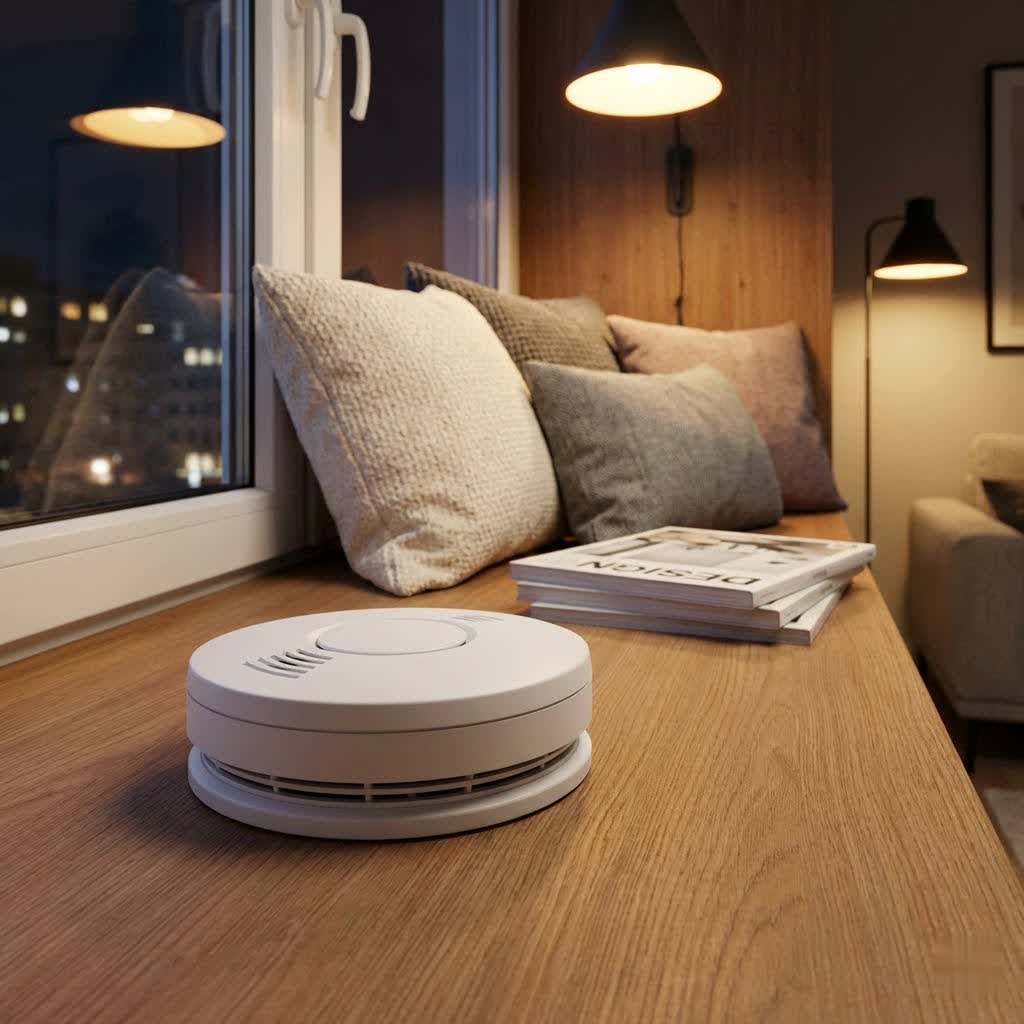
Ensuring the safety of your home is a top priority, and a critical component of that safety net is a reliable smoke and carbon monoxide (CO) detection system. While many options exist, Kidde hardwired smoke and carbon monoxide detectors offer a robust and integrated solution, combining continuous power with advanced detection capabilities. These essential devices are designed to provide uninterrupted protection, alerting your household to invisible dangers and granting invaluable peace of mind. This comprehensive guide will explore everything you need to know about Kidde hardwired combination alarms, from their operational principles and unique advantages to proper installation and ongoing maintenance, helping you secure your home effectively.
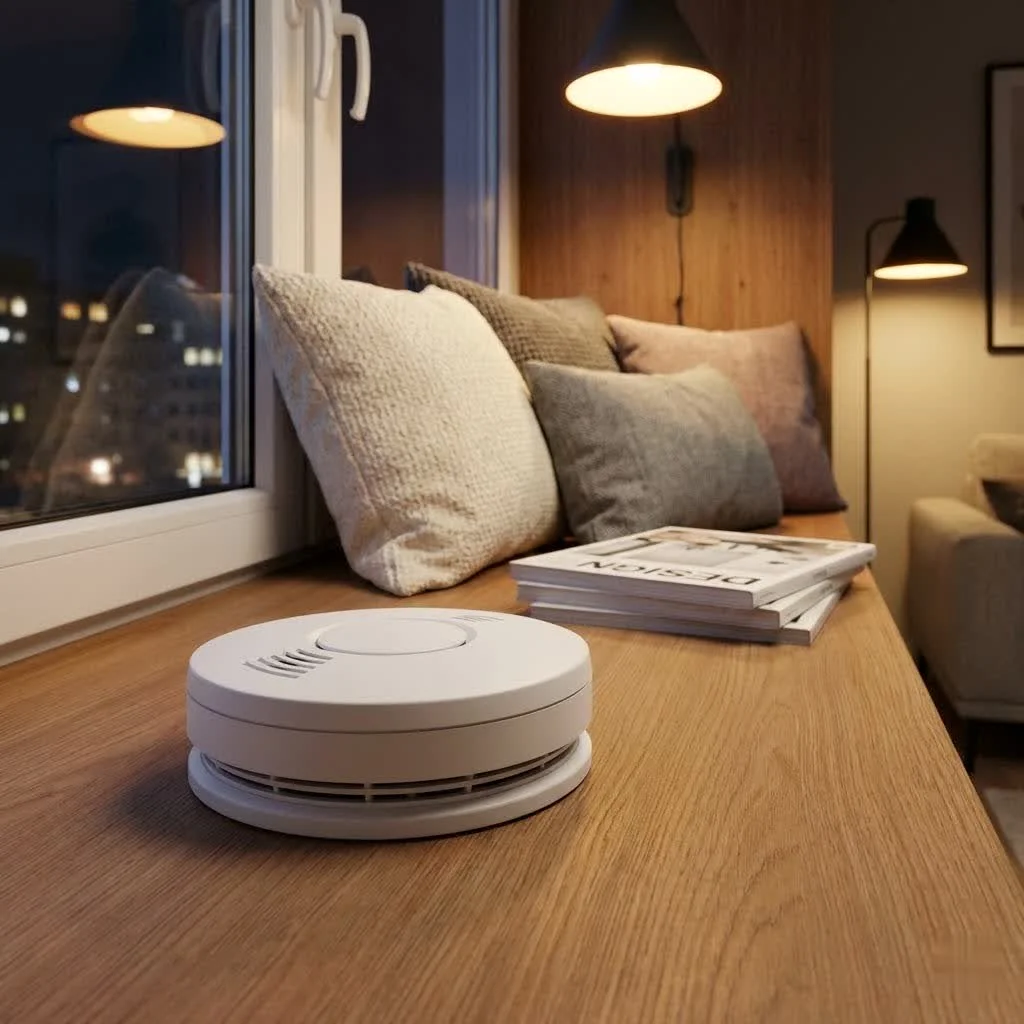
What Are Kidde Hardwired Smoke and Carbon Monoxide Detectors and Why Are They Essential?
A Kidde hardwired smoke and carbon monoxide detector is a single unit designed to detect both fire hazards and the presence of deadly carbon monoxide gas. Unlike battery-only models, “hardwired” means these detectors are directly connected to your home’s electrical system, providing a continuous power supply. Crucially, they also include a battery backup to ensure protection even during power outages. For see our home fire recommendations on this site.
The importance of these dual-sensor devices cannot be overstated. Smoke alarms are vital for detecting fires, which tragically claim lives and cause extensive damage every year. Carbon monoxide, often called the “silent killer,” is an invisible, odorless, and tasteless gas produced by incomplete combustion in fuel-burning appliances. Without a CO detector, its presence can go unnoticed until it’s too late, leading to severe illness or death. By combining both functions, Kidde hardwired units offer comprehensive protection in one discreet device, ensuring early warning against two of the most significant household threats.
Unpacking the Technology: Types of Smoke Detection and CO Sensing
Kidde hardwired combination alarms leverage sophisticated technology to detect both smoke and carbon monoxide effectively. Understanding the underlying sensing mechanisms helps in appreciating their protective capabilities.
Photoelectric Smoke Sensing
Photoelectric smoke sensors operate by directing a light source into a sensing chamber at an angle away from a sensor. When smoke enters the chamber, it scatters the light, directing some of it onto the sensor and triggering the alarm. These detectors are particularly effective at detecting large, visible particles associated with slow, smoldering fires, which often produce a lot of smoke before bursting into flames.
Ionization Smoke Sensing
Ionization smoke detectors contain a small amount of radioactive material that ionizes the air between two electrically charged plates, creating a current. When smoke particles enter the chamber, they disrupt this current, causing the alarm to sound. Ionization alarms are typically more responsive to small, less visible particles produced by fast-flaming fires that generate intense heat with little visible smoke. While some Kidde models may incorporate ionization sensing, many combination units primarily use photoelectric for smoke. Fire safety experts often recommend having both types of smoke detection for comprehensive coverage.
Dual Sensor / Combination Units
|
Our Picks for the Best Smoke Detector in 2026
As an Amazon Associate I earn from qualifying purchases.
|
||
| Num | Product | Action |
|---|---|---|
| 1 | 6 in 1 Plug in Smoke and Carbon Monoxide Detector Combo, Portable Smoke, Gas & CO Detector with Battery Operated, Temp, Humidity - Smoke Alarm Carbon Monoxide Natural Gas Leak Detector for Home, RV |

|
| 2 | First Alert SMI100, Battery-Operated Smoke Alarm, 3-Pack |
|
| 3 | Kidde Hardwired Smoke & Carbon Monoxide Detector, AA Battery Backup Smoke Alarm, Interconnectable, LED Warning Light Indicators, 2 Pack |
|
| 4 | Kidde Smoke Detector, 10-Year Battery Powered, LED Warning Light Indicators |
|
| 5 | First Alert SMI100, Battery-Operated Smoke Alarm, 2-Pack |
|
| 6 | 3 Pack 10 Year Battery Operated Smoke and Carbon Monoxide Detector, Portable Fire Co Alarm for Home and Kitchen (White) |
|
| 7 | Kidde Hardwired Smoke Detector, AA Battery Backup, Interconnectable, LED Warning Light Indicators, 4 Pack |
|
| 8 | Smoke Alarm Fire Detector,Battery Operated Photoelectric Smoke Detector with Test Button and Low Battery Warning, Fire Alarms Smoke Detectors for Home, 6 Pack |
|
| 9 | First Alert SMI100-AC, Hardwire Interconnect Smoke Alarm with Battery Backup, 6-Pack |
|
| 10 | 4-in-1 Gas & Carbon Monoxide Detector, Plug-in & Battery Powered – Multi-Gas Protection, Accurate CO, Temperature & Humidity Monitoring, LCD Display, Adjustable Brightness, Sensitive Alarm |
|
Many Kidde hardwired detectors are combination units, meaning they integrate smoke and carbon monoxide detection into one device. While some might feature dual-sensor smoke detection (both photoelectric and ionization), most commonly they combine photoelectric smoke sensing with an electrochemical sensor for carbon monoxide. This combination offers a more holistic approach to home safety, providing alerts for a wider range of potential hazards.
Carbon Monoxide (CO) Detection
Carbon monoxide detection in Kidde units relies on an electrochemical sensor. This sensor contains electrodes immersed in an electrolyte, reacting with CO gas to produce an electrical current. The alarm is triggered when the concentration of CO reaches dangerous levels over a specific period. These sensors are highly sensitive and specifically designed to detect this insidious gas, which is impossible for humans to sense directly.
The Undeniable Advantages of Kidde Hardwired Combination Alarms
Choosing Kidde hardwired smoke and carbon monoxide detectors offers several significant advantages over standalone or battery-only units, enhancing your home’s safety profile.
Uninterrupted Power and Battery Backup
One of the foremost benefits of hardwired detectors is their consistent power supply. Connected directly to your home’s electrical system, they receive continuous power, eliminating concerns about dead batteries under normal circumstances. Each unit also includes a battery backup—often a 9V or a sealed 10-year lithium battery—that ensures the alarm remains operational during power outages. This dual power source provides exceptional reliability, so your home remains protected even when the lights go out.
Whole-Home Interconnection for Rapid Alerts
Perhaps the most critical advantage is the ability for hardwired Kidde alarms to be interconnected. This means that if one detector in your home senses smoke or CO, all interconnected alarms throughout the house will sound simultaneously. This feature is invaluable, especially in larger or multi-story homes, or in situations where occupants might be sleeping or in a remote part of the house. Rapid, whole-home notification significantly reduces response time, increasing the chances of a safe evacuation for everyone.
Reduced Maintenance and Extended Lifespan
While the battery backup still requires occasional testing, hardwired detectors generally demand less frequent battery changes compared to purely battery-operated models, especially if they feature a sealed 10-year battery. Most Kidde hardwired units are designed to last for a decade, simplifying maintenance and offering long-term reliability. This extended lifespan also means fewer nuisance chirps caused by low batteries in individual units, which often lead to alarms being disabled.
Compliance with Modern Building Codes
In many regions, current building codes and regulations require hardwired smoke and carbon monoxide detectors in new constructions and during significant renovations. Installing Kidde hardwired units ensures your home meets these essential safety standards, which are put in place to protect lives. This compliance can also be an important factor during home inspections or when selling your property.
Smart Features and Voice Alerts (Select Models)
Many modern Kidde hardwired combination alarms offer advanced features for enhanced user experience and safety. These can include voice alerts that clearly announce the type of danger (e.g., “Fire!”, “Warning! Carbon Monoxide!”), providing immediate clarity during an emergency. Some higher-end models may even offer smart home connectivity, allowing for remote notifications via a smartphone app, self-testing diagnostics, and compatibility with virtual assistants like Alexa or Google Assistant. These smart capabilities add an extra layer of convenience and control to your home safety system.
Detailed Comparison: Kidde Hardwired vs. Battery-Only Detectors
When choosing a smoke and carbon monoxide detector, understanding the differences between hardwired and battery-only models is crucial.
| Feature | Kidde Hardwired Smoke and CO Detector | Battery-Only Smoke and CO Detector |
|---|---|---|
| Power Source | Primary: Home’s electrical system; Backup: Battery | Primary: Batteries (e.g., AA, 9V, or sealed 10-year lithium) |
| Interconnection | Yes, wired interconnection for whole-home alarm | Typically no, unless it’s a specific wireless interconnected system |
| Battery Changes | Less frequent (backup only); 10-year sealed battery models available | Frequent (annually for standard batteries); 10-year sealed models exist |
| Installation | Requires electrical wiring, often professional installation recommended | Simple, DIY installation (screws into wall/ceiling) |
| Reliability | Very high, continuous power, battery backup | Dependent on battery life and regular changes |
| Cost | Higher upfront cost (unit + potential installation labor) | Lower upfront cost (unit only) |
| Lifespan | Typically 10 years for the unit | Typically 5-10 years for the unit |
| Code Compliance | Often required by building codes in many areas | Less likely to meet code for new construction/renovations |
Choosing the Right Kidde Hardwired Detector: A Buyer’s Guide
Selecting the appropriate Kidde hardwired smoke and carbon monoxide detector involves considering your home’s specific needs and the features that best suit your lifestyle.
Assess Your Home’s Needs
Start by evaluating your home. Consider its size, the number of levels, and potential risk areas such as bedrooms, living spaces, basements, and areas near fuel-burning appliances (furnaces, water heaters, fireplaces). Local building codes will often dictate the minimum number and placement of detectors required.
Key Features to Look For
- Smoke Sensing Technology: Most Kidde combination units use photoelectric sensors for smoke. While suitable for many fires, consider if you want to complement them with ionization detectors for a broader range of fire detection.
- 10-Year Sealed Battery: Many modern Kidde models come with a sealed 10-year lithium battery backup. This eliminates the need for annual battery changes, offering convenience and consistent power for the life of the alarm.
- Smart Capabilities: If you desire remote monitoring and control, look for models with Wi-Fi connectivity that offer smartphone app alerts, diagnostic reports, and compatibility with smart home ecosystems.
- Voice Alerts: Clear voice warnings that specify the danger (“Fire!”, “Warning! Carbon Monoxide!”) can be incredibly helpful in an emergency, reducing confusion and speeding up response.
- Test/Hush Button: An easily accessible button to test the alarm’s functionality and silence nuisance alarms is a practical feature.
Understanding Certifications
Always ensure your chosen detector carries proper certifications. Look for:
- UL 217 (Standard for Smoke Alarms): Certifies that the smoke alarm meets safety requirements.
- UL 2034 (Standard for Single and Multiple Station Carbon Monoxide Alarms): Certifies that the CO alarm meets safety requirements.
- NFPA 72 (National Fire Alarm and Signaling Code): Provides guidelines for the application, installation, location, performance, inspection, testing, and maintenance of fire alarm systems.
- NFPA 101 (Life Safety Code): Outlines minimum requirements for life safety in buildings, often referencing NFPA 72 for detector specifics.
These certifications indicate that the product has been rigorously tested and meets stringent safety and performance standards.
Optimal Placement for Maximum Protection
Proper placement of your Kidde hardwired smoke and carbon monoxide detectors is critical for their effectiveness. Incorrect placement can lead to delayed alerts or frequent false alarms.
General Guidelines
Smoke and CO tend to rise, so detectors should generally be mounted on the ceiling or high on a wall. When mounting on the ceiling, position the detector at least 4 inches (10 cm) from any wall. If mounting on a wall, place it between 4 and 12 inches (10-30 cm) from the ceiling. Avoid placing detectors in corners, as air currents can prevent smoke or CO from reaching the sensor efficiently.
Specific Room Recommendations
- Bedrooms: Install a detector inside each bedroom to ensure occupants are alerted quickly, even if doors are closed.
- Outside Sleeping Areas: Place a detector in the hallway or area immediately outside bedrooms on every level of your home.
- Every Level: A detector should be installed on every level of your home, including finished basements. For levels without bedrooms, place it in the living room or near the stairway leading to the upper level.
- Near Fuel-Burning Appliances: For CO detection, place alarms within 15 feet (4.5 meters) of any fuel-burning appliance, such as a furnace, water heater, or fireplace.
Areas to Avoid
- Kitchens: To prevent false alarms from cooking fumes, keep smoke detectors at least 10 feet (3 meters) away from cooking appliances.
- Bathrooms: Humidity and steam can trigger false alarms in bathrooms, so avoid placing detectors too close to showers or tubs (at least 3 feet from bathroom doors).
- Near Vents or Windows: Strong drafts from windows, doors, or heating/cooling vents can interfere with the detector’s ability to sense smoke or CO accurately.
- Attics or Garages (for CO): Unless there’s a sleeping area, CO alarms are typically not recommended for unconditioned spaces like attics or garages, where temperature and humidity fluctuations can affect their performance.
Installation and Maintenance: Ensuring Your Kidde Detector Works
Even the best detector is only effective if properly installed and maintained. Here’s what you need to know for your Kidde hardwired unit.
Step-by-Step Installation (General)
While professional installation is often recommended for hardwired units, especially if you’re uncomfortable with electrical work, here’s a general overview:
- Safety First: ALWAYS turn off the power to the circuit you will be working on at your electrical panel before beginning. Verify the power is off with a voltage tester.
- Mounting Bracket: Kidde detectors come with a mounting bracket. Secure this bracket to the electrical box in your ceiling or wall using the provided screws. Ensure the “A” line on the bracket aligns parallel to your hallway or wall for aesthetic placement.
- Wiring Connections: Connect the detector’s wire harness to your home’s electrical wiring. Typically, this involves matching colored wires: black (hot), white (neutral), and red (interconnect). The red wire allows multiple alarms to communicate. Use wire nuts to secure connections. Refer to your specific Kidde model’s manual for precise wiring diagrams.
- Connect Harness to Alarm: Plug the wire harness firmly into the back of the detector until it clicks into place.
- Secure the Alarm: Gently push any excess wires back into the electrical box, then align the detector with the mounting bracket and twist it clockwise until it locks securely into place.
- Install Batteries & Test: If your unit doesn’t have a sealed 10-year battery, install the backup batteries as per the manual. Restore power at the circuit breaker and then press the “Test” button on the alarm. It should emit a loud siren and, if applicable, a voice warning.
Regular Maintenance Checks
- Monthly Testing: Press the “Test” button on each detector once a month to ensure the alarm sounds.
- Annual Battery Replacement: If your unit does not have a sealed 10-year battery, replace the backup batteries annually, even if they seem to be working.
- Cleaning: Dust and debris can interfere with sensor performance. Gently vacuum or wipe the exterior of your detectors with a soft cloth at least once a year. Do not use cleaning solvents or spray directly on the unit.
- Check Expiration Dates: All detectors have a lifespan. Note the “replace by” date (usually on the back or side) and replace the unit before it expires.
When to Replace
Regardless of whether it appears to be working, a smoke and carbon monoxide detector should be replaced after 10 years from its manufacture date. CO sensors often have a shorter lifespan, typically 5-7 years, so always defer to the manufacturer’s specific recommendations for your model. An alarm may chirp or give a voice warning when it reaches its end-of-life, indicating it’s time for replacement.
Troubleshooting Common Issues
- Chirping: A single chirp every 30-60 seconds usually indicates a low battery (for removable batteries) or that the unit has reached its end-of-life (for 10-year sealed models). Replace batteries or the entire unit.
- False Alarms: Occasional false alarms can be triggered by steam from showers, cooking fumes, or excessive dust. Ensure proper placement and regular cleaning. If false alarms persist, check for potential issues with wiring or the unit itself.
- No Power: If the alarm is hardwired but not receiving power, check the circuit breaker. If the circuit is on, there might be a wiring issue requiring a qualified electrician.
Safety Standards and Certifications for Kidde Detectors
The reliability of your Kidde hardwired smoke and carbon monoxide detector is underpinned by rigorous safety standards and certifications. These benchmarks ensure that the devices perform as expected when it matters most.
Underwriters Laboratories (UL) Certifications:
- UL 217 (Smoke Alarms): This standard covers the basic safety and performance requirements for smoke alarms.
- UL 2034 (Carbon Monoxide Alarms): This standard outlines the safety and performance requirements specifically for carbon monoxide alarms.
National Fire Protection Association (NFPA) Codes:
- NFPA 72 (National Fire Alarm and Signaling Code): This comprehensive code provides installation, inspection, testing, and maintenance requirements for fire alarm systems and emergency communications systems, including smoke and CO detectors.
- NFPA 101 (Life Safety Code): This code establishes minimum criteria for building design, construction, operation, and maintenance to protect building occupants from fire and related hazards. It often references NFPA 72 for detector specifics.
Adherence to these standards by Kidde ensures that their products are built to detect hazards accurately and reliably, providing critical warnings to protect your family and home. Always look for the UL listing and ensure your detectors comply with local fire safety codes, which often align with NFPA guidelines.
Conclusion
Investing in Kidde hardwired smoke and carbon monoxide detectors is a foundational step in creating a truly safe home environment. Their continuous power supply with battery backup, whole-home interconnection capability, and advanced sensing technologies provide a reliable and comprehensive solution for detecting both fire and the insidious threat of carbon monoxide. By understanding their benefits, ensuring optimal placement, and following proper installation and maintenance guidelines, you empower your home with uninterrupted vigilance. Prioritize these vital devices to safeguard your loved ones and property, offering the ultimate peace of mind. Are you ready to upgrade your home’s safety with a Kidde hardwired solution?
Frequently Asked Questions
How often should I test my Kidde hardwired smoke and CO detector?
You should test your Kidde hardwired smoke and carbon monoxide detector at least once a month. Simply press and hold the “Test” button on the unit until the alarm sounds, then release. This quick check ensures the alarm’s electronics and horn are functioning correctly.
Do Kidde hardwired detectors require batteries?
Yes, Kidde hardwired detectors do require batteries. They primarily draw power from your home’s electrical system, but backup batteries (either replaceable 9V or sealed 10-year lithium) are essential to ensure the detector remains operational during power outages, providing continuous protection.
What does the red wire on a hardwired Kidde detector do?
The red wire on a hardwired Kidde detector is the interconnect wire. It allows multiple compatible Kidde alarms to communicate with each other. If one interconnected alarm detects smoke or CO, all other alarms in the system will sound, providing a whole-home alert.
How long do Kidde hardwired smoke and CO detectors last?
Most Kidde hardwired smoke and carbon monoxide detectors are designed to last for 10 years from their date of manufacture. However, the carbon monoxide sensor often has a specific lifespan, sometimes 5-7 years. Always check the “replace by” date printed on the unit and replace the entire detector accordingly.
Can I install a Kidde hardwired detector myself?
While some experienced DIYers might be able to install a Kidde hardwired detector, it involves working with your home’s electrical wiring. For safety and to ensure proper installation and code compliance, it is generally recommended to have a qualified electrician install hardwired smoke and CO detectors.
Get our weekly buyer guide
Practical specs, not advice. Unsubscribe anytime.

We just upgraded all our old detectors to the Kidde hardwired combination alarms after reading about them. The installation was pretty straightforward for my husband, and it’s such a relief knowing we have continuous power and don’t have to worry about batteries dying at the worst possible time. The peace of mind is truly invaluable, especially with little ones in the house. Highly recommend these for anyone looking to secure their home effectively.
I bought a few of these Kidde hardwired smoke and CO detectors to replace some really old ones. They seem to work fine and the concept of continuous power is definitely a selling point. However, one of the units had a slightly finicky wiring connection that took a few tries to get right. It’s installed now and seems okay, but that part was a bit frustrating during installation.
These Kidde hardwired units are fantastic. I particularly like that they combine both smoke and carbon monoxide detection in one device, which simplifies things and reduces clutter on the ceiling. Knowing they’re hardwired means no more late-night chirps from dying batteries, which was a constant annoyance with my old system. It’s a robust solution for any homeowner serious about safety.
I’ve been looking into better home safety options, and the Kidde hardwired detectors seemed like the best choice for integrated protection. The advanced detection capabilities are a big plus, and I appreciate not having to constantly check individual battery-powered units. My only minor complaint is that the initial setup for linking them all took a bit longer than I expected, but once they’re up, they work great.