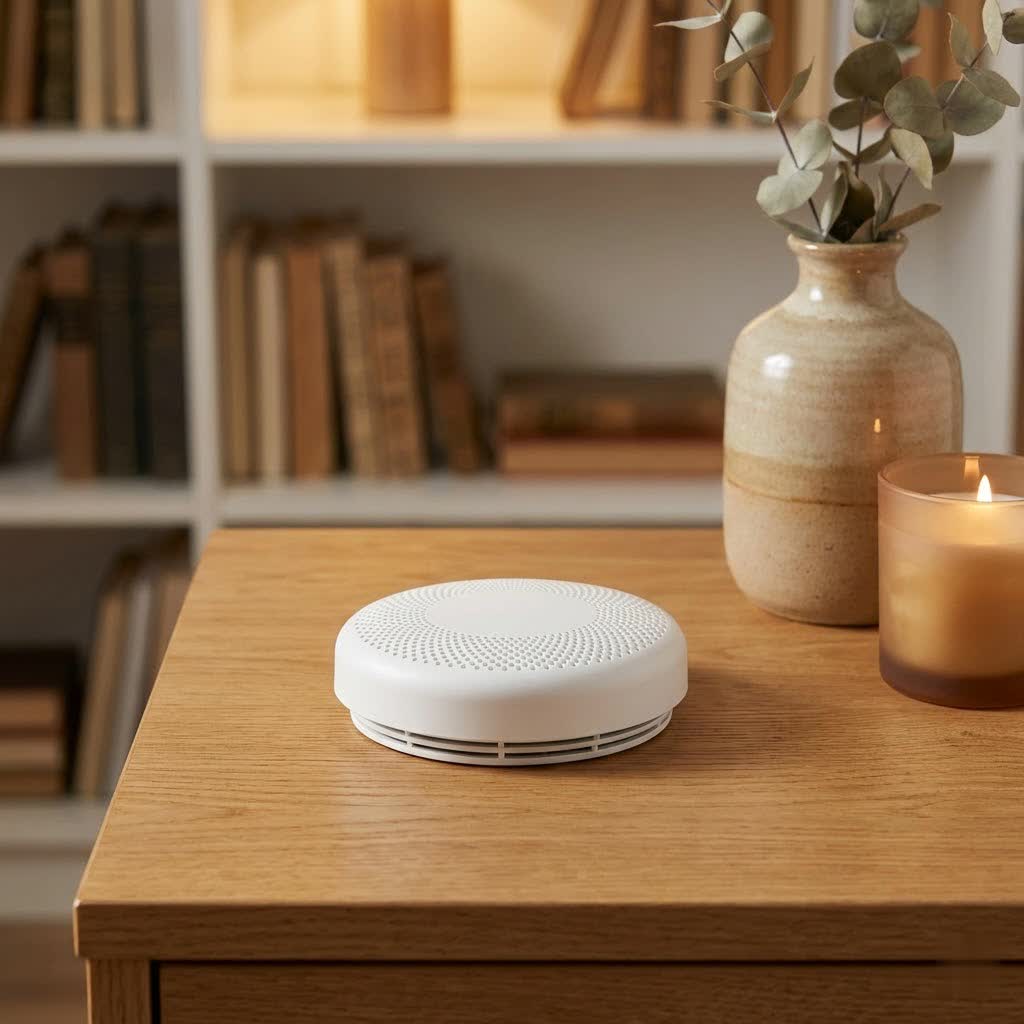
There are few sounds as startling as a blaring smoke detector. Designed to save lives, these essential devices can become a source of frustration when they trigger false alarms, beeping unexpectedly in the middle of the night or during a quiet dinner. While annoying, it’s crucial never to ignore these warnings entirely. Understanding why your smoke detector might be crying wolf is the first step toward maintaining peace of mind and ensuring genuine safety. This comprehensive guide will explore the common culprits behind nuisance alarms and equip you with practical solutions to prevent them, ensuring your home remains protected without unnecessary disruptions.
What is a Smoke Detector? Why is it Essential?
A smoke detector is a vital safety device designed to sense the presence of smoke, a key indicator of fire, and alert occupants with an audible alarm. These small but powerful gadgets provide crucial early warning, allowing precious time for evacuation and potentially mitigating property damage. Despite the occasional false alarm, their role in fire safety cannot be overstated. They are the frontline defense against unseen dangers, offering a layer of protection that no home should be without.
Classifying Smoke Detectors: Understanding Their Sensitivity to False Alarms
Smoke detectors primarily come in two types, each with a different sensing mechanism that affects its sensitivity to various non-fire sources.
Photoelectric Smoke Detectors
Photoelectric smoke detectors operate using a light beam and a sensor within a chamber. When smoke particles enter the chamber, they scatter the light, triggering the alarm.
- Advantages: These detectors are generally more effective at detecting slow, smoldering fires (like those involving upholstered furniture or electrical wiring). Critically, they are less prone to false alarms from common household activities such as cooking fumes or steam from showers.
- Disadvantages: While excellent for smoldering fires, they might react slightly slower to fast-flaming fires compared to ionization types.
Ionization Smoke Detectors
Ionization smoke detectors contain a small amount of radioactive material that ionizes the air between two electrically charged plates. When smoke particles enter this chamber, they disrupt the flow of ions, causing the alarm to sound.
- Advantages: These detectors are typically faster at detecting fast-flaming fires (like those involving paper or grease).
- Disadvantages: A significant drawback is their higher susceptibility to false alarms from cooking smoke, steam, and even high humidity, often making them less suitable for placement near kitchens or bathrooms. They also contain a minimal amount of radioactive material, though it’s considered safe for household use.
Dual Sensor Smoke Detectors
|
Our Picks for the Best Smoke Detector in 2026
As an Amazon Associate I earn from qualifying purchases.
|
||
| Num | Product | Action |
|---|---|---|
| 1 | 4-in-1 Gas & Carbon Monoxide Detector, Plug-in & Battery Powered – Multi-Gas Protection, Accurate CO, Temperature & Humidity Monitoring, LCD Display, Adjustable Brightness, Sensitive Alarm |

|
| 2 | Kidde Smoke Detector, 10-Year Battery Powered, LED Warning Light Indicators |
|
| 3 | First Alert SMI100, Battery-Operated Smoke Alarm, 3-Pack |
|
| 4 | Smoke Alarm Fire Detector,Battery Operated Photoelectric Smoke Detector with Test Button and Low Battery Warning, Fire Alarms Smoke Detectors for Home, 6 Pack |
|
| 5 | 6 in 1 Plug in Smoke and Carbon Monoxide Detector Combo, Portable Smoke, Gas & CO Detector with Battery Operated, Temp, Humidity - Smoke Alarm Carbon Monoxide Natural Gas Leak Detector for Home, RV |
|
| 6 | Kidde Hardwired Smoke Detector, AA Battery Backup, Interconnectable, LED Warning Light Indicators, 4 Pack |
|
| 7 | Kidde Hardwired Smoke & Carbon Monoxide Detector, AA Battery Backup Smoke Alarm, Interconnectable, LED Warning Light Indicators, 2 Pack |
|
| 8 | First Alert SMI100-AC, Hardwire Interconnect Smoke Alarm with Battery Backup, 6-Pack |
|
| 9 | 3 Pack 10 Year Battery Operated Smoke and Carbon Monoxide Detector, Portable Fire Co Alarm for Home and Kitchen (White) |
|
| 10 | First Alert SMI100, Battery-Operated Smoke Alarm, 2-Pack |
|
Dual sensor detectors combine both photoelectric and ionization technologies within a single unit.
- Advantages: By integrating both sensing methods, they offer a more comprehensive detection capability for a wider range of fire types. This combination aims to leverage the strengths of each technology while theoretically mitigating some of their individual weaknesses.
- Disadvantages: While they offer broad protection, they can sometimes be more expensive. They are still susceptible to false alarms from the inherent sensitivities of each sensor type if not properly maintained or placed.
Detailed Comparison Table: Smoke Detector Types and False Alarm Propensity
| Feature | Photoelectric Detector | Ionization Detector | Dual Sensor Detector |
|---|---|---|---|
| Detection Method | Light beam scattering | Ionization chamber disruption | Combination of both |
| Best for Detecting | Slow, smoldering fires | Fast-flaming fires | Both smoldering and flaming fires |
| False Alarm Sensitivity (Cooking/Steam) | Low (less sensitive) | High (more sensitive) | Moderate (depends on specific sensor calibration) |
| Common Placement | Hallways, bedrooms, living areas | Often less ideal for kitchens/bathrooms due to sensitivity | Throughout the home for comprehensive coverage |
| Typical Cost | Moderate | Generally lower | Higher |
| Environmental Concerns | None | Contains tiny amount of radioactive material | Minimal (due to ionization component) |
Common Causes of Smoke Detector False Alarms
Understanding the root causes of false alarms is critical for prevention. Many nuisance alerts stem from common household occurrences or environmental factors that mimic the presence of smoke.
Environmental Factors
- Dust, Dirt, and Insects: Over time, dust, cobwebs, and small insects can accumulate inside the detector’s sensing chamber. These particles can interfere with the light beam (photoelectric) or disrupt the ionization current (ionization), causing the alarm to trigger. “Dust buildup is arguably the most common culprit behind those irritating late-night false alarms,” says a veteran fire safety technician.
- High Humidity or Rapid Temperature Changes: Dense water vapor from steamy showers, humidifiers, or even boiling water can be mistaken for smoke particles by ionization detectors. Rapid fluctuations in temperature, such as opening a hot oven door, can also confuse sensors.
- Renovation Dust: Activities like sanding drywall or cutting wood during renovations create a significant amount of airborne dust, which can easily set off detectors.
Installation Issues
- Poor Placement: Installing a smoke detector too close to a kitchen, bathroom, laundry room, or furnace can expose it to steam, cooking fumes, or combustion particles that frequently lead to false alarms. Air currents from HVAC vents, windows, or ceiling fans can also draw these particles into the sensor.
- Direct Sunlight: Direct sunlight can sometimes cause rapid temperature changes within the detector, potentially leading to false alarms.
Everyday Activities
- Cooking Fumes/Burnt Food: Frying, grilling, toasting, or even heavily boiling water can produce particles that ionization smoke detectors interpret as smoke. A bit of burnt toast is a frequent trigger.
- Fireplaces: A poorly maintained chimney or improperly set dampers can allow smoke from a fireplace to enter the living space, activating nearby detectors.
- Candles and Incense: Smoke from candles, incense, or even vapor from essential oil diffusers can sometimes trigger sensitive detectors.
Device Malfunctions
- Low Battery or Loose Battery Contacts: A common, though often less alarming, false alarm is the characteristic “chirp” indicating a low battery. However, a battery that is loose or intermittently losing connection can also cause full alarms.
- Device Age and Wear: Smoke detectors have a lifespan of typically 8-10 years. Beyond this, their internal components can degrade, leading to increased sensitivity, reduced reliability, and more frequent false alarms.
- Faulty Wiring: In hardwired systems, faulty wiring or power surges can sometimes cause the alarm to trip.
How to Stop and Prevent Smoke Detector False Alarms
Addressing false alarms is a combination of regular maintenance, strategic placement, and understanding your device.
Regular Maintenance
- Clean Regularly: At least once a month, gently clean the exterior of your smoke detector using a vacuum cleaner with a soft brush attachment or a can of compressed air. This removes dust, dirt, and insects from the sensing chamber. Never use water, cleaners, or solvents, as they can damage the internal components.
- Change Batteries Annually: For battery-powered units, replace batteries at least once a year, or immediately when you hear the low-battery chirp. For hardwired units with battery backup, change the backup battery annually. Ensure batteries are properly seated.
- Test Monthly: Press the “test” button on each detector monthly to ensure it’s functioning correctly. This doesn’t prevent false alarms, but confirms the unit is operational when needed.
- Replace Old Units: If your smoke detector is older than 8-10 years (check the manufacture date on the back), it’s time for a replacement. Older units are more prone to malfunctions and false alarms.
Optimizing Placement
- Maintain Distance from Kitchens: Place smoke detectors at least 10-20 feet away from cooking appliances. If this isn’t possible in smaller homes, opt for a photoelectric detector in that area and ensure good ventilation.
- Avoid Humid Areas: Keep detectors at least 10 feet away from steamy bathrooms, laundry rooms, and humidifiers.
- Steer Clear of Vents and Drafts: Do not install detectors near air conditioning or heating vents, windows, or ceiling fans, as air currents can pull non-smoke particles into the chamber.
- Avoid Dusty Environments: Do not install detectors in garages, furnace rooms, or unfinished attics where dust and debris are common.
Ventilation Strategies
- Use Exhaust Fans: Always use kitchen exhaust fans while cooking and bathroom exhaust fans during and after showers to reduce steam and cooking fumes.
- Open Windows: Briefly opening a window after cooking or showering can help dissipate airborne particles and humidity.
Addressing Device Issues
- Check Interconnected Alarms: If you have interconnected alarms, a fault in one unit can trigger all others. If you suspect an issue, test each alarm individually to identify the problematic unit.
- Use the Hush/Silence Button: Most modern detectors have a “hush” or “silence” button that temporarily silences the alarm for a few minutes. Use this feature for nuisance alarms instead of removing the battery, which compromises safety.
- Consider Upgrading: If false alarms are a persistent issue, especially from cooking, consider upgrading to photoelectric smoke detectors for areas near the kitchen. Smart smoke alarms with app control can also allow you to monitor and silence false alerts remotely, providing greater control.
Optimal Placement of Smoke Detectors to Minimize False Alarms
Strategic placement is crucial for minimizing false alarms while maximizing genuine fire detection. The goal is to place detectors where they can best detect actual smoke without being unduly influenced by everyday activities.
General Principles:
- Install smoke detectors on every level of your home, including the basement.
- Place one inside every sleeping area and in the hallway immediately outside each sleeping area.
- Mount detectors on the ceiling or high on a wall (at least 4-6 inches from the ceiling).
Specific Placement to Avoid False Alarms:
- Away from Cooking Appliances: Keep detectors at least 10 feet (3 meters) from stoves, ovens, and dishwashers. For kitchens, consider a photoelectric alarm or even a heat alarm, which responds to temperature rather than smoke particles, reducing nuisance alarms.
- Away from Bathrooms: Ensure detectors are at least 10 feet (3 meters) from bathrooms with showers or tubs to avoid steam triggers.
- Away from Vents and Windows: Avoid placement near heating and air conditioning vents, windows, or ceiling fans, as air currents can dilute smoke or introduce false alarm triggers.
- Avoid Dusty or Greasy Areas: Do not install detectors in garages, workshops, laundry rooms, or furnace rooms, which are prone to excessive dust, exhaust fumes, or grease.
- Avoid Direct Sunlight: Keep detectors out of direct sunlight to prevent temperature fluctuations.
Installation and Maintenance of Smoke Detectors
Proper installation and diligent maintenance are key to the longevity and reliability of your smoke detectors, significantly reducing the likelihood of false alarms.
Installation:
- Read the Manual: Always follow the manufacturer’s specific instructions for installation, as models can vary.
- Choose the Right Location: Refer to the “Optimal Placement” section above to select the best spot.
- Mount Securely: Use the provided mounting bracket and screws to securely attach the detector to the ceiling or wall.
- Insert Batteries: For battery-powered units, insert fresh batteries, ensuring proper polarity. For hardwired units, connect the wiring and insert the backup battery.
- Test the Device: Press the test button to confirm the alarm sounds.
Maintenance to Prevent False Alarms:
- Monthly Cleaning: As detailed previously, use a vacuum or compressed air to clear dust and debris. This simple act can drastically reduce nuisance alarms caused by environmental buildup.
- Annual Battery Replacement: Replace all smoke detector batteries once a year. A good reminder is to do it when you change your clocks for daylight saving time.
- Regular Testing: Test your smoke detectors monthly by pressing the test button. If an alarm doesn’t sound, troubleshoot the battery or replace the unit.
- Age Check: Be mindful of your detector’s age. Most units have an expiration date, typically 8-10 years from the date of manufacture. Replace units nearing or past this date.
Handling a False Alarm:
When a false alarm occurs:
- Investigate Safely: Quickly check for any actual signs of fire. If there’s no visible smoke or fire, proceed to silence the alarm.
- Silence: Use the “hush” or “silence” button. If your unit doesn’t have one, ventilate the area.
- Do NOT Disable: Never remove the battery or permanently disable a smoke detector in frustration. This leaves your home unprotected. Identify and address the cause of the false alarm instead.
Safety Standards and Certifications for Smoke Detectors
When choosing a smoke detector, look for certifications from recognized safety organizations. These certifications signify that the device has undergone rigorous testing and meets specific performance and safety standards, which indirectly contributes to reducing malfunctions and false alarms.
- Underwriters Laboratories (UL): In North America, the UL mark (e.g., UL 217 for smoke alarms) is a common certification indicating that the product has been tested to nationally recognized safety standards.
- European Standard (EN): In Europe, the EN 14604 standard specifies requirements for smoke alarms.
These certifications assure consumers that the device is reliable and less likely to suffer from manufacturing defects that could lead to false alarms or, more critically, failure to detect real fires. Investing in certified detectors is an investment in consistent performance and peace of mind.
Conclusion
Smoke detector false alarms, though frustrating, are often a solvable problem rooted in environmental factors, placement, or maintenance issues rather than a faulty device. By understanding the common causes—from dust accumulation and cooking fumes to high humidity and aging sensors—homeowners can take proactive steps to prevent these nuisance alerts. Regular cleaning, strategic placement away from common triggers, and timely battery replacement are simple yet effective measures. Remember, the slight inconvenience of a false alarm pales in comparison to the critical role these devices play in safeguarding your life and property. Take control of your home’s safety by ensuring your smoke detectors are both effective and annoyance-free.
What’s the one change you can make today to improve your smoke detector’s reliability?
Frequently Asked Questions
Why does my smoke detector go off when I cook?
Smoke detectors often trigger during cooking due to cooking fumes, steam, or burnt food particles being mistaken for actual smoke, especially with ionization type detectors. Ensure good ventilation, keep detectors at least 10 feet from cooking areas, and consider a photoelectric detector for kitchen proximity.
How often should I clean my smoke detector?
You should clean your smoke detector at least once a month. Use a vacuum with a soft brush attachment or compressed air to remove dust, dirt, and insects from the sensing chamber, which are common causes of false alarms.
How long do smoke detectors last?
Most smoke detectors have a lifespan of 8 to 10 years. After this period, their components can degrade, leading to decreased reliability and an increased likelihood of false alarms or failure to detect a real fire. Always check the manufacturing date on the back of your unit.
What’s the best type of smoke detector to avoid false alarms?
For areas prone to cooking fumes or steam, such as near kitchens, photoelectric smoke detectors are generally recommended as they are less sensitive to these non-fire particles. Dual sensor detectors offer broad protection, while smart alarms provide enhanced control and remote silencing capabilities for nuisance alerts.
Get our weekly buyer guide
Practical specs, not advice. Unsubscribe anytime.
