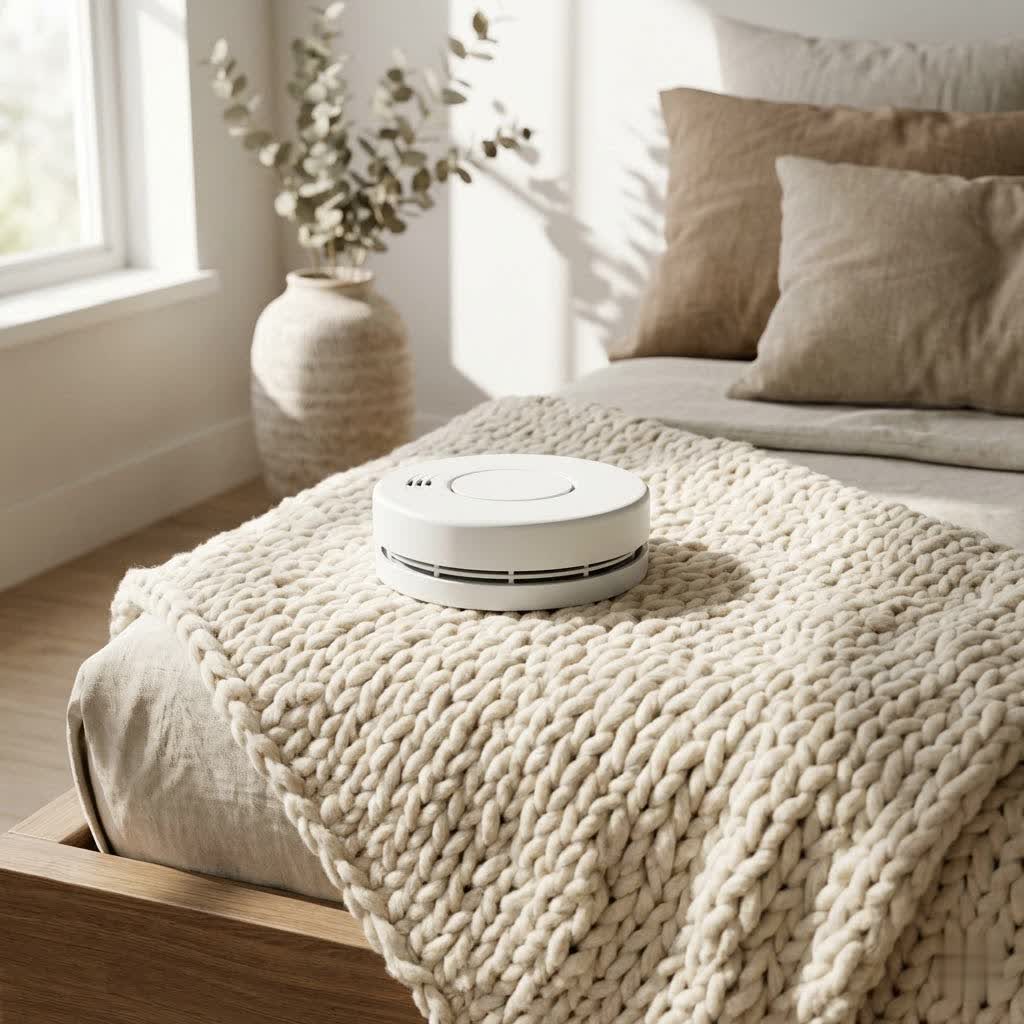
In an increasingly connected world, privacy and security are paramount concerns for homeowners and individuals alike. While traditional smoke detectors stand as vigilant guardians against fire hazards, a growing trend involves devices disguised as these essential safety tools: smoke detector spy cameras. These discreet gadgets offer covert surveillance, blending seamlessly into everyday environments, yet they introduce a complex web of ethical dilemmas and legal ramifications. Understanding what these devices are, how they function, and the critical issues surrounding their use and detection is vital for anyone navigating the modern landscape of home security and personal privacy.
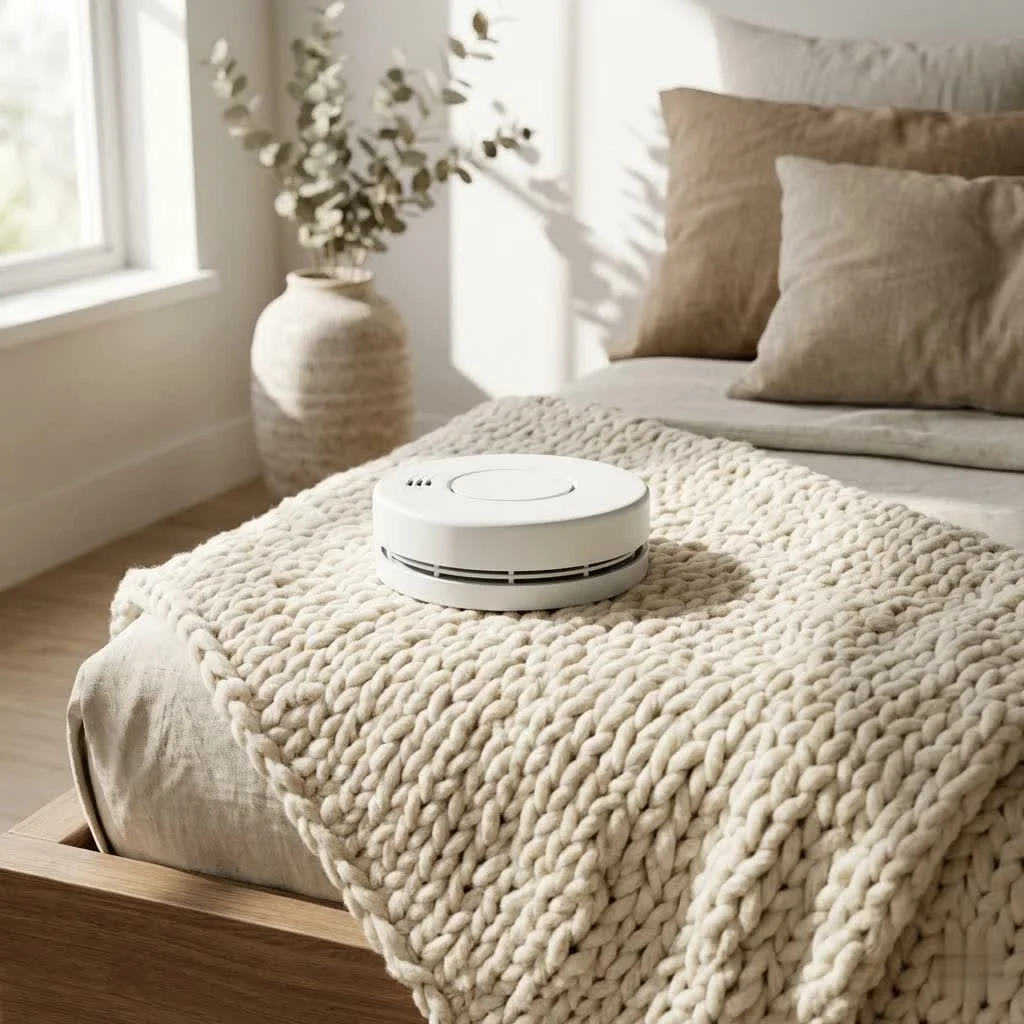
What Are Smoke Detector Spy Cameras? Why the Disguise?
Smoke detector spy cameras are surveillance devices ingeniously integrated into housings designed to mimic standard smoke detectors. Their primary purpose is covert monitoring, allowing individuals to record video and sometimes audio without drawing attention. The strategic placement of smoke detectors—typically on ceilings in central locations—makes them an ideal disguise for hidden cameras, offering a wide, unobstructed view of a room. For shop curated home fire on this site.
However, a crucial distinction must be made: many devices marketed as “smoke detector spy cameras” are not functional smoke detectors. They are often hollow shells designed solely to house a camera, meaning they offer no protection against actual fires. This lack of essential safety functionality is a significant concern, turning a supposed safety device into a potential hazard by providing a false sense of security. Technological limitations mean that integrating a fully functional smoke detection system with a high-quality camera within the compact form factor, while maintaining clear pathways for smoke and adequate power, is impractical for most commercially available spy devices.
Understanding Smoke Detector Spy Cameras: Key Features and How They Work
These hidden cameras leverage miniature technology to provide robust surveillance capabilities. Their operation centers around discreet monitoring, often enhanced with advanced features.
Camera Specifications
Most smoke detector spy cameras offer high-definition video recording, typically ranging from 1080p to 2K resolution, ensuring clear and detailed footage. They are often equipped with wide-angle lenses, providing a broad field of view (e.g., 90 to 120 degrees) to capture as much of a room as possible. Many models also include night vision capabilities, utilizing infrared (IR) illuminators that are invisible to the naked eye, allowing for surveillance in low-light or complete darkness.
Connectivity and Remote Access
A cornerstone of modern spy cameras is their connectivity. Many smoke detector cameras are Wi-Fi enabled, allowing for real-time video streaming directly to a smartphone or other connected device from anywhere in the world. This remote access is facilitated through dedicated smartphone applications, which provide live feeds, recording controls, and motion alerts. These devices typically operate on 2.4Ghz Wi-Fi networks.
Recording and Storage
|
Our Picks for the Best Smoke Detector in 2026
As an Amazon Associate I earn from qualifying purchases.
|
||
| Num | Product | Action |
|---|---|---|
| 1 | First Alert SMI100, Battery-Operated Smoke Alarm, 2-Pack |

|
| 2 | First Alert SMI100, Battery-Operated Smoke Alarm, 3-Pack |
|
| 3 | 3 Pack 10 Year Battery Operated Smoke and Carbon Monoxide Detector, Portable Fire Co Alarm for Home and Kitchen (White) |
|
| 4 | Kidde Hardwired Smoke & Carbon Monoxide Detector, AA Battery Backup Smoke Alarm, Interconnectable, LED Warning Light Indicators, 2 Pack |
|
| 5 | Smoke Alarm Fire Detector,Battery Operated Photoelectric Smoke Detector with Test Button and Low Battery Warning, Fire Alarms Smoke Detectors for Home, 6 Pack |
|
| 6 | First Alert SMI100-AC, Hardwire Interconnect Smoke Alarm with Battery Backup, 6-Pack |
|
| 7 | Kidde Smoke Detector, 10-Year Battery Powered, LED Warning Light Indicators |
|
| 8 | 4-in-1 Gas & Carbon Monoxide Detector, Plug-in & Battery Powered – Multi-Gas Protection, Accurate CO, Temperature & Humidity Monitoring, LCD Display, Adjustable Brightness, Sensitive Alarm |
|
| 9 | Kidde Hardwired Smoke Detector, AA Battery Backup, Interconnectable, LED Warning Light Indicators, 4 Pack |
|
| 10 | 6 in 1 Plug in Smoke and Carbon Monoxide Detector Combo, Portable Smoke, Gas & CO Detector with Battery Operated, Temp, Humidity - Smoke Alarm Carbon Monoxide Natural Gas Leak Detector for Home, RV |
|
To conserve power and storage space, most units feature motion detection. This means the camera only records when movement is detected within its field of view, minimizing unnecessary footage. Recordings are often stored locally on a micro SD card inserted into the device, with some advanced models offering cloud storage options. The ability to record video with accompanying sound is also a common feature, providing a more comprehensive surveillance record.
Power Options
Smoke detector spy cameras can be either battery-powered or hardwired. Battery-powered models offer flexibility in placement and may boast extended standby times (some claim up to 180 days), but require periodic recharging. Hardwired versions provide continuous power, eliminating battery concerns but requiring more involved installation.
The Legal and Ethical Landscape of Hidden Cameras
The use of hidden cameras, particularly those disguised as everyday objects like smoke detectors, exists in a legally and ethically complex grey area. While their discreet nature might appeal for certain security needs, their potential for privacy invasion is immense.
Privacy Concerns
At the heart of the issue is the expectation of privacy. Individuals generally have a reasonable expectation of privacy in their homes, especially in private areas such as bedrooms, bathrooms, and changing rooms. Placing a hidden camera in such spaces without explicit consent is almost universally considered a violation of privacy. Even in common areas, recording individuals without their knowledge can infringe upon their personal space and autonomy.
Legality of Use
The legality of hidden cameras varies significantly by jurisdiction, often depending on state and local laws regarding consent for recording audio and video. Many regions require “two-party consent” for audio recording, meaning all parties in a conversation must consent to being recorded. Video recording laws can be more lenient in public spaces but become highly restrictive in private settings. For instance, platforms like Airbnb strictly prohibit hidden cameras in indoor spaces of rental properties, imposing bans on hosts who violate these rules. Installing surveillance equipment in a residential setting without the knowledge and consent of all residents can lead to severe legal penalties, including civil lawsuits and criminal charges.
Safety Violations
Beyond privacy, non-functional smoke detectors disguised as spy cameras pose a critical safety hazard. Fire codes in many jurisdictions explicitly prohibit any device that has the physical appearance of life safety equipment but does not perform its intended function. Selling or deploying such devices can lead to substantial fines, recalls, and even criminal prosecution, as it creates a false sense of security and endangers lives.
“The true danger of a fake smoke detector isn’t just the invasion of privacy, but the perilous illusion of safety it creates. Fire codes exist to protect lives, and any device undermining that purpose is a severe threat.”
How to Detect a Hidden Camera in a Smoke Detector
Given the rise of covert surveillance, knowing how to detect hidden cameras in smoke detectors is an invaluable skill, whether you’re in a rental, a hotel, or your own home.
Visual Inspection
Your first line of defense is a thorough visual inspection. Look for anything unusual:
- Tiny pinholes or lenses: Examine the device for small, reflective pinholes that could house a camera lens.
- Irregular wiring: Real smoke detectors typically have four wires if hardwired. If you notice fewer (e.g., one or two power wires and a video output wire), it could indicate a camera.
- Extraordinary LED lights: While a normal smoke detector’s red light might flash once every five seconds, an unusual blinking pattern or an uncharacteristic LED could be a camera indicator.
- Odd placement: Smoke detectors are usually centrally located. If one is placed unusually close to a wall, in a corner, or at an odd angle, it might warrant closer inspection.
- Weight or design: A smoke detector that feels unusually heavy or has a slightly different design from others in the property might be suspicious.
Flashlight Test
In a darkened room, use a flashlight and slowly scan the smoke detector. Hold the flashlight at various angles. If there’s a camera lens hidden inside, it may reflect the light back, appearing as a tiny, distinctive glint. This method is surprisingly effective for uncovering stealthy lenses.
RF (Radio Frequency) Detectors
Hidden cameras often transmit data wirelessly via Wi-Fi or Bluetooth. An RF signal detector can pick up these radio frequencies. Activate the detector and slowly sweep it around the smoke detector. An alarm or a change in reading on the device can indicate the presence of a transmitting camera.
Smartphone Camera Test
Many hidden cameras use infrared (IR) lights for night vision, which are invisible to the human eye but often visible through a smartphone camera. Turn off all lights in the room, open your phone’s camera app, and point it at the smoke detector. Look for any small, purplish or white lights emanating from the device on your phone screen. This can confirm the presence of an IR illuminator.
Confirming Functionality
The most straightforward test for a dual-purpose device is to check its primary function. Does it have a test button? Does it respond to a small amount of smoke (e.g., from a snuffed candle at a safe distance)? If it doesn’t function as a smoke detector, it’s highly likely it’s solely a camera.
What to Do If You Find One: If you discover a hidden camera, remain calm. Document its location with photos and videos, but do not touch or move the device, as this could destroy evidence. If you are in a rental property or hotel, immediately inform the management. For severe cases of illegal surveillance, contact local law enforcement and formally report the matter. Avoid confronting the person suspected of placing the camera, as this can escalate the situation.
Choosing a Smoke Detector Spy Camera (If Permissible and Needed for Legitimate Surveillance)
For those with legitimate and lawful reasons for discreet surveillance—such as monitoring personal belongings in a private, owned space where all parties are aware and consenting, or for authorized professional investigations—selecting the right smoke detector spy camera involves careful consideration of features and ethical responsibility.
Define Your Needs
Consider the area you need to monitor, the required video quality, and how long you need to record. Higher resolution and wider angles offer more comprehensive coverage.
Essential Features to Look For
- Discreet Design: The device should perfectly mimic a standard smoke detector to remain inconspicuous.
- Reliable Connectivity: Ensure stable Wi-Fi connectivity for consistent remote access and alerts.
- Good Battery Life: If opting for a battery-powered unit, look for models with extended standby times or consider hardwired options for continuous operation.
- User-Friendly App: An intuitive smartphone app is crucial for easy setup, live viewing, and managing recordings.
- Motion Alerts: Real-time notifications for detected movement are essential for timely responses.
- Storage: Ample local storage (SD card support) or secure cloud storage options are important for retaining footage.
- Night Vision: For 24/7 surveillance, effective night vision is a key feature.
Top Considerations
Always prioritize ethical implications and ensure strict adherence to all local and national laws regarding surveillance. Remember, a device marketed as a “smoke detector camera” often sacrifices the life-saving functionality of a true smoke detector. If a dual-purpose device is truly required, verify any claims of actual smoke detection capabilities through independent certifications.
Installation and Maintenance for Discreet Surveillance (for legitimate, lawful use)
Proper installation and maintenance are key to the effective and reliable operation of a smoke detector spy camera, assuming its use is legal and ethical.
Strategic Placement
To maximize surveillance coverage, install the device on the ceiling in a central position within the desired monitoring area. Ensure it has an unobstructed view, avoiding placement too close to walls, large furniture, or light sources that could cause glare or blind the camera.
Power Management
For battery-powered units, adhere to the manufacturer’s charging schedule to ensure continuous operation. For hardwired models, professional installation is recommended to integrate it safely into your electrical system. Many systems include battery backup for power outages.
Data Management
Regularly check the storage capacity of your micro SD card or cloud storage. Back up important footage and clear unnecessary recordings to ensure continuous recording. Familiarize yourself with the smartphone app for reviewing footage, setting motion detection sensitivities, and adjusting other camera parameters.
Safety Standards and Certifications for Smoke Detectors
It is crucial to reiterate the stark difference between a functional smoke detector and a spy camera disguised as one. Real smoke detectors are life-saving devices subject to rigorous safety standards, which spy cameras almost never meet.
Genuine smoke detectors undergo stringent testing and certification by organizations like Underwriters Laboratories (UL) in North America or comply with European standards like EN 14604. These certifications ensure the device reliably detects smoke and fire, sounds a loud alarm, and functions correctly under various conditions. When purchasing a smoke detector for fire safety, always look for these certifications. A device masquerading as a smoke detector but primarily functioning as a camera typically lacks these critical safety approvals and cannot be relied upon for fire detection, putting occupants at severe risk. Prioritizing genuine, certified smoke detectors for fire safety and considering separate, clearly visible security cameras for surveillance is the safest and most responsible approach.
Conclusion
Smoke detector spy cameras represent a fascinating intersection of covert surveillance technology and perceived everyday objects. While offering discreet monitoring capabilities through features like high-definition video, Wi-Fi connectivity, and motion detection, they are fraught with significant legal, ethical, and safety concerns. The critical distinction that many of these devices are not functional smoke detectors underscores a dangerous compromise to fire safety.
Protecting personal privacy is more vital than ever, making the ability to identify hidden cameras a crucial skill. By understanding how to conduct thorough visual inspections, utilize detection tools like flashlights and RF detectors, and recognize the tell-tale signs of a non-functional device, you can safeguard your space. Ultimately, responsible use of technology demands adherence to privacy laws and a commitment to genuine safety.
What steps will you take to ensure your personal spaces are secure and truly private?
Frequently Asked Questions
Are smoke detector cameras legal?
The legality of smoke detector cameras is highly dependent on jurisdiction and context. Generally, installing cameras in private spaces without the consent of all individuals being recorded, especially in areas where there’s an expectation of privacy (like bedrooms or bathrooms), is illegal and a violation of privacy laws. Many fire codes also prohibit devices that appear to be smoke detectors but do not function as such.
Do all smoke detector cameras also detect smoke?
No, most smoke detector spy cameras are not functional smoke detectors. They are primarily designed to house a hidden camera and do not contain the necessary sensors to detect smoke or fire. Relying on such a device for fire safety would be extremely dangerous.
How can I tell if a smoke detector has a camera?
Look for unusual features like tiny pinholes or lenses, strange wiring (real smoke detectors typically have 4 wires, spy cams fewer), or an atypical blinking LED pattern. Using a flashlight in a dark room can reveal reflective lenses, and an RF (Radio Frequency) detector can pick up wireless transmissions from hidden cameras. You can also test if it responds to actual smoke or has a test button.
What is the best smoke detector hidden camera?
Choosing the “best” depends on legitimate and legal surveillance needs, such as for monitoring personal property where consent is established. Look for features like high-resolution video (1080p or 2K), wide-angle lens, reliable Wi-Fi connectivity, motion detection, good battery life, and night vision. Always prioritize models that are explicitly advertised for lawful purposes and adhere to local regulations.
Can hidden cameras record audio?
Yes, many hidden cameras, including those disguised as smoke detectors, are equipped with microphones capable of recording audio in addition to video. The legality of recording audio without consent is often stricter than video recording, typically requiring two-party consent in many regions.
Get our weekly buyer guide
Practical specs, not advice. Unsubscribe anytime.
