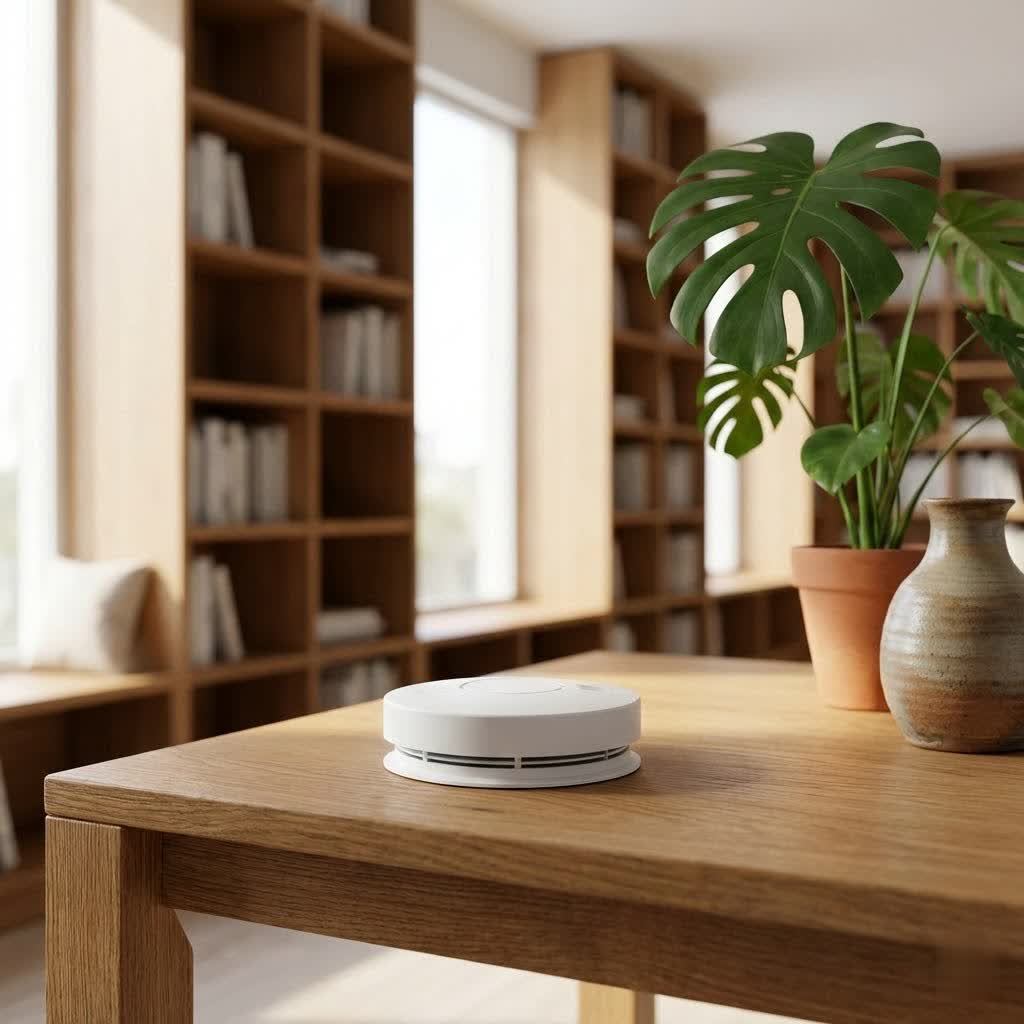
Ensuring the safety of your home and loved ones is a paramount concern for every homeowner. While traditional smoke and carbon monoxide (CO) detectors have long been the frontline defense against these silent threats, the advent of smart technology has revolutionized home safety. Smart smoke and carbon monoxide detectors offer advanced features that go beyond simple alarms, providing unparalleled peace of mind and protection, whether you’re at home or away. These intelligent devices integrate seamlessly into your connected living space, offering real-time alerts, remote control, and enhanced monitoring capabilities.
What Are Smart Smoke and Carbon Monoxide Detectors, and Why Are They Essential?
Smart smoke and carbon monoxide detectors are sophisticated devices designed to detect the presence of smoke from fires and the odorless, colorless, yet deadly gas, carbon monoxide. Unlike their conventional counterparts, “smart” detectors connect to your home’s Wi-Fi network, allowing them to communicate with your smartphone or other smart home devices. This connectivity enables a host of advanced functionalities, transforming them from passive alarms into active guardians of your home. For complete home fire library on this site.
The basic principle involves built-in sensors—typically photoelectric for smoke and electrochemical for carbon monoxide—that continuously monitor the air. When hazardous levels are detected, the device sounds a loud alarm and, crucially, sends instant notifications to your smartphone. This immediate alert, regardless of your location, is a game-changer, potentially saving lives and mitigating property damage by allowing you to take action even when you’re not physically present. Statistics consistently show that early detection significantly reduces fatalities in home fires and CO incidents, making these smart devices an indispensable component of modern home security.
Classifying Smart Smoke and Carbon Monoxide Detectors: Pros and Cons
Understanding the different types of smart smoke and carbon monoxide detectors is key to choosing the right system for your home. These devices are primarily classified by their sensing technology for smoke and their power source.
Photoelectric Smoke Sensors
Photoelectric smoke sensors are highly effective at detecting slow-burning, smoldering fires, which often produce a significant amount of visible smoke before bursting into flames. These detectors work by shining a light beam into a sensing chamber. When smoke particles enter the chamber, they scatter the light onto a sensor, triggering the alarm.
- Pros: Excellent for detecting smoldering fires (e.g., from cigarettes, electrical shorts, or overheated wiring), less prone to nuisance alarms from cooking fumes compared to ionization detectors.
- Cons: May respond slower to fast-flaming fires.
Ionization Smoke Sensors
|
Our Picks for the Best Smoke Detector in 2026
As an Amazon Associate I earn from qualifying purchases.
|
||
| Num | Product | Action |
|---|---|---|
| 1 | First Alert SMI100-AC, Hardwire Interconnect Smoke Alarm with Battery Backup, 6-Pack |

|
| 2 | Kidde Hardwired Smoke & Carbon Monoxide Detector, AA Battery Backup Smoke Alarm, Interconnectable, LED Warning Light Indicators, 2 Pack |
|
| 3 | 4-in-1 Gas & Carbon Monoxide Detector, Plug-in & Battery Powered – Multi-Gas Protection, Accurate CO, Temperature & Humidity Monitoring, LCD Display, Adjustable Brightness, Sensitive Alarm |
|
| 4 | Kidde Smoke Detector, 10-Year Battery Powered, LED Warning Light Indicators |
|
| 5 | 6 in 1 Plug in Smoke and Carbon Monoxide Detector Combo, Portable Smoke, Gas & CO Detector with Battery Operated, Temp, Humidity - Smoke Alarm Carbon Monoxide Natural Gas Leak Detector for Home, RV |
|
| 6 | Smoke Alarm Fire Detector,Battery Operated Photoelectric Smoke Detector with Test Button and Low Battery Warning, Fire Alarms Smoke Detectors for Home, 6 Pack |
|
| 7 | 3 Pack 10 Year Battery Operated Smoke and Carbon Monoxide Detector, Portable Fire Co Alarm for Home and Kitchen (White) |
|
| 8 | First Alert SMI100, Battery-Operated Smoke Alarm, 2-Pack |
|
| 9 | Kidde Hardwired Smoke Detector, AA Battery Backup, Interconnectable, LED Warning Light Indicators, 4 Pack |
|
| 10 | First Alert SMI100, Battery-Operated Smoke Alarm, 3-Pack |
|
Ionization smoke sensors contain a small amount of radioactive material that ionizes the air between two electrically charged plates, creating a continuous current. When microscopic smoke particles from fast-flaming fires enter this chamber, they disrupt the current, setting off the alarm.
- Pros: Generally quicker at detecting fast-flaming fires (e.g., from combustible materials like paper or grease).
- Cons: Can be more susceptible to false alarms from small, non-threatening particles like steam or cooking smoke. They also contain a tiny amount of radioactive material, though considered safe.
Dual-Sensor (Photoelectric & Ionization) Smoke Detectors
Many modern smart detectors, especially combination units, incorporate both photoelectric and ionization sensors. This dual-sensor approach provides comprehensive protection, ensuring that your home is safeguarded against both smoldering and fast-flaming fires.
- Pros: Offers the best of both worlds, detecting a wider range of fire types quickly and reliably. Recommended by fire safety experts for maximum protection.
- Cons: Typically more expensive than single-sensor units.
Electrochemical Carbon Monoxide Sensors
All effective carbon monoxide detectors, including smart combo units, utilize electrochemical sensors. These sensors detect carbon monoxide gas by producing an electrical current when CO reacts with a chemical solution within the sensor. The strength of this current corresponds to the concentration of CO in the air.
- Pros: Highly accurate and sensitive specifically to carbon monoxide, offering reliable detection of this dangerous gas.
- Cons: Sensor lifespan is typically 7-10 years, requiring unit replacement after this period.
Battery-Powered Smart Detectors
Battery-powered smart detectors offer flexible installation without the need for electrical wiring. Many models feature long-lasting batteries, often with a 10-year lifespan, reducing maintenance frequency.
- Pros: Easy to install, ideal for renters or homes without existing hardwired systems, flexible placement.
- Cons: Batteries eventually need replacement, though smart alerts minimize the hassle.
Hardwired Smart Detectors (with Battery Backup)
Hardwired smart detectors connect directly to your home’s electrical system, often featuring a battery backup to ensure functionality during power outages. These systems can typically be interconnected, meaning if one alarm sounds, all connected alarms will activate.
- Pros: Consistent power supply, reliable interconnectivity, reduces the risk of dead batteries, ideal for new construction or major renovations.
- Cons: Requires professional installation or existing wiring, less flexible in terms of placement, generally higher initial cost.
Detailed Comparison Table of Smart Detector Features
Choosing the best smart smoke and carbon monoxide detector involves weighing various features against your specific needs. Here’s a comparative overview of key aspects:
| Feature | Photoelectric/Ionization (Dual) | Electrochemical (CO) | Smart Home Compatibility | Alerts | Remote Silencing | Power Source | Battery Life | Certifications | Cost Range (Approx.) |
|---|---|---|---|---|---|---|---|---|---|
| Sensor Type | Smoldering & Flaming Fires | Carbon Monoxide | N/A | N/A | N/A | N/A | N/A | N/A | N/A |
| Smart Home Comp. | N/A | N/A | Google Home, Alexa, Z-Wave | App, Voice, Location | Yes | N/A | N/A | N/A | Varies |
| Alerts | Audible, App, Voice | Audible, App, Voice | N/A | Real-time | Yes | N/A | N/A | N/A | N/A |
| Remote Silencing | Yes | Yes | Yes | App-based | Yes | N/A | N/A | N/A | N/A |
| Power Source | Battery or Hardwired | Battery or Hardwired | N/A | N/A | N/A | Battery (10-year) / Hardwired w/ backup | 1-10 years | UL 217/2034 | $50 – $200+ |
| Interconnectivity | Yes (Wireless/Hardwired) | Yes | Seamlessly with compatible units | All trigger simultaneously | N/A | N/A | N/A | N/A | N/A |
Your Buying Guide to the Right Smart Detector
Selecting the ideal smart smoke and carbon monoxide detector for your home requires careful consideration of your environment, existing smart home ecosystem, and personal preferences.
Assess Your Home’s Needs
Begin by evaluating your living space. Consider the size of your home, the number of floors, and whether you have existing hardwired alarms. If you already use smart home platforms like Google Home, Amazon Alexa, Apple HomeKit, or a Z-Wave hub (such as Ring or SmartThings), prioritize detectors that offer seamless integration with these systems. Your budget will also play a role, as features and brand reputation often correlate with price.
Key Selection Criteria
When comparing different models, pay close attention to these vital aspects:
- Certifications: Always look for detectors certified by reputable safety organizations. In North America, this typically means UL (Underwriters Laboratories) certification, specifically UL 217 for smoke alarms and UL 2034 for carbon monoxide alarms. European standards include EN 14604 for smoke detectors. These certifications ensure the device meets stringent safety and performance requirements.
- Smart Home Integration: Ensure the detector is compatible with your current smart home ecosystem. Some devices work exclusively with certain platforms (e.g., First Alert SC5 with Google Home), while others offer broader compatibility.
- Alert Features: Beyond a loud siren, consider the type and specificity of smart alerts. Do you receive push notifications, emails, or SMS texts? Do voice alerts specify the type of threat and its location (e.g., “Smoke detected in the living room”)?
- Remote Silencing: This feature is incredibly convenient for false alarms, allowing you to silence the detector from your phone without needing a chair or ladder.
- Power Options & Battery Life: Decide between battery-powered for ease of installation or hardwired with battery backup for maximum reliability. Look for models with 10-year sealed batteries for longevity and reduced maintenance.
- Interconnectivity: For whole-home protection, opt for detectors that can interconnect, so if one alarm goes off, all connected alarms sound. This ensures everyone in the house is alerted, regardless of where the danger originates.
Top Smart Smoke and Carbon Monoxide Detectors
While the market is constantly evolving, several models consistently stand out for their features and reliability:
- First Alert SC5 Smart Smoke & Carbon Monoxide Alarm: Often considered a spiritual successor to the popular Google Nest Protect (which has been discontinued), the SC5 offers excellent Google Home integration, photoelectric CO sensing, and automatic self-tests. It’s available in both battery and hardwired versions.
- First Alert Z-Wave Plus Smart Smoke & Carbon Monoxide Alarm: This model is a strong choice for homes already utilizing a Z-Wave hub (like Ring Alarm or Samsung SmartThings). It features “Precision Detection Advanced Sensing technology” and sends quick mobile alerts, though it typically lacks in-app silencing.
- Kidde Smart Smoke & Carbon Monoxide Alarm: Known for its clear voice alerts that identify the threat, this hardwired detector with a 10-year battery backup offers robust integration with Amazon Alexa and Google Home, making it a versatile option for many smart homes.
- X-Sense SC07-MR Smart Smoke & CO Alarm: This value-packed option offers reliable smoke and CO detection, interconnectivity with other X-Sense units, and app control via a hub. While it may have more limited direct smart home integration compared to others, its performance and affordability make it a compelling choice for comprehensive, interconnected protection.
Optimal Placement for Smart Smoke and Carbon Monoxide Detectors
Proper placement is crucial for the effective operation of any smoke and carbon monoxide detector. Following these guidelines ensures your smart detectors can provide the best possible protection:
- General Rules: Install at least one detector on every level of your home, including the basement. Place them in hallways outside sleeping areas and inside each bedroom. For CO detectors, prioritize areas near sleeping quarters and any rooms containing fuel-burning appliances (furnaces, water heaters, fireplaces).
- Specific Placement: Smoke detectors should be installed on the ceiling or high on a wall. If mounting on the wall, the top of the detector should be between 4 and 12 inches (10-30 cm) from the ceiling. If mounting on the ceiling, place it in the center of the room or at least 4 inches (10 cm) away from any wall.
- Areas to Avoid:
- Near Kitchens/Bathrooms: Steam and cooking fumes can trigger false alarms. Keep detectors at least 10-20 feet (3-6 meters) away from these areas.
- Near Vents/Windows/Fans: Air drafts can prevent smoke or CO from reaching the sensor.
- In Garages or Dusty Areas: Exhaust fumes and dust can lead to false alarms or sensor degradation.
- In Direct Sunlight or Extreme Temperatures: These conditions can affect sensor performance.
Installation and Maintenance Made Easy
One of the benefits of modern smart detectors is simplified installation and maintenance, though some differences exist between battery-powered and hardwired units.
Installation:
- Battery-Powered: Most battery-powered units involve attaching a mounting bracket to the ceiling or wall with screws, then twisting the detector onto the bracket. Simply insert the batteries, and follow the app’s instructions for connecting to your Wi-Fi and smart home system.
- Hardwired: For hardwired detectors, always turn off power at the circuit breaker first. These units usually connect to existing electrical wiring. They come with a wiring harness that you connect to your home’s wires, then attach the detector to the mounting plate. Battery backups should be installed according to manufacturer instructions. If you’re unsure, it’s always best to consult a qualified electrician.
Regular Checks:
- Monthly Testing: Test your detectors monthly by pressing the test button. This verifies the alarm sounder and basic circuit functionality. Your smart detector app may also offer remote testing capabilities.
- Annual Cleaning: Gently vacuum around the detector’s vents or wipe it with a damp cloth to remove dust and debris, which can interfere with sensors.
- Battery Replacement: Smart detectors will typically send you smartphone notifications when batteries are low, eliminating the dreaded 3 AM chirp. For battery-powered units, replace batteries as indicated by the app or alarm signals. For hardwired units, replace backup batteries every few years, as recommended by the manufacturer.
- Unit Replacement: All smoke and carbon monoxide detectors have a finite lifespan, usually 7-10 years. After this period, the sensors degrade and the unit must be replaced, even if it appears to be working. Your smart detector app might even track this for you.
Handling False Alarms:
The convenience of remote silencing through your smartphone app is a major advantage of smart detectors. If a false alarm occurs (e.g., from burnt toast), you can quickly silence the siren from your device, preventing unnecessary disruption. Always ensure the area is clear of actual threats before silencing.
Safety Standards and Certifications for Peace of Mind
The reliability of your smoke and carbon monoxide detector is non-negotiable. This is why adherence to recognized safety standards and certifications is so critical.
- UL 217 (Standard for Smoke Alarms): This is the primary standard for smoke alarms in the United States, covering performance requirements, alarm audibility, and response times to various fire types.
- UL 2034 (Standard for Single and Multiple Station Carbon Monoxide Alarms): This standard outlines the performance requirements for CO alarms, including sensitivity to carbon monoxide, accuracy, and alarm response thresholds.
- EN 14604 (European Standard for Smoke Alarms): A similar standard used in Europe, ensuring smoke alarms meet strict safety and performance criteria.
The presence of these certifications on a product signifies that it has undergone rigorous testing by independent laboratories and meets high safety benchmarks. Choosing a certified smart detector is a testament to its reliability and your commitment to safeguarding your home.
“Investing in smart smoke and carbon monoxide detectors isn’t just about convenience; it’s about leveraging technology for proactive safety. The ability to receive immediate alerts on your phone, no matter where you are, fundamentally changes how quickly you can respond to a potential emergency, potentially saving lives and minimizing damage.”
Conclusion
The evolution of home safety has led us to a new era of protection with smart smoke and carbon monoxide detectors. These devices represent a significant leap forward from traditional alarms, offering not just a loud warning but also real-time insights and remote management. By integrating seamlessly into your smart home, they provide unparalleled peace of mind, ensuring that you are always aware of potential dangers, whether you’re down the street or across the globe. The ability to receive instant notifications, remotely silence false alarms, and monitor battery life directly from your smartphone transforms essential home safety into a truly connected and proactive system.
Upgrading to smart smoke and carbon monoxide detectors is a wise investment in the security and well-being of your household. Don’t wait for an emergency to realize the limitations of older technology; embrace the advanced protection that smart solutions offer. Are you ready to bring your home safety into the 21st century?
Frequently Asked Questions
Are smart smoke and carbon monoxide detectors worth the extra cost?
Yes, many homeowners find smart detectors worth the investment due to enhanced safety features like remote mobile alerts, which notify you of danger even when you’re away, and remote silencing capabilities. They also provide convenient low-battery warnings, preventing annoying late-night chirps, and can integrate with existing smart home systems for greater functionality.
How often should I test my smart smoke and CO detector?
It is recommended to test your smart smoke and carbon monoxide detector at least once a month. This can usually be done by pressing a test button on the unit itself. Many smart detectors also offer convenient in-app testing features, allowing you to check their functionality from your smartphone.
Can smart smoke detectors be remotely silenced?
Yes, a significant advantage of smart smoke and carbon monoxide detectors is the ability to remotely silence false alarms directly from their associated smartphone app. This prevents the need to physically reach the unit, making it much more convenient to manage accidental triggers from cooking or steam.
What is the lifespan of a smart smoke and CO detector?
Most smart smoke and carbon monoxide detectors, like traditional ones, have a lifespan of approximately 7 to 10 years. After this period, the sensors inside the unit begin to degrade, making it less reliable. It is crucial to replace the entire unit by the manufacturer’s recommended date, which is usually printed on the back of the device.
Do smart detectors integrate with all smart home systems?
No, not all smart smoke and carbon monoxide detectors integrate with every smart home system. Compatibility varies by brand and model. Some are designed to work with specific ecosystems like Google Home or Amazon Alexa, while others might use protocols like Z-Wave or Apple HomeKit. Always check the product specifications to ensure it works with your existing smart home setup.
Get our weekly buyer guide
Practical specs, not advice. Unsubscribe anytime.
