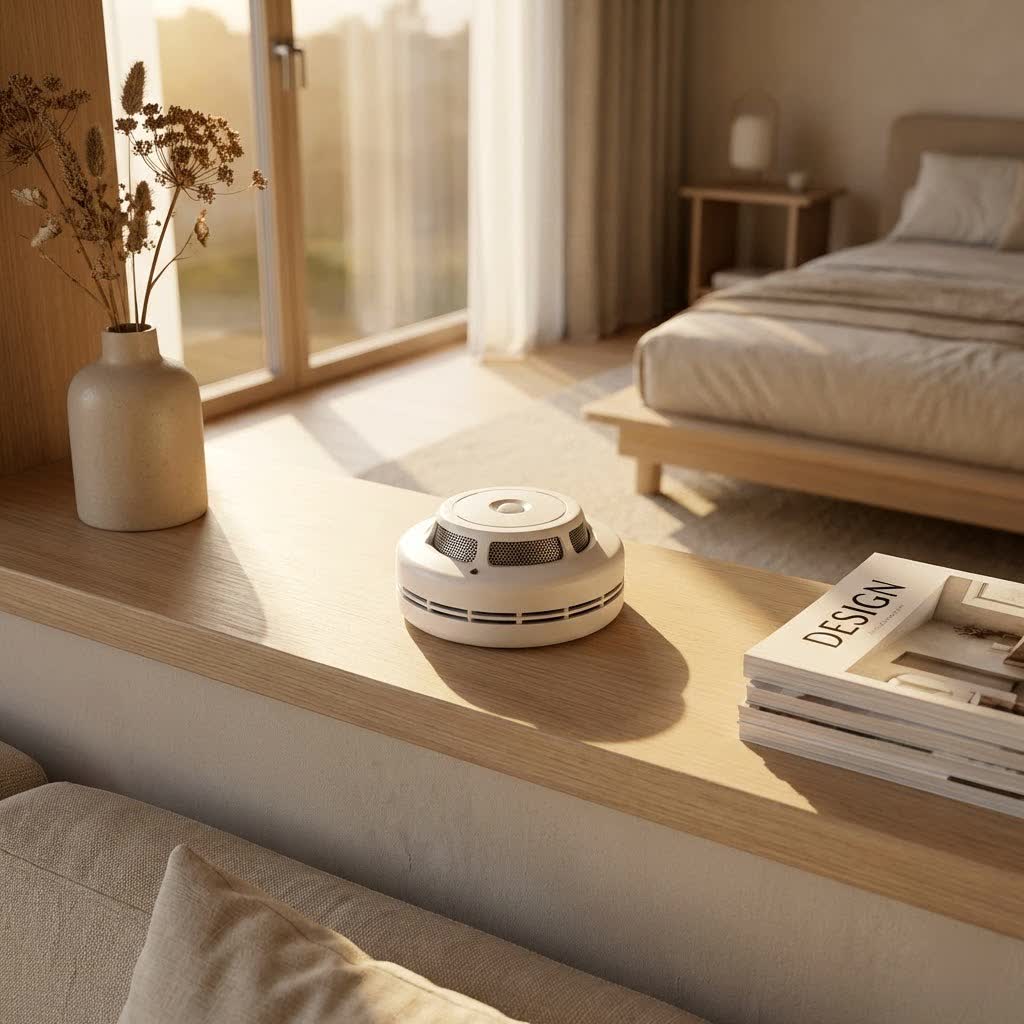
As a technician with over a decade of experience in fire detection systems, particularly smoke detectors, I’ve witnessed firsthand the evolution of this life-saving technology. From basic models to advanced smart systems, understanding the nuances of smoke detectors is crucial for ensuring the safety of your loved ones and property. This guide will delve into the different types available, their unique characteristics, and how to choose and maintain the best fit for your home.
What is a Smoke Detector and Why is it Essential?
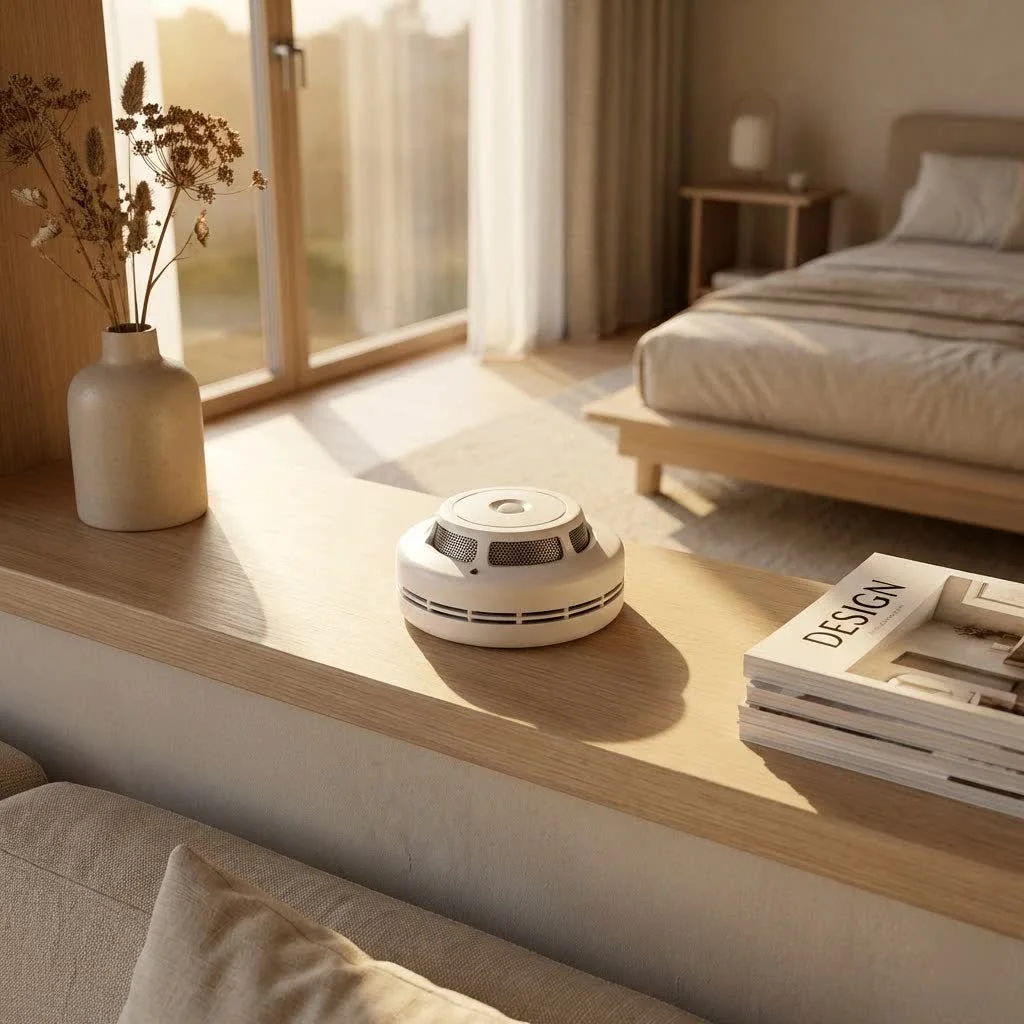
A smoke detector is a vital device designed to sense smoke, typically as an indicator of fire, and alert occupants to potential danger. These devices are typically housed in disc-shaped plastic enclosures and are engineered to provide early warning, which is critical for safe evacuation. The principle behind their operation involves detecting particles produced by combustion. Early detection significantly reduces the risk of fatalities and injuries from fires, making smoke detectors an indispensable part of any home or commercial building’s safety infrastructure. Statistics consistently show that the presence of working smoke detectors can cut the risk of dying in a residential fire by nearly 50%.
Decoding Smoke Detector Types: Pros & Cons
Not all smoke detectors are created equal. Different types employ distinct technologies to detect smoke, each with its own strengths and weaknesses. Understanding these differences is key to optimizing your fire safety strategy.
Ionization Smoke Detectors
Ionization smoke detectors work by ionizing the air within a chamber using a small amount of radioactive material, Americium-241. This creates a tiny electrical current between two charged plates. When smoke particles enter the chamber, they attach to the ions, disrupting the current flow and triggering the alarm.
- Advantages:
- Swift Detection of Fast-Flaming Fires: These detectors are generally more responsive to rapid, flaming fires that produce smaller, often invisible combustion particles (e.g., paper or electrical fires).
- Cost-Effectiveness: Ionization alarms are typically more affordable to manufacture, making them a budget-friendly option.
- Disadvantages:
- Limited Sensitivity to Smoldering Fires: They may respond slower to slow, smoldering fires that produce larger smoke particles and little flame.
- Potential False Alarms: Ionization alarms can be more prone to nuisance alarms from cooking fumes, steam, or high humidity.
- Radioactive Material Concerns: While the radioactive material used is minimal and safe, it is a consideration for some consumers.
Photoelectric Smoke Detectors
Photoelectric smoke detectors operate using a light source and a photosensitive sensor positioned at an angle within a sensing chamber. Under normal conditions, the light beam passes straight, missing the sensor. When smoke enters the chamber, the smoke particles scatter the light, deflecting some of it onto the sensor, which then activates the alarm.
- Advantages:
- Early Detection of Smoldering Fires: Photoelectric detectors excel at identifying slow-burning, smoldering fires that generate large, visible smoke particles (e.g., electrical wiring overheating, furniture fires).
- Reduced False Alarms: They are generally less susceptible to false alarms caused by common cooking activities or steam compared to ionization types.
- Environmentally Friendly: These detectors do not contain radioactive materials.
- Disadvantages:
- Slower Response to Fast-Flaming Fires: Photoelectric alarms might respond more slowly to fast-flaming fires that produce microscopic smoke particles.
- Higher Cost: They tend to be slightly more expensive than ionization detectors.
Dual-Sensor (Combination) Smoke Detectors
|
Our Picks for the Best Smoke Detector in 2026
As an Amazon Associate I earn from qualifying purchases.
|
||
| Num | Product | Action |
|---|---|---|
| 1 | 4-in-1 Gas & Carbon Monoxide Detector, Plug-in & Battery Powered – Multi-Gas Protection, Accurate CO, Temperature & Humidity Monitoring, LCD Display, Adjustable Brightness, Sensitive Alarm |

|
| 2 | First Alert SMI100, Battery-Operated Smoke Alarm, 3-Pack |
|
| 3 | 6 in 1 Plug in Smoke and Carbon Monoxide Detector Combo, Portable Smoke, Gas & CO Detector with Battery Operated, Temp, Humidity - Smoke Alarm Carbon Monoxide Natural Gas Leak Detector for Home, RV |
|
| 4 | Kidde Smoke Detector, 10-Year Battery Powered, LED Warning Light Indicators |
|
| 5 | 3 Pack 10 Year Battery Operated Smoke and Carbon Monoxide Detector, Portable Fire Co Alarm for Home and Kitchen (White) |
|
| 6 | Smoke Alarm Fire Detector,Battery Operated Photoelectric Smoke Detector with Test Button and Low Battery Warning, Fire Alarms Smoke Detectors for Home, 6 Pack |
|
| 7 | Kidde Hardwired Smoke & Carbon Monoxide Detector, AA Battery Backup Smoke Alarm, Interconnectable, LED Warning Light Indicators, 2 Pack |
|
| 8 | First Alert SMI100, Battery-Operated Smoke Alarm, 2-Pack |
|
| 9 | First Alert SMI100-AC, Hardwire Interconnect Smoke Alarm with Battery Backup, 6-Pack |
|
| 10 | Kidde Hardwired Smoke Detector, AA Battery Backup, Interconnectable, LED Warning Light Indicators, 4 Pack |
|
Dual-sensor smoke detectors combine both ionization and photoelectric technologies into a single unit. By integrating both sensing methods, these alarms aim to provide more comprehensive protection.
- Advantages:
- Comprehensive Fire Detection: They offer the benefits of both ionization and photoelectric sensors, providing a balanced response to both flaming and smoldering fires. This combined approach is often recommended by fire safety experts for optimal home protection.
- Reduced Uncertainty: You don’t have to guess which type of fire might occur; the dual-sensor unit is equipped for both.
- Disadvantages:
- Higher Initial Cost: Due to their dual technology, these detectors typically have a higher price point than single-sensor units.
Beyond the Basics: Other Specialized Detectors
While ionization, photoelectric, and dual-sensor detectors are the most common for residential use, other specialized types exist for specific applications:
- Heat Detectors: These activate based on temperature changes rather than smoke. They are suitable for areas prone to smoke or dust like kitchens and garages, but they don’t provide early warning for smoke.
- Aspirating Smoke Detectors (ASD): Highly sensitive systems that actively draw air samples through a network of pipes to detect even trace amounts of smoke. Used in critical environments like data centers.
- Beam Smoke Detectors: Used in large open spaces with high ceilings, they project a beam of light across an area and trigger an alarm if smoke obstructs the beam.
- Multi-Criteria/Intelligent Detectors: These advanced devices combine multiple sensors (e.g., smoke, heat, carbon monoxide) and sophisticated algorithms to enhance accuracy and minimize false alarms.
Detailed Comparison: Ionization vs. Photoelectric vs. Dual-Sensor
| Criteria | Ionization Smoke Detector | Photoelectric Smoke Detector | Dual-Sensor (Combination) Smoke Detector |
|---|---|---|---|
| Sensor Type | Ionization chamber, radioactive material | Light source and photosensitive cell | Both ionization and photoelectric sensors |
| Best For | Fast-flaming fires (small, invisible particles) | Slow, smoldering fires (large, visible particles) | Both flaming and smoldering fires |
| Response Time | Generally faster to flaming fires | Generally faster to smoldering fires | Balanced, quick response to both |
| Nuisance Alarms | More prone to false alarms from cooking, steam | Less prone to false alarms from cooking, steam | Optimized to minimize false alarms while maximizing detection |
| Cost | Typically more affordable | Generally moderately more expensive | Highest initial cost |
| Typical Use | General residential areas, often in bedrooms and hallways | Residential areas, especially near living spaces and bedrooms | Ideal for comprehensive protection throughout the home |
Choosing the Right Smoke Detector for Your Needs (Buying Guide)
Selecting the appropriate smoke detector involves more than just picking a type; it requires a thoughtful assessment of your specific environment and safety priorities.
Assess Your Home’s Specific Risks
Consider the layout and common activities in different areas of your home.
- Area Size and Layout: Larger homes or those with unique architectural features might benefit from interconnected or specialized systems.
- Type of Area:
- Bedrooms and Hallways: These are critical areas for smoke detection to ensure early warning during sleep. Dual-sensor or a mix of ionization and photoelectric are ideal.
- Kitchens: Due to cooking fumes, a heat detector is often recommended here to avoid false alarms, or a photoelectric detector if smoke is preferred over heat detection, placed away from direct cooking areas.
- Living Rooms and Dens: Dual-sensor or photoelectric detectors are generally good choices here.
- Budget: While cost is a factor, prioritize safety over savings. Investing in a reliable system can prevent catastrophic losses.
Key Features to Look For
When purchasing smoke detectors, keep an eye out for these important features:
- Quality Certifications: Always choose detectors certified by reputable organizations such as Underwriters Laboratories (UL) in North America or those meeting European Norm (EN) standards like EN 14604. These certifications ensure the product meets stringent safety and performance requirements. Adherence to NFPA 72 (National Fire Protection Association) standards is also crucial.
- Power Source:
- Battery-Powered: Offer easy installation and portability. Look for models with sealed 10-year batteries for minimal maintenance.
- Hardwired with Battery Backup: Directly connected to your home’s electrical system, ensuring continuous power. The battery backup provides protection during power outages. Many experts recommend this for interconnected systems.
- Interconnectivity and Smart Features:
- Interconnected Alarms: When one alarm sounds, all alarms in the system will sound, providing earlier warning throughout the house. This can be hardwired or wireless.
- Smart Detectors: Offer features like mobile app notifications, remote testing, silence functions, and integration with smart home systems, providing enhanced control and awareness.
- Ease of Installation and Maintenance: Opt for models that are straightforward to install and come with clear instructions. Easy-to-access test buttons and battery compartments simplify maintenance.
Top Considerations for Different Areas
- Bedrooms and Sleeping Areas: Install dual-sensor or photoelectric smoke detectors inside every bedroom and in the hallway leading to sleeping areas.
- Common Living Spaces: Photoelectric or dual-sensor detectors are excellent for living rooms, family rooms, and dining areas.
- Kitchens and Garages: A heat detector is often more suitable in these areas to prevent false alarms from cooking fumes or vehicle exhaust. If a smoke detector is desired, opt for a photoelectric one placed at least 10 feet (3 meters) from cooking appliances.
- Basements and Attics: These often overlooked areas also need protection; dual-sensor or ionization detectors are typically appropriate.
Optimal Placement and Installation for Maximum Safety
Correct placement of smoke detectors is as vital as choosing the right type. Improper placement can lead to delayed detection or frequent false alarms.
- General Principles:
- High on Walls or Ceilings: Smoke rises, so detectors should be installed on the ceiling or high on a wall, typically within 12 inches (30 cm) of the ceiling.
- Away from Obstructions: Ensure no furniture, curtains, or architectural elements block the detector’s sensors.
- Avoid Nuisance Sources: Keep detectors at least 10 feet (3 meters) away from cooking appliances, furnaces, and water heaters to minimize false alarms.
- Maintain Distance from Corners: Place detectors at least 4 inches (10 cm) from walls if mounted on the ceiling, or 4-12 inches from the ceiling if mounted on a wall.
- Specific Locations:
- Every Level: Install at least one smoke detector on every level of your home, including the basement and attic.
- Inside and Outside Sleeping Areas: Place a detector inside each bedroom and in the hallway or area immediately outside sleeping areas.
- Top of Stairways: Install detectors at the top of open stairways, as smoke often travels upwards.
- Areas to Avoid:
- Near Vents or Fans: Air currents can prevent smoke from reaching the detector.
- Bathrooms: Steam can cause false alarms.
- Dusty Areas: Excessive dust can clog sensors and lead to false alarms or malfunction.
Installation and Essential Maintenance Tips
Once you’ve selected and placed your smoke detectors, proper installation and ongoing maintenance are crucial to ensure their reliability.
- Installation Steps (General):
- Read Manufacturer’s Instructions: Always follow the specific instructions provided with your device.
- Choose Location: Mark the chosen spot on the ceiling or wall.
- Mount Bracket: Screw the mounting bracket securely to the surface.
- Connect Power (Hardwired): If hardwired, connect the electrical wires safely (often requiring a qualified electrician).
- Insert Battery: Install the backup battery or primary battery if battery-powered.
- Attach Detector: Twist or snap the detector onto the mounting bracket.
- Test: Press the test button to ensure the alarm sounds.
- Regular Testing and Cleaning:
- Test Monthly: Press the test button on each detector monthly to confirm it’s operational.
- Clean Annually: Gently vacuum or wipe the detector’s cover to remove dust and debris that could impede its function.
- Battery Replacement:
- Replace Annually: For detectors with replaceable batteries, change them at least once a year, even if they haven’t chirped for low power. A good reminder is to change them when you change your clocks for daylight saving time.
- 10-Year Sealed Batteries: If your detector has a sealed 10-year battery, you won’t need to replace the battery, but the entire unit will need to be replaced after 10 years.
- Unit Replacement:
- Every 10 Years: Smoke detectors have a lifespan of approximately 10 years. After this period, their sensitivity can degrade, regardless of battery status. Replace the entire unit to ensure continued protection.
- Dealing with False Alarms:
- Ventilation: If a false alarm occurs due to cooking, try opening windows or turning on exhaust fans.
- Relocation: If a detector frequently triggers false alarms in a specific spot, consider relocating it slightly or switching to a photoelectric or heat detector for that area.
Understanding Safety Standards and Certifications for Smoke Detectors
When investing in smoke detectors, recognizing key safety standards and certifications ensures you’re purchasing reliable and tested products. These certifications are not merely labels; they represent rigorous testing and compliance with national and international safety regulations.
- UL 217 (Underwriters Laboratories): This is a primary safety standard for single and multiple-station smoke alarms in the United States and Canada. A UL listing indicates that a product has been tested to nationally recognized safety standards.
- EN 14604 (European Norm): This European standard specifies requirements, test methods, and performance criteria for smoke alarm devices that are intended for use in residential premises. Products meeting this standard are deemed safe and effective for use in Europe.
- NFPA 72 (National Fire Protection Association): The National Fire Alarm and Signaling Code provides comprehensive guidelines for the application, installation, location, performance, inspection, testing, and maintenance of fire alarm systems and emergency communication systems. While not a product certification itself, compliance with NFPA 72 ensures optimal system performance.
These certifications provide a guarantee that the smoke detector has undergone thorough evaluation and meets specific performance benchmarks, giving you peace of mind about its ability to protect your home.
Conclusion
The world of smoke detectors has evolved significantly, offering a range of advanced options to safeguard our homes and families. From the rapid response of ionization detectors to the early warning of smoldering fires provided by photoelectric units, and the comprehensive protection of dual-sensor models, understanding these distinctions empowers you to make informed decisions. Proper selection, optimal placement, and diligent maintenance are the pillars of an effective fire safety plan. Don’t wait for an emergency; take proactive steps to ensure your home is equipped with the right smoke detection technology. What steps will you take today to enhance your home’s fire safety?
Frequently Asked Questions
Which type of smoke detector is best for general home use?
For general home use, dual-sensor (combination) smoke detectors are often recommended as they combine the strengths of both ionization and photoelectric technologies, offering comprehensive protection against both flaming and smoldering fires.
How often should I test my smoke detectors?
You should test your smoke detectors at least once a month by pressing the test button. This ensures the alarm sounds and the basic functionality is in order.
When should I replace my smoke detector unit?
Regardless of whether it’s battery-operated or hardwired, all smoke detector units should be replaced every 10 years. Their sensing capabilities can degrade over time, even if they appear to be working.
Can cooking fumes trigger a smoke detector?
Yes, cooking fumes, especially from burning food or high-heat cooking, can trigger ionization smoke detectors more easily. Photoelectric detectors are generally less prone to false alarms from typical cooking.
Are smart smoke detectors worth the investment?
Smart smoke detectors offer advanced features like remote monitoring, mobile alerts, and integration with home automation systems, which can provide added peace of mind and convenience, making them a worthwhile investment for many homeowners.
Get our weekly buyer guide
Practical specs, not advice. Unsubscribe anytime.
