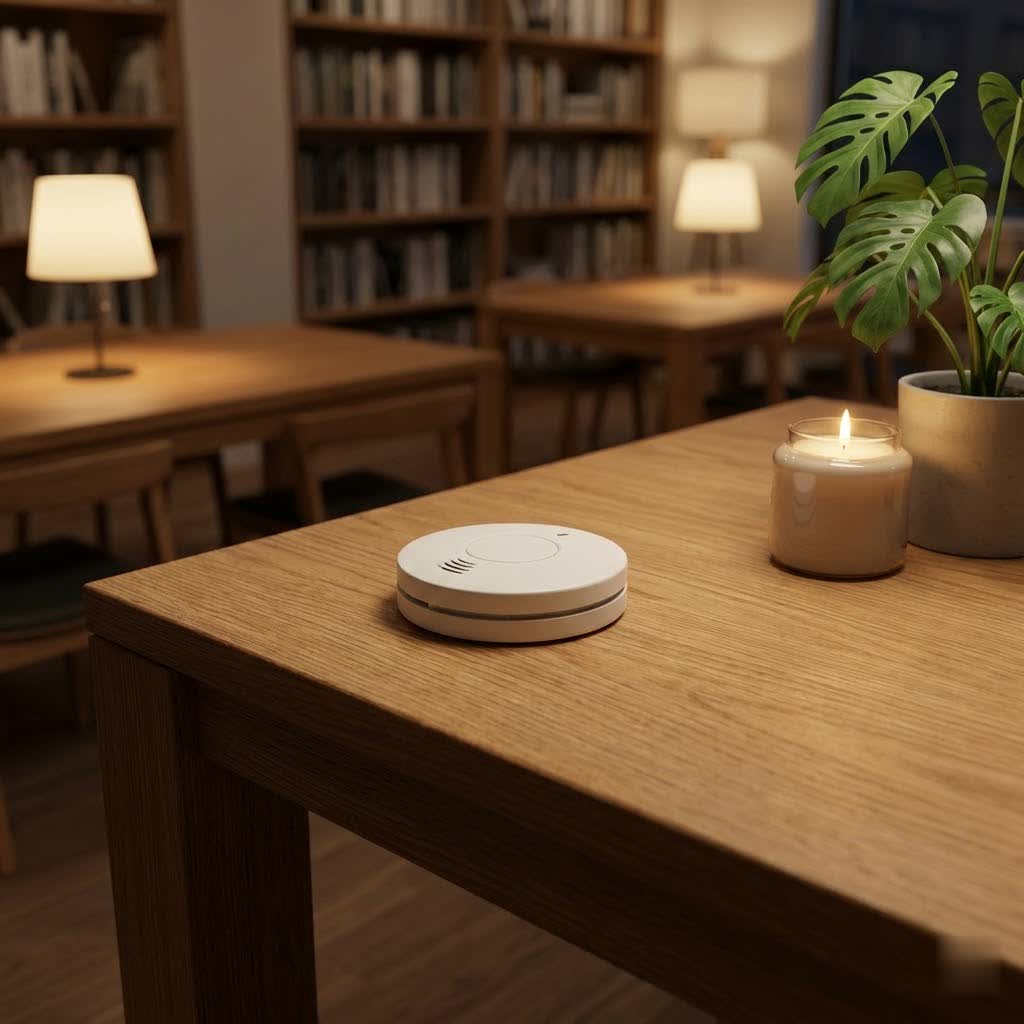
Welcome! As a technician with over a decade of hands-on experience in fire alarm systems, especially smoke detectors, I’ve witnessed firsthand their evolution from basic models to the sophisticated smart devices we rely on today. My goal is to equip you with the knowledge needed to make the best choice for your home and ensure the safety of your loved ones. Understanding smoke detectors isn’t just about compliance; it’s about providing crucial early warnings that can save lives. This comprehensive guide will walk you through everything you need to know, from different types and their functions to optimal placement and essential maintenance. Let’s dive into the world of smoke detectors and empower you to create a safer environment.
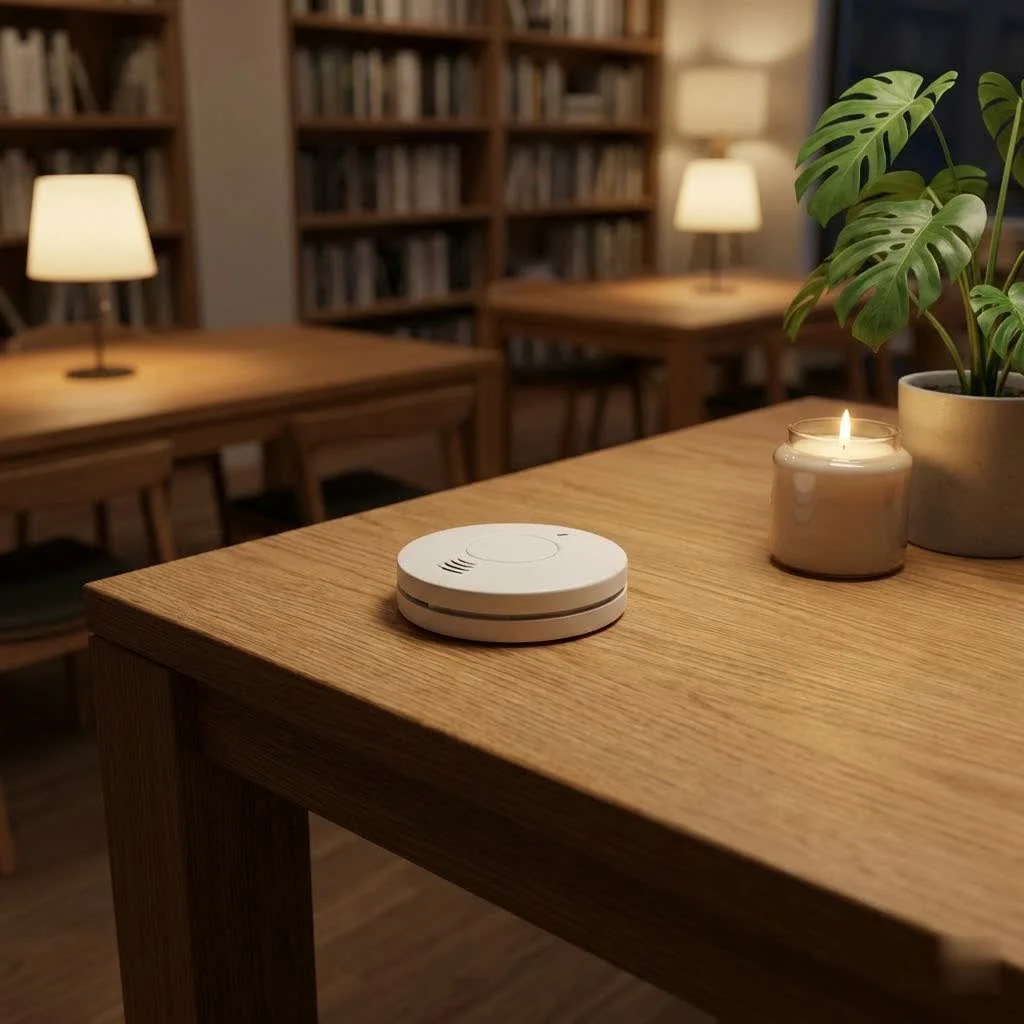
What is a Smoke Detector? Why is it Essential?
A smoke detector is a critical safety device designed to sense the presence of smoke, indicating a potential fire. Its primary function is to provide an early warning, allowing occupants to evacuate safely and for emergency services to respond quickly, minimizing damage and preventing fatalities. At its core, a smoke detector operates by detecting particles in the air that are characteristic of smoke, then emitting a loud alarm to alert those nearby. For more home fire guides on this site.
The necessity of smoke detectors cannot be overstated. Tragically, most fire fatalities occur in homes without working smoke alarms, often during sleeping hours. In modern homes, fires can spread at an alarming rate due to synthetic furnishings and building materials. A working smoke detector dramatically increases your chances of escaping a house fire safely, giving you precious minutes to react before a small incident escalates into a life-threatening inferno.
Classifying Smoke Detectors: Advantages and Disadvantages
Understanding the different types of smoke detectors is crucial for choosing the right protection for various areas of your home. Each technology has its strengths and weaknesses, making certain models more suitable for specific environments and fire types.
Photoelectric Smoke Detectors
Photoelectric smoke detectors work by using a light source and a sensor. When smoke enters the chamber, it scatters the light, directing it towards the sensor and triggering the alarm.
- Advantages: These detectors are highly effective at detecting slow-burning, “smoldering” fires, which typically produce large amounts of smoke before bursting into flames. Examples include fires starting from electrical wiring, cigarettes left on upholstery, or overheated electronics. They are generally less prone to false alarms from cooking fumes compared to ionization detectors.
- Disadvantages: While excellent for smoldering fires, photoelectric detectors can be slightly slower to react to fast, flaming fires that produce less visible smoke initially. They can also be triggered by dust buildup if not regularly cleaned.
Ionization Smoke Detectors
|
Our Picks for the Best Smoke Detector in 2026
As an Amazon Associate I earn from qualifying purchases.
|
||
| Num | Product | Action |
|---|---|---|
| 1 | First Alert SMI100-AC, Hardwire Interconnect Smoke Alarm with Battery Backup, 6-Pack |

|
| 2 | First Alert SMI100, Battery-Operated Smoke Alarm, 2-Pack |
|
| 3 | Kidde Hardwired Smoke & Carbon Monoxide Detector, AA Battery Backup Smoke Alarm, Interconnectable, LED Warning Light Indicators, 2 Pack |
|
| 4 | 6 in 1 Plug in Smoke and Carbon Monoxide Detector Combo, Portable Smoke, Gas & CO Detector with Battery Operated, Temp, Humidity - Smoke Alarm Carbon Monoxide Natural Gas Leak Detector for Home, RV |
|
| 5 | First Alert SMI100, Battery-Operated Smoke Alarm, 3-Pack |
|
| 6 | Kidde Hardwired Smoke Detector, AA Battery Backup, Interconnectable, LED Warning Light Indicators, 4 Pack |
|
| 7 | 3 Pack 10 Year Battery Operated Smoke and Carbon Monoxide Detector, Portable Fire Co Alarm for Home and Kitchen (White) |
|
| 8 | Kidde Smoke Detector, 10-Year Battery Powered, LED Warning Light Indicators |
|
| 9 | 4-in-1 Gas & Carbon Monoxide Detector, Plug-in & Battery Powered – Multi-Gas Protection, Accurate CO, Temperature & Humidity Monitoring, LCD Display, Adjustable Brightness, Sensitive Alarm |
|
| 10 | Smoke Alarm Fire Detector,Battery Operated Photoelectric Smoke Detector with Test Button and Low Battery Warning, Fire Alarms Smoke Detectors for Home, 6 Pack |
|
Ionization smoke detectors contain a small amount of radioactive material that ionizes the air between two electrically charged plates, creating a small, constant current. When smoke enters the chamber, it disrupts this current, causing the alarm to sound.
- Advantages: Ionization detectors are typically more responsive to “flaming” fires, which consume combustible materials rapidly and produce small, fast-moving smoke particles. Think of a grease fire in the kitchen or curtains igniting. They can detect these fires marginally faster than photoelectric models.
- Disadvantages: These detectors are less effective at detecting smoldering fires, often responding significantly slower than photoelectric alarms. They are also notoriously sensitive to cooking fumes, steam, and humidity, leading to more frequent nuisance alarms when placed too close to kitchens or bathrooms. Additionally, they contain a minuscule amount of radioactive material, making disposal sometimes a minor concern, though generally safe for household use.
Dual Sensor Smoke Detectors
As the name suggests, dual sensor smoke detectors combine both ionization and photoelectric technologies into a single unit.
- Advantages: By incorporating both sensing methods, dual sensor alarms offer comprehensive protection against a wider range of fire types – both flaming and smoldering. This combination provides the best chance of early detection in a residential setting. They are often recommended by fire safety experts for maximum home safety.
- Disadvantages: The primary drawback of dual sensor units is their higher initial cost compared to single-sensor models. However, the enhanced safety they provide often outweighs this difference.
Detailed Comparison of Smoke Detector Types
To help you make an informed decision, here’s a breakdown of the key characteristics of each smoke detector type:
| Feature | Photoelectric | Ionization | Dual Sensor (Combined) |
|---|---|---|---|
| Sensing Method | Light beam scattering | Ionized air current disruption | Both light scattering and ionized air disruption |
| Best for Detecting | Slow, smoldering fires (e.g., electrical, upholstered furniture) | Fast, flaming fires (e.g., paper, grease) | Both smoldering and flaming fires (most comprehensive) |
| Speed of Detection | Faster for smoldering fires | Faster for flaming fires | Optimized for both, providing balanced speed |
| False Alarm Triggers | Dust, insects | Cooking fumes, steam, high humidity, fireplace smoke | Reduced false alarms due to combined logic, but still possible |
| Typical Placement | Bedrooms, living areas, hallways (near sleeping areas) | Kitchens (if placed carefully), utility rooms | All areas of the home, especially hallways and sleeping areas |
| Environmental Impact | No radioactive material | Contains small amount of radioactive material | No significant environmental impact beyond typical electronics |
| Maintenance | Regular cleaning (vacuum) | Regular cleaning (vacuum) | Regular cleaning (vacuum) |
| Cost | Moderate | Lower | Higher |
| Recommended Usage | Residential | Less recommended as standalone, often paired | Universally recommended for residential properties |
Your Buying Guide: Choosing the Right Smoke Detector
Selecting the right smoke detector for your property involves more than just picking the first one you see. With advancements in technology, there are various factors to consider that can enhance your safety and peace of mind.
Assess Your Needs
Before purchasing, take stock of your environment and specific requirements:
- Space Area: How large is the area you need to protect? Larger homes benefit from interconnected systems.
- Type of Area: Are you protecting bedrooms, a kitchen, a basement, or a hallway? Different areas have different fire risks and potential sources of nuisance alarms. For instance, a kitchen might require a photoelectric or a smart detector with nuisance alarm reduction features.
- Budget: While safety shouldn’t have a price tag, budget considerations are practical. Basic battery-powered models are affordable, while smart, hardwired systems represent a greater investment.
Key Selection Criteria
Look for these essential features and certifications when making your choice:
- Quality Certifications: Always choose smoke alarms that bear the label of a recognized testing laboratory, such as UL (Underwriters Laboratories) in the U.S. (look for UL 217 or UL 268 standards) or EN 14604 in the EU. These certifications ensure the device has met rigorous safety and performance standards.
- Battery Life and Low Battery Warning: Many modern detectors come with sealed 10-year batteries, eliminating the need for annual battery changes. For models with replaceable batteries (like 9-volt), ensure they have a clear low-battery chirp.
- Connectivity and Remote Notifications: Smart smoke detectors, like the Nest Protect or First Alert Onelink, offer advanced features such as smartphone alerts, voice alarms, and interconnectivity. If one alarm sounds, they all sound, ensuring everyone is alerted, even if you’re away from home.
- Ease of Installation and Maintenance: Consider whether you prefer battery-powered (easier DIY installation) or hardwired (requires electrical connection, often by a professional). Look for models that are easy to clean and test regularly.
- Carbon Monoxide (CO) Detection: Many smoke detectors now include integrated carbon monoxide sensors, providing dual protection against both fire and this odorless, colorless, and deadly gas. This is a highly recommended feature for any home.
Top Smoke Detectors of 2024/2025
While specific models can vary, some brands and types consistently receive high ratings for reliability and features:
- Nest Protect: Often lauded for its smart features, including voice alerts, smartphone notifications, CO detection, and self-testing capabilities. It’s a top choice for those seeking smart home integration.
- First Alert Onelink Safe & Sound: A versatile device that combines smoke and CO detection with a Bluetooth speaker and smart home integration (Alexa/Apple HomeKit).
- Kidde i9010 (Photoelectric): A reliable, budget-friendly option, often featuring a 10-year sealed battery, making it a great choice for widespread deployment.
- First Alert SCO7CN or SC05CN (Dual Sensor/Combo): Excellent options that combine photoelectric and ionization sensing, often with CO detection, providing robust protection. Many of these are battery-operated and can be interconnected wirelessly.
When looking at specific products, prioritize those that offer both photoelectric and ionization sensing (or are explicitly “dual-sensor”) along with carbon monoxide detection for the most comprehensive coverage.
Optimal Placement for Smoke Detectors
Correct placement of smoke detectors is as vital as choosing the right type. Improper installation can lead to delayed warnings or frequent false alarms, which might tempt people to disable their devices, negating their purpose.
-
General Principles:
- Smoke Rises: Always install smoke detectors high on walls or ceilings.
- Central Location: Place them in central areas of hallways or rooms.
- No Obstructions: Ensure no doors, furniture, or other obstructions block smoke from reaching the detector.
-
Specific Locations:
- Every Level: Install at least one smoke detector on every level of your home, including finished basements and attics.
- Inside and Outside Sleeping Areas: Place a smoke detector inside each bedroom and just outside all sleeping areas (e.g., in the hallway leading to bedrooms). A closed bedroom door can significantly slow smoke entry.
- Common Areas: On levels without bedrooms, install alarms in the living room, family room, or near the stairway to an upper level.
- Basement: Install on the ceiling at the bottom of the stairs leading to the next level.
-
Locations to Avoid:
- Too Close to Cooking Appliances: Keep smoke detectors at least 10 feet (3 meters) from cooking appliances to minimize false alarms from cooking fumes. Some newer standards suggest 10-20 feet unless the device is specifically listed for nuisance alarm resistance (UL 217 or UL 268).
- Bathrooms and Laundry Rooms: Avoid installing detectors near steamy bathrooms or laundry rooms, as humidity can trigger nuisance alarms.
- Near Vents: Do not place them directly in front of air vents, furnaces, water heaters, or open windows, as air currents can dilute smoke or introduce false triggers.
- Dusty/Dirty Areas: Garages, furnace rooms, crawl spaces, and unfinished attics can accumulate too much dust, leading to false alarms.
- Direct Sunlight: Avoid direct sunlight, which can affect sensor performance.
Installation and Maintenance Essentials for Smoke Detectors
Once you’ve chosen the right smoke detectors and identified their optimal locations, proper installation and routine maintenance are crucial for ensuring their continuous effectiveness.
How to Install a Smoke Detector
Installation steps can vary slightly depending on whether your detector is battery-powered or hardwired, but the core process is straightforward:
- Read the Manual: Always start by reading the manufacturer’s instructions specific to your model.
- Mark Placement: Using a pencil, mark the drill points on the ceiling or wall (at least 8 inches from the nearest wall).
- Drill Holes: Drill pilot holes at your marked points. For wall mounting, ensure the top of the alarm is no more than 12 inches from the ceiling. For pitched ceilings, install within 3 feet of the peak, but not within the apex (e.g., 4 inches down).
- Mount Bracket: Secure the mounting bracket to the ceiling or wall with the provided screws.
- Connect Power:
- Battery-Powered: Insert the batteries, ensuring they are properly seated. Some models have a pull tab to activate the battery.
- Hardwired: Connect the electrical wiring as per the manufacturer’s diagram (this often requires a qualified electrician for safety and compliance). Then, connect the unit to the mounting plate.
- Attach Detector: Align the smoke detector with the mounting bracket and twist it clockwise until it locks securely into place.
- Test: Press and hold the “Test” button on the detector. You should hear a loud alarm, confirming it’s working. If you have interconnected alarms, all units should sound.
Regular Maintenance
Consistent maintenance prevents malfunctions and ensures your smoke detectors are always ready to protect you.
- Test Monthly: Press the test button on each smoke detector every month. If the alarm doesn’t sound, troubleshoot immediately.
- Clean Annually/Biannually: Dust, dirt, and insects can accumulate inside the detector chamber, leading to false alarms or hindering proper function. Gently vacuum the outside of the alarm or use a can of compressed air to clean the vents and sensor chamber. Never use water or cleaning solvents.
- Replace Batteries:
- 9-volt/AA/AAA: Replace these batteries at least once a year, or immediately if you hear a chirping sound (which typically indicates a low battery).
- 10-Year Sealed Batteries: These units are designed to last for a decade without battery replacement.
- Replace the Unit: Smoke detectors do not last forever. The sensors degrade over time. Regardless of battery type, replace your smoke detector unit every 10 years from the date of manufacture (check the date on the back of the unit).
- Handle False Alarms: If your detector frequently goes off for non-fire reasons, clean it thoroughly. If the problem persists, reassess its placement. If it’s still an issue, consider upgrading to a photoelectric or dual-sensor model with advanced nuisance alarm features. Use the “hush” or “silence” button if available, rather than removing batteries or disabling the alarm.
Safety Standards and Certifications for Smoke Detectors
Reliability in fire safety equipment is paramount, and this is where safety standards and certifications come into play. These ensure that smoke detectors meet stringent quality and performance criteria, offering verifiable protection.
- UL (Underwriters Laboratories): In North America, UL is a globally recognized safety science company.
- UL 217: This standard applies to single and multiple station smoke alarms, focusing on their ability to detect smoke and their resistance to common nuisance alarms.
- UL 268: This standard applies to smoke detectors intended for commercial and industrial fire alarm systems but is also relevant for understanding advanced detection capabilities and false alarm immunity. Newer codes emphasize devices listed for resistance to nuisance alarms in accordance with UL 217 or UL 268, especially near cooking areas.
- EN 14604: This is the European standard specifying requirements for smoke alarms suitable for residential buildings. Products sold in the EU must comply with this standard.
- NFPA (National Fire Protection Association): The NFPA provides codes and standards that guide fire safety practices, including the installation and maintenance of smoke detectors.
- NFPA 72 (National Fire Alarm and Signaling Code): This comprehensive code outlines the minimum requirements for fire detection, signaling, and emergency communications systems, including smoke alarms in homes. It recommends interconnected alarms, placement in every bedroom, outside sleeping areas, and on every level of the home. Adhering to NFPA 72 guidelines is crucial for optimal protection.
Choosing certified products means you’re investing in devices that have been independently tested and proven to perform effectively under various conditions. Always look for these certification marks on packaging to ensure you’re getting a reliable and safe product.
“A working smoke alarm doubles your chances of escaping a house fire safely. It’s the least expensive and most effective life insurance you can buy for your home and family.”
Conclusion
Navigating the world of smoke detectors might seem complex, but with the right information, you can confidently choose, install, and maintain the best fire protection system for your home. From understanding the nuances of photoelectric, ionization, and dual-sensor technologies to strategic placement and routine maintenance, every step contributes to a robust safety plan. Prioritizing certified products, embracing smart features like interconnection and CO detection, and adhering to recommended guidelines will significantly enhance your home’s fire safety.
Investing in high-quality smoke detectors and ensuring their proper function isn’t just a recommendation; it’s a fundamental commitment to the well-being of your family. These devices truly stand as the unsung heroes, providing that critical early warning when every second counts.
What steps will you take today to upgrade your home’s fire safety and secure that invaluable peace of mind?
Frequently Asked Questions
How often should I replace my smoke detector?
You should replace all smoke detectors, regardless of whether they are battery-powered or hardwired, every 10 years from the date of manufacture. The sensors within the devices degrade over time, making them less reliable at detecting smoke effectively. Always check the manufacturing date, typically found on the back of the unit.
Where should I not install a smoke detector?
Avoid installing smoke detectors within 10-20 feet of cooking appliances, in or near steamy bathrooms or laundry rooms, in direct sunlight, near air vents or furnaces, or in extremely dusty/dirty areas like garages. These locations are prone to nuisance alarms or can interfere with proper smoke detection, leading to potential disarming of the device.
Why does my smoke detector keep going off for no reason?
False alarms are often caused by common environmental factors such as cooking fumes, steam from showers, high humidity, dust accumulation inside the sensor chamber, or even small insects. A low battery can also cause a chirping sound, which some mistake for an alarm. Regular cleaning and proper placement are key to minimizing these nuisances.
Are dual sensor smoke detectors better than single-sensor ones?
Yes, dual sensor smoke detectors are generally considered superior for residential use. By combining both photoelectric and ionization technologies, they offer more comprehensive protection against a wider range of fire types – detecting both fast-flaming and slow-smoldering fires more effectively than single-sensor units alone.
Get our weekly buyer guide
Practical specs, not advice. Unsubscribe anytime.
