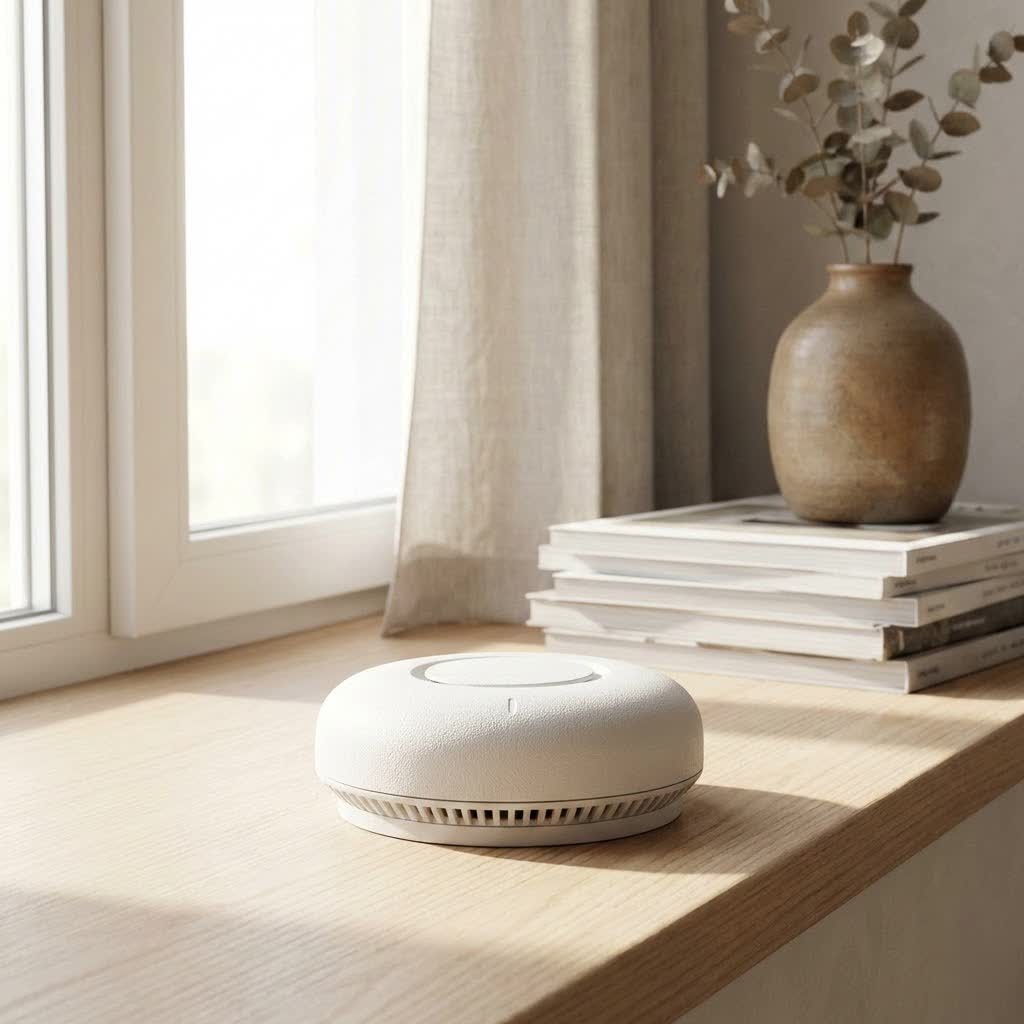
In an era where every aspect of our homes is becoming smarter, shouldn’t our fire safety keep pace? Traditional smoke detectors provide crucial alerts, but Z-Wave smoke detectors elevate this essential protection to the next level, integrating seamlessly into your smart home ecosystem. They offer not just local alarms but also remote notifications and automation possibilities, ensuring you’re always connected to your home’s safety, no matter where you are. This guide will walk you through everything you need to know about Z-Wave smoke detectors, helping you make an informed decision for ultimate peace of mind.
What is a Z-Wave Smoke Detector? Why is it Essential?
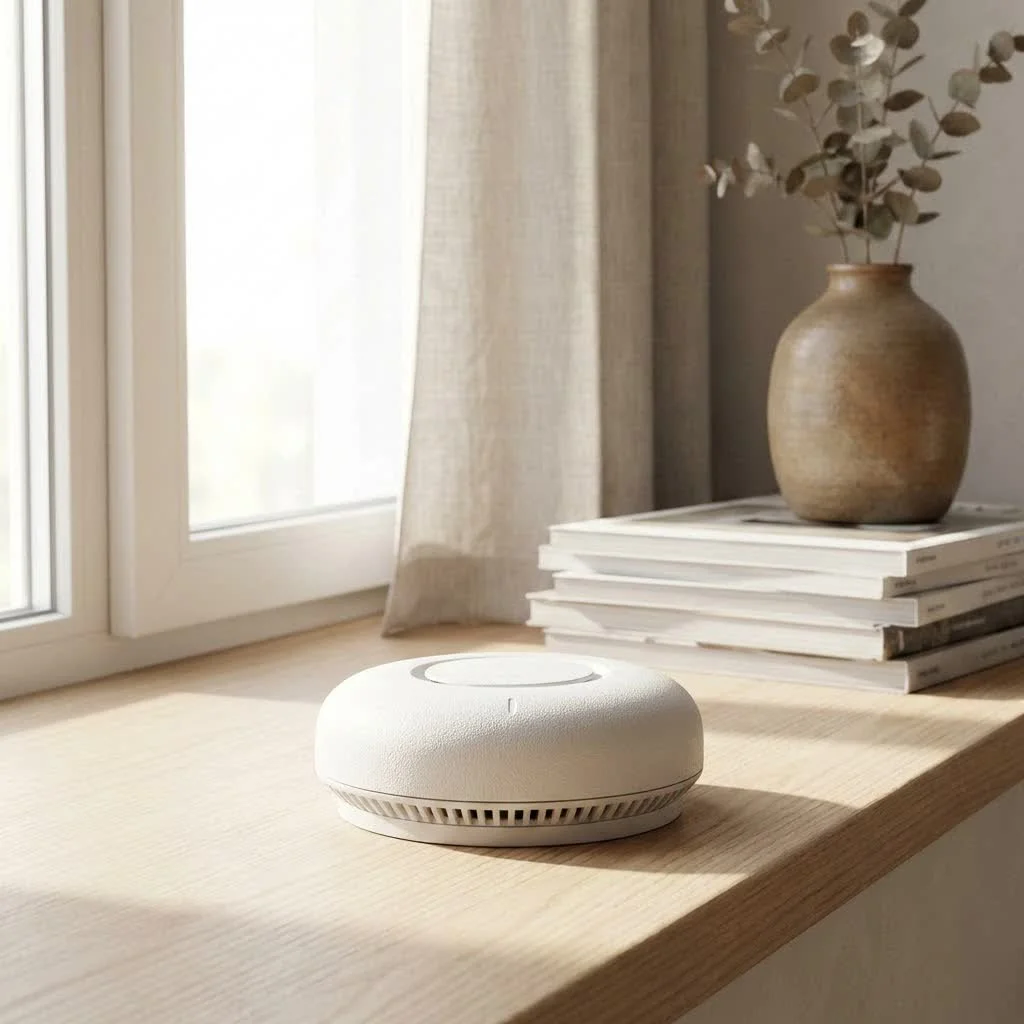
A Z-Wave smoke detector is a cutting-edge wireless device that utilizes Z-Wave technology to communicate with your smart home system. Unlike standalone smoke alarms that operate independently, Z-Wave detectors connect to a central hub, allowing for integrated monitoring and control. When smoke is detected, the device triggers its alarm and simultaneously sends a signal to your Z-Wave hub. This hub then relays notifications directly to your smartphone or other connected devices, even when you’re away from home.
The principle is straightforward: advanced sensors detect smoke particles, and upon detection, an alarm sounds locally. Crucially, the Z-Wave protocol enables this alert to travel wirelessly to your smart home hub. From there, you receive instant alerts on your mobile device, allowing for swift action. Furthermore, a Z-Wave system can be programmed to initiate other safety protocols, such as turning on lights or unlocking doors, to aid in safe evacuation. This interconnected capability significantly enhances early warning systems, which are vital given that early detection dramatically increases the chances of escaping a fire safely and minimizing property damage.
The underlying detection technology in Z-Wave smoke detectors can vary, but many modern units, especially those combining smoke and carbon monoxide detection, predominantly feature photoelectric sensors. These are particularly effective at identifying slow, smoldering fires that produce large smoke particles, which are common in residential settings.
Types of Smoke Detectors: Understanding Z-Wave Integration
While Z-Wave refers to the communication protocol, the actual smoke sensing mechanism still falls into traditional categories. The integration of these sensors with Z-Wave technology brings “smart” capabilities to proven detection methods.
Photoelectric Z-Wave Smoke Detectors
Photoelectric smoke detectors work by using a chamber with a light source and a light sensor. When smoke enters the chamber, it scatters the light, directing it towards the sensor and triggering the alarm.
- Pros: They are generally more sensitive to large smoke particles produced by smoldering fires, which can burn for hours before erupting into flames. This makes them ideal for detecting fires involving upholstered furniture, mattresses, or electrical wiring. When integrated with Z-Wave, they provide immediate alerts to your smart home hub.
- Cons: Photoelectric sensors can be more susceptible to nuisance alarms from steam or cooking fumes if placed too close to kitchens or bathrooms. This sensitivity, however, is often managed by advanced algorithms in smart detectors.
Ionization Z-Wave Smoke Detectors
|
Our Picks for the Best Smoke Detector in 2026
As an Amazon Associate I earn from qualifying purchases.
|
||
| Num | Product | Action |
|---|---|---|
| 1 | 3 Pack 10 Year Battery Operated Smoke and Carbon Monoxide Detector, Portable Fire Co Alarm for Home and Kitchen (White) |

|
| 2 | 4-in-1 Gas & Carbon Monoxide Detector, Plug-in & Battery Powered – Multi-Gas Protection, Accurate CO, Temperature & Humidity Monitoring, LCD Display, Adjustable Brightness, Sensitive Alarm |
|
| 3 | 6 in 1 Plug in Smoke and Carbon Monoxide Detector Combo, Portable Smoke, Gas & CO Detector with Battery Operated, Temp, Humidity - Smoke Alarm Carbon Monoxide Natural Gas Leak Detector for Home, RV |
|
| 4 | Kidde Hardwired Smoke & Carbon Monoxide Detector, AA Battery Backup Smoke Alarm, Interconnectable, LED Warning Light Indicators, 2 Pack |
|
| 5 | Kidde Smoke Detector, 10-Year Battery Powered, LED Warning Light Indicators |
|
| 6 | First Alert SMI100, Battery-Operated Smoke Alarm, 2-Pack |
|
| 7 | First Alert SMI100, Battery-Operated Smoke Alarm, 3-Pack |
|
| 8 | Smoke Alarm Fire Detector,Battery Operated Photoelectric Smoke Detector with Test Button and Low Battery Warning, Fire Alarms Smoke Detectors for Home, 6 Pack |
|
| 9 | Kidde Hardwired Smoke Detector, AA Battery Backup, Interconnectable, LED Warning Light Indicators, 4 Pack |
|
| 10 | First Alert SMI100-AC, Hardwire Interconnect Smoke Alarm with Battery Backup, 6-Pack |
|
Ionization smoke detectors contain a small amount of radioactive material that ionizes the air between two electrically charged plates, creating a current. Smoke entering the chamber disrupts this current, triggering the alarm.
- Pros: They are typically more responsive to small, fast-moving smoke particles produced by flaming fires.
- Cons: These detectors contain a minute amount of radioactive material, raising environmental concerns for some, though the levels are extremely low and regulated. They are also less effective at detecting smoldering fires compared to photoelectric models. While Z-Wave ionization detectors exist, they are less prevalent in integrated smart home solutions, especially combined with CO detection, which often favor photoelectric technology for smoke.
Combination Z-Wave Smoke & CO Detectors
These devices combine both smoke and carbon monoxide detection into a single unit, frequently employing a photoelectric sensor for smoke and an electrochemical sensor for CO.
- Pros: Offers comprehensive protection against two deadly household threats in one device, reducing the number of alarms needed. Many popular Z-Wave models are combination units, simplifying installation and management within a smart home system. They also often feature a 10-year sealed battery, eliminating the need for frequent battery changes.
- Cons: While convenient, a single point of failure could compromise both smoke and CO detection. They also tend to have a higher upfront cost than single-function detectors.
Detailed Comparison Table of Z-Wave Smoke Detectors
To help you compare the distinct features of Z-Wave smoke detectors, here’s a detailed breakdown of key criteria:
| Feature | Photoelectric Z-Wave | Ionization Z-Wave | Combination Z-Wave (Photoelectric/CO) |
|---|---|---|---|
| Primary Detection | Smoldering fires | Flaming fires | Smoldering fires & Carbon Monoxide |
| Sensor Type | Photoelectric | Ionization | Photoelectric (smoke) + Electrochemical (CO) |
| Z-Wave Version | Z-Wave, Z-Wave Plus (common) | Z-Wave, Z-Wave Plus | Z-Wave Plus (most common for advanced features) |
| Battery Life | Typically 1-5 years (replaceable) or 10-year sealed | Typically 1-5 years (replaceable) | Often 10-year sealed battery |
| Smart Home Compatibility | Requires Z-Wave hub (Ring, SmartThings, etc.) | Requires Z-Wave hub | Requires Z-Wave hub |
| Certifications | UL 217, EN 14604 | UL 217, EN 14604 | UL 217, UL 2034, EN 14604 |
| Typical Price Range | Moderate | Moderate | Higher |
| Nuisance Alarms | Potentially from cooking/steam | Less common from cooking/steam | Potentially from cooking/steam |
| Remote Notifications | Yes, via Z-Wave hub | Yes, via Z-Wave hub | Yes, via Z-Wave hub |
| Interconnection | Via Z-Wave hub (software dependent) | Via Z-Wave hub (software dependent) | Via Z-Wave hub (software dependent) |
How to Choose the Right Z-Wave Smoke Detector (Buying Guide)
Selecting the ideal Z-Wave smoke detector involves considering your specific needs, existing smart home setup, and local safety regulations.
Assess Your Needs
Before diving into product specifications, take stock of your living space and current smart home infrastructure:
- Space Area: Determine the size and layout of your home. You’ll need detectors on every level, inside each bedroom, and outside sleeping areas.
- Home Environment: Consider areas prone to nuisance alarms, like kitchens or bathrooms, and choose appropriate sensor types or placement.
- Existing Smart Home Ecosystem: The most crucial factor is compatibility with your current Z-Wave hub (e.g., SmartThings, Ring Alarm). Not all Z-Wave devices work perfectly with every hub, so always check for certified compatibility.
- Budget: Z-Wave detectors typically cost more than conventional ones, especially combination units or those with 10-year batteries.
Key Selection Criteria
Once you’ve assessed your needs, focus on these essential features:
- Quality Certifications: Always prioritize detectors with recognized safety certifications such as UL 217 (for smoke alarms) and UL 2034 (for carbon monoxide alarms) in North America, or EN 14604 in Europe. These certifications ensure the product meets stringent safety and performance standards.
- Battery Life and Warnings: Many modern Z-Wave smoke detectors come with a 10-year sealed battery, eliminating the hassle of frequent battery replacements and reducing the chance of annoying low-battery chirps in the middle of the night. Look for alarms that provide clear end-of-life warnings.
- Smart Home Connectivity and Features:
- Remote Notifications: Ensure the detector sends instant alerts to your smartphone via your smart home hub when an alarm is triggered or batteries are low.
- Integration with Other Devices: Can it trigger other smart home actions, like turning on lights, unlocking doors, or adjusting thermostats, in an emergency?
- Z-Wave Plus Certification: Z-Wave Plus (500 series chip or newer) offers improved range, longer battery life, and faster communication compared to older Z-Wave versions.
- Ease of Installation and Maintenance: Look for models that are easy to physically install and straightforward to pair with your Z-Wave hub. A test/silence button on the unit is also a practical feature.
Top Z-Wave Smoke Detectors Today
While the market offers several options, the First Alert Z-Wave Plus Smart Smoke & Carbon Monoxide Alarm (models like SMCO410 or the older ZCOMBO-G) is a prominent and highly-regarded choice.
- First Alert Z-Wave Plus Smart Smoke & CO Alarm: These are combination units featuring photoelectric smoke detection and electrochemical CO sensing. They are Z-Wave Plus certified, often include a 10-year sealed battery, and are known for their compatibility with popular hubs like Ring Alarm and SmartThings. Users appreciate the reliable detection and the convenience of mobile notifications. The main drawback might be its relatively higher cost compared to basic alarms.
Optimal Placement for Z-Wave Smoke Detectors
Proper placement is crucial for the effective operation of any smoke detector, including Z-Wave models. Following these guidelines ensures maximum protection:
- General Principles:
- Every Level: Install at least one smoke detector on every level of your home, including finished attics and basements.
- Sleeping Areas: Place one inside every bedroom and in the hallway or area immediately outside sleeping areas. If a hallway is long, install a unit at each end.
- Stairways: Install at the top of the first-to-second floor stairway and at the bottom of the basement stairway.
- Avoid Dead Air Spaces: Do not install detectors in “dead air” spaces where smoke might not reach. This typically means keeping them at least 4 inches (10 cm) from the wall/ceiling line if mounted on a wall, or as close to the center of the ceiling as possible.
- Temperature and Humidity: Ensure temperatures normally remain between 40˚F (4.4˚C) and 100˚F (37.8˚C). Avoid areas of high humidity, like bathrooms, where steam can cause nuisance alarms.
- Avoid Obstructions: Make sure no door or other obstruction could keep smoke from reaching the smoke alarm.
- Specific Locations to Avoid:
- Near Kitchens/Cooking Appliances: Unless it’s a model specifically designed for kitchen environments (and even then, careful placement is key), avoid placing standard smoke detectors too close to cooking appliances to prevent nuisance alarms.
- Near Heating Vents, Fans, or Doors: Air currents can prevent smoke from reaching the detector.
- Garages or Unheated Spaces: Extreme temperature fluctuations can affect performance and battery life.
- In Direct Sunlight or Near Bright Lights: Can interfere with photoelectric sensors.
“Strategically placing your smoke detectors is just as important as choosing the right technology. A smart detector in the wrong place is still a safety risk.”
Installing and Maintaining Your Z-Wave Smoke Detector
Installing and maintaining a Z-Wave smoke detector is straightforward, especially with modern designs.
Step-by-Step Installation
- Physical Mounting:
- Twist the mounting bracket counter-clockwise to separate it from the alarm unit.
- Hold the bracket against your chosen ceiling or wall location and mark the screw holes.
- Drill pilot holes, insert plastic anchors (if needed), and secure the mounting bracket with screws.
- Insert Batteries: If not already sealed, insert the recommended batteries, ensuring correct polarity. You may hear a beep indicating it’s powered on.
- Attach Alarm: Line up the guides on the alarm’s base with those on the mounting bracket and twist clockwise until it snaps securely into place.
- Pair with Z-Wave Hub:
- Put your Z-Wave smart home hub into “inclusion” or “add device” mode.
- For many Z-Wave Plus devices, simply scanning a QR code on the detector with your hub’s app will initiate pairing (SmartStart).
- Alternatively, you may need to press and hold a button on the detector for a few seconds (typically 1-3 seconds for unsecure inclusion, or 3-5 seconds for secure inclusion) until an LED indicates pairing mode.
- Follow your hub’s specific instructions to complete the pairing process.
Routine Maintenance
- Test Weekly: Press and hold the Test/Silence button on the detector until the alarm sounds. This confirms the battery and alarm are functioning.
- Clean Monthly: Gently vacuum the outside of the alarm or use compressed air to remove dust and cobwebs from the vents. Dust can interfere with sensor performance.
- Replace Batteries (if applicable): If your detector uses replaceable batteries, change them immediately when the low battery warning chirps. For 10-year sealed units, replace the entire detector when it signals its end-of-life (usually by a series of chirps).
- Replace Unit: Smoke detectors have a lifespan, typically 7-10 years from the manufacturing date. Replace the entire unit at its indicated end-of-life, regardless of battery status.
Handling False Alarms
Most Z-Wave smoke detectors include a test/silence button that can temporarily hush nuisance alarms, such as those caused by cooking. Pressing this button typically silences the alarm for several minutes, allowing you to clear the air. If false alarms are frequent, reassess the detector’s placement.
Safety Standards and Certifications for Smoke Detectors
When choosing any smoke detector, understanding safety standards and certifications is paramount. These certifications ensure that the devices have been rigorously tested and meet established safety performance criteria.
- UL 217 (Standard for Smoke Alarms): This is the primary standard in the United States for single and multiple station smoke alarms. Compliance with UL 217 means the smoke detection component has been tested for sensitivity, reliability, and alarm characteristics.
- UL 2034 (Standard for Single and Multiple Station Carbon Monoxide Alarms): For combination smoke and carbon monoxide detectors, UL 2034 certification specifically addresses the performance requirements for the carbon monoxide sensing component.
- EN 14604 (Smoke alarm devices): This is the European standard for smoke alarms, covering similar performance and safety aspects.
These certifications provide a layer of trust, verifying that a product is designed to perform effectively in an emergency. It’s important to remember that while Z-Wave connectivity enhances notifications and integration, the core life safety function relies on these underlying sensor certifications. Furthermore, check local building codes, as some jurisdictions may require specific types of detectors (e.g., hardwired, interconnected systems) for primary life safety, with Z-Wave systems serving as an invaluable supplementary notification layer.
Conclusion
Z-Wave smoke detectors represent a significant leap forward in home fire safety, transforming traditional alarms into intelligent, connected devices. By integrating seamlessly with your smart home hub, they offer real-time alerts, remote monitoring, and the potential for automated safety responses, providing a critical advantage in emergency situations. With options like the First Alert Z-Wave Plus combination units, you can achieve comprehensive protection against both smoke and carbon monoxide.
Choosing the right Z-Wave smoke detector involves understanding sensor types, prioritizing certified products, and ensuring compatibility with your smart home ecosystem. Coupled with proper placement and routine maintenance, these smart alarms provide an unparalleled level of vigilance for your home and family. Don’t compromise on safety; upgrade to a Z-Wave smoke detector today and embrace a smarter, more secure home. What steps will you take to enhance your home’s fire safety in the smart era?
Frequently Asked Questions
How do Z-Wave smoke detectors get power?
Most Z-Wave smoke detectors are battery-operated, offering flexibility in placement without requiring electrical wiring. Many modern units come with a 10-year sealed battery for maintenance-free operation over their lifespan. Some may also have options for AC power with battery backup, but battery-only units are very common for ease of installation.
Can Z-Wave smoke detectors interconnect with each other?
Yes, Z-Wave smoke detectors can achieve interconnection through your central Z-Wave smart home hub. When one detector senses smoke, it sends an alert to the hub, which can then trigger all other connected Z-Wave detectors to sound, providing a synchronized alarm system throughout your home. This capability depends on your hub’s programming.
Do Z-Wave smoke detectors work without a smart home hub?
No, a Z-Wave smoke detector requires a compatible Z-Wave smart home hub to function as a “smart” device, sending notifications to your phone and integrating with other smart home components. Without a hub, it will typically operate only as a standalone local alarm, losing all its smart features and remote capabilities.
Are Z-Wave smoke detectors reliable for life safety?
Z-Wave smoke detectors are highly reliable for detecting smoke and providing alerts. However, it’s crucial to understand that Z-Wave systems are generally considered supplemental notification systems. Always check local building codes, as some areas may require hardwired, interconnected smoke alarms as primary life safety devices, with Z-Wave systems providing enhanced awareness.
How often should I test my Z-Wave smoke detector?
You should test your Z-Wave smoke detector at least once a week by pressing the test/silence button on the unit. This routine check ensures that the alarm’s horn and internal circuitry are functioning correctly. Additionally, regularly check the battery status via your smart home app if the detector provides that feature.
Get our weekly buyer guide
Practical specs, not advice. Unsubscribe anytime.
