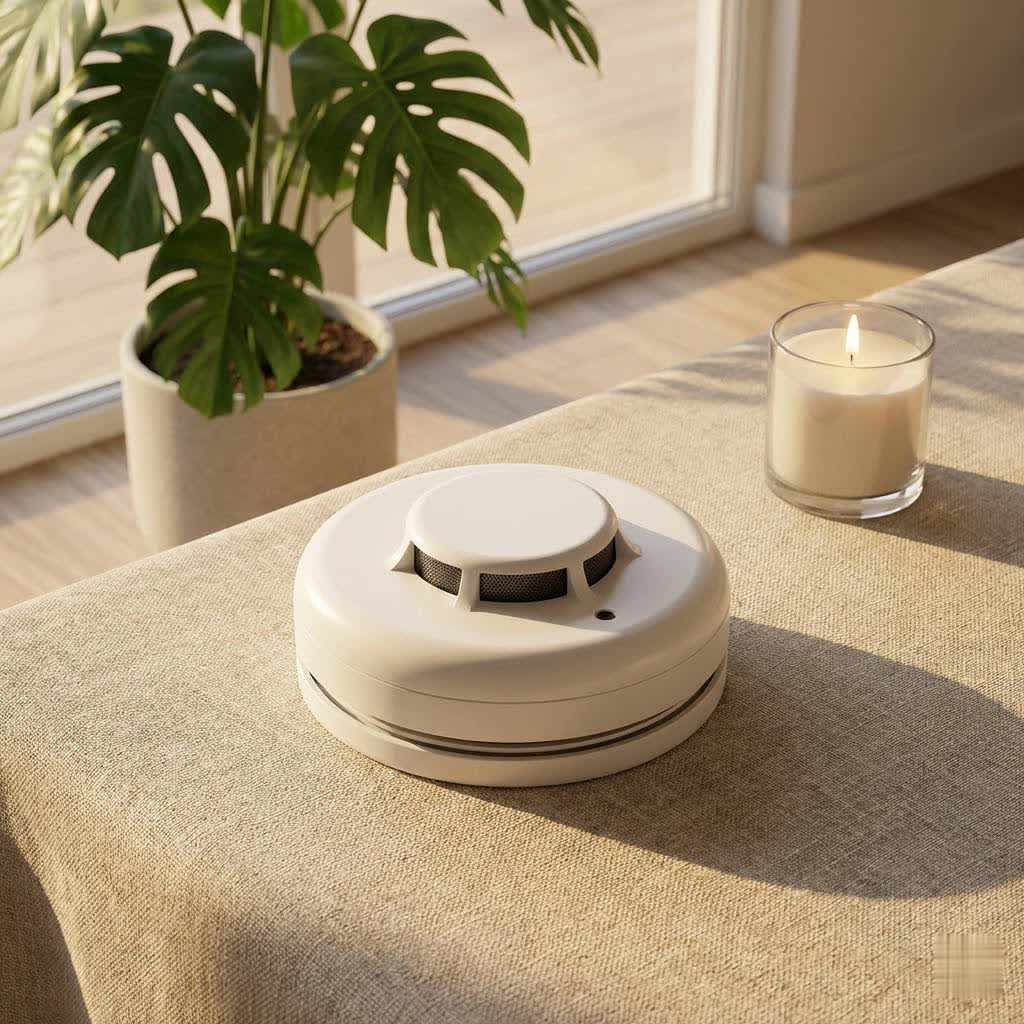
Navigating home safety can feel overwhelming, especially with the array of devices designed to protect us. Many often wonder about “CO2 smoke detectors,” a term that typically points to a common and crucial device: the combination smoke and carbon monoxide (CO) alarm. This comprehensive guide will clarify common misconceptions and delve into why these dual-purpose alarms are indispensable for truly safeguarding your home and loved ones against unseen dangers.
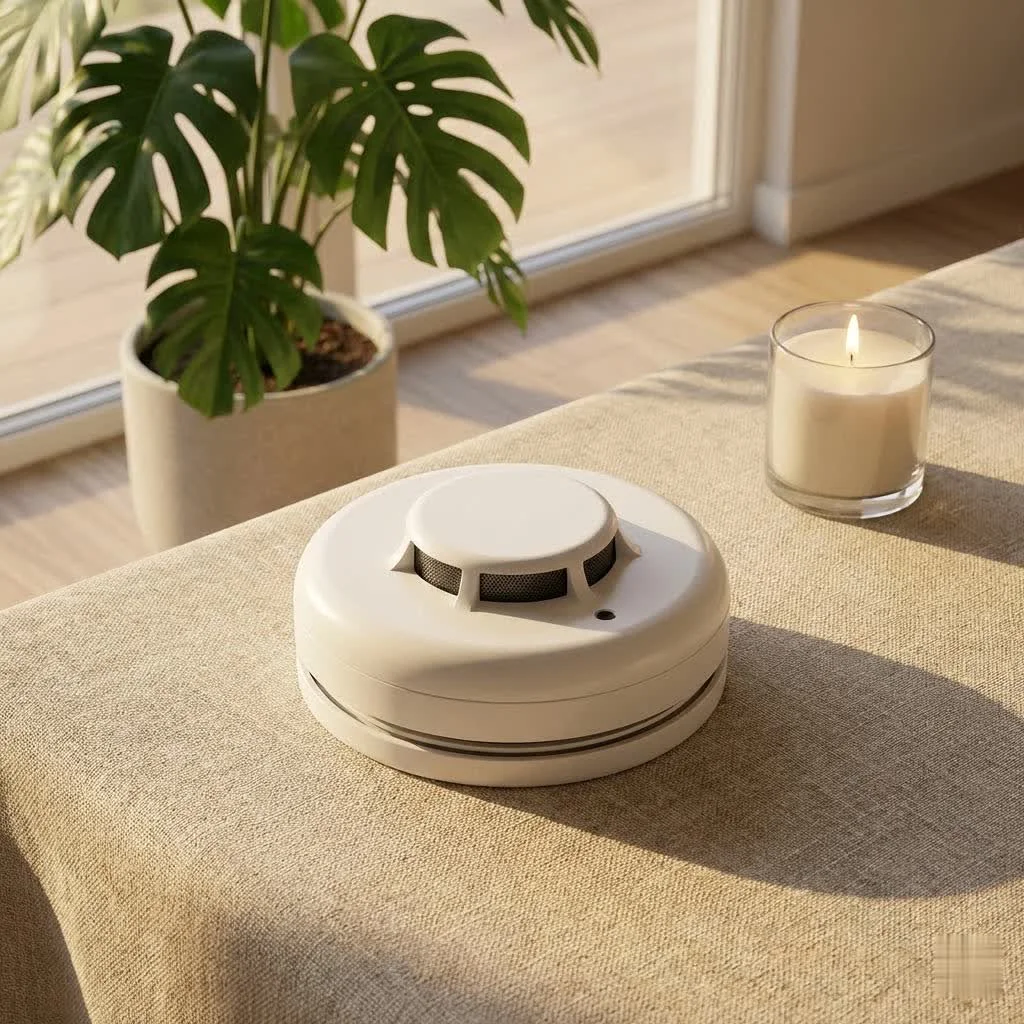
Understanding Fire Safety Essentials: Smoke, Carbon Monoxide, and Carbon Dioxide
For effective home safety, it’s vital to differentiate between the threats of smoke, carbon monoxide (CO), and carbon dioxide (CO2). Each poses a unique risk and requires specific detection methods.
Smoke is a collection of airborne solid and liquid particulates and gases emitted when a material undergoes combustion or pyrolysis. Smoke detectors are designed to sense these particles, providing an early warning for various types of fires, from fast-flaming blazes to slow, smoldering ones.
Carbon Monoxide (CO), often dubbed the “silent killer,” is a colorless, odorless, and tasteless gas produced by the incomplete combustion of carbon-based fuels. Sources include malfunctioning furnaces, gas stoves, water heaters, fireplaces, and car exhaust from attached garages. CO poisoning can lead to severe health issues or even death, as it replaces oxygen in the bloodstream. CO detectors are specifically engineered to monitor and alert occupants to dangerous levels of this toxic gas.
Carbon Dioxide (CO2) is a natural component of Earth’s atmosphere and a byproduct of normal human respiration and complete combustion. While high concentrations can be harmful, CO2 detectors are primarily used in commercial or industrial settings to monitor indoor air quality or specific processes, not typically as consumer home safety devices in the same vein as smoke or CO alarms. Therefore, when people search for “CO2 smoke detectors,” they are generally referring to devices that protect against carbon monoxide and smoke.
What Are Combination Smoke and Carbon Monoxide Alarms?
Combination smoke and carbon monoxide alarms are ingenious 2-in-1 devices engineered to detect both fire-related smoke particles and dangerous levels of carbon monoxide gas within a single unit. These alarms provide a convenient and comprehensive solution for home safety, often saving valuable wall or ceiling space compared to installing two separate detectors. They operate using distinct sensors for each threat, ensuring that you receive specific alerts for either smoke or CO, or both if conditions warrant.
The primary benefit of these dual-function alarms is their ability to offer all-in-one home safety. They provide timely alerts, reducing risks from both visible fires and invisible, odorless carbon monoxide leaks. This integrated approach simplifies installation and maintenance while maximizing protection.
Types of Smoke Detection Technology in Combination Alarms
Combination alarms typically incorporate one or both of the main types of smoke detection technology, alongside an electrochemical sensor for carbon monoxide. Understanding these technologies helps you choose the most effective protection for your home.
Photoelectric Smoke Sensing
|
Our Picks for the Best Smoke Detector in 2026
As an Amazon Associate I earn from qualifying purchases.
|
||
| Num | Product | Action |
|---|---|---|
| 1 | First Alert SMI100-AC, Hardwire Interconnect Smoke Alarm with Battery Backup, 6-Pack |

|
| 2 | 6 in 1 Plug in Smoke and Carbon Monoxide Detector Combo, Portable Smoke, Gas & CO Detector with Battery Operated, Temp, Humidity - Smoke Alarm Carbon Monoxide Natural Gas Leak Detector for Home, RV |
|
| 3 | 3 Pack 10 Year Battery Operated Smoke and Carbon Monoxide Detector, Portable Fire Co Alarm for Home and Kitchen (White) |
|
| 4 | Kidde Smoke Detector, 10-Year Battery Powered, LED Warning Light Indicators |
|
| 5 | Kidde Hardwired Smoke & Carbon Monoxide Detector, AA Battery Backup Smoke Alarm, Interconnectable, LED Warning Light Indicators, 2 Pack |
|
| 6 | First Alert SMI100, Battery-Operated Smoke Alarm, 3-Pack |
|
| 7 | Smoke Alarm Fire Detector,Battery Operated Photoelectric Smoke Detector with Test Button and Low Battery Warning, Fire Alarms Smoke Detectors for Home, 6 Pack |
|
| 8 | Kidde Hardwired Smoke Detector, AA Battery Backup, Interconnectable, LED Warning Light Indicators, 4 Pack |
|
| 9 | 4-in-1 Gas & Carbon Monoxide Detector, Plug-in & Battery Powered – Multi-Gas Protection, Accurate CO, Temperature & Humidity Monitoring, LCD Display, Adjustable Brightness, Sensitive Alarm |
|
| 10 | First Alert SMI100, Battery-Operated Smoke Alarm, 2-Pack |
|
Photoelectric smoke detectors are particularly effective at detecting slow, smoldering fires, such as those caused by a cigarette burning in furniture or electrical wiring issues. These fires often produce a significant amount of smoke before bursting into flames. The photoelectric sensor works by emitting a light beam into a chamber. When smoke particles enter this chamber, they scatter the light, directing it towards a photosensitive cell, which then triggers the alarm.
- Advantages: Excellent at detecting smoldering fires; less prone to nuisance alarms from cooking smoke or steam than ionization alarms.
- Disadvantages: May react slower to fast-flaming fires with less visible smoke.
Ionization Smoke Sensing
Ionization smoke detectors are generally more responsive to fast-flaming fires that produce small, invisible smoke particles. These fires can spread rapidly. An ionization sensor contains a small amount of radioactive material that ionizes the air between two electrically charged plates, creating a small, constant electric current. When smoke particles enter the chamber, they disrupt this current, causing the alarm to sound.
- Advantages: Quicker response to fast-flaming fires.
- Disadvantages: More susceptible to false alarms from cooking fumes or steam; less effective at detecting smoldering fires.
Dual-Sensor Smoke Technology
Some advanced combination alarms feature dual-sensor smoke technology, meaning they include both photoelectric and ionization sensors within the smoke detection component. This provides a more comprehensive approach to smoke detection, offering the benefits of both technologies to respond effectively to a wider range of fire types. This dual-sensor capability for smoke is then paired with a separate carbon monoxide sensor to create a truly multi-threat alarm.
Most modern combination smoke and CO alarms are designed with precise sensors to ensure consistent accuracy and fast detection, offering reliable performance across various home environments.
Why You Need Both Smoke and Carbon Monoxide Detection
While both smoke detectors and carbon monoxide detectors are critical for home safety, they serve distinct purposes and are not interchangeable. A smoke alarm will alert you to a fire, allowing precious time for evacuation. However, it will not detect the presence of carbon monoxide. Conversely, a CO detector will warn you of dangerous CO levels, but it cannot detect smoke from a fire.
Consider scenarios where one threat might exist without the other:
- A smoldering electrical fire creates smoke but might not immediately produce significant CO.
- A faulty furnace could leak CO gas without any visible smoke or flames.
The National Fire Protection Association (NFPA) emphasizes that having both alarm technologies in your home offers the best protection, as it’s impossible to predict which type of hazard might occur. Sadly, fire departments in the U.S. responded to an average of 336,500 home structure fires per year between 2017-2021. Furthermore, unintentional carbon monoxide poisoning accounts for thousands of emergency room visits and hundreds of deaths annually. Combination alarms bridge this gap, providing comprehensive protection against both fire and CO threats, often with distinct audible or voice alerts to clarify the specific danger detected.
Choosing the Right Combination Smoke & Carbon Monoxide Alarm
Selecting the appropriate combination alarm involves evaluating several factors to ensure optimal safety and convenience for your household.
Key Features to Look For
- Sensor Types: Prioritize units that clearly state their smoke detection technology (photoelectric, ionization, or dual-sensor for smoke) and confirm the presence of an electrochemical sensor for carbon monoxide. Dual-sensor smoke technology within the unit offers broader fire detection.
- Power Source:
- Battery-operated: Offers flexible placement; ideal for homes without existing hardwiring. Look for models with 10-year sealed batteries to avoid annual replacements and low-battery chirps.
- Hardwired with Battery Backup: Connects to your home’s electrical system for continuous power, with a battery backup to ensure operation during power outages. Often required by building codes in new construction or major renovations.
- Interconnectivity: Whether wired or wireless, interconnected alarms ensure that when one alarm detects a threat, all compatible alarms in your home sound simultaneously. This enhances whole-home detection, especially in larger homes or multi-story layouts.
- Smart Features: Wi-Fi or Bluetooth enabled models can connect to smartphone apps, providing remote alerts, battery status updates, and even allowing you to silence nuisance alarms from your phone. Voice alerts are also highly beneficial, as they can specify the type of danger (e.g., “Fire!” or “Carbon Monoxide!”) and even the location (e.g., “Smoke in the kitchen!”).
- Certifications: Always look for certifications from recognized testing laboratories like Underwriters Laboratories (UL), specifically UL 217 for smoke alarms and UL 2034 for carbon monoxide alarms. These certifications ensure the product meets stringent safety standards.
- End-of-Life Indicators: Many combination alarms include a built-in end-of-life indicator, which signals when the unit needs to be replaced (typically every 7-10 years) for continued reliability.
Assessing Your Home’s Needs
- Home Size and Layout: Larger homes or those with multiple levels benefit significantly from interconnected systems, ensuring that alarms throughout the house are heard regardless of where the incident originates.
- Presence of Fuel-Burning Appliances: If your home has gas-powered furnaces, water heaters, stoves, fireplaces, or an attached garage, CO detection is non-negotiable.
- Budget: While prices can range from around $35 to over $1000 for high-end smart systems, consider the long-term investment in safety. More expensive units often offer advanced features and longer battery life.
“Investing in combination alarms is not just about meeting codes; it’s about making an informed decision for unparalleled safety. The peace of mind that comes from knowing you’re protected against both smoke and carbon monoxide is truly invaluable.” – John Smith, Senior Fire Safety Technician, ReviewMobi.com
Optimal Placement for Combination Alarms
Strategic placement of combination smoke and carbon monoxide alarms is crucial for their effectiveness. While they offer dual protection, the ideal placement for detecting smoke and CO can differ slightly, so a balanced approach is recommended.
General Rules:
- Every Level: Install at least one combination alarm on every level of your home, including the basement.
- Sleeping Areas: Place an alarm inside each bedroom and in the hallway or area immediately outside of all sleeping areas. This ensures residents are alerted quickly, especially during the night.
Specific Locations:
- Near Fuel-Burning Appliances: For CO detection, place alarms near appliances that burn fuel (e.g., furnaces, water heaters, gas stoves, fireplaces). However, avoid placing them too close to prevent nuisance alarms from normal combustion byproducts.
- Away from Kitchens and Bathrooms: Smoke alarms, especially ionization types, can be triggered by cooking fumes or steam from showers. Place alarms at least 10-20 feet away from cooking appliances and at least 3 feet away from bathrooms with showers. Photoelectric sensors generally offer better resistance to nuisance alarms in these areas.
- Ceiling vs. Wall: Smoke rises, so smoke sensors are most effective when mounted high on a wall (within 12 inches of the ceiling) or on the ceiling itself. Carbon monoxide mixes evenly with air, so CO sensors are effective on walls at any height or on the ceiling. For combination units, ceiling placement is often preferred for overall coverage, ensuring smoke detection is optimized while still providing adequate CO sensing.
- Avoid Drafts: Do not install alarms near windows, doors, or air ducts, as drafts can prevent smoke or CO from reaching the sensor.
Installation and Maintenance: Keeping Your Alarms Ready
Even the best combination alarm is useless if not properly installed and maintained. Regular attention ensures your devices are always prepared to protect.
Installation Steps:
- Read the Manual: Always follow the manufacturer’s specific instructions for your model.
- Choose Location: Identify optimal locations based on the guidelines above.
- Mounting: Use the provided mounting bracket. Secure it to the ceiling or wall with screws.
- Connect Power: For hardwired units, connect the alarm to your home’s electrical wiring (consult an electrician if unsure). Insert batteries for battery-operated units or activate the 10-year sealed battery.
- Test: Press and hold the test button until the alarm sounds. For combination units, it should cycle through both smoke and CO alarm sounds. If interconnected, all alarms should sound.
Regular Maintenance:
- Monthly Testing: Press the test button on each alarm once a month to ensure the sensors and alarm mechanism are working.
- Battery Replacement: For units with replaceable batteries, change them at least once a year. A good practice is to do this when daylight saving time changes. Ten-year sealed battery units do not require battery replacement, but you should still test them monthly.
- Cleaning: Dust and debris can interfere with sensor operation. Gently vacuum the exterior vents of your alarms once or twice a year to keep them clear.
- Monitor Expiration: Combination smoke and CO alarms typically have a lifespan of 7-10 years (check the manufacturer’s date on the back of the alarm). The CO sensor generally dictates the unit’s overall lifespan, as it tends to degrade faster than smoke sensors. Replace the entire unit at its indicated end-of-life, even if it still appears to be working.
Handling Nuisance Alarms:
If your alarm frequently triggers false alarms (e.g., from cooking smoke or shower steam), try relocating it slightly further from the source of the nuisance, or ensure proper ventilation is used during cooking and showering. Avoid disabling the alarm, as this compromises your safety.
Safety Standards and Certifications for Combination Alarms
When purchasing any home safety device, understanding and verifying safety standards and certifications is paramount. These certifications guarantee that the product has undergone rigorous testing and meets specific performance and quality benchmarks set by industry experts.
For combination smoke and carbon monoxide alarms, look for certification from reputable third-party testing laboratories. In North America, the Underwriters Laboratories (UL) is the most widely recognized.
- UL 217: This standard applies to single and multiple station smoke alarms.
- UL 2034: This standard applies to single and multiple station carbon monoxide alarms.
A combination alarm should ideally carry certifications for both standards, often indicated by specific markings or text on the product packaging and the device itself. These certifications mean the alarm has been tested for its ability to detect smoke and CO accurately, its reliability, and its durability under various conditions. Choosing a certified product ensures you’re installing a device designed to provide dependable protection for your family.
Conclusion
While the term “CO2 smoke detector” might be commonly used, the critical devices for comprehensive home safety are combination smoke and carbon monoxide alarms. These 2-in-1 units offer unparalleled protection against both fire and the silent, deadly threat of carbon monoxide, effectively consolidating two essential safety functions into one. By understanding the distinct dangers of smoke and CO, choosing an alarm with appropriate sensor types and features, ensuring optimal placement, and adhering to a routine maintenance schedule, you empower your home with a robust defense system. Always look for recognized safety certifications to guarantee reliability and performance. Don’t compromise on safety; equip your home with combination smoke and carbon monoxide alarms to create a safer, more secure environment for everyone.
Are you ready to upgrade your home’s safety with a reliable combination smoke and carbon monoxide alarm?
Frequently Asked Questions
What is the difference between a smoke detector and a carbon monoxide detector?
Smoke detectors identify airborne particles from fires, while carbon monoxide (CO) detectors sense the presence of the invisible, odorless, and poisonous CO gas. They detect different threats, making both essential for comprehensive home safety.
Can a combination smoke and CO alarm detect CO2?
No, a standard combination smoke and carbon monoxide alarm does not detect carbon dioxide (CO2). It is designed to detect smoke and carbon monoxide. CO2 detectors are different devices used for specific environmental monitoring purposes, not typically for fire or CO poisoning safety in homes.
How often should combination smoke and CO alarms be replaced?
Most combination smoke and carbon monoxide alarms should be replaced every 7 to 10 years, depending on the manufacturer’s recommendations. The carbon monoxide sensor typically has a shorter lifespan than the smoke sensor, dictating the overall replacement timeline for the combined unit.
Where should I install a combination smoke and CO alarm?
Install combination alarms on every level of your home, inside each bedroom, and in the hallway outside sleeping areas. For optimal CO detection, place them near fuel-burning appliances. For smoke, ensure they are high on walls or ceilings, away from areas prone to nuisance alarms like kitchens and bathrooms.
How do I test a combination smoke and CO alarm?
Test your combination alarm monthly by pressing and holding the test button until the alarm sounds. It should typically emit different sounds for smoke and CO to indicate both functions are working. If your alarms are interconnected, all units should sound.
Are smart combination alarms worth the investment?
Smart combination alarms offer added benefits like smartphone alerts, voice notifications, and remote monitoring, which can be particularly valuable if you travel frequently or have a large home. While often more expensive, their enhanced features can provide an extra layer of peace of mind and convenience.
Get our weekly buyer guide
Practical specs, not advice. Unsubscribe anytime.
