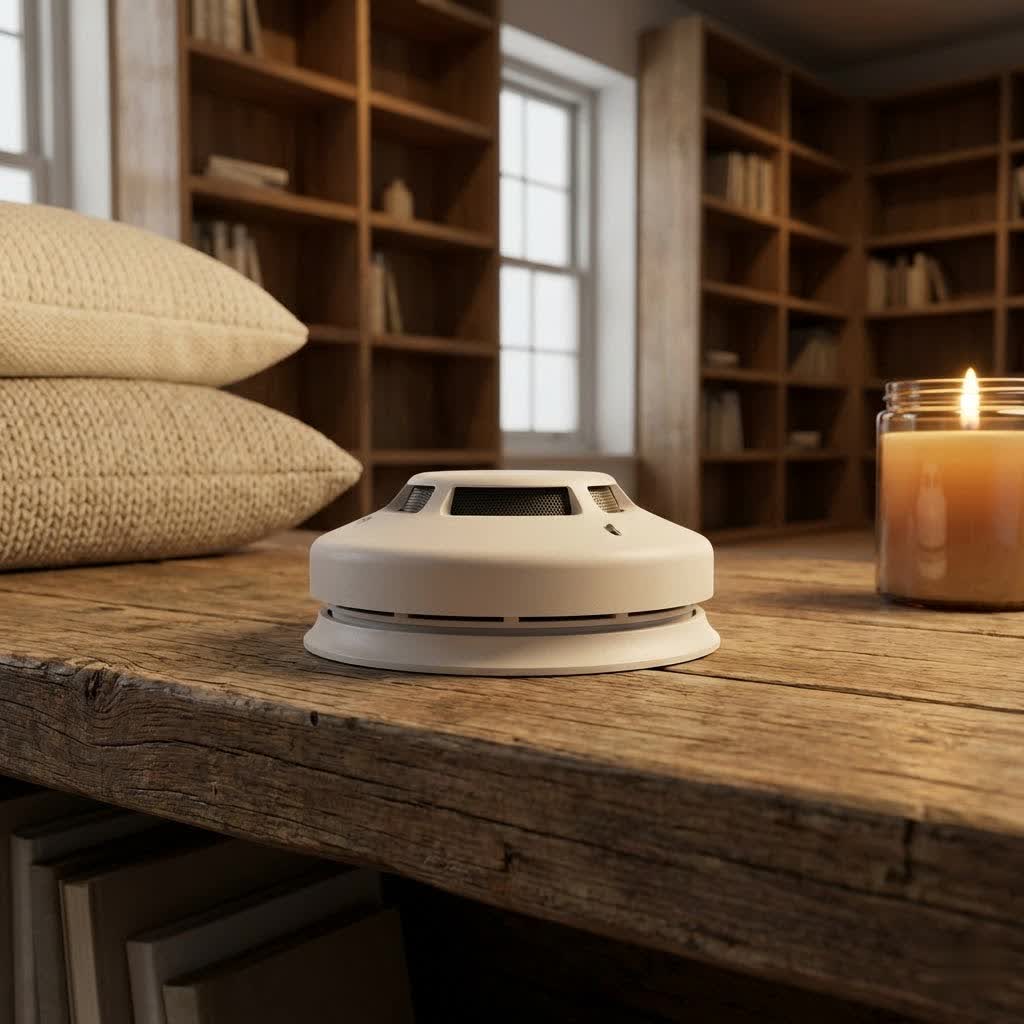
Protecting your home and loved ones from fire is a top priority, and a reliable smoke detector is your first line of defense. As a seasoned technician with over a decade in fire detection systems, I’ve seen technology evolve dramatically, and Honeywell smoke detectors consistently stand out for their innovation and dependability. Let’s delve into the world of Honeywell’s cutting-edge solutions to help you find the perfect fit for your home.
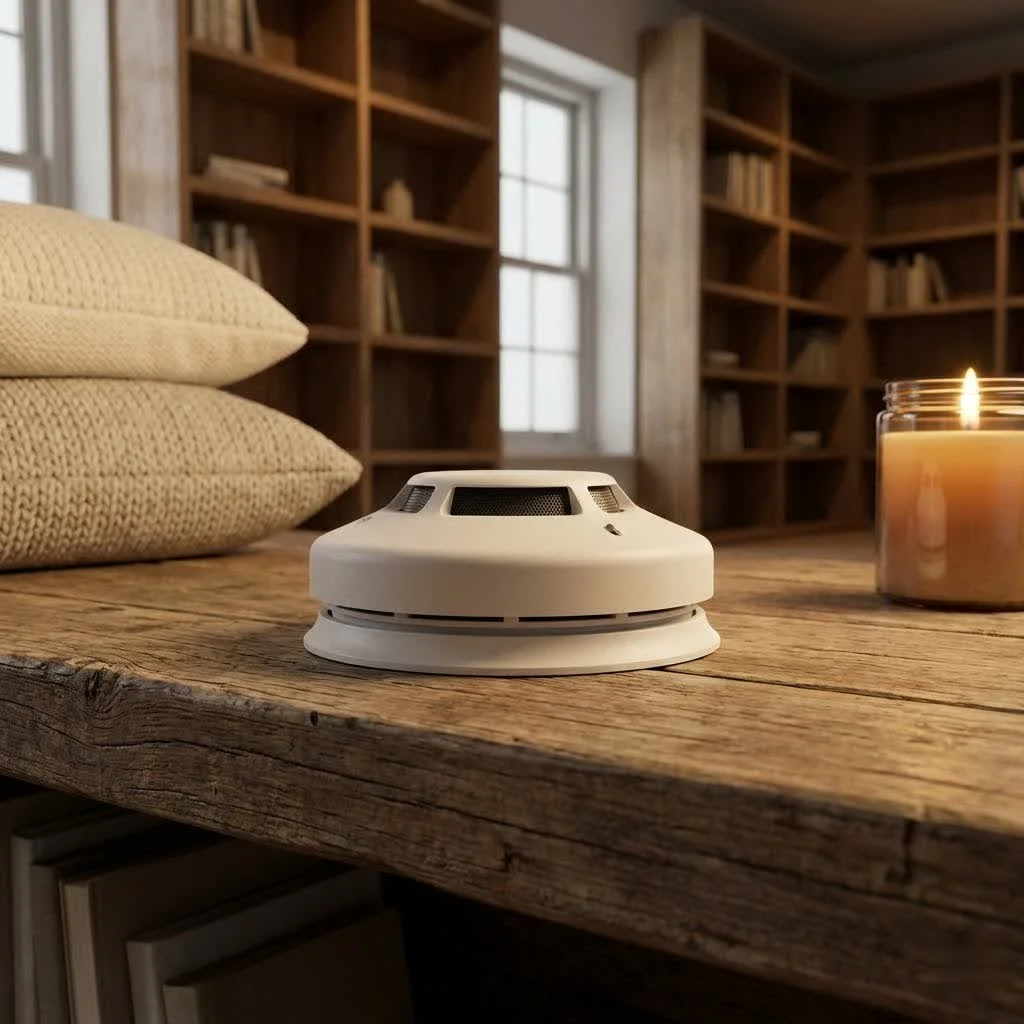
What is a Smoke Detector? Why is it essential?
A smoke detector is a crucial safety device designed to sense smoke, a key indicator of fire, and emit an audible alarm to alert occupants. Its basic principle involves detecting airborne particles produced by combustion, triggering a timely warning. The swift detection of smoke can be the difference between a minor incident and a major catastrophe, offering precious minutes for evacuation and emergency response. Tragically, fire statistics underscore this importance, as early warning systems significantly reduce fatalities and property damage. Honeywell, a leader in safety technology, integrates advanced sensing capabilities into its detectors, ensuring comprehensive protection against various fire types. For compare top home fire on this site.
Classifying Smoke Detectors: Pros and Cons
Understanding the different types of smoke detectors is crucial for selecting the right protection. Each type is designed to detect specific fire characteristics, and Honeywell offers advanced solutions across these categories, often combining technologies for superior performance.
Photoelectric Smoke Detectors
Photoelectric smoke detectors operate by using a chamber with a light source and a light sensor at an angle. When smoke enters the chamber, it scatters the light, directing it onto the sensor and triggering the alarm.
- Advantages: These detectors excel at detecting slow-smoldering fires, which often produce a lot of smoke before bursting into flames, such as those caused by electrical faults or unattended cigarettes.
- Disadvantages: They can be prone to nuisance alarms from cooking fumes, steam, or dust, making placement critical. Honeywell’s photoelectric models, like the 5800SMOKEV, are designed to minimize false alarms through intelligent sensing.
Ionization Smoke Detectors
Ionization smoke detectors contain a small amount of radioactive material that ionizes the air between two electrically charged plates, creating a current. When smoke enters the chamber, it disrupts this current, initiating the alarm.
- Advantages: They are generally more responsive to fast-flaming fires that produce tiny, invisible combustion particles quickly.
- Disadvantages: These detectors are more susceptible to false alarms from cooking smoke or steam. Due to the presence of radioactive material, albeit minute, and environmental concerns, their use has become less prevalent, with many manufacturers, including Honeywell in its newer residential lines, favoring photoelectric or multi-sensor technologies.
Combined (Multi-Sensor) Smoke Detectors
|
Our Picks for the Best Smoke Detector in 2026
As an Amazon Associate I earn from qualifying purchases.
|
||
| Num | Product | Action |
|---|---|---|
| 1 | Kidde Hardwired Smoke Detector, AA Battery Backup, Interconnectable, LED Warning Light Indicators, 4 Pack |

|
| 2 | First Alert SMI100-AC, Hardwire Interconnect Smoke Alarm with Battery Backup, 6-Pack |
|
| 3 | 3 Pack 10 Year Battery Operated Smoke and Carbon Monoxide Detector, Portable Fire Co Alarm for Home and Kitchen (White) |
|
| 4 | First Alert SMI100, Battery-Operated Smoke Alarm, 2-Pack |
|
| 5 | 4-in-1 Gas & Carbon Monoxide Detector, Plug-in & Battery Powered – Multi-Gas Protection, Accurate CO, Temperature & Humidity Monitoring, LCD Display, Adjustable Brightness, Sensitive Alarm |
|
| 6 | Kidde Smoke Detector, 10-Year Battery Powered, LED Warning Light Indicators |
|
| 7 | Kidde Hardwired Smoke & Carbon Monoxide Detector, AA Battery Backup Smoke Alarm, Interconnectable, LED Warning Light Indicators, 2 Pack |
|
| 8 | First Alert SMI100, Battery-Operated Smoke Alarm, 3-Pack |
|
| 9 | Smoke Alarm Fire Detector,Battery Operated Photoelectric Smoke Detector with Test Button and Low Battery Warning, Fire Alarms Smoke Detectors for Home, 6 Pack |
|
| 10 | 6 in 1 Plug in Smoke and Carbon Monoxide Detector Combo, Portable Smoke, Gas & CO Detector with Battery Operated, Temp, Humidity - Smoke Alarm Carbon Monoxide Natural Gas Leak Detector for Home, RV |
|
Combined, or multi-sensor, smoke detectors integrate two or more sensing technologies into a single unit, most commonly photoelectric smoke and heat detection.
- Advantages: By leveraging multiple sensors, these detectors offer enhanced reliability and a broader spectrum of fire detection. They are better at distinguishing between actual threats and nuisance alarms, reducing false positives while ensuring quick response to diverse fire types. Honeywell’s 5800SMOKEV is an excellent example, featuring photoelectric smoke, fixed temperature heat, rate-of-rise heat, and even low-temperature alerts.
- Disadvantages: Multi-sensor units typically come with a higher price tag due to their advanced technology. However, the added peace of mind and improved accuracy often justify the investment.
Detailed Comparison Table of Smoke Detector Types
Choosing the right smoke detector means weighing the pros and cons of each type against your specific needs. Here’s a comparative look at the main technologies, with considerations for how Honeywell integrates them:
| Criteria | Photoelectric Sensor | Ionization Sensor | Combined (Multi-Sensor) |
|---|---|---|---|
| Sensor Type | Optical beam and sensor | Ionization chamber with radioactive material | Photoelectric + Heat (Fixed Temp, Rate-of-Rise) |
| Primary Detection | Slow, smoldering fires (e.g., electrical, upholstered furniture) | Fast, flaming fires (e.g., paper, grease fires) | Both smoldering and flaming fires, plus heat events, and sometimes low-temperature alerts |
| Sensitivity | High for visible smoke particles | High for invisible combustion particles | Optimized for a wider range of fire types and conditions |
| Reliability | Good, but prone to cooking/steam false alarms | Good, but prone to cooking/steam false alarms | Very High; enhanced false alarm immunity with multiple criteria |
| Typical Price Range | Moderate | Low to Moderate (less common in new installs) | Higher (reflects advanced technology and features) |
| Battery Life | Varies (Honeywell wireless models often 3-5 years) | Varies | Varies (Honeywell 5800SMOKEV offers 5 years) |
| Environment Suitability | Bedrooms, living rooms, hallways | Less ideal near kitchens; decreasing general use | Ideal for most areas, including near kitchens (with proper placement and smart features) |
Guide to Choosing the Right Honeywell Smoke Detector
Selecting a smoke detector isn’t a one-size-fits-all decision. Your choice impacts your safety, and Honeywell offers a range of solutions to meet diverse needs.
Determining Your Usage Needs
Start by evaluating the specific characteristics of your space and lifestyle:
- Area Size and Layout: Larger homes or multi-story buildings may benefit from interconnected or wireless systems to ensure all alarms sound simultaneously.
- Type of Area: Different rooms have different fire risks. Kitchens, for instance, are prone to fast-flaming fires and cooking-related nuisance alarms, while bedrooms are more susceptible to smoldering fires. A Honeywell multi-sensor detector could be ideal for kitchens, while a photoelectric model might suit bedrooms well.
- Budget: While safety shouldn’t be compromised, Honeywell offers options across various price points, balancing advanced features with affordability.
Key Selection Criteria
When investing in a Honeywell smoke detector, consider these vital criteria:
- Quality Certifications: Always look for detectors certified by reputable organizations like UL (Underwriters Laboratories) in North America or EN (European Norm) in Europe. These certifications, such as UL217 for smoke detectors and UL521 for heat detectors, assure that the device meets rigorous safety and performance standards. Many Honeywell-compatible detectors carry UL217 approval.
- Battery Life and Low Battery Alert: Modern detectors often boast extended battery lives, sometimes up to 10 years, and clearly indicate when batteries are low. The Honeywell 5800SMOKEV, for example, offers a 5-year battery life with easily replaceable CR123A batteries.
- Connectivity and Remote Notifications: For integrated home security, consider Honeywell’s wireless options that connect to your alarm system, providing remote monitoring and alerts via a smartphone app. This feature is particularly valuable for homeowners who travel frequently or want enhanced peace of mind.
- Ease of Installation and Maintenance: Look for user-friendly designs that allow for straightforward installation and minimal maintenance. Features like a “maintenance sensor” on the Honeywell 5800SMOKEV can even alert you when the device needs cleaning.
Top Honeywell Smoke Detector Models
Honeywell, often through its Resideo brand, offers several highly-rated smoke detectors designed for various needs:
- Honeywell Resideo 5800SMOKEV Wireless Smoke/Heat Detector:
- Overview: This is a top-tier wireless multi-sensor detector. It combines photoelectric smoke detection with fixed-temperature heat, rate-of-rise heat, and a low-temperature alert sensor (41°F). It’s a powerhouse, offering comprehensive fire and freeze protection.
- Pros: Four sensing elements in one, 85db sounder, 5-year battery life, maintenance sensor, compatible with Honeywell/Resideo 5800 wireless systems. It’s a direct replacement for older 5808 models, ensuring seamless upgrades.
- Cons: Primarily designed for integration with specific Honeywell/Resideo alarm panels, not a standalone unit.
- Honeywell Compatible Smoke Detector (General Wireless Photoelectric/Heat):
- Overview: Many generic “Honeywell compatible” wireless smoke detectors feature photoelectric sensing and fixed heat detection. They are self-contained and offer strong RF signals.
- Pros: Good all-around performance for smoldering fires and rapid heat increases, often compatible with both Honeywell and 2GIG systems. Features 3-5 year battery life and UL217 approval.
- Cons: May lack the advanced multi-criteria sensing of premium Honeywell models.
- Honeywell Resideo 5800CMBOV Wireless Smoke/CO Combo Detector:
- Overview: While not explicitly detailed in the browsed content, search results indicate this model combines smoke and carbon monoxide (CO) detection, offering dual protection in a single device.
- Pros: Saves installation time and provides comprehensive environmental monitoring, ideal for central areas where both threats are a concern.
- Cons: Typically higher in price than single-function detectors.
“Investing in a high-quality, multi-sensor smoke detector like those offered by Honeywell provides peace of mind far beyond its cost. It’s an indispensable guardian for your home.” – Admin, reviewmobi.com
Optimal Installation Locations for Smoke Detectors
Proper placement is paramount for your smoke detector to work effectively. Incorrect positioning can lead to delayed detection or frequent false alarms.
- General Principles: Smoke rises, so install detectors on the ceiling or high on a wall (at least 10cm/4 inches from the ceiling). Keep them away from corners, as dead air spaces can form there. Ensure they are free from obstructions.
- Specific Locations:
- Every Sleeping Area: Essential for early warning while you sleep.
- Hallways: Place detectors in hallways outside sleeping areas. If a hallway is longer than 30 feet (9 meters), install one at each end.
- Every Level of Your Home: Install at least one detector on every level, including the basement.
- Near Potential Fire Sources: Consider additional detectors in areas like the living room, dining room, or laundry room, but strategically to avoid nuisance alarms.
- Locations to Avoid:
- Near the Kitchen: Ionization detectors are highly sensitive to cooking smoke. Even photoelectric detectors can be triggered by heavy smoke or steam. Place smoke detectors at least 10 feet (3 meters) from cooking appliances.
- Bathrooms: Steam from showers can cause false alarms.
- Near Vents or Windows: Air currents can dilute or redirect smoke, preventing it from reaching the detector.
- Garages: Vehicle exhaust can cause nuisance alarms. Use a heat detector in garages instead of a smoke detector.
- Uninsulated Attics or Basements: Extreme temperature fluctuations can affect detector performance.
Installation and Maintenance of Honeywell Smoke Detectors
Installing and maintaining your Honeywell smoke detectors correctly ensures they operate reliably when you need them most.
Step-by-Step Installation
Most Honeywell wireless smoke detectors, like the 5800SMOKEV or generic compatible models, follow similar installation procedures:
- Select Location: Choose an optimal location on the ceiling, ideally as close to the center of the room as possible, away from corners. Wall mounting may be allowed by local codes.
- Attach Mounting Plate: Secure the mounting plate to the ceiling or wall using screws.
- Insert Batteries: For battery-powered units, insert the specified batteries (e.g., CR123A for 5800SMOKEV) ensuring correct polarity.
- Mount Detector: Attach the detector to the mounting plate by twisting it clockwise until secure.
- Enroll in Panel (Wireless Systems): If it’s a wireless detector integrated into a security system (like a Honeywell Vista or 2GIG panel), you’ll need to enroll it. This typically involves entering a zone programming mode on your panel, selecting a zone type (e.g., “09” for fire), input type (e.g., “Supervised RF Transmitter”), and then activating the tamper button on the detector to transmit its serial number. Select Loop 1 for smoke.
- Test the Detector: After installation, press and hold the test button on the device until you hear the sounder beep and the panel goes into alarm. This confirms the detector is functioning and communicating with your system.
For wired detectors, wiring often involves connecting specific terminals to the alarm panel’s fire zone, potentially requiring an End-of-Line Resistor (EOLR) for 2-wire setups on panels like the Honeywell Vista 20P.
Routine Maintenance
- Monthly Testing: Press the test button on each detector monthly to ensure the alarm sounds.
- Annual Battery Replacement: While some Honeywell models boast 5-year or longer battery lives, it’s good practice to check batteries annually or replace them as recommended by the manufacturer. Always replace with the specified battery type.
- Regular Cleaning: Dust and debris can accumulate in the sensing chamber, causing false alarms or reducing sensitivity. Use a soft brush attachment on your vacuum cleaner to gently clean around the detector’s vents at least once a year. The 5800SMOKEV even has a “maintenance sensor” to alert you when cleaning is needed.
Handling False Alarms
If your Honeywell smoke detector triggers a false alarm, silence it using the test/silence button. If it’s a recurring issue, clean the unit thoroughly. If false alarms persist, consider relocating the detector further from sources of steam, smoke, or humidity, or consult your alarm system manual or a professional. Using “Smoke-in-a-Can” for testing can trigger an actual fire alarm on some systems, so be mindful of its use.
Safety Standards and Certifications for Smoke Detectors
Adherence to safety standards is a non-negotiable aspect of fire protection. Reputable manufacturers like Honeywell ensure their products meet or exceed these benchmarks.
- UL 217 (Standard for Smoke Alarms): This is a primary certification in the United States, outlining stringent requirements for the construction, performance, and testing of smoke alarms. Honeywell smoke detectors designed for the US market will typically carry this certification, guaranteeing they detect smoke effectively and reliably.
- EN 14604 (Smoke Alarms): This European standard specifies requirements for smoke alarms that operate independently in residential premises. Honeywell products sold in European markets will conform to this standard.
- UL 521 (Heat Detectors for Fire Protective Signaling Systems): For combined smoke and heat detectors, such as many Honeywell multi-sensor models, additional certifications like UL 521 for heat detection ensure accurate temperature monitoring and response.
These certifications are more than just labels; they signify that a product has undergone rigorous, independent testing to prove its capability to protect your home. Always verify that your chosen Honeywell smoke detector bears the appropriate certifications for your region.
Conclusion
Choosing the right Honeywell smoke detector is a pivotal step in safeguarding your home and family. From advanced photoelectric sensors for smoldering fires to multi-sensor units offering comprehensive heat and smoke detection, Honeywell provides reliable and intelligent solutions for every need. By understanding the different types, prioritizing certifications like UL 217, and ensuring proper installation and maintenance, you empower your home with cutting-edge fire safety technology. Don’t compromise on protection; let a Honeywell smoke detector be the silent guardian watching over your peace of mind.
Are you ready to upgrade your home’s fire safety with a Honeywell smoke detector today?
Frequently Asked Questions
How long do Honeywell smoke detector batteries last?
Many Honeywell wireless smoke detectors, such as the 5800SMOKEV, boast an impressive 5-year battery life, while other compatible models typically offer 3-5 years. They are designed with low battery indications for timely replacement.
Can Honeywell smoke detectors connect to smart home systems?
Yes, many Honeywell (and Resideo) smoke detectors are wireless and designed to integrate seamlessly with Honeywell and 2GIG security systems, which can then often connect to broader smart home platforms for remote monitoring and alerts.
What is the difference between photoelectric and multi-sensor Honeywell detectors?
Photoelectric Honeywell detectors primarily detect visible smoke from smoldering fires. Multi-sensor Honeywell detectors, like the 5800SMOKEV, combine photoelectric sensing with heat detection (fixed temperature and rate-of-rise) to detect a wider range of fires and reduce false alarms more effectively.
How do I stop my Honeywell smoke detector from false alarming?
If your Honeywell smoke detector is frequently false alarming, first clean the unit thoroughly to remove any dust or debris. If the problem persists, consider relocating it away from sources of steam (bathrooms), cooking fumes (kitchens), or direct drafts.
Do Honeywell smoke detectors detect carbon monoxide?
Some Honeywell models are “combo” detectors, meaning they integrate both smoke and carbon monoxide (CO) detection into a single unit. Always check the product specifications to ensure it includes CO sensing if that is a required feature for your home.
Are Honeywell smoke detectors hardwired or wireless?
Honeywell offers both hardwired and wireless smoke detectors. Many popular residential models, especially those integrated with security systems, are wireless, like the 5800SMOKEV. Hardwired options are also available for traditional fire alarm systems.
What certifications should a Honeywell smoke detector have?
For optimal safety, ensure your Honeywell smoke detector carries certifications like UL 217 (for smoke alarms) and potentially UL 521 (for heat detectors) in North America, or EN 14604 in European markets. These signify adherence to high safety and performance standards.
Get our weekly buyer guide
Practical specs, not advice. Unsubscribe anytime.
