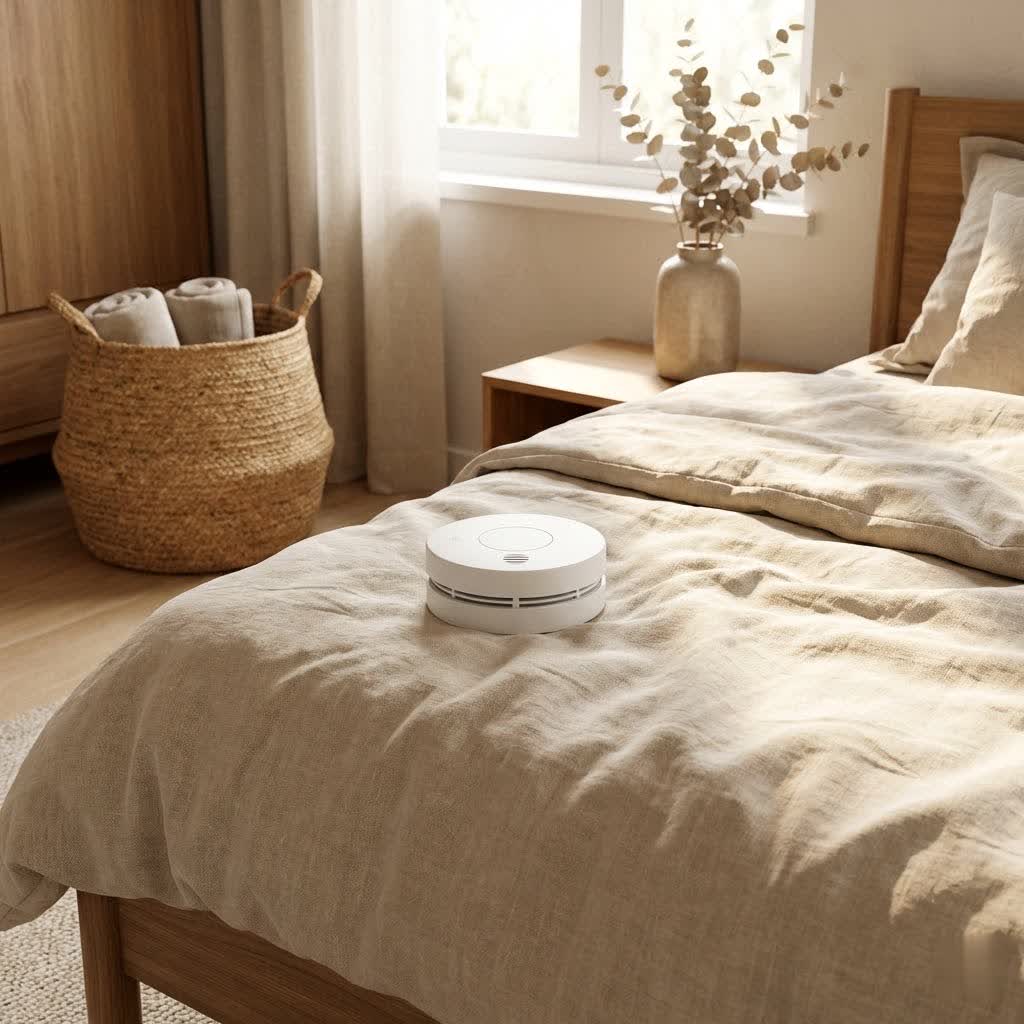
The silent threat of carbon monoxide (CO) and the sudden danger of fire demand vigilant protection in every home. As an admin with over a decade of experience in fire detection systems, especially smoke detectors, I’ve seen firsthand how technology has evolved to offer robust solutions. Kidde, a trusted name in home safety, provides advanced combination smoke and carbon monoxide detectors designed to offer comprehensive protection. This guide will walk you through everything you need to know about Kidde’s dual-threat alarms, helping you make an informed decision to safeguard your loved ones and property.
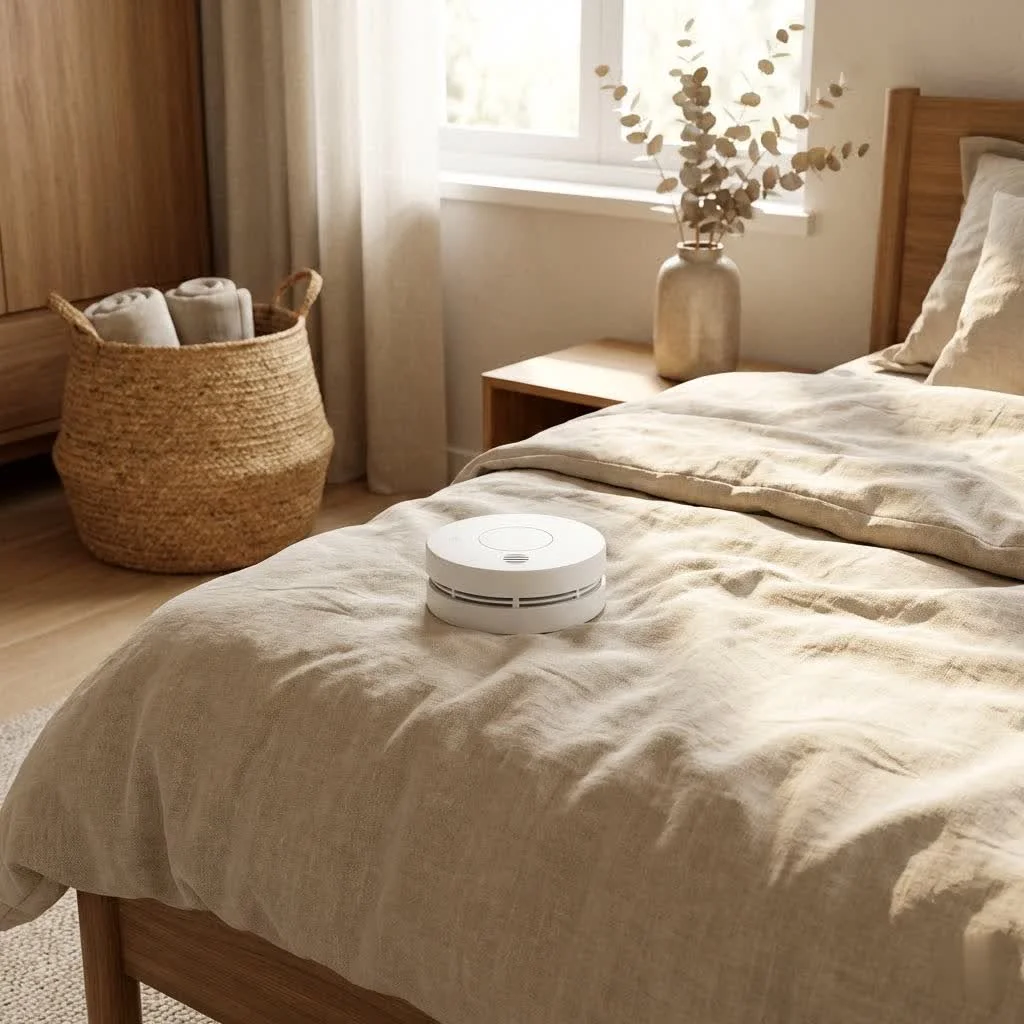
What is a Kidde Smoke and Carbon Monoxide Detector? Why is it Essential?
A Kidde smoke and carbon monoxide detector is a crucial home safety device that integrates two essential alarms into a single unit: one for detecting smoke (indicating fire) and another for detecting carbon monoxide (a colorless, odorless, and poisonous gas). Its primary function is to provide early warning of these dangers, giving occupants critical time to evacuate and seek safety. For shop curated home fire on this site.
The necessity of such a device cannot be overstated. According to various fire safety organizations, early fire detection is key to survival, as most fire fatalities occur from smoke inhalation rather than burns. Similarly, carbon monoxide poisoning is a serious public health concern, often called the “silent killer” because its symptoms can be mistaken for other illnesses, leading to tragic outcomes. Kidde’s combined alarms tackle both threats simultaneously, simplifying home safety by reducing the number of devices needed and ensuring comprehensive monitoring. Their cutting-edge technology delivers fast alerts, providing families with more time to react safely.
Kidde offers a range of these detectors, including battery-powered units for easy installation, hardwired models for continuous power with battery backup, and smart alarms featuring Wi-Fi connectivity and app integration.
Classifying Kidde Smoke and Carbon Monoxide Detectors: Pros and Cons of Sensor Types
Kidde’s combination alarms typically employ specific sensor technologies tailored to detect each hazard effectively. Understanding these sensors helps appreciate the dual protection these devices offer.
Photoelectric Smoke Sensing
Kidde smoke detectors often utilize photoelectric sensing technology, which is particularly effective at detecting large smoke particles produced by smoldering fires. These types of fires, which can smolder for hours before bursting into flames, are common in residential settings, often originating from upholstered furniture or electrical wiring.
- Pros: Photoelectric sensors are highly responsive to smoldering fires, providing an early warning for this prevalent type of household blaze. They are generally less prone to nuisance alarms from everyday cooking fumes compared to ionization alarms, especially with Kidde’s enhanced sensing technology.
- Cons: While excellent for smoldering fires, photoelectric sensors may react slower to fast-flaming fires that produce smaller smoke particles.
Electrochemical Carbon Monoxide Sensing
|
Our Picks for the Best Smoke Detector in 2026
As an Amazon Associate I earn from qualifying purchases.
|
||
| Num | Product | Action |
|---|---|---|
| 1 | Kidde Hardwired Smoke & Carbon Monoxide Detector, AA Battery Backup Smoke Alarm, Interconnectable, LED Warning Light Indicators, 2 Pack |

|
| 2 | First Alert SMI100, Battery-Operated Smoke Alarm, 3-Pack |
|
| 3 | 6 in 1 Plug in Smoke and Carbon Monoxide Detector Combo, Portable Smoke, Gas & CO Detector with Battery Operated, Temp, Humidity - Smoke Alarm Carbon Monoxide Natural Gas Leak Detector for Home, RV |
|
| 4 | 3 Pack 10 Year Battery Operated Smoke and Carbon Monoxide Detector, Portable Fire Co Alarm for Home and Kitchen (White) |
|
| 5 | Kidde Hardwired Smoke Detector, AA Battery Backup, Interconnectable, LED Warning Light Indicators, 4 Pack |
|
| 6 | Smoke Alarm Fire Detector,Battery Operated Photoelectric Smoke Detector with Test Button and Low Battery Warning, Fire Alarms Smoke Detectors for Home, 6 Pack |
|
| 7 | First Alert SMI100-AC, Hardwire Interconnect Smoke Alarm with Battery Backup, 6-Pack |
|
| 8 | Kidde Smoke Detector, 10-Year Battery Powered, LED Warning Light Indicators |
|
| 9 | First Alert SMI100, Battery-Operated Smoke Alarm, 2-Pack |
|
| 10 | 4-in-1 Gas & Carbon Monoxide Detector, Plug-in & Battery Powered – Multi-Gas Protection, Accurate CO, Temperature & Humidity Monitoring, LCD Display, Adjustable Brightness, Sensitive Alarm |
|
For carbon monoxide detection, Kidde alarms incorporate electrochemical sensors. This technology involves a chemical reaction with CO gas, which generates an electrical current that the alarm can measure. The level of current directly correlates to the concentration of CO in the air.
- Pros: Electrochemical sensors are highly accurate and reliable in detecting carbon monoxide gas. They are designed to trigger alarms at dangerous CO levels, adhering to strict safety standards for response times. Kidde’s CO alarms are specifically designed to detect carbon monoxide from any source of combustion, ensuring comprehensive protection.
- Cons: These sensors are exclusively designed for CO detection and will not react to other gases or smoke.
Combination (Dual Sensor) Models
Kidde’s strength lies in its combination alarms, which house both photoelectric smoke and electrochemical CO sensors in a single unit. This dual approach offers robust protection against the two most common home hazards.
- Pros:
- Comprehensive Protection: You get protection against both fire and carbon monoxide from a single device, simplifying installation and maintenance.
- Voice Alerts: Many Kidde combo alarms feature voice alerts that clearly announce the specific danger, such as “Fire! Fire!” or “Warning! Carbon Monoxide!”, aiding faster, more appropriate responses.
- Reduced False Alarms: Kidde’s enhanced sensing technology aims to minimize nuisance alarms often caused by routine activities like cooking, ensuring the alarm sounds only when true danger is present.
- Convenience: A single unit reduces clutter and installation time compared to installing separate smoke and CO detectors.
- Cons: While offering dual protection, these units might have a higher initial cost than single-purpose alarms.
Detailed Comparison Table of Kidde Smoke and Carbon Monoxide Detectors
Kidde offers a diverse range of combination alarms, each with specific features. Here’s a general comparison of common types and their key characteristics:
| Feature | Battery-Powered (10-Year Sealed) | Battery-Powered (Replaceable AA) | Hardwired with Battery Backup | Smart/Wi-Fi Enabled |
|---|---|---|---|---|
| Power Source | Sealed 10-year lithium battery | 2x AA replaceable batteries | 120V AC household current | 120V AC household current (often with 10-year sealed backup battery) |
| Battery Lifespan | 10 years (no replacement needed for life of alarm) | Varies (requires annual replacement) | 10 years (for backup, no replacement needed for life of alarm) | 10 years (for backup, no replacement needed for life of alarm) |
| Smoke Sensor | Photoelectric | Photoelectric | Photoelectric | Photoelectric |
| CO Sensor | Electrochemical | Electrochemical | Electrochemical | Electrochemical |
| Alarm Type | 85 dB siren, voice alerts (e.g., “Fire!,” “Warning! Carbon Monoxide!”) | 85 dB siren, voice alerts | 85 dB siren, voice alerts | 85 dB siren, voice alerts, app notifications, LED indicators |
| Connectivity | Standalone (some interconnectable wirelessly) | Standalone (some interconnectable wirelessly) | Hardwired interconnect (all connected alarms sound) | Wi-Fi connectivity, Kidde App integration, Alexa/Google Home compatible |
| Installation | Easy, twist-and-click mounting bracket | Easy, twist-and-click mounting bracket | Requires electrical wiring, mounting bracket | Requires electrical wiring, mounting bracket, Wi-Fi setup |
| Maintenance | Weekly manual test, clean vents. End-of-life notification. | Weekly manual test, clean vents, battery replacement. End-of-life notification. | Weekly manual test, clean vents. End-of-life notification. | Weekly manual test, clean vents. App reminders. End-of-life notification. |
| False Alarm Reduction | Enhanced sensing technology | Enhanced sensing technology | Enhanced sensing technology | Smart Hush® technology, enhanced sensing |
| Unique Features | Worry-Free, sealed battery | Cost-effective, user-replaceable batteries | Constant power, interconnected safety, no battery anxiety | Real-time alerts, remote monitoring, indoor air quality tracking (on some models) |
Buying Guide: Choosing the Right Kidde Smoke and Carbon Monoxide Detector
Selecting the ideal Kidde combination alarm involves considering your specific living situation and safety priorities. Here’s how to navigate the choices:
Determine Your Needs
- Space and Placement: Identify the specific areas needing protection. Bedrooms, hallways outside sleeping areas, finished attics, and basements are critical. Homes larger than 30 feet long may require alarms at both ends of a hallway or large room. Consider locations near potential CO sources like furnaces, water heaters, and fireplaces.
- Property Type: For homeowners, hardwired units offer continuous power and interconnected safety. For renters or those seeking simpler installation, battery-powered units are excellent.
- Budget: While safety is paramount, various models cater to different price points, offering essential features across the spectrum.
- Lifestyle: If you travel frequently or desire advanced control, smart alarms with remote notifications might be ideal.
Important Selection Criteria
- Quality Certifications: Always look for alarms that are UL listed. This certification signifies that the product meets stringent safety and performance standards, ensuring reliability. Kidde products are designed to the latest UL standards.
- Battery Life and Type:
- 10-Year Sealed Battery: These “Worry-Free” alarms eliminate the need for annual battery changes, offering a decade of continuous protection. This is a significant advantage for convenience and ensuring consistent operation.
- Replaceable Batteries: More traditional models use replaceable AA or 9V batteries. These require regular replacement (typically annually) to maintain optimal function.
- Connectivity and Remote Notifications:
- Interconnected Alarms: For hardwired systems, interconnected alarms mean that if one alarm detects a threat, all connected alarms sound throughout the home, significantly enhancing warning effectiveness.
- Smart Features (Wi-Fi/App): Kidde offers smart alarms with Wi-Fi capabilities that integrate with the Kidde App. These provide real-time notifications on your smartphone for smoke, CO, and low-battery warnings, even when you’re away from home. Some are compatible with smart home ecosystems like Alexa and Google Home.
- Ease of Installation and Maintenance: Look for models with twist-and-click mounting brackets for straightforward installation. Features like a Test/Hush button are crucial for easy testing and temporarily silencing nuisance alarms without disabling the unit.
- Voice Alerts: Voice alarms are a highly beneficial feature, as they clearly articulate the type of hazard detected, enabling a quicker and more informed response.
- Additional Features: Some advanced Kidde models include indoor air quality monitoring, tracking factors like temperature, relative humidity, and Total Volatile Organic Compounds (TVOCs), offering a holistic view of your home environment.
Top Kidde Smoke and Carbon Monoxide Detectors (Categories)
While specific model numbers can vary, Kidde generally excels in these categories:
- Kidde 10-Year Sealed Battery Combo Alarms: Ideal for hassle-free protection, these models offer a decade of service without battery changes, providing peace of mind. They are a favorite among many for their reliability and low maintenance.
- Kidde Hardwired Combination Alarms with Battery Backup: Perfect for new constructions or homes with existing hardwired systems, these ensure continuous operation even during power outages thanks to their sealed 10-year backup batteries. They offer interconnected safety for whole-home alerts.
- Kidde Smart Smoke & CO Alarms (e.g., Kidde HomeSafe™ enabled): These represent the pinnacle of home safety technology, offering remote monitoring, real-time alerts to your phone, and often integrating indoor air quality sensors. They provide an extra layer of awareness and control for the modern homeowner.
Optimal Installation Locations for Kidde Smoke and Carbon Monoxide Detectors
Proper placement of your Kidde combination alarm is as vital as choosing the right unit. Strategic positioning ensures maximum effectiveness in detecting hazards.
General Principles:
- Ceiling Mounting is Preferred: Smoke, heat, and CO all rise. Mounting alarms on the ceiling, in the center of the room, positions them closest to potential hazards.
- Distance from Walls: If ceiling mounted, place the alarm a minimum of 4 inches (10 cm) from any side wall.
- Wall Mounting Guidelines: If wall-mounted, the top edge of the alarm should be a minimum of 4 inches (10 cm) and a maximum of 12 inches (30.5 cm) below the ceiling. Always use an inside wall.
Specific Locations:
- Every Level: Install at least one combination alarm on every level of your home, including finished attics and basements.
- Sleeping Areas: Place an alarm inside every bedroom and in the hallway immediately outside the main sleeping areas. If a hallway or large room is over 30 feet (9.1 meters) long, install alarms at both ends. This ensures everyone is alerted, even with closed doors.
- Near Combustion Sources: While smoke alarms should generally avoid kitchens, CO detectors should be placed near fuel-burning appliances (furnaces, water heaters, gas stoves, fireplaces) where carbon monoxide leaks are most likely. However, ensure smoke/CO combo alarms are not placed too close to kitchen appliances to avoid nuisance alarms from cooking.
- Basements: Essential, especially if you have a furnace, water heater, or attached garage in the basement.
Locations to Avoid:
- Kitchens (directly): Cooking fumes can trigger false smoke alarms. Place it at least 20 feet (6 meters) from cooking appliances.
- Bathrooms: High humidity and steam can cause false alarms.
- Garages: Vehicle exhaust can contain CO, leading to nuisance alarms.
- Near Vents or Fans: Air currents can prevent smoke or CO from reaching the sensor.
- Direct Sunlight or Drafty Areas: Extreme temperature fluctuations can affect sensor performance.
- Dusty, Dirty, or Greasy Areas: Accumulation can hinder sensor function and lead to false alarms.
Installation and Maintenance for Your Kidde Smoke and Carbon Monoxide Detector
Ensuring your Kidde detector is properly installed and regularly maintained is paramount for its effective operation and your family’s safety.
Installation Steps (General):
- Read the Manual: Always refer to your specific Kidde model’s user guide for detailed instructions.
- Choose Location: Select an optimal location following the guidelines above.
- Activate Battery (if applicable): For battery-powered models, activate the sealed 10-year battery by twisting the alarm onto its mounting bracket or following specific instructions (e.g., turning a red wheel). For replaceable battery models, insert fresh batteries.
- Mount the Bracket: Secure the mounting bracket to the ceiling or wall using the provided screws and anchors (if needed).
- Connect Wiring (Hardwired Models): For hardwired units, turn off power at the circuit breaker first. Connect the alarm’s AC quick connector to your home’s wiring, ensuring a secure fit. Then, attach the alarm to the mounting bracket.
- Test the Alarm: Once installed, press and hold the Test/Hush button. The alarm should sound loudly (e.g., three long beeps for fire, four quick beeps for CO) and, if equipped, the voice alert should announce the detected hazard.
Routine Maintenance:
- Weekly Testing: Manually push the Test/Hush button once a week to ensure the alarm circuitry, horn, and battery are functioning.
- Clean Regularly: Gently vacuum the alarm’s vents and exterior once a month to remove dust and debris that can accumulate and cause false alarms or reduce sensitivity.
- Battery Replacement (for models with replaceable batteries): Replace batteries annually or when the low-battery chirp sounds.
- End-of-Life Notification: Kidde combination alarms have a lifespan of approximately 10 years. After this period, the unit will typically begin to chirp or indicate an “end-of-life” warning, signaling it’s time for replacement. This is a critical safety feature; never ignore this warning.
Dealing with False Alarms:
- Hush Feature: Most Kidde alarms have a Hush® feature that temporarily silences nuisance alarms (e.g., from cooking fumes) without fully disabling the unit. Press the Test/Hush button to activate it.
- Identify Cause: If false alarms are frequent, check for dust accumulation, high humidity, or improper placement (too close to a kitchen or bathroom). Clean the unit and relocate if necessary.
- Recalls: Be aware that some older Kidde models have been subject to recalls. Check the Kidde website or consumer safety sites to ensure your model is not affected.
Safety Standards and Certifications for Kidde Smoke and Carbon Monoxide Detectors
Certifications play a critical role in ensuring that home safety devices meet rigorous performance and reliability benchmarks. When you choose a Kidde smoke and carbon monoxide detector, you are investing in a product that adheres to established safety standards.
The most prominent certification in North America is UL Listed (Underwriters Laboratories). Kidde products are designed and tested to the latest UL standards. Specifically:
- UL 217: This standard applies to single and multiple station smoke alarms, covering performance requirements for smoke detection.
- UL 2034: This standard pertains to single and multiple station carbon monoxide alarms, detailing their CO detection capabilities and alarm response times.
These certifications mean that the product has been independently tested and found to comply with national safety requirements. They verify that the alarm will:
- Detect smoke and/or carbon monoxide within specified timeframes and concentrations.
- Sound a sufficiently loud alarm (typically 85 decibels at 10 feet) to alert occupants.
- Operate reliably under various environmental conditions.
- Be constructed safely to prevent electrical hazards.
Choosing a UL-listed Kidde combination alarm ensures that you are installing a device engineered for proven performance in critical emergency situations.
“A combination smoke and CO detector is one of the most vital safety investments you can make for your home. Don’t compromise on certified protection.” – Home Safety Expert
Conclusion
A Kidde smoke and carbon monoxide detector is more than just an alarm; it’s a dual-layer guardian providing essential, life-saving protection against two of the most insidious home hazards: fire and carbon monoxide. From their reliable photoelectric and electrochemical sensors to advanced features like 10-year sealed batteries, voice alerts, and smart home integration, Kidde offers a range of options to suit every home and lifestyle. By understanding the types, choosing the right model for your needs, installing it correctly, and performing routine maintenance, you can significantly enhance your home’s safety profile. Don’t wait for an emergency; equip your home with the trusted protection of a Kidde combination alarm and ensure peace of mind for you and your family.
Are you ready to upgrade your home’s safety with a Kidde smoke and carbon monoxide detector today?
Frequently Asked Questions
How often should I test my Kidde combo alarm?
You should test your Kidde smoke and carbon monoxide alarm weekly by pressing and holding the Test/Hush button. This ensures that the alarm’s circuitry, horn, and battery (or power connection) are functioning correctly, providing consistent protection for your home.
What does the voice alert mean on my Kidde alarm?
Kidde alarms with voice alerts are designed to clearly announce the specific hazard detected. If it’s a fire, you’ll hear “Fire! Fire!”. If it’s carbon monoxide, it will say “Warning! Carbon Monoxide!”. This clear distinction helps occupants react appropriately and quickly.
Why is my Kidde alarm beeping or chirping?
A chirping or intermittent beep from your Kidde alarm usually indicates a low battery (for models with replaceable batteries) or an end-of-life warning (for 10-year sealed battery models). It could also signal a fault in the unit or sensor. Refer to your manual to distinguish between a low battery chirp (one chirp) and an end-of-life warning.
Are Kidde 10-year battery alarms truly maintenance-free?
While Kidde 10-year sealed battery alarms eliminate the need for annual battery changes, they are not entirely maintenance-free. You still need to test them weekly using the Test/Hush button and clean the vents monthly to prevent dust buildup, ensuring optimal performance throughout their decade-long lifespan.
Can I install a Kidde combo alarm in the kitchen?
It’s generally recommended to avoid installing smoke detectors, including combo alarms, directly in the kitchen due to the high likelihood of nuisance alarms from cooking fumes. Place it at least 20 feet (6 meters) away from cooking appliances, preferably in a nearby hallway or dining area, while ensuring it can still detect CO in the vicinity of gas appliances.
What’s the difference between hardwired and battery-powered Kidde alarms?
Hardwired Kidde alarms connect directly to your home’s electrical system, providing continuous power and often allowing for interconnected alarms where all units sound simultaneously. They usually include a battery backup for power outages. Battery-powered alarms, on the other hand, rely solely on batteries (either sealed 10-year or replaceable) for power, offering easier installation without electrical work.
Get our weekly buyer guide
Practical specs, not advice. Unsubscribe anytime.
