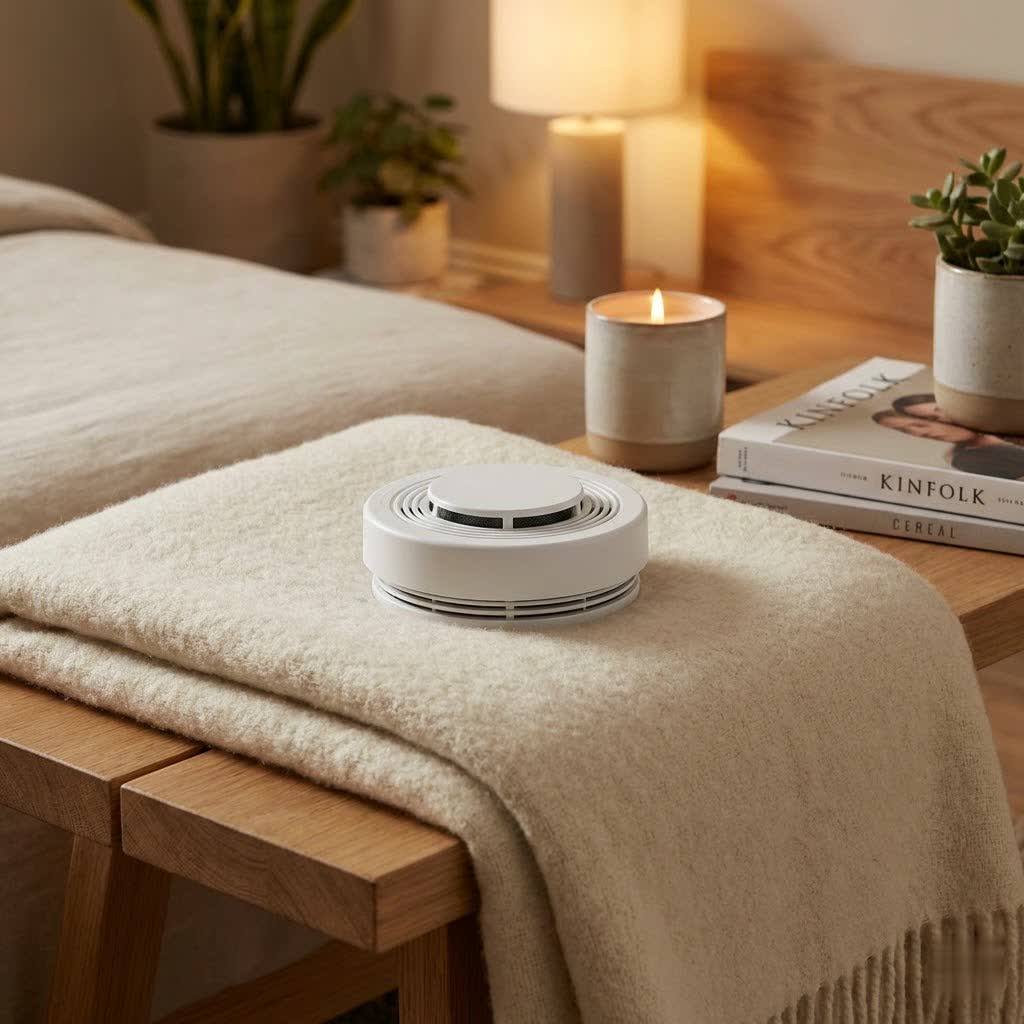
The silent threats of home fires and invisible carbon monoxide gas lurk in every household, posing significant risks to life and property. Many homes today are constructed with open floor plans and furnished with synthetic materials, causing fires to spread faster and burn hotter than ever before. Simultaneously, carbon monoxide, often dubbed the “silent killer,” can incapacitate residents without warning due as it is colorless, odorless, and tasteless. Protecting your family requires vigilance, and the most critical first line of defense is a reliable smoke and carbon monoxide (CO) detector. This comprehensive guide will navigate you through the world of these essential safety devices, helping you understand their types, benefits, crucial selection criteria, and top recommendations to safeguard your home effectively.
What is a Smoke and CO Detector? Why is it Essential?
A smoke and CO detector is a single, integrated device designed to alert you to the presence of both smoke, indicating a potential fire, and dangerous levels of carbon monoxide gas. While often housed in one unit, these detectors employ distinct technologies to identify each threat. Smoke detection typically relies on either ionization or photoelectric sensors, or a combination of both, to sense fire particles in the air. Carbon monoxide detection, on the other hand, utilizes an electrochemical sensor that reacts to the gas.
The importance of these devices cannot be overstated. According to the National Fire Protection Association (NFPA), a smoke detector should be installed on every level of a home, outside sleeping areas, and inside all bedrooms. Early warning is paramount, as it provides precious minutes for evacuation, which can be the difference between life and tragedy. Similarly, CO detectors are vital as carbon monoxide poisoning can occur without any sensory indication, making early alerts absolutely critical for preventing serious illness or fatalities. These devices are not “install and forget” items; the NFPA recommends testing them at least once a month and replacing the entire unit every 10 years, as their sensors degrade over time.
Types of Smoke Detector Sensors: Understanding Your Options
While many combined units offer dual smoke and CO detection, it’s important to understand the different types of smoke sensors available and how they react to various fire types.
Photoelectric Smoke Detectors
Photoelectric smoke detectors are particularly effective at identifying slow, smoldering fires, which often produce a lot of smoke but little heat, such as those caused by electrical faults or burning upholstery. They operate using a chamber with a light source and a light sensor. When smoke enters the chamber, it scatters the light into the sensor, triggering the alarm. These types of detectors are generally less prone to false alarms from minor cooking incidents.
Ionization Smoke Detectors
|
Our Picks for the Best Smoke Detector in 2026
As an Amazon Associate I earn from qualifying purchases.
|
||
| Num | Product | Action |
|---|---|---|
| 1 | First Alert SMI100, Battery-Operated Smoke Alarm, 2-Pack |

|
| 2 | First Alert SMI100, Battery-Operated Smoke Alarm, 3-Pack |
|
| 3 | Kidde Hardwired Smoke & Carbon Monoxide Detector, AA Battery Backup Smoke Alarm, Interconnectable, LED Warning Light Indicators, 2 Pack |
|
| 4 | 6 in 1 Plug in Smoke and Carbon Monoxide Detector Combo, Portable Smoke, Gas & CO Detector with Battery Operated, Temp, Humidity - Smoke Alarm Carbon Monoxide Natural Gas Leak Detector for Home, RV |
|
| 5 | Kidde Smoke Detector, 10-Year Battery Powered, LED Warning Light Indicators |
|
| 6 | Kidde Hardwired Smoke Detector, AA Battery Backup, Interconnectable, LED Warning Light Indicators, 4 Pack |
|
| 7 | Smoke Alarm Fire Detector,Battery Operated Photoelectric Smoke Detector with Test Button and Low Battery Warning, Fire Alarms Smoke Detectors for Home, 6 Pack |
|
| 8 | 4-in-1 Gas & Carbon Monoxide Detector, Plug-in & Battery Powered – Multi-Gas Protection, Accurate CO, Temperature & Humidity Monitoring, LCD Display, Adjustable Brightness, Sensitive Alarm |
|
| 9 | 3 Pack 10 Year Battery Operated Smoke and Carbon Monoxide Detector, Portable Fire Co Alarm for Home and Kitchen (White) |
|
| 10 | First Alert SMI100-AC, Hardwire Interconnect Smoke Alarm with Battery Backup, 6-Pack |
|
Ionization smoke detectors excel at detecting fast-flaming fires, which consume combustible materials rapidly and produce small, hot smoke particles. These detectors contain a small amount of radioactive material (Americium-241), which ionizes the air between two electrically charged plates, creating a small, constant electric current. Smoke particles entering the chamber disrupt this current, initiating the alarm. While the radioactive material is minimal and deemed safe, some consumers prefer to avoid them. They are more susceptible to nuisance alarms from cooking fumes.
Dual-Sensor Smoke Detectors
Some advanced smoke detectors incorporate both photoelectric and ionization sensors into a single unit. These “dual-sensor” smoke detectors offer more comprehensive fire detection, combining the strengths of both technologies to respond effectively to both smoldering and fast-flaming fires. Many combined smoke and CO detectors use photoelectric sensors for smoke detection alongside an electrochemical sensor for carbon monoxide, providing broad protection.
Detailed Comparison Table of Detector Types
Choosing the right type depends on your home’s layout and specific risks. Here’s a comparison to help clarify:
| Feature | Photoelectric Smoke | Ionization Smoke | Combined (Smoke & CO) |
|---|---|---|---|
| Primary Fire Type | Smoldering fires (slow, smoky) | Flaming fires (fast, hot) | Both smoldering & flaming fires; Carbon Monoxide |
| CO Detection | No (unless combined unit) | No (unless combined unit) | Yes (electrochemical sensor) |
| False Alarms | Less prone to cooking nuisance alarms | More prone to cooking nuisance alarms | Reduced likelihood (some models use advanced algorithms) |
| Technology | Light beam/sensor | Ionized air chamber | Photoelectric/Ionization + Electrochemical CO |
| Cost | Moderate | Low | Moderate to High |
| Environmental | No radioactive material | Contains minute radioactive material | Typically no radioactive material for smoke, always for CO |
| Ideal Placement | Living rooms, bedrooms, hallways | Kitchen (with caution), garages | All levels, inside/outside bedrooms, near fuel-burning appliances |
Buying Guide: How to Choose the Best Smoke and CO Detector
Selecting the best smoke and CO detector involves considering various factors to match your home’s specific needs and your preferences.
Assess Your Home’s Needs
Begin by evaluating your living space. Consider the number of levels, bedrooms, and whether you have fuel-burning appliances like furnaces, water heaters, or fireplaces, which are primary sources of carbon monoxide. The size and layout of your home will influence the number of units you need and whether interconnected alarms are a priority. Your budget is also a key factor, as features range from basic alarms to sophisticated smart devices.
Key Features to Look For
- Certifications: Always look for certifications such as UL (Underwriters Laboratories) in the USA or EN (European Standard) to ensure the product meets stringent safety and performance standards. Adherence to NFPA 72 guidelines is also a strong indicator of reliability.
- Wired vs. Battery-Powered: Hardwired detectors integrate with your home’s electrical system and typically include a battery backup for power outages, offering consistent protection and often enabling interconnectivity. Battery-powered units are easier to install and offer placement flexibility, especially in older homes, but require battery replacement. Many modern battery units feature 10-year sealed batteries, eliminating annual changes.
- Interconnectivity: This is a crucial safety feature. If one interconnected alarm detects smoke or CO, all alarms in the system will sound, ensuring everyone in the house is alerted, regardless of their location. Wireless interconnected options are available, making it easier to upgrade existing homes without extensive wiring.
- Smart Features: Advanced detectors offer smartphone app notifications, allowing you to monitor your home remotely and receive alerts even when you’re away. Some include remote silencing capabilities, voice alerts (announcing the type and location of the threat), and integration with smart home ecosystems like Amazon Alexa, Google Home, or Apple HomeKit. Features like path lights can also be beneficial in emergencies.
- Digital CO Display: A digital display that shows carbon monoxide levels in parts per million (ppm) provides real-time information and can alert you to rising levels before they reach alarm thresholds.
- Voice Alerts: Beyond a piercing siren, voice alerts can clearly state the type of danger (e.g., “Fire in the kitchen!”) and its location, significantly aiding in a quicker and safer response.
- “Hush” Button: This feature allows you to temporarily silence false alarms, such as those caused by cooking, without disabling the entire unit.
- Ease of Installation and Maintenance: Simple mounting, clear instructions, and easy battery access (for battery-powered units) contribute to a hassle-free experience.
Top Smoke and CO Detectors
Based on a combination of performance, features, and user feedback, here are some of the best combined smoke and CO detectors currently available:
- X-Sense SC07 Wireless Smoke & CO Alarm: Often praised as a top contender for its overall performance, this unit features a digital display for CO levels and offers wireless interconnectivity (typically via a hub). Its slim design and photoelectric smoke sensor with an electrochemical CO sensor provide robust protection.
- First Alert SCO7CN: A highly-rated battery-powered option, it combines voice alerts with a loud siren, integrated CO detection, and the ability to announce the alarm’s location if pre-programmed. It uses a photoelectric smoke sensor.
- First Alert SC5 Battery Smart Smoke & Carbon Monoxide Alarm: An excellent smart option, especially for Google Home users, this detector features dual smoke sensors (photoelectric) and an electrochemical CO sensor. It offers interconnected capability for both battery and hardwired setups and is compatible with Nest Protect mounting brackets.
- Nest Protect: Renowned for its smart features, the Nest Protect includes a motion-activated night light, “heads-up” warnings before an alarm sounds, and comprehensive split-spectrum smoke sensing. It seamlessly integrates with the Google Home/Nest ecosystem and is available in both wired and wireless versions.
- Kidde Smart Smoke & Carbon Monoxide Detector & Indoor Air Quality Monitor: This hardwired detector not only senses smoke and CO but also monitors indoor air quality. It connects to Wi-Fi for smartphone alerts and works with Alexa and Google Home.
Optimal Placement for Smoke and CO Detectors
Correct placement is crucial for effective detection and early warning. Smoke and CO detectors should be installed on every level of your home, including the basement. Install them inside every bedroom and in the hallway or area immediately outside sleeping areas.
- Ceilings: Since smoke and carbon monoxide rise, mounting detectors on the ceiling is generally the most effective placement.
- Walls: If wall-mounted, ensure the top of the detector is placed between 4 and 12 inches from the ceiling.
- Peaked Ceilings: For ceilings with a peak, place the detector within three feet horizontally of the peak, but at least four inches down from the peak itself.
Areas to Avoid:
- Kitchens: To minimize false alarms from cooking fumes, place smoke detectors at least 10 feet away from cooking appliances.
- Bathrooms: Avoid steamy areas, which can trigger nuisance alarms.
- Garages: Exhaust fumes from vehicles can set off carbon monoxide alarms.
- Near Windows, Doors, or Vents: Drafts can interfere with the proper sensing of smoke or CO.
- Unheated areas: Extreme temperatures can compromise sensor performance.
Installation and Maintenance of Smoke and CO Detectors
Proper installation and regular maintenance are critical for ensuring your smoke and CO detectors remain functional when you need them most.
Installation:
- Battery-Powered: These are generally the easiest to install. Simply mount the provided bracket to a wall or ceiling, insert the batteries, and attach the detector. Always follow the manufacturer’s specific instructions.
- Hardwired: For hardwired units, professional installation is often recommended, as it involves connecting the detector to your home’s electrical system. Most hardwired units come with a pre-stripped wiring adapter to simplify the process, and they should always have a battery backup for continuous operation during power outages.
Maintenance:
- Test Monthly: Press the test button on each detector once a month to ensure the alarm sounds. This simple check verifies that the unit’s speaker and basic circuitry are working.
- Replace Batteries: For battery-powered units (without a 10-year sealed battery), replace the batteries annually, or immediately when the low-battery chirp sounds. Units with 10-year sealed batteries will last the lifetime of the detector.
- Clean Regularly: Dust and debris can accumulate in the sensing chambers, leading to false alarms or reduced sensitivity. Gently vacuum or wipe the exterior of your detectors every six months to keep them clear.
- Replace Entire Unit: All smoke and CO detectors have a limited lifespan. The sensors degrade over time, making them less effective. Replace your entire unit every 10 years, regardless of whether it seems to be working. Many units have a manufacturing date printed on them to help you track this.
Dealing with False Alarms:
If your detector sounds a false alarm, use the “hush” button to temporarily silence it. Ensure adequate ventilation in the area, especially after cooking or showering, to prevent future nuisance alarms. If false alarms persist, verify that the detector is placed in an optimal location, away from sources of steam, smoke, or drafts.
Safety Standards and Certifications for Detectors
Understanding safety standards and certifications is vital to ensure you are purchasing a reliable and effective device. These certifications confirm that the detectors have undergone rigorous testing and meet specific performance and manufacturing criteria.
Key Standards and Certifications:
- UL (Underwriters Laboratories): This is a globally recognized safety science company. For smoke alarms, look for UL 217 (Standard for Smoke Alarms), and for carbon monoxide alarms, UL 2034 (Standard for Single and Multiple Station Carbon Monoxide Alarms). These certifications indicate that the product has been tested to detect smoke and CO effectively under various conditions.
- EN (European Standard): In Europe, the equivalent standard for smoke alarm devices is EN 14604.
- NFPA 72 (National Fire Alarm and Signaling Code): While not a product certification, NFPA 72 provides comprehensive guidelines for the installation, inspection, testing, and maintenance of fire alarm systems. Ensuring your detectors are installed and maintained according to NFPA 72 guidelines is crucial for maximizing their effectiveness.
These certifications and standards are not just labels; they represent a commitment to safety and quality, giving you peace of mind that your chosen detector is built to perform when it matters most.
Conclusion
Investing in the best smoke and carbon monoxide detector for your home is one of the most proactive steps you can take to protect your family and property. By understanding the different sensor technologies, recognizing essential features like interconnectivity and smart alerts, and ensuring optimal placement and regular maintenance, you empower yourself with critical early warning capabilities. An informed choice in these vital devices can provide the precious time needed to escape danger, preventing potential tragedies. Make home safety a priority today by choosing the right combined smoke and CO detector. What steps will you take to safeguard your home and loved ones against these invisible threats?
Frequently Asked Questions
What’s the difference between a smoke alarm and a smoke detector?
While often used interchangeably by consumers, technically, a “smoke detector” is the sensing component, and a “smoke alarm” is the entire unit that detects smoke and sounds an alert. For practical purposes, when discussing consumer products, the terms refer to the self-contained devices that both detect and alarm.
Can I have only one smoke and CO detector in my home?
No, for comprehensive safety, the NFPA recommends installing smoke alarms on every level of your home, including the basement, inside every bedroom, and in the areas immediately outside sleeping rooms. Combined smoke and CO detectors should follow similar placement guidelines.
How do I know if my smoke and CO detector is still working?
You should test all your smoke and CO detectors monthly by pressing the test button. Additionally, if your detector is battery-powered, it will typically emit an intermittent chirp when the battery is low. Always replace the entire unit every 10 years, as the sensors degrade over time.
Where should I not install a smoke and CO detector?
Avoid installing detectors too close to cooking appliances (at least 10 feet away), in steamy bathrooms, garages (vehicle exhaust can trigger CO alarms), or near windows, doors, and ventilation ducts where drafts can interfere with sensor operation.
Are smart smoke and CO detectors worth it?
Yes, smart smoke and CO detectors offer added layers of protection through features like remote smartphone alerts, which inform you of dangers even when you’re away from home. Many also integrate with smart home systems, providing enhanced control and peace of mind.
Do smoke and CO detectors really expire?
Absolutely. Smoke and CO detectors have a lifespan of approximately 10 years. Over time, the internal sensors become less sensitive and reliable, making them less effective at detecting threats. Always replace your units by the manufacturer’s recommended date, typically found on the back of the device.
Get our weekly buyer guide
Practical specs, not advice. Unsubscribe anytime.
