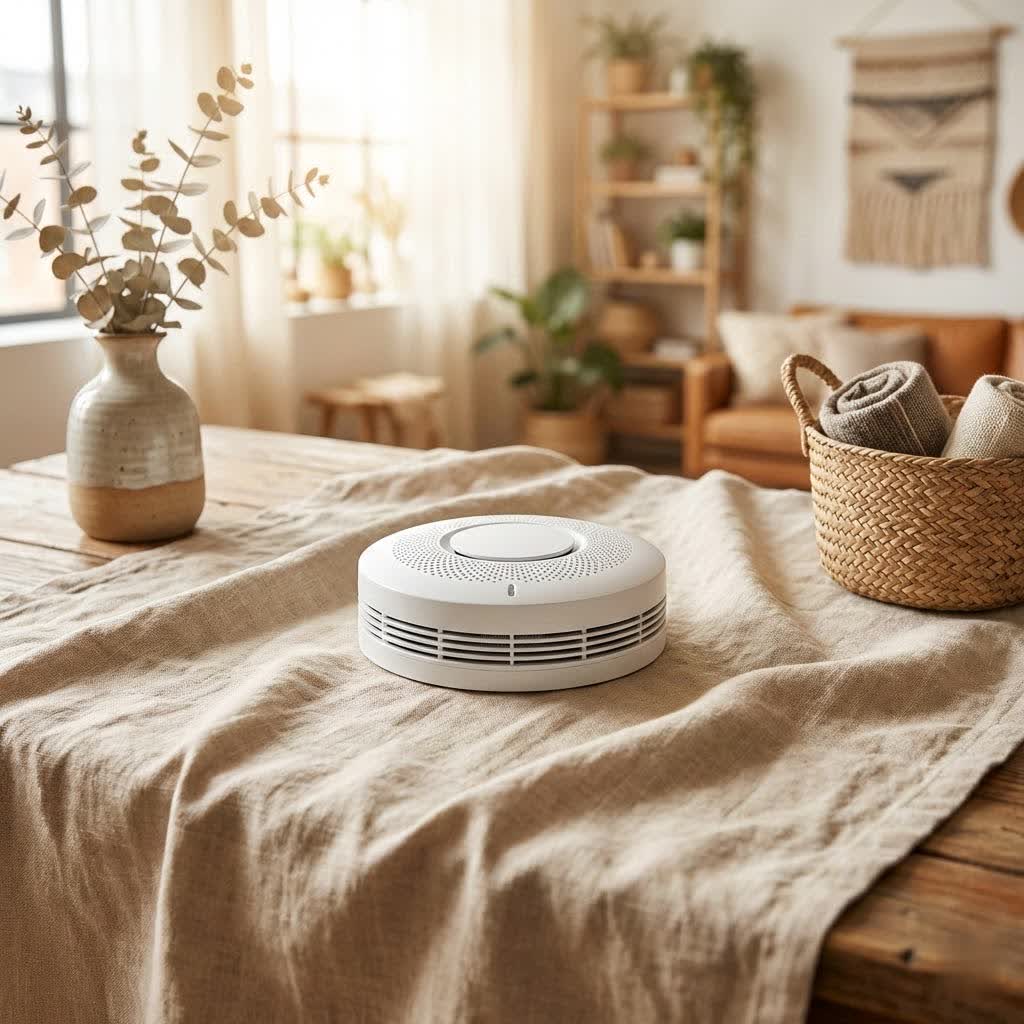
Protecting your home and loved ones from unseen threats is paramount. While fire is a visible and tangible danger, carbon monoxide (CO) silently poses an equally deadly risk. Understanding the crucial differences and combined power of smoke alarms and carbon monoxide detectors is the first step toward comprehensive home safety. This comprehensive guide will equip you with the knowledge to choose, install, and maintain these life-saving devices, ensuring peace of mind against both fire and the “silent killer.”
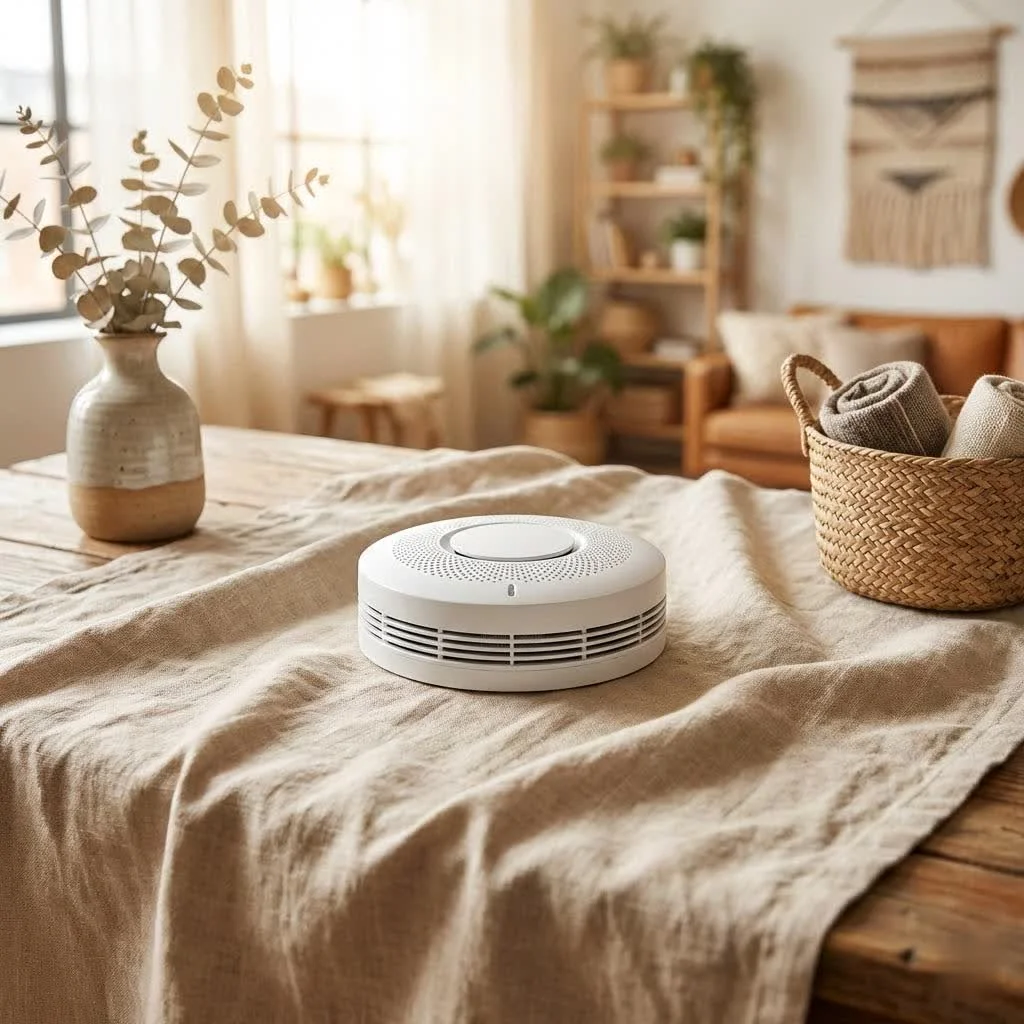
What Are Smoke Alarms and Carbon Monoxide Detectors, and Why Are They Essential?
Smoke alarms are devices designed to detect the presence of smoke, alerting occupants to a potential fire hazard. They are indispensable for providing early warning, especially at night when senses are dulled, giving precious time to evacuate. Carbon monoxide detectors, on the other hand, specifically sense carbon monoxide (CO), an odorless, colorless, and tasteless gas produced by incomplete combustion in appliances like furnaces, water heaters, gas stoves, and fireplaces. CO poisoning can cause severe illness or death, making its early detection critical. Both devices serve distinct, yet equally vital, roles in safeguarding your home, which is why a combination of both is the most robust safety measure.
Understanding the Types of Smoke Alarms: Pros and Cons
Smoke alarms primarily come in two types, each optimized for different fire characteristics, with hybrid options available for broader protection.
Photoelectric Smoke Alarms
Photoelectric smoke alarms operate by detecting visible particles of smoke. Inside the alarm, a chamber contains a light source and a sensor. When smoke enters the chamber, it scatters the light beam, directing some light into the sensor and triggering the alarm.
- Pros: These alarms are highly effective at detecting smoldering fires, which often produce a lot of smoke but little flame initially. This makes them ideal for living areas and near bedrooms.
- Cons: Photoelectric alarms can be more prone to nuisance alarms from cooking fumes, steam, or dust, potentially leading users to disable them if not properly placed.
Ionization Smoke Alarms
Ionization smoke alarms contain a small amount of radioactive material that ionizes the air between two electrically charged plates, creating a small, constant electric current. When smoke particles enter the chamber, they disrupt this current, causing the alarm to sound.
- Pros: Ionization alarms are generally more responsive to fast-flaming fires that produce microscopic smoke particles quickly. They react rapidly to intense, rapidly spreading blazes.
- Cons: While effective, ionization alarms can be slower to react to smoldering fires. Additionally, the presence of a minute amount of radioactive material, though safe, is a consideration for some consumers, and disposal regulations may vary.
Dual-Sensor Smoke Alarms
|
Our Picks for the Best Smoke Detector in 2026
As an Amazon Associate I earn from qualifying purchases.
|
||
| Num | Product | Action |
|---|---|---|
| 1 | Kidde Smoke Detector, 10-Year Battery Powered, LED Warning Light Indicators |

|
| 2 | Smoke Alarm Fire Detector,Battery Operated Photoelectric Smoke Detector with Test Button and Low Battery Warning, Fire Alarms Smoke Detectors for Home, 6 Pack |
|
| 3 | 4-in-1 Gas & Carbon Monoxide Detector, Plug-in & Battery Powered – Multi-Gas Protection, Accurate CO, Temperature & Humidity Monitoring, LCD Display, Adjustable Brightness, Sensitive Alarm |
|
| 4 | First Alert SMI100, Battery-Operated Smoke Alarm, 2-Pack |
|
| 5 | 6 in 1 Plug in Smoke and Carbon Monoxide Detector Combo, Portable Smoke, Gas & CO Detector with Battery Operated, Temp, Humidity - Smoke Alarm Carbon Monoxide Natural Gas Leak Detector for Home, RV |
|
| 6 | First Alert SMI100-AC, Hardwire Interconnect Smoke Alarm with Battery Backup, 6-Pack |
|
| 7 | 3 Pack 10 Year Battery Operated Smoke and Carbon Monoxide Detector, Portable Fire Co Alarm for Home and Kitchen (White) |
|
| 8 | First Alert SMI100, Battery-Operated Smoke Alarm, 3-Pack |
|
| 9 | Kidde Hardwired Smoke & Carbon Monoxide Detector, AA Battery Backup Smoke Alarm, Interconnectable, LED Warning Light Indicators, 2 Pack |
|
| 10 | Kidde Hardwired Smoke Detector, AA Battery Backup, Interconnectable, LED Warning Light Indicators, 4 Pack |
|
Combining both photoelectric and ionization technologies, dual-sensor smoke alarms offer the best of both worlds. They are designed to detect a wider range of fire types quickly and reliably.
- Pros: These alarms provide comprehensive protection against both fast-flaming and smoldering fires, reducing the likelihood of delayed detection for either scenario.
- Cons: Typically, dual-sensor units come at a higher price point than single-sensor models due to their advanced capabilities.
Exploring Carbon Monoxide Detector Technologies
Carbon monoxide detectors rely on different sensor technologies to accurately detect dangerous levels of CO gas, ensuring reliable alerts when needed most.
Electrochemical Sensors
Electrochemical CO detectors utilize a chemical solution that reacts with carbon monoxide. This reaction produces a measurable electrical current, which increases proportionally to the concentration of CO in the air. When the current exceeds a predetermined safe level, the alarm sounds.
- Pros: This technology is highly stable, reliable, and generally unaffected by changes in temperature and humidity. It provides accurate readings over a wide range of CO concentrations and is commonly used in residential and commercial detectors.
- Cons: Electrochemical cells have a limited lifespan, typically 5-7 years, requiring periodic replacement of the entire unit.
Metal Oxide Semiconductor (MOS) Sensors
Metal Oxide Semiconductor (MOS) sensors feature a heated tin oxide sensing element. When carbon monoxide interacts with the tin oxide, it changes the element’s electrical resistance. This change in resistance is detected by the alarm’s circuitry, triggering an alert if CO levels are dangerous.
- Pros: MOS sensors can be very sensitive to CO. They are often found in some plug-in and older CO detectors.
- Cons: These sensors can sometimes be susceptible to interference from other gases, such as common household chemicals or alcohol vapors, which might lead to false alarms. Their reliability and accuracy can also be more affected by environmental conditions.
Comprehensive Comparison: Smoke Alarms vs. Carbon Monoxide Detectors vs. Combination Units
Choosing the right detector involves understanding the distinct features and benefits of each type. While they both safeguard your home, their methods and targets differ significantly.
| Feature | Smoke Alarm | Carbon Monoxide Detector | Combination Smoke/CO Alarm |
|---|---|---|---|
| Danger Detected | Smoke and heat from fires | Odorless, colorless carbon monoxide gas | Both smoke/heat and carbon monoxide gas |
| Detection Method | Photoelectric (smoke density) / Ionization (ionized air disruption) | Electrochemical (chemical reaction) / MOS (resistance change) | Combines both technologies in one unit |
| Ideal Placement | Ceilings, high on walls, near bedrooms | Walls, varying heights, near combustion appliances | Ceilings/walls, near bedrooms and appliances |
| Key Advantage | Early fire warning, critical for evacuation | Warns of invisible, deadly CO gas poisoning | Single unit for comprehensive protection |
| Replacement Cycle | 7-10 years | 5-7 years (due to sensor lifespan) | Shorter of the two sensors (usually 5-7 years) |
| Power Source | Battery, hardwired with battery backup | Battery, plug-in, hardwired with battery backup | Battery, hardwired with battery backup |
| Cost | Lower (for basic units) | Moderate | Higher (for advanced features) |
Combination smoke and carbon monoxide detectors offer the convenience of a single installation for dual protection. They simplify maintenance, as you only have one unit to test and replace, and ensure that both critical threats are monitored in key areas of your home. This integrated approach can reduce clutter and make it easier to ensure comprehensive coverage.
Your Guide to Choosing the Right Detectors
Selecting the appropriate smoke alarm and carbon monoxide detector for your home requires careful consideration of various factors to ensure optimal safety and long-term reliability.
Assess Your Home’s Needs
Start by evaluating the specifics of your living space and the potential risks.
- Space Coverage: Determine the square footage and number of levels in your home. Building codes often require detectors on every level and inside/outside sleeping areas.
- Appliance Presence: Identify all fuel-burning appliances such as gas furnaces, water heaters, stoves, fireplaces, and dryers. These are primary sources of carbon monoxide.
- Budget: While safety is priceless, understanding your budget can help you prioritize features, from basic battery-operated units to interconnected smart systems.
Key Selection Criteria
Once you’ve assessed your needs, focus on these critical features when making your purchase.
- Certifications: Always look for recognized safety certifications like UL (Underwriters Laboratories) in North America or EN (European Norm) in Europe. UL 217 is the standard for smoke alarms, and UL 2034 or EN 50291 for carbon monoxide detectors, guaranteeing the devices meet stringent performance and safety requirements.
- Power Source:
- Battery-Powered: Easy to install, but require battery replacement (often annually or every 10 years for sealed lithium batteries).
- Hardwired with Battery Backup: Directly connected to your home’s electrical system, with a battery for power outages. These are often interconnected, meaning if one alarm sounds, all others will too.
- Interconnectivity: Alarms that are interconnected (either hardwired or wirelessly) communicate with each other. If one detects danger, all alarms sound simultaneously, providing earlier warnings throughout the entire home. This is a highly recommended feature.
- Smart Features: Modern detectors can offer Wi-Fi connectivity, sending alerts to your smartphone, integrating with smart home systems, and providing remote monitoring. These features add convenience and enhanced awareness.
- Ease of Installation and Maintenance: Consider how easy the unit is to mount, test, and silence. Clear instructions and accessible test buttons are important.
Top Considerations for Combined Units
Opting for combination smoke alarm and carbon monoxide detector units offers several advantages while requiring specific considerations.
- Convenience: A single installation point for dual protection reduces the number of devices needed and simplifies the installation process.
- Comprehensive Coverage: Ensures that areas requiring both smoke and CO detection are covered by one device.
- Replacement Cycle: Remember that combination units typically need to be replaced based on the shorter lifespan of the two sensors, usually the CO sensor (5-7 years). Pay attention to the manufacturer’s recommended replacement date.
Optimal Placement and Installation Tips
Strategic placement is as critical as the quality of the detector itself. Proper installation maximizes their effectiveness in alerting you to dangers.
General Principles for Both Detectors
- Every Level: Install at least one smoke alarm and one carbon monoxide detector on every level of your home, including the basement.
- Sleeping Areas: Place detectors inside and outside all sleeping areas. Early warning is vital when occupants are asleep.
- Central Location: For common areas, choose a central location like a hallway.
Specifics for Smoke Alarms
- Ceiling or High on Wall: Smoke rises, so install smoke alarms on the ceiling or high on a wall (within 4-12 inches of the ceiling).
- Avoid Obstructions: Ensure no furniture, light fixtures, or other items block the alarm.
- Away from Nuisance Sources: Keep them at least 10 feet from cooking appliances to reduce false alarms from cooking fumes. Also avoid bathrooms with showers and laundry rooms due to steam.
Specifics for Carbon Monoxide Detectors
- Varying Heights: CO is roughly the same density as air, so it disperses evenly. Detectors can be placed at various heights, but follow manufacturer instructions. Many recommend chest height for optimal monitoring.
- Near Combustion Appliances: Install a CO detector near fuel-burning appliances like furnaces, water heaters, and fireplaces, but not directly on them.
- Avoid Vents and Direct Sunlight: Do not place detectors directly over vents or in direct sunlight, which can affect sensor performance.
“Many homeowners underestimate the importance of detector placement. A premium alarm in the wrong spot is far less effective than a basic one correctly installed. Always read the manual!” – Dr. Eleanor Vance, Home Safety Engineer.
Essential Maintenance for Lifelong Protection
Your smoke alarm and carbon monoxide detector are only effective if they are properly maintained. Regular checks ensure they are ready to alert you when danger strikes.
- Monthly Testing: Test all your detectors monthly by pressing the “test” button. You should hear a loud, clear alarm sound.
- Battery Replacement:
- For alarms with replaceable batteries, change them at least once a year, or immediately when the low-battery warning chirp sounds. A good practice is to do this when you change your clocks for daylight saving time.
- For alarms with sealed 10-year lithium batteries, replace the entire unit after 10 years or when the end-of-life signal sounds.
- Regular Cleaning: Dust and insects can interfere with detector sensors. Gently vacuum or wipe the outside of your detectors twice a year to keep vents clear.
- Replacement Schedule: All detectors have a limited lifespan. Smoke alarms typically need replacement every 7-10 years, while carbon monoxide detectors often require replacement every 5-7 years. Always check the manufacturer’s date of manufacture or “replace by” date printed on the unit.
- Troubleshooting False Alarms: If your alarm frequently triggers false alarms (e.g., from cooking, steam), try relocating it slightly, ensuring it’s clean, or replacing it if it’s old and malfunctioning. Never disable an alarm permanently.
Understanding Safety Standards and Certifications for Detectors
Adherence to safety standards and certifications is a hallmark of a reliable smoke alarm and carbon monoxide detector. These certifications are your assurance that a product has been rigorously tested and meets critical performance benchmarks.
- UL 217 (Smoke Alarms): This standard by Underwriters Laboratories specifies requirements for household smoke alarms, covering their ability to detect smoke, alarm sound levels, power sources, and operational reliability. Products meeting this standard are designed to provide effective early warning of fires.
- UL 2034 / EN 50291 (Carbon Monoxide Detectors): UL 2034 is the standard for single and multiple station carbon monoxide alarms, detailing requirements for CO detection accuracy, alarm sensitivity, power source, and resistance to environmental factors. Similarly, EN 50291 is the European standard for CO electrical apparatus. Looking for these marks ensures your CO detector is designed to accurately sense dangerous levels of carbon monoxide and alert you promptly.
These certifications mean that the detectors have passed extensive tests for functionality, durability, and safety, providing you with confidence in their ability to protect your home and family. Always verify these marks before purchasing any alarm.
Conclusion
The proactive installation and diligent maintenance of smoke alarms and carbon monoxide detectors are foundational pillars of modern home safety. These seemingly simple devices are, in fact, sophisticated guardians against the dual threats of fire and invisible, deadly carbon monoxide. By understanding the different types, choosing certified products, adhering to optimal placement guidelines, and performing regular checks, you invest in peace of mind and, more importantly, in the safety of everyone under your roof. Don’t wait for an emergency; act today to ensure your home is equipped with these essential protectors.
Are your home’s guardians up to date and correctly positioned to protect what matters most?
Frequently Asked Questions
What are the common symptoms of carbon monoxide poisoning?
Carbon monoxide poisoning symptoms can often mimic the flu. They include headache, dizziness, nausea, shortness of breath, confusion, and blurred vision. Higher concentrations can quickly lead to unconsciousness and death. If you suspect CO poisoning, get fresh air immediately and seek medical attention.
Can a smoke alarm detect carbon monoxide?
No, a standard smoke alarm cannot detect carbon monoxide, and a CO detector cannot detect smoke. They are designed to sense different dangers. This is why combination smoke/CO alarms are highly recommended, or installing separate units for comprehensive protection.
How often should I test my smoke and carbon monoxide detectors?
You should test both smoke and carbon monoxide detectors monthly by pressing the test button. Additionally, replace batteries annually for alarms with replaceable batteries, and replace the entire unit according to the manufacturer’s recommended lifespan, typically 7-10 years for smoke alarms and 5-7 years for CO detectors.
What should I do if my smoke or carbon monoxide alarm goes off?
If a smoke alarm sounds, evacuate everyone immediately and call 911 (or your local emergency number) from a safe location. If a carbon monoxide alarm sounds, move everyone outdoors to fresh air and call 911 or your gas company. Do not re-enter until emergency responders have confirmed it is safe.
Get our weekly buyer guide
Practical specs, not advice. Unsubscribe anytime.
