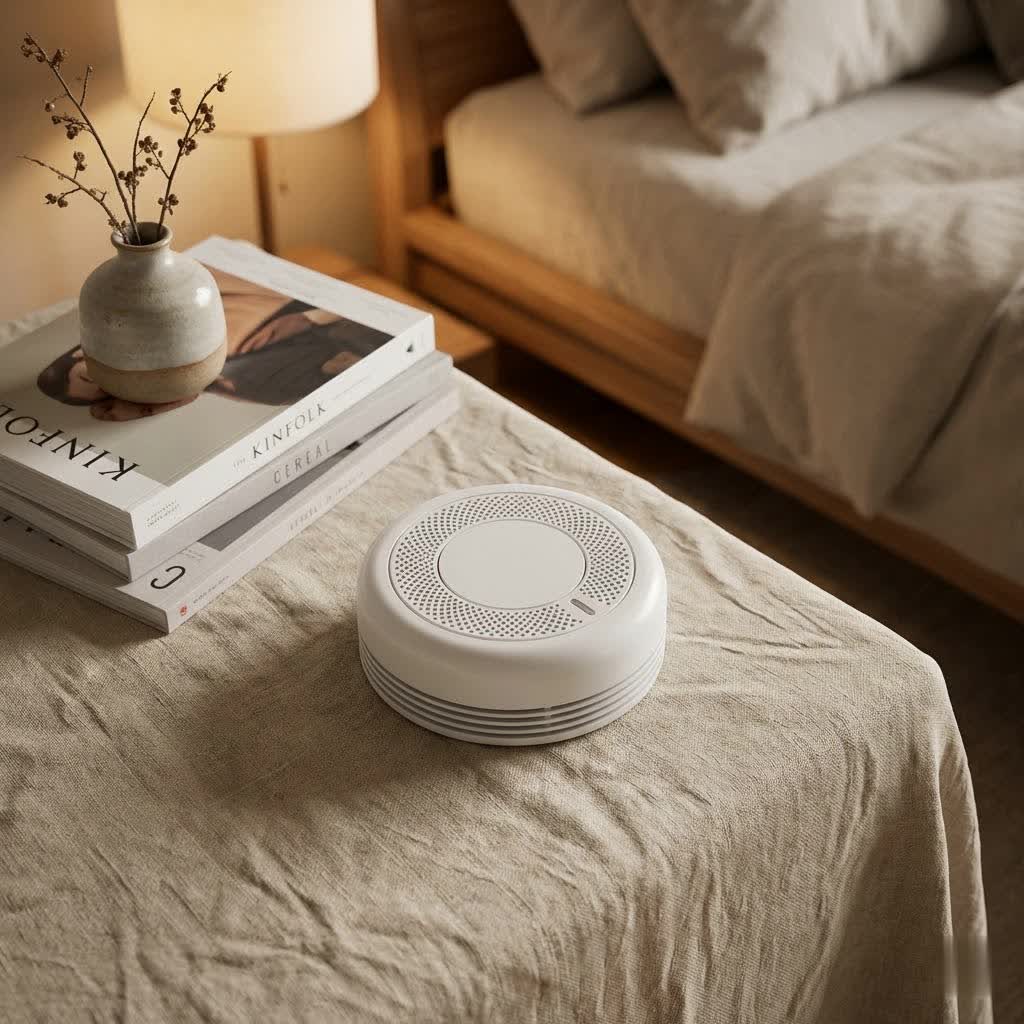
Protecting your home and loved ones from fire and carbon monoxide (CO) is a top priority for any homeowner. As an Admin of reviewmobi.com and a technician with over a decade of experience in fire safety, particularly with smoke detectors, I’ve witnessed firsthand the evolution of these life-saving devices. From basic models to sophisticated smart systems, selecting the right smoke and carbon monoxide detector can feel overwhelming. This comprehensive guide will equip you with the knowledge to make an informed decision, ensuring your home has the best possible protection against these silent threats.
What is a Smoke and Carbon Monoxide Detector? Why is it Essential?
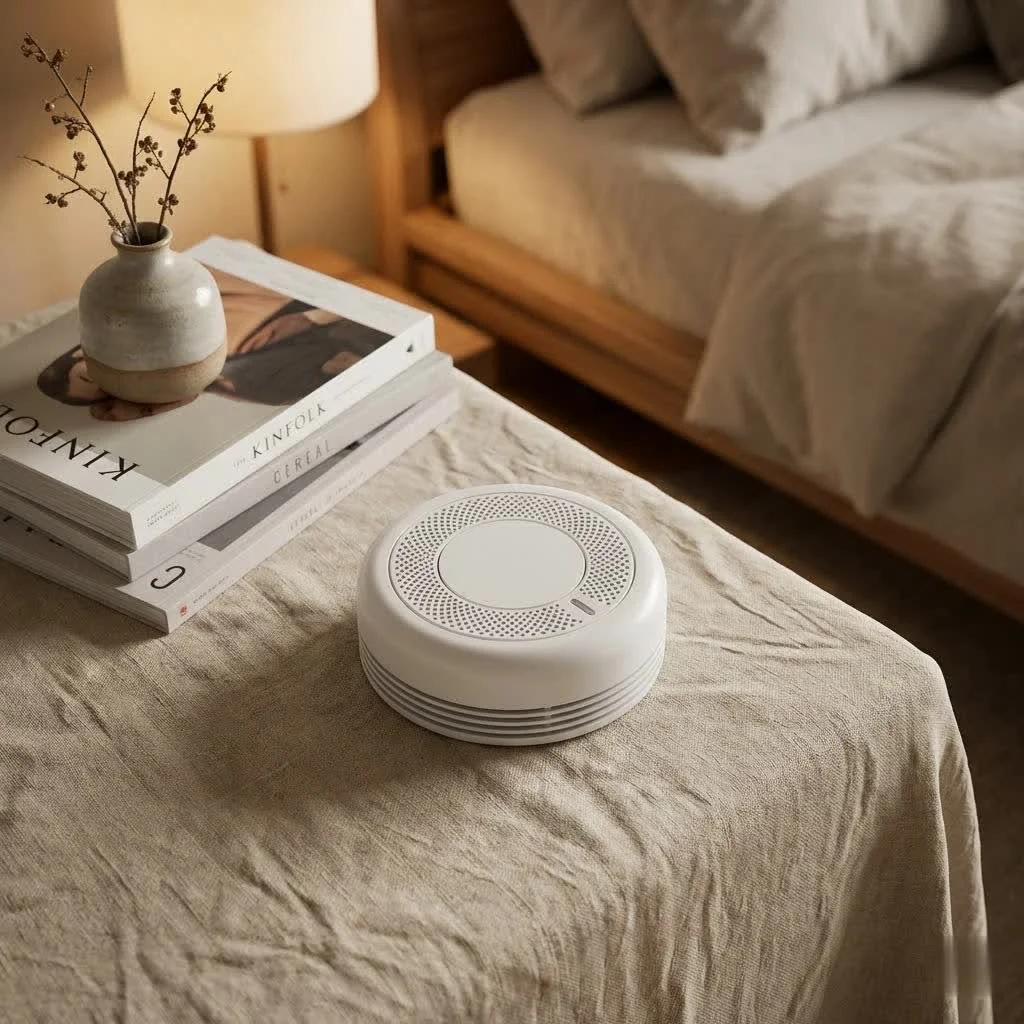
A smoke and carbon monoxide detector is a crucial safety device designed to alert occupants to the presence of smoke, indicating a potential fire, or invisible, odorless, and deadly carbon monoxide gas. These dual-purpose alarms combine two vital detection technologies into a single unit, offering comprehensive protection.
Smoke detectors operate by sensing smoke particles in the air. When a sufficient concentration is detected, they trigger a loud alarm. Carbon monoxide detectors, on the other hand, employ a specialized sensor to identify CO, a byproduct of incomplete combustion from fuel-burning appliances like furnaces, water heaters, fireplaces, and even vehicles in an attached garage. CO is often called the “silent killer” because it’s undetectable by human senses, making a dedicated alarm absolutely essential. Early detection is paramount; fires can spread rapidly, and CO exposure can quickly lead to severe illness or death, often while residents are asleep. Installing reliable combination units significantly increases the chances of early warning, providing critical time for evacuation and intervention.
Types of Smoke and Carbon Monoxide Detectors: Pros and Cons
Understanding the different types of sensors available in combination smoke and carbon monoxide detectors is key to choosing the right device for specific areas of your home.
Photoelectric Smoke Detectors
Photoelectric smoke detectors are particularly effective at sensing visible particles produced by slow, smoldering fires. These fires often begin with a long period of smoke production before bursting into flames, such as a cigarette smoldering in upholstery or electrical wires overheating.
- Pros: Highly responsive to smoldering fires, which are common in residential settings. Less prone to false alarms from burning food during cooking than ionization sensors.
- Cons: May react slower to fast-flaming fires. Can be triggered by dust or steam if placed too close to bathrooms or dusty areas.
Ionization Smoke Detectors
|
Our Picks for the Best Smoke Detector in 2026
As an Amazon Associate I earn from qualifying purchases.
|
||
| Num | Product | Action |
|---|---|---|
| 1 | 6 in 1 Plug in Smoke and Carbon Monoxide Detector Combo, Portable Smoke, Gas & CO Detector with Battery Operated, Temp, Humidity - Smoke Alarm Carbon Monoxide Natural Gas Leak Detector for Home, RV |

|
| 2 | First Alert SMI100, Battery-Operated Smoke Alarm, 2-Pack |
|
| 3 | First Alert SMI100-AC, Hardwire Interconnect Smoke Alarm with Battery Backup, 6-Pack |
|
| 4 | Kidde Hardwired Smoke & Carbon Monoxide Detector, AA Battery Backup Smoke Alarm, Interconnectable, LED Warning Light Indicators, 2 Pack |
|
| 5 | First Alert SMI100, Battery-Operated Smoke Alarm, 3-Pack |
|
| 6 | 3 Pack 10 Year Battery Operated Smoke and Carbon Monoxide Detector, Portable Fire Co Alarm for Home and Kitchen (White) |
|
| 7 | 4-in-1 Gas & Carbon Monoxide Detector, Plug-in & Battery Powered – Multi-Gas Protection, Accurate CO, Temperature & Humidity Monitoring, LCD Display, Adjustable Brightness, Sensitive Alarm |
|
| 8 | Kidde Hardwired Smoke Detector, AA Battery Backup, Interconnectable, LED Warning Light Indicators, 4 Pack |
|
| 9 | Smoke Alarm Fire Detector,Battery Operated Photoelectric Smoke Detector with Test Button and Low Battery Warning, Fire Alarms Smoke Detectors for Home, 6 Pack |
|
| 10 | Kidde Smoke Detector, 10-Year Battery Powered, LED Warning Light Indicators |
|
Ionization smoke detectors are designed to quickly detect microscopic smoke particles associated with fast-flaming fires. These types of fires consume combustible materials rapidly and produce intense heat.
- Pros: Generally more responsive to fast-flaming fires. Typically more affordable.
- Cons: Contains a small amount of radioactive material (though deemed safe). More susceptible to nuisance alarms from cooking fumes or steam from showers. Less effective at detecting smoldering fires in their early stages.
Dual Sensor (Combination Smoke Detectors)
To overcome the limitations of single-sensor smoke detectors, many combination units feature dual sensors, integrating both photoelectric and ionization technologies.
- Pros: Offers comprehensive protection by detecting both smoldering and fast-flaming fires more effectively. Provides a more balanced response to a wider range of fire types.
- Cons: Generally more expensive than single-sensor units.
Electrochemical Carbon Monoxide Detectors
Dedicated CO detection in combination units almost exclusively relies on electrochemical sensors. These sensors contain a chemical solution that reacts with CO to produce an electrical current, signaling the presence and concentration of the gas.
- Pros: Highly accurate and reliable for detecting carbon monoxide. Sensitive to low levels of CO over time, providing early warning. Stable across temperature and humidity changes and resistant to common household chemicals that might trigger false alarms.
- Cons: Requires replacement after a specific lifespan, typically 7-10 years, as the sensor degrades over time.
Detailed Comparison Table of Detector Types
| Feature / Type | Photoelectric Smoke Sensor | Ionization Smoke Sensor | Dual Sensor (Smoke) | Electrochemical (CO) Sensor |
|---|---|---|---|---|
| Primary Detection | Smoldering fires (e.g., electrical, upholstered furniture) | Fast-flaming fires (e.g., paper, grease) | Both smoldering and flaming fires | Carbon Monoxide (CO) gas |
| Response Time | Faster for smoldering | Faster for flaming | Balanced response for both | Fast response to dangerous CO levels |
| False Alarm Triggers | Dust, steam (less from cooking) | Cooking fumes, steam, high humidity | Less prone to false alarms from nuisance sources | Highly resistant to false alarms from household chemicals |
| Cost | Moderate | Generally lower | Higher | Varies (often combined with smoke sensor) |
| Lifespan (Unit) | 10 years (typically) | 10 years (typically) | 7-10 years (for combination units) | 7-10 years (due to sensor degradation) |
| Best Placement | Near living rooms, bedrooms, hallways | Areas with potential for fast-flaming fires (less common) | Throughout the home for comprehensive coverage | Near fuel-burning appliances, sleeping areas |
Buying Guide: Choosing the Right Smoke and Carbon Monoxide Detector
Selecting the best smoke and carbon monoxide detector for your home involves evaluating your specific needs and understanding key features.
Assess Your Needs
Before purchasing, consider these factors:
- Space and Layout: Larger homes or those with multiple levels will benefit from interconnected alarms.
- Type of Area: Different rooms have varying risks. Kitchens, utility rooms, and areas near fireplaces need specific considerations. Bedrooms and hallways are critical for sleeping safety.
- Budget: While safety should be a priority, units come in a range of price points, from basic battery-powered to advanced smart models.
Key Selection Criteria
Look for these essential features and certifications:
- Certifications: Always choose detectors listed by recognized testing laboratories such as Underwriters Laboratories (UL 217 for smoke, UL 2034 for CO) or the Canadian Standards Association (CSA). These certifications ensure the product meets stringent safety and performance standards.
- Power Source:
- Battery-Operated: Easy to install, portable, and function during power outages. Look for models with 10-year sealed batteries for maintenance-free power or those with easily replaceable batteries.
- Plug-in with Battery Backup: Connects to an electrical outlet for primary power, with batteries for backup during outages. Offers continuous monitoring with less frequent battery changes.
- Hardwired with Battery Backup: Integrated into your home’s electrical system, often required by building codes in new construction or renovations. Provides the most reliable power, with battery backup for outages.
- Interconnection: This feature allows all alarms in your home to sound simultaneously when one detects a threat, significantly increasing early warning time. This can be achieved wirelessly or through hardwiring.
- End-of-Life Warning: A crucial feature that alerts you when the unit needs to be replaced, typically after 7-10 years for combo units, due to sensor degradation.
- Digital Display: Provides a clear readout of CO levels (in parts per million, PPM) and often shows peak levels detected. This can be helpful for monitoring non-emergency CO fluctuations.
- Voice Alerts: In addition to a loud siren, some detectors provide verbal warnings, identifying the type and location of the threat (e.g., “Fire! Evacuate!” or “Carbon Monoxide Detected in Basement!”). This is especially beneficial for children or those who may be disoriented by a standard alarm.
- Smart Features: Advanced detectors offer Wi-Fi connectivity, sending alerts to your smartphone, allowing remote testing/silencing, and integrating with smart home systems like Google Home, Amazon Alexa, or Apple HomeKit. These features provide an extra layer of protection, especially when you’re away from home.
- Ease of Installation and Maintenance: Opt for models that are straightforward to install and come with clear instructions for regular testing and cleaning.
Top Features to Look for in Best-in-Class Detectors
The best smoke and carbon monoxide detectors often combine multiple advanced features. Prioritize models that offer a dual-sensor smoke detection alongside a highly accurate electrochemical CO sensor. Seek out units with a 10-year sealed battery or hardwired options with robust battery backup for reliability. Smart capabilities, including app notifications and interconnection, can significantly enhance overall home safety, providing peace of mind and faster response times in an emergency. Look for brands like Kidde and First Alert, which consistently receive high ratings for performance and reliability across various models, including those with smart features like the Google Nest Protect.
Optimal Placement of Smoke and Carbon Monoxide Detectors
Correct placement is as important as choosing the right detector.
- Every Level: Install at least one combination smoke and CO detector on every level of your home, including the basement and finished attics.
- Sleeping Areas: Place detectors inside every bedroom and in the hallway or common area immediately outside all sleeping areas.
- Near Fuel-Burning Appliances: For CO detection, place units near heat-producing appliances such as furnaces, water heaters, and fireplaces. In homes with attached garages, a CO detector near the door connecting the garage to the living space is also recommended.
- Ceiling or High on Wall: Mount smoke alarms high on walls or on ceilings, as smoke rises. Wall-mounted alarms should be no more than 12 inches from the ceiling (to the top of the alarm). For CO detection specifically, some guidance suggests placement closer to head height (around 5 feet), but combination units are generally designed for ceiling or high wall placement to maximize both smoke and CO detection.
- Avoid Nuisance Alarm Zones: Keep smoke detectors at least 10 feet away from cooking appliances (stoves, ovens) and bathrooms with showers to reduce false alarms from steam or cooking fumes. Avoid placing them near windows, doors, or air vents, as drafts can interfere with their operation.
Installation and Maintenance of Smoke and Carbon Monoxide Detectors
Proper installation and regular maintenance ensure your detectors remain effective.
Installation Steps (General):
- Read the Manual: Always refer to the manufacturer’s instructions for specific installation details.
- Choose Location: Identify optimal placement points based on the guidelines above.
- Mount Base Plate: Use the provided screws to securely attach the mounting bracket to the ceiling or wall.
- Connect Power (Hardwired/Plug-in): For hardwired units, carefully connect the electrical wires following local codes (often requires a qualified electrician). For plug-in units, simply plug into an accessible outlet.
- Insert Batteries: Install fresh batteries (or ensure the 10-year sealed battery is activated).
- Attach Detector: Twist or snap the detector onto the mounting plate.
- Test: Press and hold the test button until the alarm sounds. This confirms it’s receiving power and the alarm mechanism is working. For interconnected systems, verify all linked units sound the alarm.
Maintenance Schedule:
- Monthly Testing: Press the test button on each detector monthly to ensure the alarm sounds.
- Annual Cleaning: Gently vacuum or wipe the exterior of the detector to remove dust and cobwebs, which can impede sensor function.
- Battery Replacement: If your unit uses replaceable batteries, change them at least once a year, even if they haven’t triggered a low-battery warning. A good practice is to replace them when you change your clocks for Daylight Saving Time.
- Unit Replacement: Combination smoke and carbon monoxide detectors have a limited lifespan, typically 7-10 years from the date of manufacture. Check the date on the back of your unit and replace it promptly when it expires. The end-of-life warning will also signal when it’s time for replacement.
Dealing with False Alarms:
If your detector sounds a false alarm, use the hush or silence button if available. If the alarm persists, ventilate the area and investigate the cause. Repeated false alarms in specific locations (e.g., near the kitchen) might indicate improper placement or a need for a photoelectric-only or multi-criteria alarm in that spot.
Safety Standards and Certifications for Smoke and Carbon Monoxide Detectors
Adhering to safety standards is critical for the reliability of these life-saving devices. In North America, the primary certifications are from Underwriters Laboratories (UL) and the Canadian Standards Association (CSA).
- UL 217 (Standard for Smoke Alarms): This standard covers single- and multiple-station smoke alarms intended for protection in residential dwelling units.
- UL 2034 (Standard for Single and Multiple Station Carbon Monoxide Alarms): This standard outlines the requirements for CO alarms in residential environments.
- EN 14604 (European Standard for Smoke Alarms) and EN 50291 (European Standard for Carbon Monoxide Detectors): These are common standards in Europe.
A product bearing a UL, CSA, or EN mark indicates that it has been tested and meets rigorous safety and performance criteria set by independent third-party organizations. Always look for these labels on the product packaging to ensure you’re purchasing a quality-tested and reliable detector. These certifications signify that the device has undergone thorough evaluations for factors like alarm audibility, sensor accuracy, battery life, and resistance to environmental factors.
“Investing in certified smoke and carbon monoxide detectors isn’t just about compliance; it’s about providing your family with the highest level of protection against unseen dangers. Don’t compromise on safety for the sake of cost.”
Conclusion
Choosing the best smoke and carbon monoxide detector for your home is a vital step in safeguarding your family and property. By understanding the different sensor types, power options, smart features, and crucial placement guidelines, you can make an informed decision. Prioritize models with dual smoke sensors (photoelectric and ionization) and electrochemical CO sensors, ensuring they carry recognized certifications like UL or CSA. Regular testing and timely replacement are equally important to maintain an effective safety system. Equipping your home with these essential devices provides invaluable peace of mind, knowing you have an early warning system against both fire and the silent threat of carbon monoxide. What steps will you take today to enhance your home’s safety?
Frequently Asked Questions
How often should I replace my combination smoke and carbon monoxide detectors?
Combination smoke and carbon monoxide detectors typically need to be replaced every 7-10 years from the date of manufacture. Check the “replace by” date on the back of your unit, as sensors degrade over time, reducing effectiveness even if the alarm still sounds during a test.
Where is the best place to install a carbon monoxide detector?
Carbon monoxide detectors should be installed on every level of your home, including the basement, and particularly in hallways outside sleeping areas and near fuel-burning appliances like furnaces, water heaters, and fireplaces. They can be mounted on the ceiling or high on a wall.
Can cooking fumes trigger a smoke alarm?
Yes, cooking fumes, especially from burning food, can trigger ionization smoke alarms, which are more sensitive to microscopic particles. Photoelectric alarms are generally less prone to nuisance alarms from cooking, but proper placement at least 10-20 feet away from the kitchen can help prevent false alarms.
What’s the difference between hardwired and battery-powered detectors?
Hardwired detectors connect directly to your home’s electrical system, usually with a battery backup for power outages, offering continuous power and often supporting interconnection. Battery-powered detectors are easier to install and offer portability but rely solely on batteries, which require regular replacement (unless it’s a 10-year sealed unit).
Why do I need both a smoke and a carbon monoxide detector?
Smoke detectors alert to fires, while carbon monoxide detectors alert to the presence of invisible, odorless, and deadly CO gas. A fire can occur without CO, and CO poisoning can occur without a fire. Having both in a combined unit ensures comprehensive protection against both distinct dangers.
Get our weekly buyer guide
Practical specs, not advice. Unsubscribe anytime.
